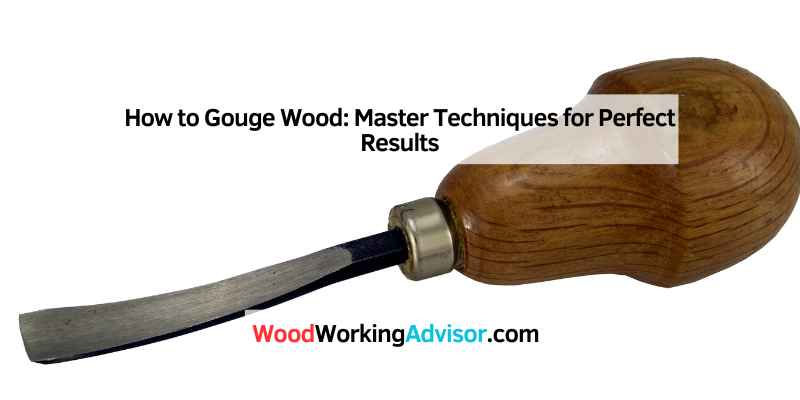
How to Gouge Wood: Master Techniques for Perfect Results
To gouge wood, use a chisel or gouge tool to carve out a specific area. Apply steady pressure and control the angle for precision.
Gouging wood is an essential skill for woodworkers and crafters. It allows for intricate designs and functional features in various projects. Whether you’re creating decorative elements or shaping furniture, mastering this technique enhances your woodworking abilities. Tools like chisels and gouges enable precise cuts, giving you the freedom to express your creativity.
Understanding the right techniques and safety measures is crucial for effective gouging. This guide will provide you with essential tips and techniques to achieve excellent results, making your woodworking projects stand out. Dive into the world of wood gouging and elevate your craftsmanship today!
Introduction To Wood Gouging
Wood gouging is a fun and creative way to make art. Many people enjoy it as a hobby. This art form requires skill and practice. Carving can produce beautiful shapes and designs.
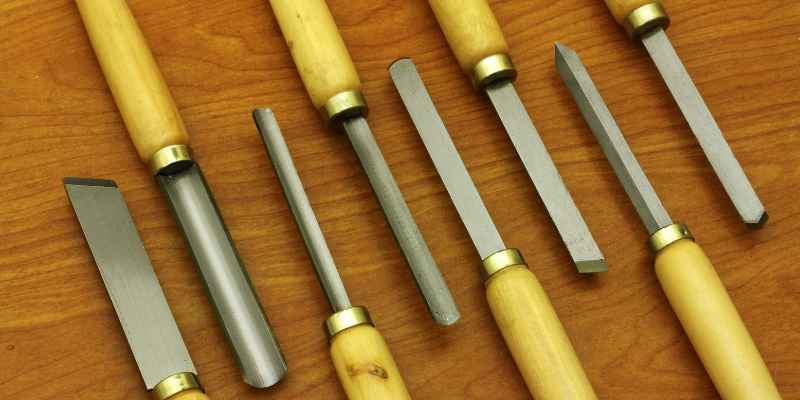
Essential tools for gouging include a gouge, chisel, and mallet. Each tool has its own purpose. A gouge helps create curves, while a chisel works well for flat surfaces. A mallet provides the force needed to drive the tools into the wood.
| Tool | Purpose |
|---|---|
| Gouge | Creates curves and deep cuts |
| Chisel | Shapes flat surfaces |
| Mallet | Drives tools into wood |
Selecting The Right Wood
Selecting the right wood is crucial for gouging. Different types of wood have unique properties. Here are some popular choices:
| Wood Type | Features |
|---|---|
| Oak | Strong and durable. Great for detailed work. |
| Maple | Hard and smooth. Ideal for fine finishes. |
| Pine | Soft and easy to carve. Good for beginners. |
| Cherry | Beautiful grain. Darkens with age. |
Understanding wood grain helps in choosing the right piece. Look for straight grain for easier gouging. Avoid knots, as they make carving difficult.
Setting Up Your Workspace
Creating a safe and efficient workspace is essential for gouging wood. Ensure you have a sturdy workbench. Good lighting helps see your project clearly. Keep all your tools organized and within reach.
Wear protective gear like gloves and goggles. This protects your hands and eyes from wood shavings. A dust mask can prevent inhaling fine particles. Always check your tools for damage before use.
| Workspace Requirement | Importance |
|---|---|
| Sturdy Workbench | Provides stability and support |
| Good Lighting | Enhances visibility for precision |
| Organized Tools | Reduces time and increases safety |
Basic Gouging Techniques
Holding the gouge properly is essential for effective wood gouging. Grip the handle with your dominant hand. Use your other hand to support the gouge. This helps maintain control and precision during the cut.
For the push method, start with the gouge angled toward the wood. Apply firm pressure while moving the tool forward. This method is great for shaping the wood.
The pull method involves drawing the gouge toward yourself. Angle the tool slightly away from you. This technique allows for smooth curves and intricate designs.
Practice both methods to find what feels best. Mastering these techniques will enhance your wood gouging skills.
Advanced Gouging Techniques
Advanced gouging techniques allow for amazing designs in wood. Incorporating curves adds beauty and uniqueness to your projects. Use a gouge chisel to create smooth curves. Start by making shallow cuts. Gradually deepen the cuts to achieve the desired depth.
Texturing techniques enhance the overall look of your woodwork. Different tools can create various textures. Try using a v-tool for fine lines or a flat chisel for wider grooves. Experimenting with different angles will yield unique patterns.
| Technique | Tool | Description |
|---|---|---|
| Curved Gouging | Gouge Chisel | Creates smooth, flowing curves in wood. |
| Texturing | V-Tool | Carves fine lines for detailed designs. |
| Wider Grooves | Flat Chisel | Perfect for creating broader textures. |
Sharpening Your Gouges
Keeping your gouges sharp is very important. A sharp edge makes cutting easier. Regularly check your tools for wear. Use a whetstone or a sharpening jig for best results.
Different sharpening angles help achieve different effects. For fine details, use a higher angle. For deeper cuts, a lower angle works better. Always maintain a consistent angle while sharpening.
| Angle Type | Purpose |
|---|---|
| Higher Angle (25-30°) | Fine details and smooth cuts |
| Lower Angle (15-20°) | Deeper cuts and rough shaping |
Practical Projects To Try
Gouging wood is a fun skill to learn. Start with simple projects for beginners.
- Wooden spoons: Perfect for practice and daily use.
- Coasters: Easy to make, a great gift idea.
- Small bowls: Learn shaping and control.
For those with more experience, try complex projects.
- Furniture pieces: Create unique tables or chairs.
- Artistic sculptures: Combine creativity and technique.
- Intricate carvings: Challenge your skills and impress others.
Finishing Your Wood Gouge Project
Sanding is crucial for a smooth finish on your wood gouge project. Start with a coarse grit sandpaper. Gradually move to finer grits for the best results. Always sand in the direction of the wood grain. This prevents scratches and ensures a clean surface.
After sanding, clean the wood with a damp cloth. This removes dust and debris. Let it dry completely before applying finishes.
Applying finishes protects the wood and enhances its beauty. Use a brush or cloth to apply the finish evenly. Choose a finish that suits your project, like oil, varnish, or polyurethane. Allow each coat to dry before applying more.
Troubleshooting Common Issues
To avoid gouge slips, hold the chisel firmly. Make sure your hands are steady. Use a sharp chisel for better control. A dull tool can slip easily.
For fixing imperfections, choose the right wood filler. Apply it smoothly over the gouge. Let it dry completely before sanding. Sand the area gently for a smooth finish.
Always check your work area for safety. Ensure the wood is stable before starting. A secure setup prevents accidents and mistakes.
Inspiration And Resources
Books and guides on wood gouging offer valuable tips and techniques. Look for titles that focus on carving and woodworking. They can help beginners and experts alike.
Online communities provide a space to share ideas and ask questions. Websites like Reddit and specialized forums connect woodworkers from around the world. Joining these groups can enhance your skills and inspire creativity.
Courses available online help you learn at your own pace. Platforms like Udemy and Skillshare feature lessons on wood gouging. They often include videos and project ideas to practice your skills.
Frequently Asked Questions
How Do You Start Gouging Wood?
Begin by selecting the right gouge for your project. Secure the wood piece firmly in place. Mark the area you want to gouge. Use steady, controlled strokes to remove wood. Practice on scrap wood to build confidence before working on your main piece.
What Tools Are Needed For Wood Gouging?
Essential tools include a wood gouge, mallet, and carving knife. You may also need a chisel for finer details. A sharpening stone is crucial for maintaining your gouge’s edge. Safety gloves and goggles can protect you while working. Ensure your workspace is well-lit for precision.
Can Beginners Gouge Wood Safely?
Yes, beginners can gouge wood safely with proper precautions. Start with simple projects and use sharp tools. Always wear safety gear to protect against accidents. Take your time to learn techniques. Practice on softer woods before advancing to harder materials for better control.
What Types Of Wood Are Best For Gouging?
Softwoods like pine and cedar are ideal for beginners. They are easier to carve and require less force. Hardwoods, such as oak and maple, are more challenging but offer intricate details. Choose wood based on your skill level and project requirements for the best results.
Conclusion
Gouging wood can transform your projects, adding depth and character. Mastering this technique enhances your craftsmanship and allows for unique designs. Remember to practice and choose the right tools for the best results. Embrace creativity and enjoy the process of bringing your wooden pieces to life with beautiful gouging techniques.