Hevea vs Acacia Wood: Hardness, Rot and Which to Buy
Hevea (rubberwood) and acacia are closer in hardness than most sales pages suggest, and neither is a good outdoor wood on its own. The Wood Database rates hevea at 960 lbf on the Janka scale, against 1,160 to 1,170 lbf for the two acacias it lists, Australian blackwood and koa. That is a real gap of about 21 percent, but it is not the huge jump that furniture listings imply.
Hevea is a single species, Hevea brasiliensis. “Acacia” is a label covering many species, which is why the label alone tells you less than you think. Below are the numbers we could verify from the Wood Database rubberwood entry and two acacia entries, then a plain buying guide for furniture, butcher block and cutting boards.
Hevea vs Acacia at a Glance
Best Butcher Block Conditioner Pick
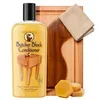 |
Howard Products Butcher Block Conditioner, 12 Fl Oz A food-grade mineral oil and wax blend for keeping cutting boards and butcher block from drying out, whichever of the two woods you buy.
|
As an Amazon Associate we earn from qualifying purchases.
| Property | Hevea (rubberwood) | Acacia (koa / Australian blackwood) |
|---|---|---|
| Species | Hevea brasiliensis | Acacia koa / Acacia melanoxylon |
| Janka hardness | 960 lbf | 1,170 lbf / 1,160 lbf |
| Density | 37 lb/ft3 (595 kg/m3) | 38 lb/ft3 / 40 lb/ft3 |
| Rot resistance | Poor, prone to fungal staining and insects | Koa: poor (non-durable to perishable). Blackwood: moderately durable, insect-prone |
| Workability | Excellent, but can warp and twist while drying | Easy to work, but figured or interlocked grain can tear out |
| Look | Pale, straight grain, coarse texture | Golden to reddish brown, ribbon and curly figure |
| Typical price position | Budget, plantation by-product | Higher, koa is scarce and expensive |
All figures in the table come from the Wood Database entries for each species. Those two acacias are the ones we could check. Other acacias sold in furniture and boards may measure differently, so treat the acacia column as a pair of examples, not a guarantee for every piece.
Hardness: How Much Harder Is Acacia, Really?
Janka hardness measures the force needed to press a steel ball into the wood, so a higher number means better resistance to dents. The Wood Database rubberwood entry lists hevea at 960 lbf and compares it to walnut or cherry, a moderately soft hardwood. The koa entry lists 1,170 lbf, and the Australian blackwood entry lists 1,160 lbf.
| Wood | Janka (lbf) | Compared with hevea |
|---|---|---|
| Hevea (rubberwood) | 960 | Baseline |
| Australian blackwood | 1,160 | About 21 percent harder |
| Koa | 1,170 | About 22 percent harder |
That is worth having as a dent-resistance edge on a dining table top, but nothing like the difference between a soft and a very hard wood. If a listing claims acacia is several times harder than rubberwood, ask for the species and the source of the figure. Density tells the same story: 37 lb/ft3 for hevea against 38 and 40 lb/ft3 for the two acacias.
Water, Rot and Outdoor Use
This is where the common advice needs correcting. Acacia is often marketed as the water-resistant option, but the ratings depend on the species. The Wood Database rates hevea’s decay resistance as poor and says it has very little natural resistance to decay, fungal staining and insect attack. It rates koa as non-durable to perishable and vulnerable to termites. Only Australian blackwood scores moderately durable, and it is still susceptible to insects.
- Indoor furniture: both are fine when kept dry and finished.
- Damp spots such as bathrooms and sink surrounds: neither is a safe unfinished choice. A sealer and quick wipe-ups matter more than the species.
- Outdoor use: neither is rated as naturally durable in the sources above, so plan on a maintained finish. Our guide to whether acacia lasts outside covers what that takes.
For the hevea side, see whether rubberwood is waterproof and how to seal rubberwood. For acacia, see how to seal acacia wood.
Butcher Block and Cutting Boards
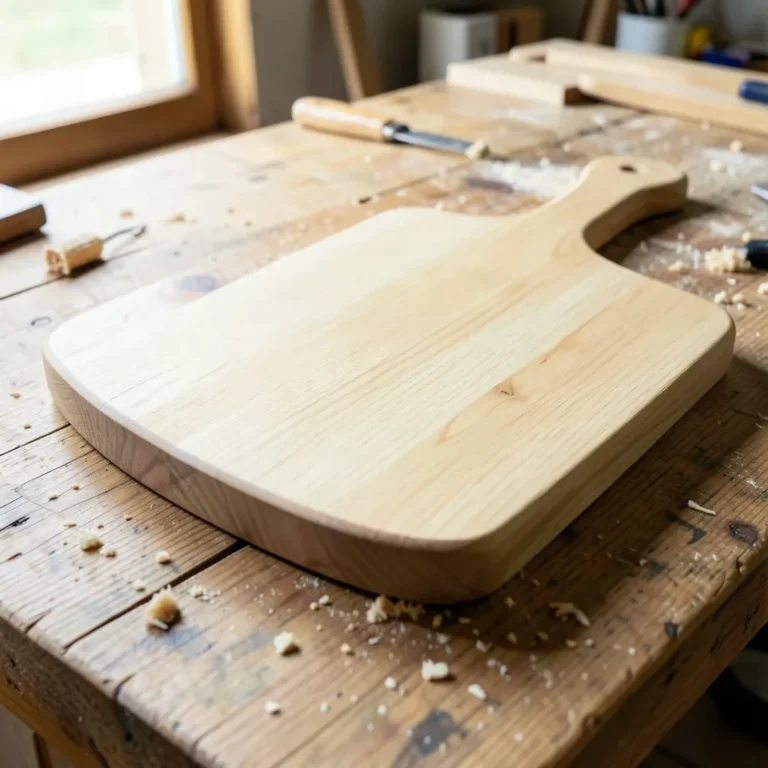
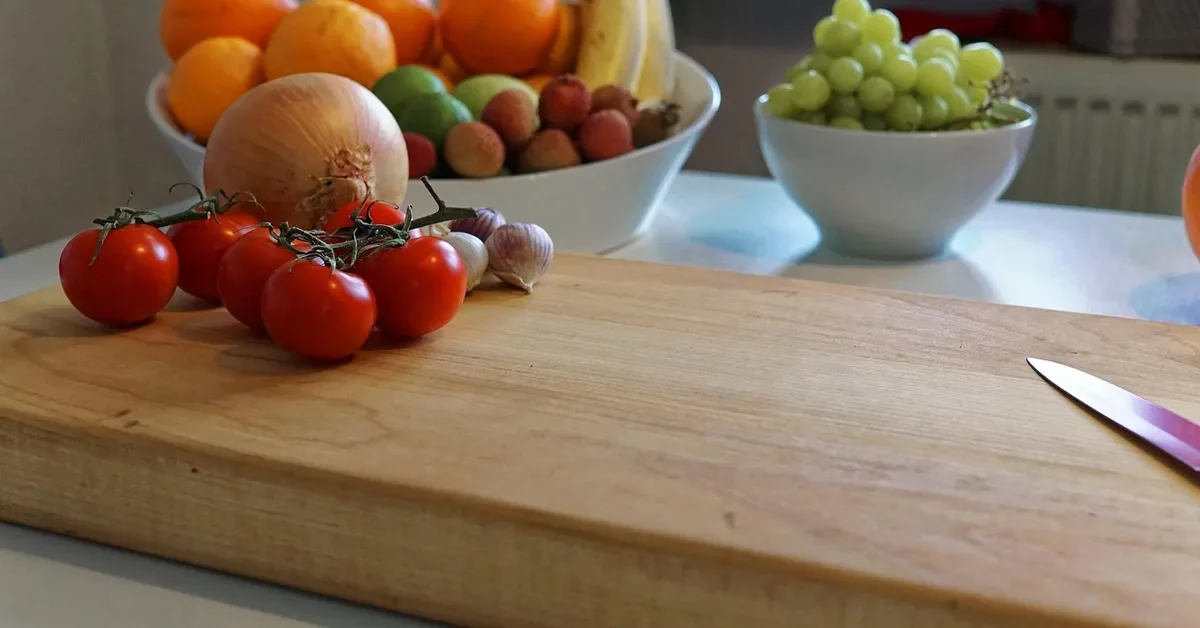
Searches for this comparison often mention butcher block, and that is a fair use for both woods. The Wood Database lists cutting boards and knife blocks among rubberwood uses, and acacia boards are widely sold. Acacia gives more grain and color, while hevea is pale and uniform.
- Pick on construction, not the species label. End-grain and edge-grain glue-ups, thickness and the glue used matter more than the name.
- Finish with food-safe oil or wax. Neither wood resists moisture well on its own, so an unoiled board will dry, stain and crack sooner.
- Watch for latex allergy with hevea. The Wood Database says people with natural latex or rubber allergies may react to rubberwood.
- Do not judge by a hardness number alone. With a gap of roughly 200 lbf, how you oil, clean and dry the board will likely matter as much as which wood it is.
Our page on whether rubberwood is toxic covers the allergy and dust details in full.
Furniture and Everyday Use
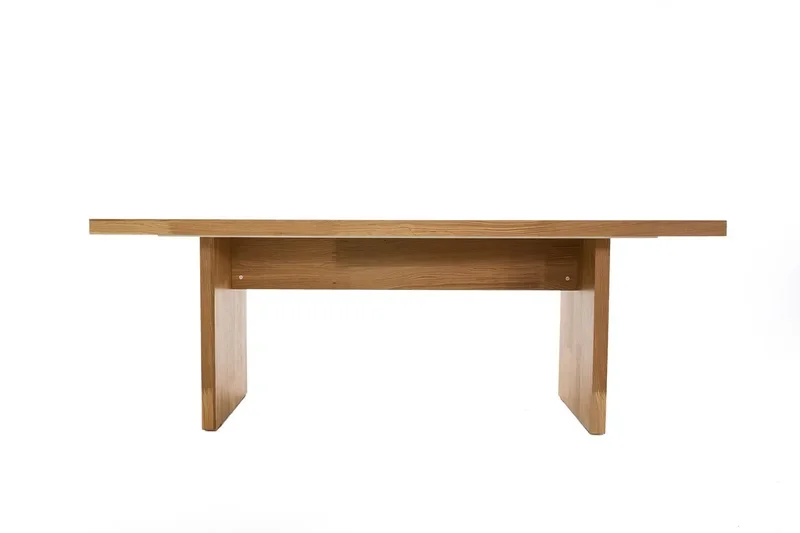
For a dining table or desk, the roughly 21 percent hardness edge of the acacias listed by the Wood Database helps with dents, and acacia’s warm, streaky grain reads as a feature. Hevea is often chosen for painted or stained furniture, since its grain is straight and even and it takes glue, stain and finish well. The Wood Database rubberwood entry also notes that hevea tends to warp and twist in drying but is fairly stable in service once seasoned.
Working either wood yourself has a catch. Hevea has a sour odor while it is being worked, especially when green, which fades as it dries. Figured or interlocked acacia, such as koa and blackwood, can tear out when planed, so use sharp cutters and light passes. Our page on what parawood is explains the alternative names you will see on hevea furniture.
Cost and Sustainability
Hevea is generally the budget wood because it is a by-product. The Wood Database says it is harvested from rubber plantations after about 30 years of latex production, and that it is not CITES-listed or considered threatened. Koa is different: it is endemic to Hawaii, described as expensive and increasingly scarce, with figured boards commanding premium prices. That does not describe every piece labeled acacia, so ask about the species and where it was grown.
If sustainability is a priority, our rubberwood sustainability guide goes deeper on the plantation side. For a different comparison, see acacia vs bamboo.
Which One Should You Buy?
| Your project | Better pick | Why |
|---|---|---|
| Budget dining table or shelving to be painted | Hevea | Lower cost, even grain, works and finishes well |
| Dining table where dents will matter | Acacia (ask the species) | About 21 percent harder in the listed species |
| Cutting board or butcher block | Either, with food-safe oil | Both are used for boards, finish matters most |
| Someone in the home has a latex allergy | Ask a doctor before buying hevea | The Wood Database flags rubberwood, not the acacias above, for latex-allergic people |
| Outdoor furniture | Neither unprotected | Poor to moderate rot resistance, needs a maintained finish |
| Statement grain and color | Acacia | Golden to reddish brown with ribbon figure |
Whichever you choose, check the actual listing for the species, the construction and the finish, because the label “acacia” or “rubberwood” says less than those three details.
Frequently Asked Questions
Is hevea the same as rubberwood?
Yes. Hevea is the tree Hevea brasiliensis, and its lumber is sold as rubberwood, parawood or plantation hardwood. The Wood Database lists it as Hevea brasiliensis with a Janka hardness of 960 lbf.
Is acacia harder than hevea?
Usually a bit, but by less than many sellers imply. The Wood Database lists Australian blackwood at 1,160 lbf and koa at 1,170 lbf against 960 lbf for hevea, roughly 21 percent harder. Other acacia species can differ, so ask which species you are buying.
Which is better for a butcher block countertop, hevea or acacia?
Both are used for butcher block and cutting boards. Acacia gives more color and grain, while hevea is paler, cheaper and easy to work. Either needs a food-safe oil finish, and neither should sit wet, because both have limited natural rot resistance.
Is acacia more water resistant than hevea?
Not by default. The Wood Database rates hevea as having poor rot resistance and koa as non-durable to perishable. Australian blackwood is rated moderately durable, so it depends on the species and, more importantly, on the finish.
Is hevea safe if I have a latex allergy?
Not guaranteed. The Wood Database says people with natural latex or rubber allergies may have reactions to rubberwood. Check with your doctor before buying large hevea pieces.
Is acacia or hevea more sustainable?
Hevea is harvested after about 30 years of latex production, so the lumber is a by-product of an existing crop. Koa, one well-known acacia, is endemic to Hawaii and increasingly scarce. Sustainability of other acacias depends on the plantation and species.
The Bottom Line
Hevea and acacia are closer than the marketing suggests: 960 lbf against roughly 1,160 to 1,170 lbf for the acacias we could verify. Pick hevea when budget and even grain matter, pick acacia when you want more color and a bit more dent resistance, and finish either one properly if it will see water or food.
Sponsored / affiliate links. As an Amazon Associate I earn from qualifying purchases. I may earn additional commission from eligible campaigns.
 72 in x 26 in x 1.5 in Wood Butcher Block Countertop, Natural Chevron Acacia, Unfinished Solid Tabletop – Ideal for DIY Kitchen/Dining Room/Home Office
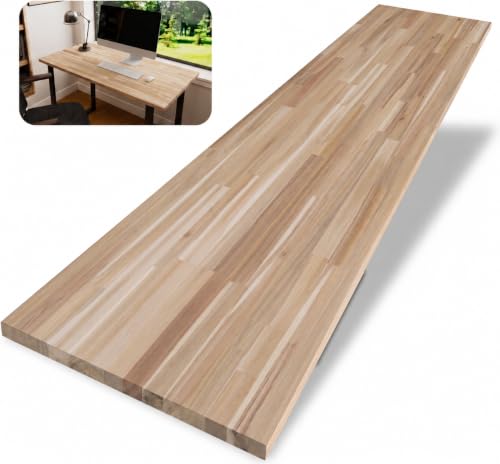 Howizz 36x25 in Solid Wood Table Top - 1in Thick Butcher Block Countertop for Standing Desk, Office Table, Workbench, DIY Furniture Projects,Unfinished Acacia