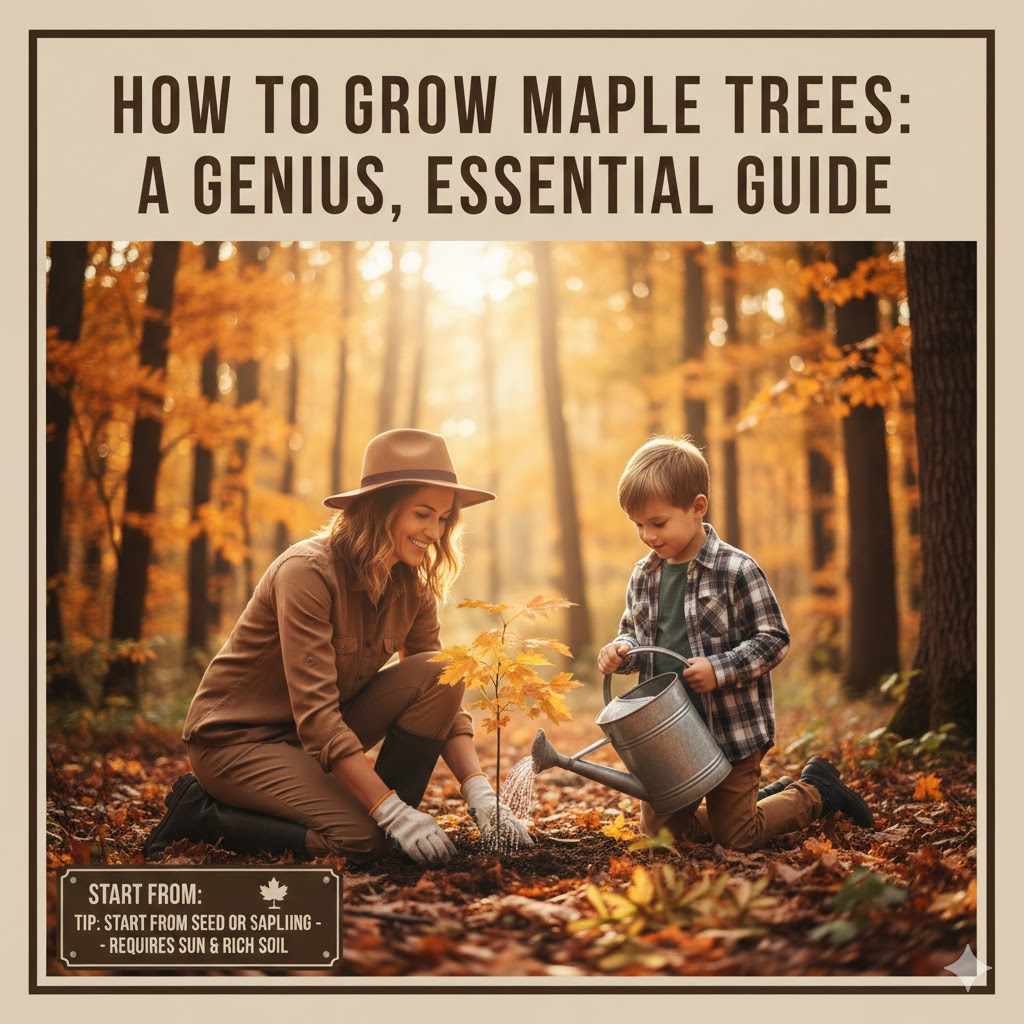
How to Grow Maple Trees: A Genius, Essential Guide
To grow a maple tree, choose a sunny spot with well-drained soil. For beginners, planting a young sapling is best. Dig a hole twice as wide as the root ball, place the tree so the top of the root ball is level with the ground, backfill with soil, and water it thoroughly. Consistent watering and a layer of mulch will help your new tree thrive.
Hello there! Md Meraj here. Seeing a majestic maple tree with its brilliant autumn colors can make you wish you had one in your own yard. Many people think growing a tree this beautiful must be complicated or difficult. It feels like a big, intimidating project. But I’m here to tell you that it’s one of the most rewarding things you can do, and it’s easier than you think.
With just a little bit of guidance, you can plant a maple tree that will bring you joy for years to come. In this guide, I’ll walk you through every simple step. We’ll cover everything from picking the right tree to putting it in the ground and helping it grow strong. Let’s get started!
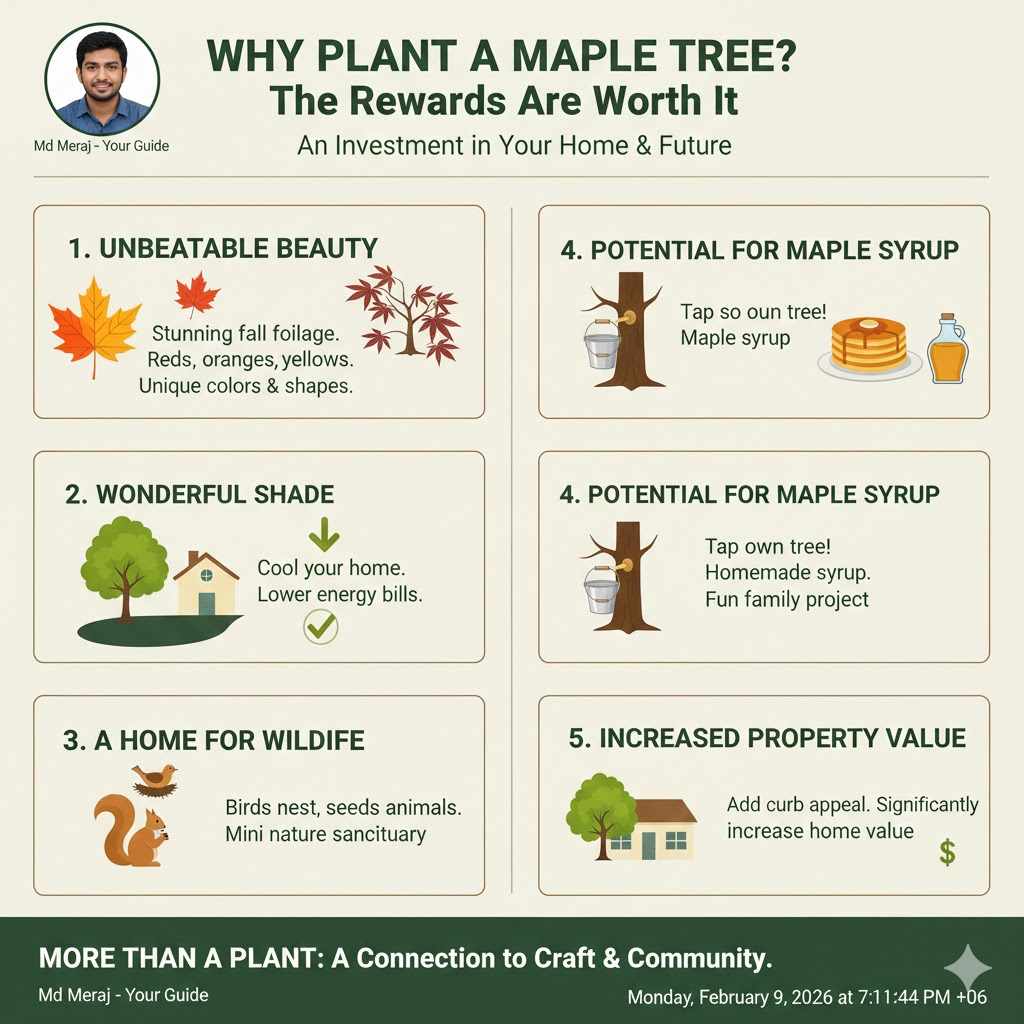
Why Plant a Maple Tree? The Rewards Are Worth It
Before we grab our shovels, let’s talk about why adding a maple tree to your landscape is such a fantastic idea. It’s more than just a plant; it’s an investment in your home and your future.
- Unbeatable Beauty: Maple trees are famous for their stunning fall foliage. The vibrant reds, oranges, and yellows can turn any yard into a breathtaking masterpiece. Different varieties, like the Japanese Maple, offer unique colors and shapes all year long.
- Wonderful Shade: On a hot summer day, nothing beats the cool shade of a large, leafy tree. A well-placed maple can help cool your home, potentially lowering your energy bills.
- A Home for Wildlife: Birds love to nest in the sturdy branches of maple trees, and their seeds provide food for squirrels and other small animals. You’ll be creating a mini nature sanctuary right outside your window.
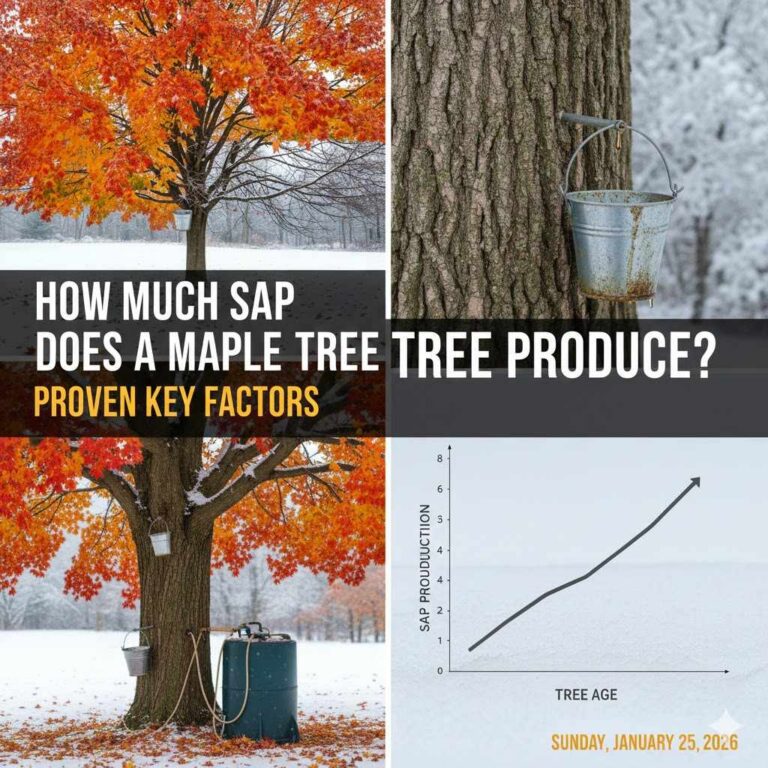
- Potential for Maple Syrup: If you plant a Sugar Maple, you can one day try the amazing hobby of tapping your own tree for delicious, homemade maple syrup. It’s a fun project for the whole family!
- Increased Property Value: Healthy, mature trees are a huge plus for any property. They add curb appeal and can significantly increase the value of your home.
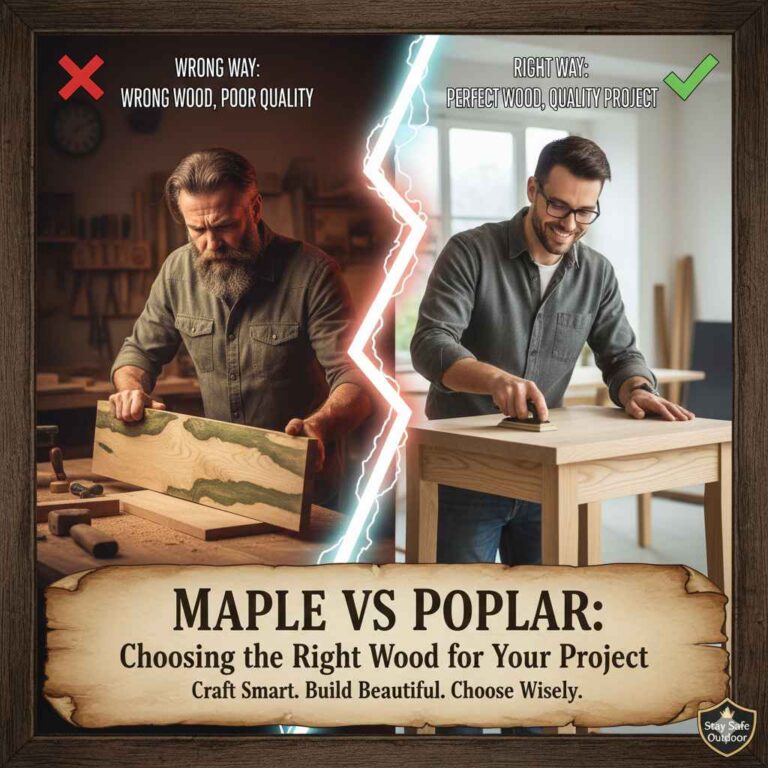
For me, as a woodworker, I also appreciate the sheer strength and beauty of maple wood. While you might not be planting a tree to harvest it, it gives you a deeper connection to the material we love to work with. Planting a tree is a way of giving back.
Choosing the Right Maple for Your Yard
The first big decision is picking which type of maple tree to grow. There are over 100 species of maple, but only a handful are common for home landscapes. Your choice depends on your space, your soil, and what you want from your tree. Let’s look at a few popular options.
Common Maple Tree Varieties
Here’s a simple table to help you compare some of the most beloved maple trees. Think about how much space you have and what kind of look you’re going for.
| Maple Type | Mature Size (Height x Width) | Key Features | Best For |
|---|---|---|---|
| Sugar Maple (Acer saccharum) | 60-75 ft. x 40-50 ft. | The classic! Source of maple syrup and spectacular red, orange, and yellow fall color. Slower growing. | Large yards, syrup enthusiasts, and those wanting iconic fall beauty. |
| Red Maple (Acer rubrum) | 40-60 ft. x 30-40 ft. | Fast-growing with brilliant red fall color. Very adaptable and tolerates wet soil better than other maples. | Getting shade quickly and planting in areas with moist soil. |
| Silver Maple (Acer saccharinum) | 50-80 ft. x 40-60 ft. | Extremely fast-growing. Leaves are green on top and silvery-white underneath, creating a shimmering effect. | Very large, open areas where you need shade fast. Its wood is weaker, so plant it away from buildings. |
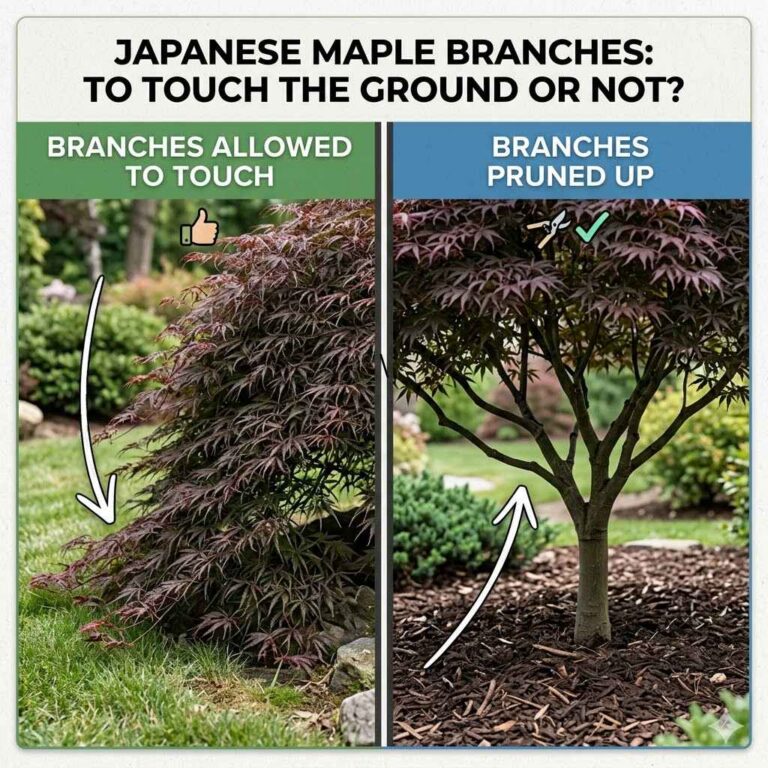
| Japanese Maple (Acer palmatum) | 15-25 ft. x 15-25 ft. (can be smaller) | A smaller, ornamental tree prized for its graceful shape and delicate, colorful leaves (red, purple, green, orange). | Small yards, garden beds, patios, and adding a touch of elegance. |
For most beginners in a typical suburban yard, a Red Maple or a Japanese Maple is often a perfect choice. If you have a lot of land and patience, the Sugar Maple is a true classic. The Arbor Day Foundation has an excellent tree guide you can use to explore even more varieties.
Start Smart: Seeds vs. Saplings
You can grow a maple tree from a seed you find on the ground or by planting a young tree (a sapling) you buy from a nursery. Which one is right for you?
- Growing from Seed: This is a very slow but fascinating process. You get to see the entire life cycle, but it can take many years to get a recognizable tree. It also requires a specific process called stratification (a cold period) to get the seed to sprout. It’s a fun experiment but not for those who want a tree anytime soon.
- Planting a Sapling: This is the method I recommend for 99% of people. A sapling is a young tree that’s already a few feet tall and has a healthy root system. It gives you a huge head start. You’ll have a small tree in your yard from day one, and it’s much more likely to succeed. This is the smartest, most reliable way to get started.
In this guide, we’re going to focus on planting a sapling, because it’s the most beginner-friendly and ensures you get great results.
How to Plant a Maple Sapling: Your Step-by-Step Guide
Alright, you’ve chosen your tree and you’re ready to plant! This is the exciting part. Follow these simple steps, and you can’t go wrong. The best times to plant are in the spring (after the last frost) or early fall (at least 6 weeks before the first hard freeze). This gives the roots time to get established.
Step 1: Gather Your Tools and Materials
Having everything ready makes the job smooth and easy. You don’t need a lot of fancy equipment.
- A healthy maple sapling from a nursery
- A pointed shovel or spade
- Gardening gloves
- A bucket or wheelbarrow (for the soil)
- Mulch (about 2-3 cubic feet)
- A garden hose or watering can
- A measuring tape
Step 2: Pick the Perfect Spot
Where you plant your tree is the most important decision you’ll make. Think about the tree’s mature size from the table above.
- Sunlight: Most maple trees thrive in full sun to partial shade. This means they need at least 4 to 6 hours of direct sunlight per day.
- Soil: Maples prefer well-drained soil. Avoid spots where water puddles after it rains. If you have heavy clay soil, you can amend it with some compost to improve drainage.
- Space: This is crucial! A tiny sapling will become a huge tree. Plant it at least 15-20 feet away from your house foundation, driveway, sidewalks, and overhead power lines. This prevents future problems with roots and branches. Before you dig, it’s always a good idea to check for underground utilities. You can do this by visiting the Call 811 website in the U.S.
Step 3: Dig the Hole (The Right Way)
This step is where many people make a simple mistake. But it’s easy to get it right!
- Measure the Root Ball: Carefully remove the tree from its container. Measure the height and width of the root ball (the clump of soil and roots).
- Dig Wide, Not Too Deep: Your goal is to dig a hole that is two to three times wider than the root ball, but only as deep as the root ball is tall. A wide hole allows the new roots to spread out easily into the surrounding soil. Digging too deep can cause the tree to settle and the roots to rot.
- Break Up the Soil: Use your shovel to loosen the soil on the sides of the hole. This helps the roots penetrate the soil more easily.
Step 4: Prepare and Place Your Tree
Now, it’s time to get your tree ready for its new home.
- Inspect the Roots: Look at the root ball. If the roots are tightly wound in a circle (called “root-bound”), gently tease them apart with your fingers. You can even use a small knife to make a few vertical cuts around the root ball to encourage them to grow outward.
- Find the Root Flare: Look for the spot at the base of the trunk where it starts to widen out before it meets the roots. This is called the “root flare” or “trunk flare.” It is essential that this flare is visible and sits slightly above the ground level after planting. Planting too deep is a common cause of tree failure.
- Position the Tree: Carefully place the tree in the center of the hole. Step back and look at it from a few different angles to make sure it’s standing up straight. You can have a friend help with this part.
Step 5: Backfill the Hole and Water Well
You’re almost done! This final step secures your tree and gives it a great start.
- Fill the Hole: Use the original soil you dug out to fill the hole back in around the root ball. Don’t add fancy fertilizers or soil amendments directly into the hole; this can discourage the roots from growing beyond the hole. Gently pat down the soil with your hands to remove any large air pockets. Avoid stomping on it, as this can compact the soil too much.
- Build a Water Saucer: Use the leftover soil to build a small mound, or “berm,” in a circle around the edge of the planting hole. This creates a basin that will hold water and direct it right to the tree’s roots.
- Water Thoroughly: Give your newly planted tree a long, deep drink of water. Fill the water saucer and let it soak in completely. Fill it again two or three times. This helps settle the soil and provides crucial moisture. A slow, steady stream from a hose is perfect for this.
Caring For Your Young Maple Tree
Your tree is in the ground! Great job. For the first couple of years, it will need a little extra care as it gets established. Here’s what to do.
Watering is Key
During its first growing season, your maple tree needs consistent water. Water deeply once a week, especially if it hasn’t rained. A good rule of thumb is to provide about 10 gallons of water for every inch of trunk diameter. Check the soil with your finger; if it feels dry a few inches down, it’s time to water.
The Magic of Mulch
Applying a layer of mulch around your tree is one of the best things you can do for it.
- It holds in moisture so you don’t have to water as often.
- It keeps weeds from growing and competing for nutrients.
- It protects the trunk from accidental bumps from lawnmowers.
- It helps regulate soil temperature.
Apply a 2- to 3-inch layer of organic mulch, like shredded bark or wood chips, in a wide circle around the tree. Be careful not to pile the mulch directly against the trunk. This “mulch volcano” can trap moisture and lead to rot. Leave a small gap of a few inches around the base of the tree.
To Fertilize or Not?
Most of the time, a young maple tree doesn’t need fertilizer, especially if you have reasonably good soil. Adding mulch provides slow-release nutrients as it breaks down. If your tree looks like it’s struggling (yellowing leaves, slow growth), you can have your soil tested by a local cooperative extension office. The University of Minnesota Extension offers great advice on caring for maples.
Protecting Your New Tree
Young trees are vulnerable to damage from deer, rabbits, and lawn equipment. Consider installing a plastic tree guard around the base of the trunk for the first few winters to protect the tender bark.
A Quick Guide to Pruning Maples
Pruning can seem scary, but for a young maple, you only need to do very little. The goal is just to help it develop a strong structure.
- When to Prune: The best time to prune a maple tree is in the late winter or very early spring when the tree is dormant (has no leaves). Avoid pruning in late spring, as maples will “bleed” a lot of sap (this isn’t usually harmful, but it looks messy).
- What to Prune: Your only job for the first few years is to remove any branches that are dead, damaged, or broken. You can also prune any branches that are crossing and rubbing against each other.
- How to Prune: Use clean, sharp pruning shears or a saw. Make your cuts just outside the “branch collar,” which is the slightly swollen area where the branch meets the trunk. Don’t cut flush with the trunk.
For a young tree, less is more. Don’t try to shape it too much. Let it grow naturally, and only step in to fix clear problems.
Common Problems and Easy Solutions
Even with the best care, you might run into a few issues. Here are some common ones and how to handle them.
| Problem | What It Looks Like | Simple Solution |
|---|---|---|
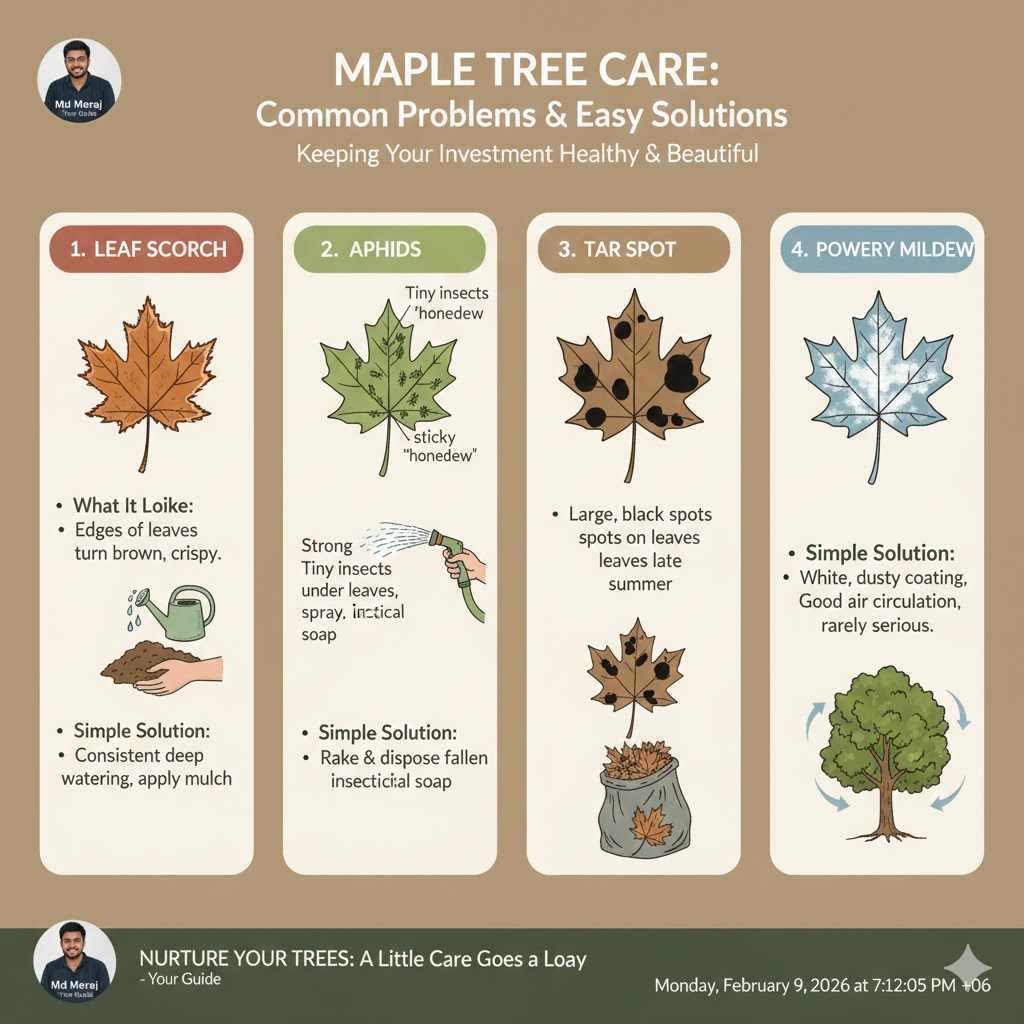
| Leaf Scorch | The edges of the leaves turn brown and look crispy or burnt. | This is usually caused by not enough water, hot winds, or too much sun. The fix is consistent, deep watering and a good layer of mulch. |
| Aphids | Tiny insects on the undersides of leaves, often with a sticky residue called “honeydew.” | For a small problem, a strong spray of water from your garden hose can knock them off. If that doesn’t work, insecticidal soap can help. |
| Tar Spot | Large, black spots appear on the leaves in late summer. It looks ugly but is rarely harmful. | The best defense is to rake up and dispose of all the fallen leaves in the autumn, as the fungus overwinters there. |
| Powdery Mildew | A white, dusty-looking coating on the leaves. | This is common in humid weather. Make sure the tree has good air circulation. It usually doesn’t cause serious damage. |
Frequently Asked Questions (FAQ)
1. How fast do maple trees grow?
It depends on the variety. Fast-growing types like the Silver Maple can grow over 2 feet per year. Slower-growing types like the Sugar Maple might only grow 1 to 2 feet per year. Providing good water and mulch will help your tree grow its best.
2. When is the best time of year to plant a maple tree?
The best times are spring (after the final frost) and early fall (about six weeks before the ground freezes). This gives the tree’s roots time to get established in mild temperatures before the stress of extreme heat or cold.
3. How much sun does my maple tree need?
Most maple trees are happiest in full sun (6+ hours per day) or partial shade (4-6 hours per day). Some varieties, like Japanese Maples, can appreciate some afternoon shade in very hot climates to prevent their delicate leaves from scorching.
4. How far from my house should I plant a maple tree?
It’s very important to give your tree space. For large maples like Sugar or Red Maples, plant them at least 20 feet away from your home, driveway, and sewer lines. For smaller Japanese Maples, you can plant them closer, about 10 feet away.
5. Can I grow a maple tree in a large pot or container?
Yes, especially dwarf varieties of Japanese Maples. They do very well in containers. Larger maple varieties are not suitable for pots long-term as their root systems become too big. If you do use a pot, make sure it has excellent drainage.
6. Do I need to stake my new tree?
Usually, no. Most saplings bought from nurseries have strong enough trunks and root systems to stand on their own. Staking is only needed if you live in a very windy area or if the tree is very tall and spindly and cannot support itself. If you do stake it, use soft, flexible ties and remove the stakes after one year.
Conclusion: Enjoy Your New Tree
There you have it! You now know everything you need to confidently plant and grow a beautiful maple tree. It’s not a complicated secret; it’s just a series of simple, thoughtful steps. By choosing the right spot, digging a good hole, and giving it some water and care in its first year, you are setting your tree up for a long and healthy life.
Planting a tree is a special kind of project. It’s a gift to yourself, to future generations, and to the planet. Every time you look out your window and see that maple, you can feel a sense of pride. You did that. You created a living, growing piece of beauty that will provide shade, color, and joy for decades. Now go ahead, get your hands dirty, and make a memory.