What Is a Flush-Cut Saw Used For? Trim Cuts Explained
A flush-cut saw is a thin, zero-set-tooth hand saw built to trim dowels, plugs, and proud tenons level with the surrounding surface, without scratching the wood the way a regular saw’s set teeth would. Use the wrong tool and you’ll gouge the finish or leave a lip that telegraphs through paint or stain. This guide compares hand saws to oscillating tools, walks through the cut step by step, and covers which size to buy.
Affiliate disclosure: Insert your Affiliate Disclosure reusable block here.
What Makes a Flush-Cut Saw Different From a Regular Saw
Best Flush-Cut Saw Pick
Temple Tool Co. Japanese Flush Cut Saw 6-Inch
A double-edge Japanese pull saw with true zero-set teeth on both edges — one side for finer finishing cuts, one coarser for faster stock removal.
- Best for: Trimming dowels, plugs, and tenons flush without marking the surface
- Why we picked it: Double-edge design covers both rough and fine flush cuts with one saw
- Main drawback: Thin blade flexes if you push instead of pull — takes a light hand
Compare more flush-cut saw options
 Option 1 SUIZAN Flush Cut Saw 5-Inch Pull Saw
|
 Option 2 KAKURI Mini Flush Cut Saw 5-Inch
|
 Option 3 RUITOOL Japanese Ryoba Pull Saw 6-Inch
|
As an Amazon Associate we earn from qualifying purchases.
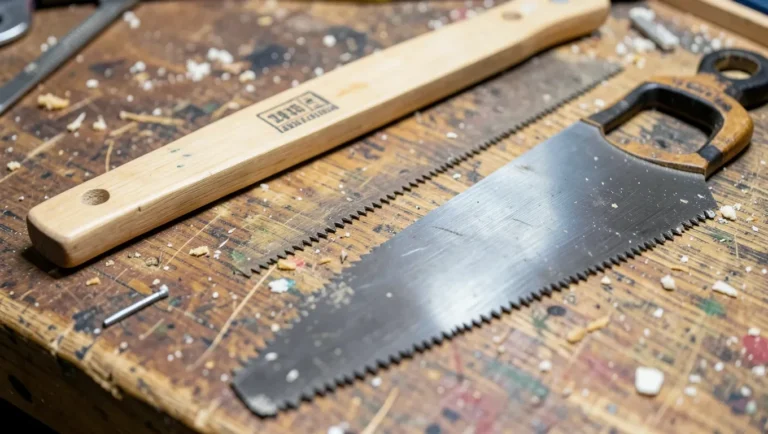
A flush-cut saw is a specialty hand saw with zero-set teeth — the teeth sit in line with the blade instead of being bent outward for clearance. A regular saw needs that outward “set” so the wider kerf keeps the blade from binding mid-cut, but the same set will gouge or scratch a finished surface the moment you lay the blade flat against it. Zero-set teeth let a flush-cut saw ride directly on wood, drywall, or trim without marking it, which is why the design exists almost entirely for one job: cutting something flush.
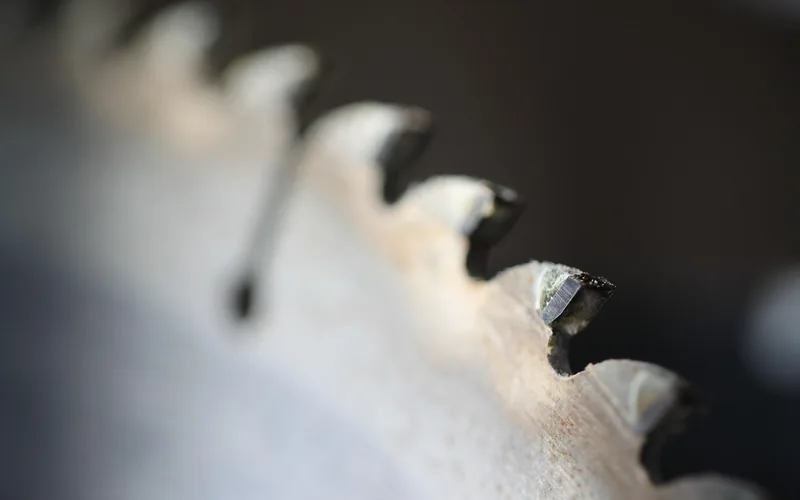
Most hand flush-cut saws on the market run a 4.7″–6.25″ blade with 17–22 teeth per inch (TPI), thin enough to flex slightly as you follow the surface. That thin, flexible blade is also why fine-cut hand saws in general favor a pull stroke — pulling keeps a thin blade in tension instead of letting it buckle, the same geometry a flush-cut saw takes to its extreme.
Hand Flush-Cut Saw vs. Electric Options (Oscillating Tool, Jamb Saw)
A hand flush-cut saw isn’t the only tool that can trim something level with a surface — an oscillating multi-tool or a dedicated jamb saw can too. Each trades precision for speed differently, and picking the wrong one for the job is the fastest way to end up sanding out saw marks you didn’t need to make.
| Tool | Blade / Cost | Best For |
|---|---|---|
| Hand flush-cut saw | 4.7–6.25″ blade, 17–22 TPI, $15–$55 | Dowels, plugs, and trim pieces where the surface can’t show a mark |
| Oscillating multi-tool | Swappable blades, no true zero-set, $30–$60 with a blade | Fast rough cuts, drywall, and blades that can survive a hidden nail |
| Dedicated jamb saw | Fixed low-profile blade, $25–$45 | Undercutting door jambs and casing for new flooring — single-purpose |
📊 No Western saw fills the same role: a flush-cut saw’s combination of a thin blade and zero-set teeth has no true power-tool equivalent — an oscillating blade can get close on drywall or trim, but it still leaves a set-tooth witness mark on bare wood that a hand flush-cut saw doesn’t.
How to Use a Flush-Cut Saw
- Protect the surface first: Lay a strip of painter’s tape around the dowel or plug you’re trimming — even a zero-set blade can scuff a soft finish if it skids sideways.
- Lay the blade flat: Rest the saw’s teeth directly against the reference surface, keeping the blade as parallel to it as you can manage.
- Use light pull strokes: Let the pull stroke do the cutting — pressing down or forcing the saw only increases the chance of deflection and an uneven cut.
- Check and touch up: Run a finger over the cut to feel for any proud spot, then take it down the rest of the way with a sharp block plane or fine sandpaper instead of re-sawing.
A sharp blade matters as much as technique here — a dull or set-damaged flush-cut blade will tear the surface no matter how careful the stroke is, so it’s worth checking and keeping the teeth sharp rather than pushing harder to compensate.
Common Mistakes to Avoid
- Grabbing a regular saw out of convenience. Any blade with set teeth will scratch a finished surface the instant it lies flat — there’s no shortcut around a zero-set blade for this job.
- Pressing down to force the cut. A flush-cut blade is thin by design; extra pressure deflects it and produces a wavy, not-quite-flush result.
- Skipping the painter’s tape. On stained or painted surfaces, the tape is what keeps an accidental skid from becoming a visible scratch.
Where a Flush-Cut Saw Fits in Renovation and Trim Work
Beyond dowels and plugs, a flush-cut saw is a regular in trim carpentry: cutting quarter-round and shoe molding flush at inside corners, trimming door casing without pulling it off the wall, and finishing pocket-hole plugs so they disappear into the surface. For jobs like undercutting a door jamb for new flooring, an electric hand saw or dedicated jamb saw is faster — but for anything where the cut itself has to stay invisible, the hand saw’s zero-set blade is still the tool that won’t leave a mark to sand out later. For the full lineup of saw types and how they compare, see our guide to woodworking saws.
Frequently Asked Questions
What is a flush-cut saw used for?
A flush-cut saw is used to trim dowels, plugs, splines, and proud tenons perfectly level with a surrounding surface. Its zero-set teeth let the blade lie flat against the wood without scratching it, which is why it’s the go-to tool for finishing joinery rather than general-purpose cutting.
How is a flush-cut saw different from a regular saw?
A regular saw has teeth bent outward with “set” so the wider kerf keeps the blade from binding in the cut. A flush-cut saw’s teeth have zero set, sitting in line with the blade body, so it can ride flat against a finished surface without gouging it.
Can you use an oscillating tool instead of a flush-cut saw?
Yes, for speed and on materials a hand saw can’t handle, like drywall or a hidden nail. But most oscillating blades still carry some set, so on bare, finished wood they can leave a faint witness mark that a true zero-set hand saw avoids.
What size flush-cut saw should I buy?
A 5–6 inch blade with 17–22 TPI handles most dowel, plug, and trim work. Go with the shorter 5″ length for tight spots and the longer 6″ length if you’re regularly trimming wider stock in fewer strokes.
Can a flush-cut saw cut metal or plastic?
Most flush-cut hand saws are built and sharpened for wood; using one on metal or hard plastic dulls the fine teeth quickly. For those materials, an oscillating multi-tool with a metal-rated blade is the better choice.
Conclusion
A flush-cut saw earns its place in a shop for one reason: its zero-set teeth are the only blade geometry that reliably trims wood flush without marking it. Reach for the hand saw when the cut has to be invisible, and save the oscillating tool or jamb saw for speed on rough or hidden work.
Sponsored / affiliate links. As an Amazon Associate I earn from qualifying purchases. I may earn additional commission from eligible campaigns.