How to Lay Sheet Vinyl Flooring: A Step-by-Step Guide
To lay sheet vinyl flooring, start by preparing the subfloor and ensuring it is clean, dry, and level. Next, roll out the vinyl sheet, cut it to fit, and secure it using the appropriate adhesive.
Installing sheet vinyl flooring can transform your space with minimal effort. This type of flooring is durable, moisture-resistant, and ideal for high-traffic areas. Whether you’re updating a kitchen, bathroom, or laundry room, proper installation ensures longevity and aesthetic appeal. Begin with a clean and level surface to prevent any bumps or imperfections.
The right tools and materials are essential for a successful installation. This guide will walk you through the key steps, from preparation to securing the vinyl in place, making it easy for you to achieve a professional-looking finish. Let’s explore how to lay sheet vinyl flooring effectively.
Introduction To Sheet Vinyl Flooring
Sheet vinyl flooring offers many advantages for homeowners. It is affordable, durable, and easy to maintain. This type of flooring is also water-resistant, making it ideal for kitchens and bathrooms. The wide range of designs allows for creative expression in any space.
Many people believe sheet vinyl is low-quality. In reality, it can be as stylish as traditional materials. Some think it’s hard to install, but with proper preparation, anyone can do it. Others worry about its lifespan; however, high-quality vinyl can last for years with the right care.
Materials And Tools Required
For laying sheet vinyl flooring, gather these materials:
- Sheet vinyl
- Adhesive (full-bond or perimeter-bond)
- Underlayment (for moisture control)
- Utility knife
- Measuring tape
- Ruler or straight edge
- Floor roller (for smooth application)
Essential tools include:
- Floor scraper (for old flooring removal)
- Notched trowel (for adhesive application)
- Level (to ensure a flat surface)
- Safety goggles (for protection)
- Knee pads (for comfort while working)
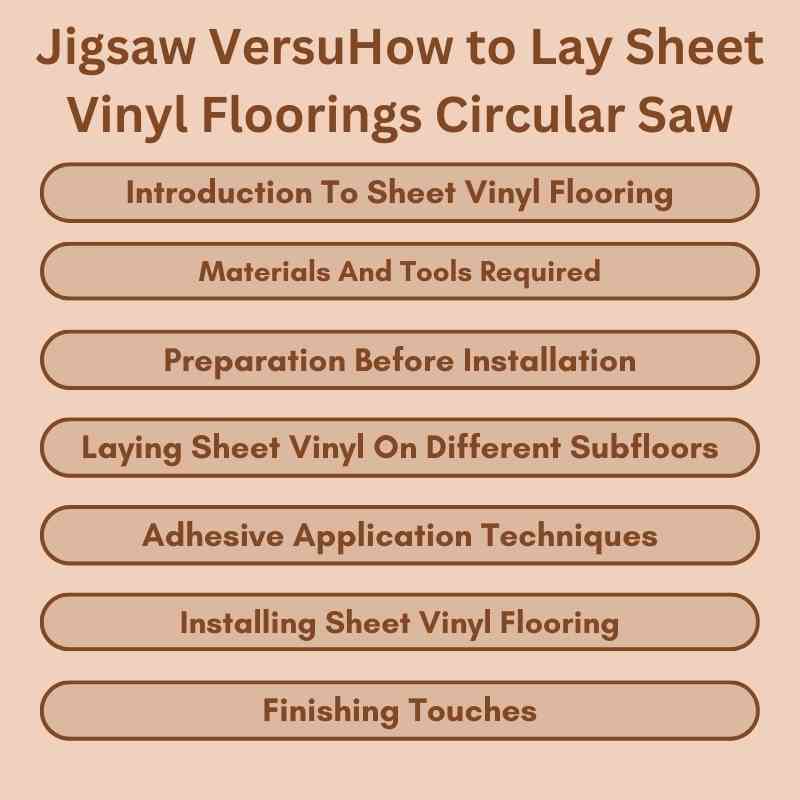
Preparation Before Installation
Preparing the room is essential for a successful vinyl flooring installation. Start by removing all furniture and any obstacles. This ensures a clear workspace. Clean the floors thoroughly to eliminate dust and debris. Check for any moisture issues, as they can damage the flooring.
Subfloor preparation is equally important. Ensure the subfloor is level and dry. Any bumps or lumps should be smoothed out. If using a concrete subfloor, fill in cracks and holes. Installing a suitable underlayment can help with sound and moisture control.
Gather all necessary tools and materials before starting. This will streamline the installation process. Make sure to read the manufacturer’s instructions carefully for specific guidelines.
Measuring And Cutting Sheet Vinyl
Start by measuring the length and width of your space. Use a tape measure for accuracy. Record your measurements in inches or feet. Calculate the area by multiplying length and width. This gives you the total square footage needed for your vinyl.
To get a precise fit, allow for extra material. Add at least 10% more to your total. This accounts for mistakes or miscalculations. For corners and odd shapes, take additional measurements.
When cutting the vinyl, use a straight edge and a utility knife. Cut on a flat surface for safety. Measure again before cutting each piece. This ensures every section fits perfectly.
Laying Sheet Vinyl On Different Subfloors
To lay sheet vinyl on concrete, ensure the surface is clean, dry, and level. Any bumps should be ground down. Use a perimeter-bond adhesive for better results. This helps the vinyl stick around the edges.
For wood subfloors, check for any squeaks or loose boards. Secure them before laying vinyl. A full-bond adhesive is often best here. It provides strong support for the flooring.
When using plywood, make sure it’s smooth and free of dust. You can use an underlayment for added comfort and sound absorption. This also helps with moisture control.
In bathrooms, moisture is a concern. Using a water-resistant adhesive is key. Ensure the subfloor is well-prepared to prevent any damage from humidity.
Adhesive Application Techniques
Choosing the right adhesive is crucial for successful vinyl flooring installation. Two main methods exist: full-bond and perimeter-bond.
A full-bond method requires adhesive on the entire surface area. This creates a strong, stable base for your vinyl. It is ideal for high-traffic areas.
The perimeter-bond method only uses adhesive around the edges of the room. This approach is easier and faster. It works well in low-traffic spaces.
Match the adhesive type to your flooring needs. Consider factors like room usage and moisture levels for the best results.
Installing Sheet Vinyl Flooring
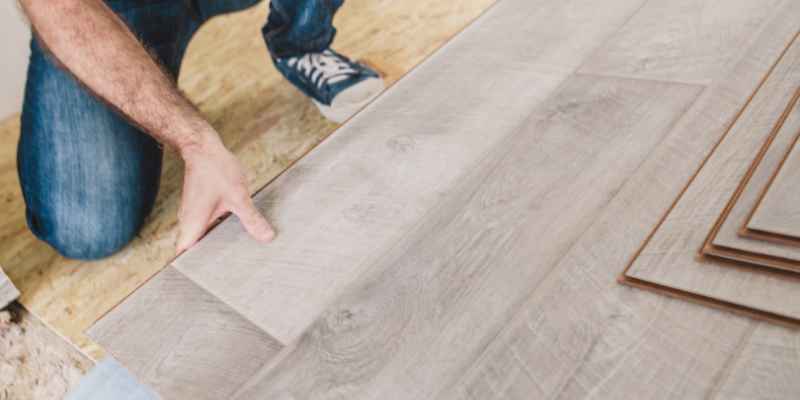
To install sheet vinyl flooring, follow these simple steps. First, prepare the room by clearing out all furniture. Next, ensure the subfloor is clean, dry, and level. This ensures a smooth surface for your new flooring.
Cut the vinyl sheets to fit your room size. Use a utility knife for accurate cuts. Apply the adhesive according to the manufacturer’s instructions. For a full-bond floor, cover the entire area with adhesive. For a perimeter-bond floor, apply it only around the edges.
After laying down the vinyl, use a roller to press it firmly. This helps to remove any bubbles or creases. If bubbles appear, gently lift the vinyl and reapply it. Use a heat gun to smooth out stubborn areas.
Finally, trim any excess vinyl around the edges for a clean finish. Allow the adhesive to set as per the guidelines for best results.
Finishing Touches
Trimming excess material is vital for a clean finish. Use a sharp utility knife for precise cuts. Ensure the edges align perfectly with the walls. This prevents any visible gaps and enhances the overall look.
Sealing edges protects against moisture. Apply a high-quality sealant along the perimeter. This step is crucial in bathrooms and kitchens where water exposure is common. A good seal will extend the lifespan of your vinyl flooring.
Maintenance And Care
Laying sheet vinyl flooring requires careful preparation and attention to detail. Start by ensuring the subfloor is clean, dry, and level. Using the right adhesive is crucial for a durable finish, whether opting for full-bond or perimeter-bond methods. Regular maintenance will keep your flooring looking new.
Routine Cleaning Tips
Keep your sheet vinyl flooring looking great with regular cleaning. Use a soft broom or vacuum to remove dirt and dust. For deeper cleaning, use a damp mop with a mild cleaner. Avoid harsh chemicals, as they can damage the surface.
How To Deal With Stains And Scratches
For stains, act quickly. Blot spills with a clean cloth. Use warm, soapy water for stubborn stains. Rinse and dry the area afterward. To fix scratches, apply a vinyl repair kit. Follow the instructions carefully for best results.
Cost Considerations
Estimating installation costs for sheet vinyl flooring can vary based on several factors. Labor costs, the size of the area, and material quality all play a role. On average, expect to pay between $1 to $5 per square foot for materials. Installation may cost an extra $1 to $3 per square foot.
To save money on your vinyl flooring project, consider the following tips:
- Shop around for discounts and sales on materials.
- Perform the installation yourself if you have basic DIY skills.
- Choose standard sizes of vinyl sheets to reduce waste.
- Look for pre-cut options to avoid extra cutting costs.
Frequently Asked Questions
Does Sheet Vinyl Need To Be Glued Down?
Sheet vinyl typically requires adhesive for installation. You can choose between full-bond or perimeter-bond methods. Full-bond involves gluing the entire surface, while perimeter-bond secures only the edges. Always match the adhesive to your flooring type for optimal results.
Do You Put Anything Under Vinyl Sheet Flooring?
Yes, you should put underlayment under vinyl sheet flooring. It provides moisture control, sound insulation, and comfort. Choose the right type based on your subfloor and specific needs to ensure a successful installation. Proper preparation enhances the overall durability and performance of the flooring.
How Do You Attach Vinyl Sheet Flooring?
To attach vinyl sheet flooring, start by cleaning and leveling the subfloor. Apply the appropriate adhesive evenly. Lay the vinyl sheet, ensuring it’s smooth and free of bubbles. Trim excess material at the edges. Finally, roll the floor with a roller for proper adhesion.
How Do You Prep For Sheet Vinyl Flooring?
To prep for sheet vinyl flooring, follow these steps:
1. Clear the room of furniture and debris.
2. Ensure the subfloor is clean, dry, and level.
3. Repair any damage to the subfloor.
4. Gather necessary tools and materials.
5. Acclimate the vinyl according to instructions.
Conclusion
Successfully laying sheet vinyl flooring can transform your space. With the right preparation and tools, this task becomes manageable. Take your time to follow each step for the best results. Enjoy your new floor, and remember to maintain it properly for longevity.