How to Making Traditional Wooden Hand Planes: A Master’s Guide
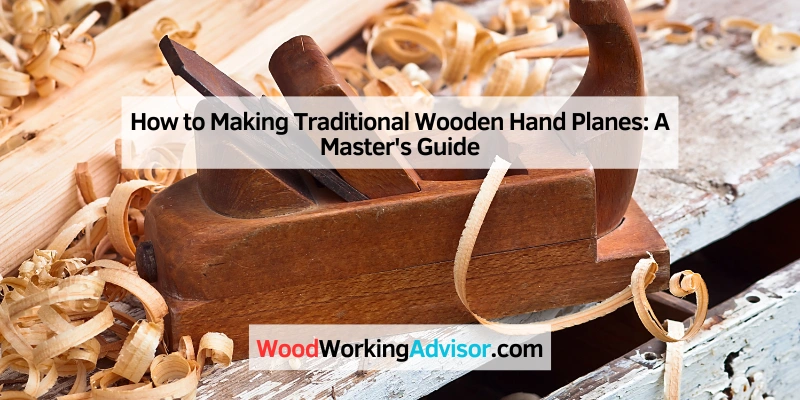
To make traditional wooden hand planes, start by selecting quality hardwood and cutting it to the desired dimensions. Shape the body and create a mouth for the blade using chisels and planes.
Creating wooden hand planes is a rewarding woodworking project that combines craftsmanship with functionality. These tools have been used for centuries, offering precision and control in shaping wood. Making your own hand plane allows for customization, ensuring it fits perfectly in your hand and meets your specific needs.
The process involves selecting the right wood, shaping the body, and fine-tuning the blade. This guide will walk you through each step, helping you craft a tool that enhances your woodworking experience. Embrace the art of traditional tool-making and elevate your skills in the shop.
The Art Of Wooden Hand Planes
The history of wooden hand planes dates back centuries. These tools were used by ancient craftsmen. Over time, they became essential in woodworking. Many cultures have their own designs and styles.
Wooden hand planes represent a rich heritage. They connect modern woodworkers with their ancestors. Using these tools helps preserve traditional skills. Many woodworkers appreciate the craftsmanship involved in making them.
In modern woodworking, wooden hand planes still hold significance. They provide a unique touch to projects. These planes are often made from different types of wood. They offer a natural feel that metal tools cannot match.
Many artisans enjoy the challenge of using hand planes. They promote creativity and skill development. Using these tools can lead to a deeper understanding of woodworking.
Selecting The Right Wood
Choosing the right wood is vital for making traditional wooden hand planes. Different types of wood offer unique benefits. Here are some popular options:
| Type of Wood | Properties |
|---|---|
| Beech | Strong, durable, and easy to work with. |
| Maple | Hard, smooth, and ideal for fine work. |
| Cherry | Beautiful grain and resists warping. |
| Mahogany | Stable and has a rich color. |
These woods ensure optimal performance and longevity. Select the right wood for your project.
Tools And Materials Needed
Building traditional wooden hand planes requires specific tools and materials. A basic toolkit includes:
- Saws for cutting wood accurately.
- Chisels for shaping and smoothing edges.
- Clamps to hold pieces securely.
- Files and rasps for fine adjustments.
- Measuring tape to ensure precision.
Safety gear is essential for protection. Always wear:
- Safety glasses to shield eyes from debris.
- Dust masks to avoid inhaling particles.
- Ear protection when using loud tools.
Proper safety measures keep the workspace safe. Be mindful of sharp tools and wood dust.
Designing Your Hand Plane
Designing your hand plane requires careful consideration of its dimensions. A comfortable size makes it easy to use. The body should fit well in your hand. Choose a width that suits your needs. A wider plane works for bigger surfaces.
Ergonomics are important for comfort. A good grip reduces hand fatigue. The handle should be at a comfortable angle. This makes it easier to control the plane.
| Customization | Specialized Tasks |
|---|---|
| Shape | Curved edges for shaping wood |
| Blade Type | Different blades for various wood types |
| Weight | Heavier planes for tougher jobs |
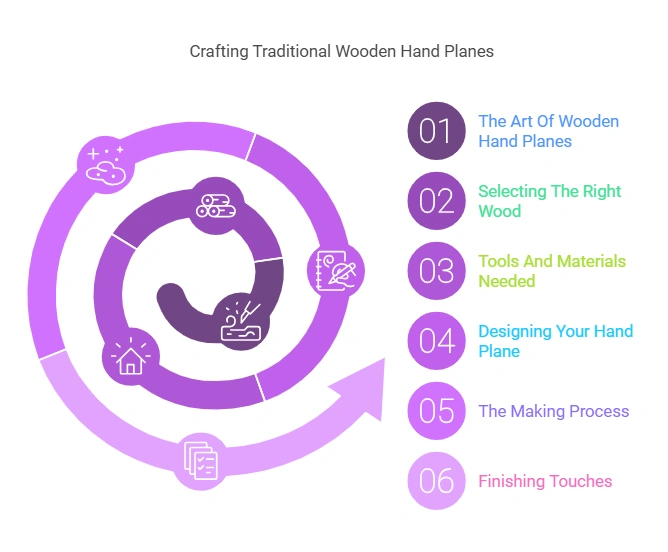
The Making Process
Start by choosing a suitable piece of wood. Common choices include hardwoods like maple or cherry. Use a saw to cut the wood into a rough shape. Ensure the shape fits your hand comfortably.
Next, focus on shaping the body. Use a chisel and plane to refine the edges. Aim for smooth curves and a flat bottom. This helps the plane glide easily across surfaces.
For carving the mouth, create a small opening on the front. This allows the blade to slice through wood effectively. Make the mouth about one-third of the total length.
Finally, set the blade in place. Ensure it is sharp and positioned correctly. A well-set blade makes a significant difference in the quality of your work.
Finishing Touches
Start with sanding the wooden surface. Use fine-grit sandpaper for a smooth finish. Focus on areas with rough spots. Sand along the grain to prevent scratches.
After sanding, use a soft cloth to remove dust. This step ensures better adhesion for finishes.
Next, apply finishes and sealants to protect the wood. Choose a product that suits your desired look. Oil finishes enhance natural colors. Polyurethane provides a strong protective layer.
Use a brush or cloth to apply the finish evenly. Allow the finish to dry as per instructions. For best results, apply multiple coats with light sanding in between.
Sharpening And Maintenance
Sharpening the blade is crucial for effective use. Start with a coarse stone to shape the edge. Move to a finer stone for a smoother finish. Check the angle of the blade; it should be about 25 degrees. Always keep the blade flat against the stone for best results.
Routine maintenance helps the plane last longer. Clean the body with a soft cloth after use. Apply a thin coat of oil to prevent rust. Store the plane in a dry place, away from moisture. Regularly check the blade for nicks or dullness.
Consider using a strop to maintain the sharp edge. A strop can help polish the blade. Keeping tools in good shape ensures they work efficiently.
Mastering Usage
Using traditional wooden hand planes requires practice and skill. Start with the right grip. Hold the plane firmly but not too tightly. Use your body weight to push the plane forward. This helps create smooth, even cuts.
Focus on maintaining a consistent angle. A slight tilt can cause uneven surfaces. Always check your work after each pass. This helps catch mistakes early.
Common mistakes include planing against the grain. This can result in tear-out and rough edges. Always plan with the grain for the best finish. Keep the blade sharp for effective cutting.
Another mistake is applying too much pressure. Let the tool do the work instead. Lastly, avoid rushing your work. Patience leads to better results.
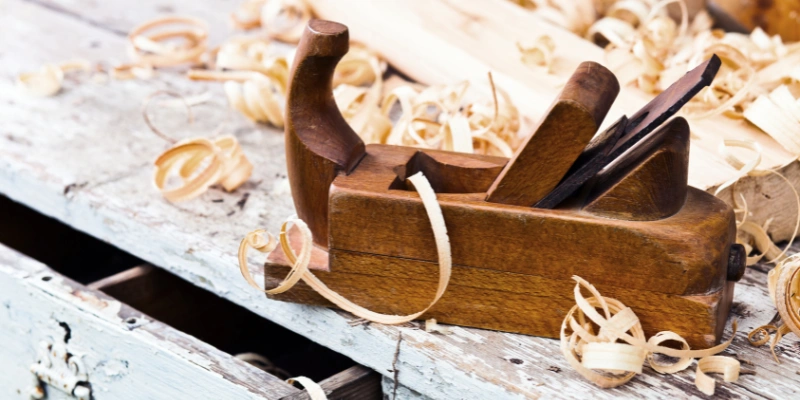
Making Traditional Wooden Hand Planes
Frequently Asked Questions
What Materials Are Needed For Wooden Hand Planes?
To make traditional wooden hand planes, you’ll need hardwood, typically maple or beech. Additionally, you’ll require a blade, a lever cap, and screws. Tools like chisels, a saw, and a plane body template are also essential. Selecting high-quality materials ensures durability and performance.
How Do You Shape A Wooden Hand Plane?
Shaping a wooden hand plane involves several steps. Start by cutting the body from hardwood using a saw. Then, use chisels to hollow out the mouth and create the bed for the blade. Finally, refine the shape with sandpaper for a smooth finish.
Patience is key in this process.
What Is The Purpose Of A Hand Plane?
A hand plane is used to smooth and shape wood surfaces. It helps achieve a flat, even finish, essential for woodworking projects. Additionally, hand planes can create precise angles and profiles. This tool is vital for both fine woodworking and furniture making.
How Do You Maintain A Wooden Hand Plane?
Maintaining a wooden hand plane involves regular cleaning and sharpening. After each use, wipe the blade and body to remove dust and resin. Periodically, sharpen the blade to maintain its cutting edge. Store the plane in a dry place to prevent moisture damage.
Conclusion
Crafting traditional wooden hand planes is a rewarding endeavor. It connects you to woodworking’s rich history. By mastering this skill, you can create tools that enhance your craftsmanship. Embrace the process, learn from each step, and enjoy the satisfaction of making your own hand planes.
Start your woodworking journey today!