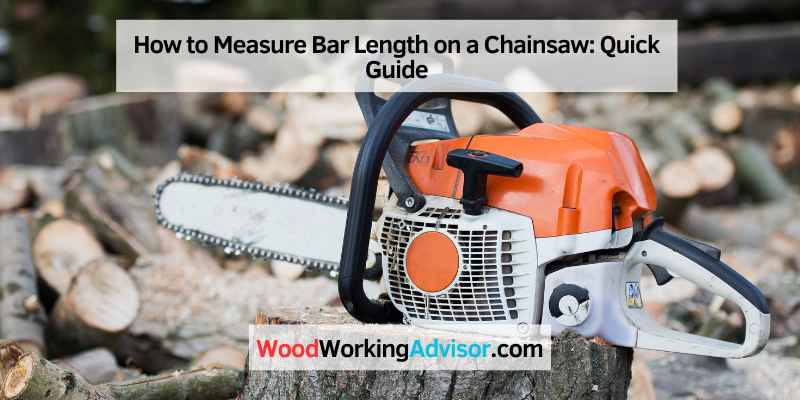
How to Measure Bar Length on a Chainsaw: Quick Guide
To measure the bar length on a chainsaw, first, locate the measurement stamped on the side of the chainsaw bar. Then, use a measuring tape or ruler to measure from the front of the chainsaw to the point where the bar exits the chainsaw body.
This will give you the accurate measurement of the chainsaw bar length. Chainsaws are powerful tools that can make heavy-duty tasks like cutting trees and logs a breeze. However, it’s crucial to know how to properly measure the bar length of your chainsaw to ensure it’s safe and efficient to use.
A chainsaw’s bar length is the distance between the front of the chainsaw and the point where the bar exits the chainsaw body. We’ll discuss the steps on how to measure bar length on a chainsaw accurately. So, keep reading to learn more!
Introduction To Chainsaw Bar Length
Discovering the correct chainsaw bar length is essential for effective cutting. To measure, start from the tip to where the bar enters the saw. This ensures optimal performance and safety during operation.
As a chainsaw user, it is important to understand the bar length of your chainsaw. The bar length is the measurement of the cutting length of the chainsaw blade. Knowing the correct bar length of your chainsaw is crucial for safety and efficiency purposes. In this article, we will discuss the importance of accurate measurement and common misconceptions related to chainsaw bar length.
Importance of Accurate Measurement
The accurate measurement of chainsaw bar length is crucial for safety. Using a bar length that is too long or too short can lead to serious accidents. A bar length that is too long can cause kickback, which is when the chainsaw suddenly jerks back towards the user. On the other hand, a bar length that is too short can cause the chainsaw to become unstable and difficult to control. Accurate measurement of the bar length ensures that the chainsaw is balanced and easy to control, reducing the risk of accidents.
Common Misconceptions
One common misconception is that the length of the chainsaw blade is the same as the bar length. However, the chainsaw blade is actually longer than the bar length, as it extends beyond the bar to the tip of the cutting chain. Another misconception is that the bar length is measured from the tip of the chainsaw blade to the chainsaw body. In reality, the bar length is measured from the tip of the chainsaw blade to the point where it enters the chainsaw body. It is important to have a clear understanding of the correct measurement of bar length in order to use your chainsaw safely and efficiently.
Conclusion
In conclusion, accurate measurement of chainsaw bar length is crucial for safety and efficiency. It is important to understand the correct measurement of bar length and avoid common misconceptions. By following these guidelines, you can ensure that your chainsaw is balanced and easy to control, reducing the risk of accidents.
Essential Tools For Measuring
When it comes to measuring the bar length on your chainsaw, having the right tools is essential. Accurate measurements ensure that you choose the correct replacement bar for your chainsaw, allowing for optimal performance and safety. Here are three essential tools that you can use to measure the bar length on your chainsaw.
Tape Measure
A tape measure is a versatile tool that can be used for a variety of measurement purposes, including measuring the bar length on a chainsaw. To use a tape measure, simply extend the tape and align it with one end of the chainsaw bar. Then, extend the tape until it reaches the other end of the bar, taking note of the measurement. Tape measures are available in various lengths, making them suitable for chainsaws of different sizes.
Ruler Or Yardstick
A ruler or yardstick is another handy tool for measuring the bar length on a chainsaw. These tools provide a straight edge and precise measurements, allowing for accurate results. To measure the bar length, place the ruler or yardstick along the top of the chainsaw bar, ensuring it extends from one end to the other. Take note of the measurement where the bar ends, and you’ll have the accurate bar length.
Chainsaw Measurement Tool
If you want a specialized tool designed specifically for measuring chainsaw bar length, a chainsaw measurement tool is the way to go. These tools are easy to use and provide precise measurements without the need for guesswork. Simply place the tool against the bar, ensuring it covers the entire length, and read the measurement indicated on the tool. Chainsaw measurement tools often have markings for different bar lengths, making it quick and easy to determine the size you need.
Safety Precautions Before Measuring
Before you begin measuring the bar length on your chainsaw, it is crucial to prioritize safety. Following the necessary precautions will help prevent accidents and ensure a smooth and secure measurement process. Here are some essential safety steps to take:
Proper Attire And Gear
Wearing the right attire and using the appropriate gear is essential for your safety while handling a chainsaw. Make sure to wear:
- Protective goggles or safety glasses to shield your eyes from debris
- A hard hat or helmet to protect your head
- Ear protection such as earmuffs or earplugs to minimize noise exposure
- Heavy-duty gloves to safeguard your hands
- Steel-toed boots or sturdy footwear to protect your feet
- Durable, non-loose clothing that covers your arms and legs
Securing The Chainsaw
Before measuring the bar length, it is crucial to secure the chainsaw properly. This ensures stability and reduces the risk of accidental starts or slips. Follow these steps to secure your chainsaw:
- Place the chainsaw on a flat, stable surface
- Engage the chain brake to prevent the chain from moving
- Ensure the chainsaw is turned off and the engine is completely cooled down
- Hold the front handle firmly with one hand and the rear handle with the other
- Keep a safe distance from any objects or obstacles that may interfere with the measurement process
Disabling The Chainsaw
Disabling the chainsaw is an essential step to avoid any accidental starts while measuring the bar length. Follow these guidelines to disable your chainsaw:
- Ensure the chainsaw is turned off and the engine is cooled down
- Disconnect the spark plug wire to prevent ignition
- Remove the spark plug and ground it against the metal surface of the chainsaw
- Inspect the spark plug wire for any signs of damage or wear
- Only proceed with measuring the bar length when you are confident that the chainsaw is completely disabled
By following these safety precautions, you can proceed with measuring the bar length on your chainsaw with confidence and peace of mind. Remember, safety should always be your top priority when handling any power tool.
Step-by-step Measurement Process
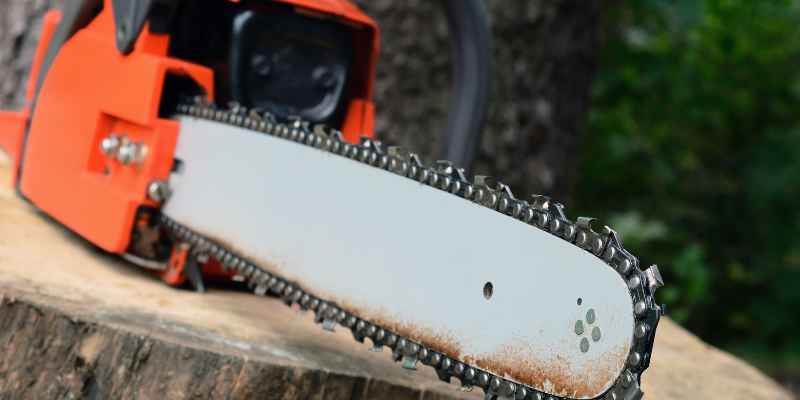
When it comes to using a chainsaw, it’s crucial to ensure that the bar length is measured accurately. The bar length of a chainsaw refers to the distance from the front tip to the point where the chain enters the housing. This step-by-step guide will walk you through the process of measuring the bar length on a chainsaw, ensuring that you can do so with precision and ease.
Cleaning The Bar
Before taking any measurements, it’s important to ensure that the chainsaw bar is clean and free from any debris or sawdust. Use a clean cloth or brush to remove any dirt or obstructions that may affect the accuracy of the measurement.
Identifying The Starting Point
The starting point for measuring the bar length is the point where the bar emerges from the chainsaw’s housing. This is typically located at the base of the chainsaw near the engine housing. Ensure that the chainsaw is turned off and the chain brake is engaged before proceeding with the measurement.
Measuring To The Cutting Tip
Using a measuring tape or ruler, carefully extend it along the top of the chainsaw bar to the cutting tip. Make sure to follow the curvature of the bar to get an accurate measurement. Take note of the measurement in inches or centimeters, which represents the bar length of your chainsaw.
Understanding Bar Length Specifications
When it comes to using a chainsaw effectively and safely, understanding bar length specifications is crucial. The bar length refers to the cutting length of the chainsaw blade, which determines the size of the material you can cut. To ensure you choose the right chainsaw for your needs and operate it correctly, it’s essential to understand the difference between true length and cutting length, as well as how to interpret manufacturer codes.
True Length Vs. Cutting Length
The true length of a chainsaw bar refers to the actual length of the bar from the tip to the point where it enters the chainsaw’s housing. On the other hand, the cutting length is the usable part of the bar, which is shorter than the true length due to the presence of the chainsaw chain and the safety features built into the bar.
It’s important to note that the cutting length is the measurement that matters when it comes to determining the size of the material you can cut. For example, if you have a 16-inch bar, the cutting length will typically be around 14-15 inches, depending on the specific chainsaw model.
Interpreting Manufacturer Codes
Manufacturers often use codes to indicate the bar length of a chainsaw. These codes can vary, but they generally follow a similar pattern. For instance, a code like “18 in.” or “18” indicates an 18-inch bar length.
However, it’s essential to be aware that some manufacturers use different codes or abbreviations. For example, “16B” may refer to a 16-inch bar length, while “14L” might indicate a 14-inch cutting length. To ensure you select the right chainsaw for your needs, it’s crucial to refer to the manufacturer’s specifications or consult with a professional.
By understanding the difference between true length and cutting length, as well as how to interpret manufacturer codes, you’ll be equipped with the knowledge to choose the right chainsaw for your specific cutting requirements. Remember to always refer to the manufacturer’s specifications and seek professional advice when in doubt.
Recording And Using Measurements
When it comes to using a chainsaw, recording and using measurements is crucial for maintaining and replacing the bar and chain. Properly measuring the bar length ensures that you select the correct replacement parts and maintain the chainsaw’s performance. In this section, we will explore the importance of keeping a log, as well as the process of selecting replacement bars or chains based on the recorded measurements.
Keeping A Log
Maintaining a log of your chainsaw’s bar length measurements is essential for tracking the wear and tear of the bar and chain. By documenting the measurements over time, you can anticipate when replacement parts will be needed. This proactive approach helps prevent unexpected downtime and ensures that your chainsaw operates at optimal performance.
Selecting Replacement Bars Or Chains
Using accurate measurements, you can confidently select replacement bars or chains that are compatible with your chainsaw. By comparing the recorded measurements to the specifications provided by the manufacturer, you can ensure a precise fit. This approach eliminates the risk of purchasing incorrect parts and saves time by avoiding the need for returns or exchanges.
Troubleshooting Common Issues
Easily troubleshoot common issues with measuring the bar length on your chainsaw. Use a measuring tape to determine the length from the tip of the chain to where it enters the chainsaw’s casing. Ensure accurate measurements for optimal chainsaw performance.
Inaccurate Measurements
Check for proper alignment of the bar with the chainsaw body.
Ensure the bar is securely attached to the chainsaw.
Wear And Tear Implications
Inspect the bar for any visible signs of damage.
Look for worn-out or damaged chain links.
Maintaining Chainsaw Bar Health
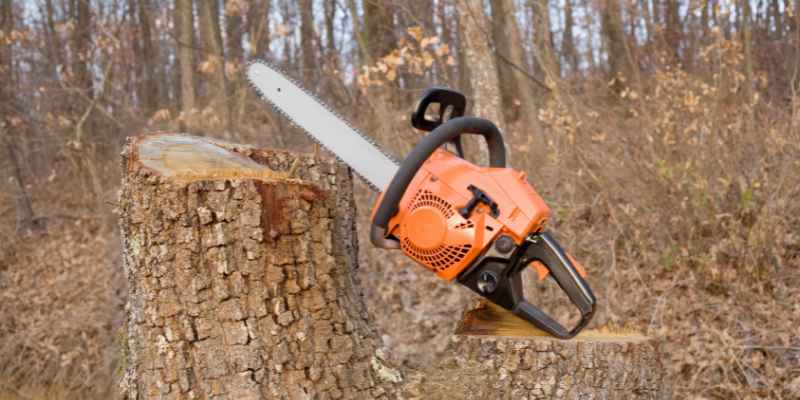
When it comes to maintaining chainsaw bar health, it’s crucial to pay attention to the length of the bar. By keeping the bar at the right size, you can ensure optimal performance and safety while using your chainsaw.
Regular Cleaning
Regularly clean the bar to prevent debris buildup that can affect measurements.
Periodic Measurements
Measure the bar length every few months to ensure it’s within the manufacturer’s specifications.
When To Seek Professional Help
If you notice significant changes in bar length or performance, it’s time to consult a professional.
Conclusion: Ensuring Precision And Safety
Ensuring precision and safety is crucial when measuring bar length on a chainsaw. By following these guidelines, you can accurately determine the length without compromising the integrity of the tool. Taking the necessary precautions will contribute to a safer and more effective chainsaw operation.
Review Of Key Takeaways
To correctly measure bar length on a chainsaw, follow these steps:
– Measure from the tip of the bar to where it enters the chainsaw body.
– Use a tape measure for accuracy.
– Check the specifications in the owner’s manual for guidance.
Final Tips For Chainsaw Maintenance
In conclusion, ensuring precision and safety when measuring bar length on a chainsaw is crucial for optimal performance and user safety. Accurate measurement helps prevent kickback and ensures the proper functioning of the chainsaw. Regular maintenance and monitoring of the bar length are essential for safe and efficient operation. Remember to follow the manufacturer’s guidelines and consult the owner’s manual for specific instructions on measuring and maintaining your chainsaw’s bar length.
Frequently Asked Questions
How Can I Measure The Bar Length Of My Chainsaw?
To measure the bar length, start from the tip to where it enters the chainsaw housing. Round down to the nearest inch for accuracy.
Why Is It Important To Measure The Bar Length Of A Chainsaw?
Correct bar length ensures safe and efficient cutting. Using the wrong size can affect performance and safety.
What Are The Common Bar Lengths For Chainsaws?
Common bar lengths range from 10 to 20 inches, with variations based on the chainsaw’s power and intended use.
Conclusion
Measuring the bar length on a chainsaw is crucial for ensuring optimal performance and safety. By following the simple steps outlined in this guide, you can accurately determine the correct bar length for your chainsaw. Remember to prioritize safety and precision when working with your chainsaw to achieve the best results.