How to Plant Black Walnut Trees from Seeds: Expert Tips
Are you ready to transform your garden with the majestic beauty of black walnut trees? Imagine the satisfaction of watching these stunning trees grow from mere seeds into towering giants, providing shade, beauty, and even delicious nuts.
Planting black walnut trees from seeds with husks might seem daunting, but with the right guidance, it’s simpler than you think. This introduction will guide you through the rewarding process of nurturing these trees right from the start. Discover the secrets to successful planting and ensure your trees thrive for years to come.
Are you curious about how to make this green dream a reality? Keep reading to uncover the steps that will turn your garden into a lush paradise.
Choosing The Right Seeds
Healthy seeds are important for strong trees. Look for seeds with smooth husks. Avoid seeds that look damaged. Good seeds should feel heavy. Light seeds might not grow well. Size matters too. Bigger seeds often grow better. Inspect seeds carefully. Check for holes or spots. Keep seeds cool until planting. Warmth might ruin them.
Local nurseries have seeds sometimes. Ask experts for help. They know good places to find seeds. Online stores sell seeds too. Read reviews before buying. Make sure seeds are fresh. Friends and family might have seeds. Share seeds and stories. Nature walks are fun. Sometimes you find seeds there. Keep seeds safe until you plant them.

Credit: www.youtube.com
Preparing The Seeds
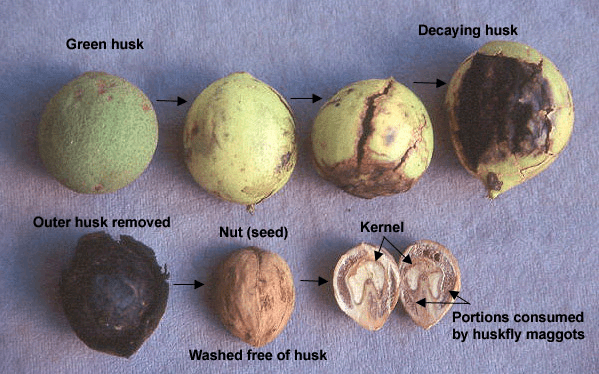
Remove the husk from the black walnut seeds. Wear gloves to protect your hands. The husks can stain your skin. Rinse the seeds in a bucket of water. This helps to clean off the sticky residue. Spread the seeds on a tray. Let them dry in a cool, shaded place. Drying usually takes a few days. Make sure they are not wet before the next step.
Stratification helps seeds germinate better. Place the seeds in a plastic bag. Add some moist sand or peat moss. Close the bag and put it in the fridge. Keep them there for about 90 days. Check them every few weeks. Ensure the sand stays moist. This process mimics winter conditions. It prepares the seeds for planting.
Selecting The Planting Site
Black walnut trees love rich and well-drained soil. Soil should be deep. It helps roots grow strong. Avoid sandy or rocky soil. Such soil is hard for roots. Check the pH. It should be between 6.0 and 7.5. Neutral to slightly acidic soil is best. Organic matter is important. Mix compost into the soil. It gives nutrients to the seeds. Soil should be moist but not wet. Overwatering can harm seeds. Let the soil dry a little between waterings.
Black walnut trees need lots of sunlight. Six hours a day is ideal. Look for a sunny spot. Shade can slow growth. Direct sunlight helps the tree grow tall. Avoid planting near big trees. Big trees block the sun. Choose open spaces. Spaces with full sun all day. More sunlight means strong, healthy trees.

Credit: www.youtube.com
Planting Techniques
Planting black walnut trees from seeds involves soaking the husks in water for 24 hours. Bury seeds in soil about two inches deep, ensuring they receive ample sunlight. Water regularly to maintain moisture, encouraging healthy growth.
Digging The Planting Hole
Choose a sunny spot with good soil. Black walnut trees need room to grow. Dig a hole twice as wide as the seed. Depth should match the seed’s size. Space each hole at least 30 feet apart. Avoid crowded areas. Each tree needs space to spread. Check soil quality before planting. Add compost if soil is poor. Water the hole to keep it moist. This helps the seed to sprout. Make sure the hole is not too deep. Seed should be covered by soil, but not buried too deep.
Spacing Considerations
Black walnut trees grow big. Space them far apart. At least 30 feet between each tree. This gives each tree enough light. Roots need space to spread. Crowded roots can harm growth. Healthy trees need room to breathe. Wide spacing helps air circulation. Plan the area before planting. Consider how big the trees will get. Space ensures healthy growth and strong roots. Make sure there’s room for all trees to thrive.
Caring For Young Trees
Planting black walnut trees from seeds with husks requires simple steps. First, collect fresh seeds with their husks intact. Then, soak them in water for a day before planting in fertile soil. Ensure they receive plenty of sunlight and water regularly for healthy growth.
Watering Guidelines
Young trees need water to grow strong. Water them once a week if it does not rain. Use a garden hose to make the soil wet. Do not make it muddy. Water the soil around the tree. Keep water away from the leaves. Too much water can hurt the tree. Check the soil with your finger. If it feels dry, give the tree more water.
Nutrient Needs
Black walnut trees need nutrients to grow. Use compost to feed the soil. Spread compost on the ground twice a year. This gives the tree important nutrients. Do not use chemical fertilizers. They can harm the tree. Watch the tree leaves. Yellow leaves mean the tree needs more nutrients. Healthy leaves are green.
Managing Pests And Diseases
Planting black walnut trees from seeds with husks requires careful attention to pest and disease management. Regularly inspect seedlings for signs of damage or disease. Employ natural methods like companion planting to deter pests effectively.
Common Threats
Black walnut trees face several pests and diseases. Walnut caterpillars eat the leaves. Aphids suck the sap. Twig beetles can harm the tree. Walnut anthracnose causes leaf spots. Root rot affects the roots. These threats can harm the tree’s health.
Preventative Measures
Regular inspection is key. Look for signs of pests or disease. Remove affected parts quickly. Prune dead or infected branches. This helps the tree stay healthy. Use natural predators like ladybugs to control pests. Apply organic insecticides if needed. Keep the area clean. Remove fallen leaves and debris. This reduces disease spread.
Monitoring Growth
Black walnut trees should have strong, green leaves. Sturdy stems are important. Look for new shoots on branches. These signs show healthy growth. Leaves should not be brown or wilted. Strong roots help the tree stay firm. Healthy trees grow taller each year. Watch for pests and diseases. They can affect growth.
If leaves are yellow, check soil nutrients. Yellow leaves mean poor nutrition. Dry leaves show lack of water. Water the tree regularly. Fungal spots may appear on leaves. Use a mild fungicide to treat them. If the tree isn’t growing, check sunlight. Black walnut trees need sunlight to thrive. Too much shade can stunt growth. Look for insects on the tree. Remove them to keep the tree healthy.

Credit: growitbuildit.com
Frequently Asked Questions
How Do You Prepare Black Walnut Seeds?
To prepare black walnut seeds, first remove the husks carefully. Next, clean the seeds thoroughly to eliminate any debris. After cleaning, stratify the seeds by storing them in a moist, cold environment for several months. This process mimics natural winter conditions, enhancing germination success.
When Is The Best Time To Plant?
The best time to plant black walnut seeds is in the fall. Planting in autumn allows seeds to undergo natural cold stratification. This boosts germination in spring. Ensure soil is well-drained and rich in nutrients for optimal growth.
How Deep Should Seeds Be Planted?
Plant black walnut seeds about 2 inches deep in the soil. This depth protects seeds from wildlife and harsh weather. Cover them lightly with soil to ensure adequate moisture retention. Proper planting depth is crucial for successful germination.
Do Black Walnut Trees Need Special Soil?
Yes, black walnut trees thrive in well-drained, fertile soil. They prefer slightly acidic to neutral pH levels. Ensure the planting area is free from standing water and rich in organic matter. Good soil promotes healthy root development and tree growth.
Conclusion
Planting black walnut trees from seeds with husks can be rewarding. They enrich your garden and offer shade and beauty. Start by selecting healthy seeds with intact husks. Soak them to soften the husks for easier planting. Use well-draining soil and plant them in a sunny spot.
Regular watering ensures strong growth. Watch them grow into majestic trees over time. Enjoy the process and the results. Patience is key; growth takes time. Your effort will create a lasting legacy in your garden. Happy planting!