How to Grow Black Walnut Trees: Seed to Harvest, Zones 4-9
Black walnut trees (Juglans nigra) grow from cold-stratified seed in full sun and deep, well-drained soil, hardy in USDA zones 4-9. With good care, trees start producing nuts in 4-7 years, but poor drainage can stunt them for good. This guide covers site selection, seed stratification, planting depth, and harvesting.
Introduction To Black Walnut Cultivation
Best Black Walnut Seedling Pick
Black Walnut Tree Seedlings, 5-Pack Bare Root – $26.99
Live Juglans nigra bare-root saplings that skip the multi-week cold stratification step this guide walks through — already past the seed stage and ready for the ground.
- Best for: Starting several trees at once in USDA zones 4-9
- Why we picked it: Ships dormant as bare-root stock, the easiest way to skip germination and start straight at the planting step
- Main drawback: Bare-root stock needs planting soon after arrival, so time delivery with your planting window
Compare more black walnut growing supplies
 Option 1 Black Walnut Stratified Seedling – $13.99
|
 Option 2 SONKIR Soil pH Meter 3-in-1 – $8.99
|
 Option 3 Espoma Organic Bio-Tone Starter Plus – $24.99
|
As an Amazon Associate we earn from qualifying purchases.
Black walnut cultivation is a rewarding endeavor that requires careful attention to detail. From collecting seeds to stratification and planting, this step-by-step guide will help you grow your own black walnut tree from seed. With the right techniques and proper care, you can enjoy the benefits of this native North American tree.
The Allure Of Black Walnuts
Black walnuts, with their rich flavor and unique nutritional properties, have become increasingly popular among home gardeners and farmers alike. These delicious nuts are not only a tasty treat but also offer a range of health benefits. Whether you are interested in cultivating black walnuts for personal consumption or as a potential source of income, understanding the basics of black walnut cultivation is essential.
Native Habitats And Their Importance
Black walnuts, scientifically known as Juglans nigra, are native to North America. They thrive in riparian zones and can be found in various regions, from southern Ontario to central Texas. Understanding their native habitats is crucial for successful cultivation. By replicating the ideal growing conditions, you can ensure the health and productivity of your black walnut trees.
Ensuring Success In Black Walnut Cultivation
To successfully grow black walnuts, several factors should be considered. These include proper site selection, soil preparation, seed collection, and germination techniques. Here are some key points to keep in mind:
- Site selection: Choose a location with well-draining soil and adequate sunlight. Black walnut trees prefer moist, fertile soil but can tolerate a wide range of conditions.
- Soil preparation: Black walnuts thrive in slightly acidic soil with a pH level between 6 and 7. Amend the soil with organic matter, such as compost, to improve its fertility and drainage.
- Seed collection: Collect mature black walnut seeds from healthy trees during the autumn season. Look for intact nuts with a hard outer shell and remove any debris or husks.
- Germination techniques: Black walnut seeds require stratification, a process that mimics the natural winter dormancy period. Place the seeds in a moist mixture of sand and peat moss and store them in a cool location for several months.
- Planting and care: Once the seeds have undergone stratification, plant them in prepared soil at a depth of 2-3 inches. Water regularly and provide protection from pests and diseases.
By following these guidelines and regularly monitoring the health of your black walnut trees, you can ensure a successful cultivation journey. Remember, patience is key, as it can take several years for black walnut trees to reach maturity and bear fruit.
Choosing The Right Location
Choosing the right location is crucial for growing black walnuts. Consider factors like soil quality, drainage, and sunlight exposure to ensure optimal growth. With the proper conditions, you can cultivate healthy black walnut trees and enjoy their benefits.
Growing black walnuts requires careful consideration of the location where you plan to plant them. The right conditions will ensure optimal growth and a bountiful harvest. Here are some important factors to keep in mind:
Soil Requirements For Optimal Growth
The soil is a crucial element for the successful growth of black walnut trees. These trees thrive in deep, well-drained soils with a pH level between 6 and 7.5. They prefer loamy soils that are rich in organic matter. It is important to note that black walnut trees are sensitive to juglone, a chemical compound released by their roots, which can inhibit the growth of certain plants. Therefore, it is recommended to avoid planting black walnuts near susceptible plants, such as tomatoes, peppers, potatoes, and blueberries.
Climate Considerations
Black walnut trees are native to North America and are well-adapted to a variety of climates. However, they prefer temperate regions with distinct seasons. They are hardy in USDA zones 4 to 9. These trees require a chilling period during winter to break dormancy and promote healthy growth — typically a set number of hours spent below about 45°F (7°C), known as “chill hours.” Areas with unusually mild winters may not accumulate enough chill hours, which can suppress flowering and nut set the following season. They also need a long growing season, preferably with warm summers, to produce an abundant crop. If you live in an area with harsh winters or hot, dry summers, you may need to take extra precautions to protect and care for your black walnut trees.
When choosing the right location for your black walnut trees, it is essential to consider both the soil requirements and the climate considerations. By providing the ideal conditions, you can ensure the healthy growth and productivity of your black walnut trees.
Starting From The Seed
Growing black walnuts from seeds is a rewarding and cost-effective way to establish these magnificent trees on your property. By starting from the seed, you have the opportunity to witness the entire lifecycle of the tree, from germination to maturity.
Collecting And Preparing Black Walnut Seeds
When collecting black walnut seeds, it’s essential to gather them from healthy, mature trees. Look for fallen nuts with intact hulls, typically found in late fall. To prepare the seeds, remove the outer husk and wash them thoroughly to eliminate any remaining debris.
Stratification Process Explained
Stratification is a crucial step in the germination process for black walnut seeds. This process mimics the natural conditions that the seeds would experience if they fell to the ground and overwintered before sprouting. To stratify the seeds, place them in a moist mixture of sand and peat moss, then store them in a cool location for a specific period.
Planting And Germination
When it comes to growing black walnuts, planting and germination are crucial stages that require attention to detail. Below, we’ll cover the essential steps for sowing your seeds and caring for germinating seeds to ensure a successful outcome.
Sowing Your Seeds
Start by collecting ripe black walnuts in the fall, making sure to remove the outer husk to reveal the hard shell inside. Once you have the seeds, it’s important to stratify them to mimic natural winter conditions. This can be achieved by placing the seeds in a moist mixture of sand and peat moss, then storing them in a cool location for a few months.
Caring For Germinating Seeds
After stratification, you can expect the seeds to start germinating. At this stage, it’s crucial to plant the seeds in well-draining soil and keep them consistently moist. You can also opt for indoor stratification to monitor the germination process closely. As the seeds sprout, ensure they receive adequate sunlight and protection from harsh weather conditions.
Caring For Young Black Walnut Trees
Caring for young black walnut trees involves providing ample sunlight, well-drained soil, and regular watering to promote healthy growth. Protecting the trees from competing vegetation and potential damage from wildlife is also essential. Additionally, applying a layer of mulch around the base of the trees can help retain moisture and suppress weed growth.
Watering And Fertilization
When it comes to caring for young black walnut trees, proper watering and fertilization are crucial. Black walnut trees need deep watering once a week, especially during the first growing season. You can use a soaker hose or drip irrigation to ensure the water is delivered deeply into the soil. Fertilize the young trees in the spring with a balanced fertilizer, and then again in the fall with a fertilizer that is high in potassium. Avoid using nitrogen fertilizers as they can promote excessive vegetative growth and reduce nut production.
Weed And Pest Management
Weed and pest management is essential for the survival and growth of young black walnut trees. Keep the area around the trees weed-free to minimize competition for nutrients and water. Mulching can help to prevent weed growth and conserve moisture. Pests such as walnut caterpillars, webworms, and borers can cause damage to young trees. Regular monitoring and prompt action can help to prevent pest infestations from becoming severe. Consider using organic pest control methods such as neem oil or insecticidal soap if necessary.
Caring for young black walnut trees requires attention to detail and consistent maintenance. By providing adequate watering and fertilization, and managing weeds and pests, you can ensure the health and vitality of your young trees. With proper care, your black walnut trees will grow into strong and productive members of your landscape.
Pollination Needs
Black walnuts are monoecious — each tree has both male and female flowers — but they’re wind-pollinated and typically self-incompatible, meaning a single isolated tree often sets few or no nuts even once it’s old enough to bear. Planting two or more black walnut trees of compatible varieties within pollination range noticeably improves nut set compared to a lone tree.
Pruning And Maintenance
Pruning and maintenance are essential for growing healthy black walnut trees. By regularly pruning dead or damaged branches and conducting proper maintenance, you can promote optimal growth and ensure a bountiful harvest. Taking care of your black walnut trees will contribute to their overall health and productivity.
When And How To Prune
Pruning is an essential part of the maintenance of black walnut trees. It helps to shape the tree, remove diseased or damaged branches, and improve overall health. Pruning should be done during the dormant season, typically in late winter or early spring before new growth begins. It is recommended to prune no more than 25% of the tree’s canopy at a time to avoid shock. When pruning, be sure to use clean, sharp tools and make clean cuts just outside the branch collar. Avoid leaving stubs or ragged cuts, as these can lead to disease and insect infestation.
Monitoring Tree Health
Regularly monitoring the health of your black walnut tree is crucial to ensuring its long-term success. Look for signs of disease or insect damage, such as wilting leaves, discoloration, or holes in the bark. If you notice any issues, take action immediately to prevent further damage. It is also important to ensure that the tree is receiving adequate water and nutrients. Consider fertilizing the tree with a balanced fertilizer in the spring and summer months.
Ensuring Proper Maintenance
In addition to pruning and monitoring tree health, there are other maintenance tasks that should be performed to ensure the tree’s success. These include:
- Regularly removing any weeds or grass from around the base of the tree to prevent competition for water and nutrients.
- Mulching around the base of the tree to help retain moisture and regulate temperature.
- Protecting the trunk from damage caused by lawn equipment or animals by wrapping it with tree wrap or fencing.
- Pruning any suckers or shoots that emerge from the base of the tree to prevent them from competing with the main trunk.
By following these pruning and maintenance tips, you can help ensure the health and longevity of your black walnut tree.
Harvesting Black Walnuts
Harvesting black walnuts is a crucial step in the process of growing these valuable trees, and not every tree produces nuts every year. Identifying the right time for harvest and employing effective techniques are essential for obtaining high-quality nuts.
Identifying Maturity For Harvest
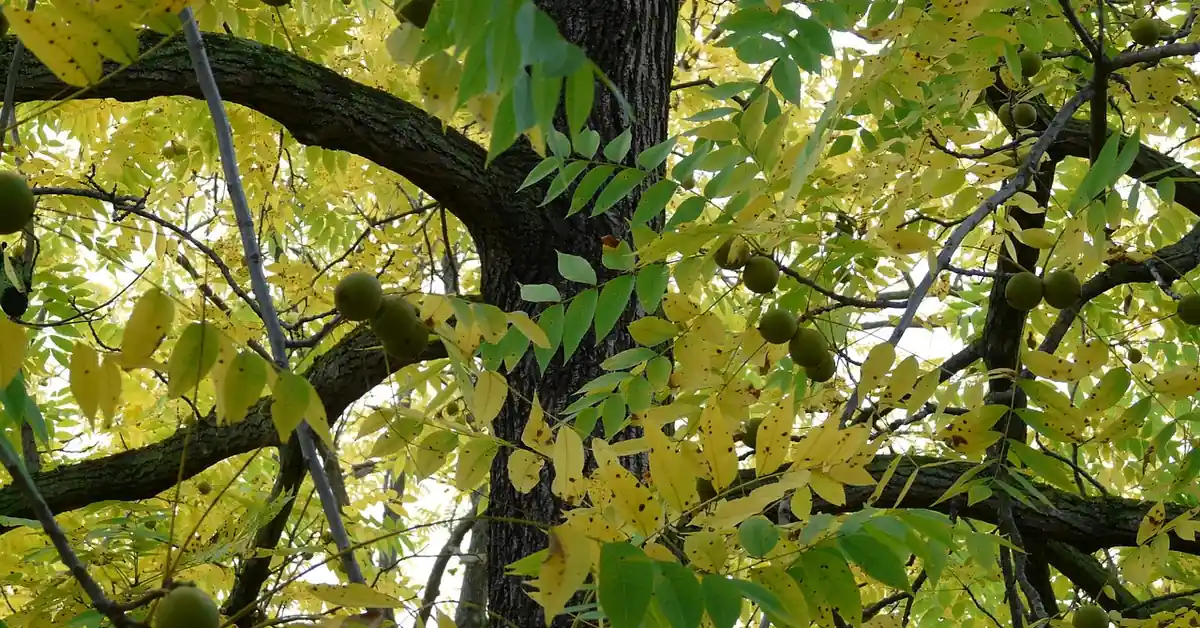
When determining the maturity of black walnuts for harvest, look for signs such as a change in color from green to yellow or brown, and a noticeable odor. Additionally, the hull should feel slightly soft when pressed with your thumb. These indicators signify that the nuts are ready for harvesting.
Harvesting Techniques
When harvesting black walnuts, it’s important to wear gloves to protect your hands from the husk’s staining properties. Begin by gathering the fallen nuts, then remove the outer husks using a husking tool or by placing the nuts in a high-traffic area to be driven over by vehicles. After husking, wash the nuts thoroughly and allow them to dry in a well-ventilated area for a few weeks.
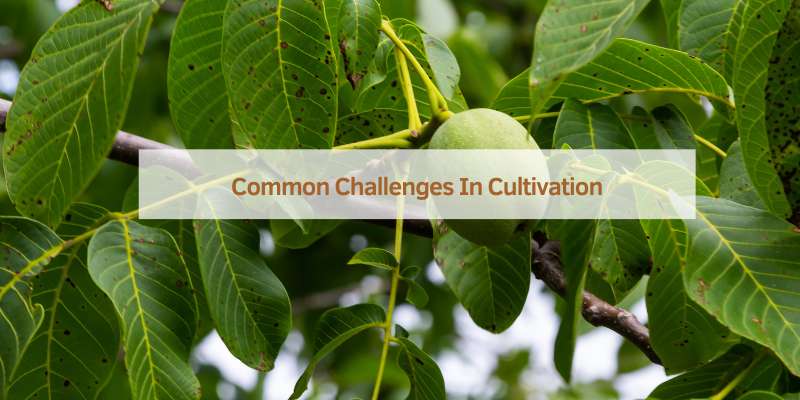
Common Challenges In Cultivation
Growing black walnuts can be a rewarding endeavor, but it comes with its own set of challenges. Here are some common obstacles that you may encounter when cultivating black walnut trees.
Dealing With Diseases
Black walnut trees are susceptible to various diseases, including Thousand Cankers Disease and Bacterial Blight. These can cause significant damage to the trees and impact their overall health and productivity. Implementing proper disease management strategies is crucial to protect your black walnut trees.
Managing Pests
Several pests pose a threat to black walnut trees, such as the walnut caterpillar, walnut husk fly, and walnut lace bug. These pests can cause defoliation, damage the nuts, and weaken the trees. Effective pest management practices are essential to safeguard the health and yield of black walnut trees.
Soil And Nutrient Issues
The growth and development of black walnut trees can be hindered by soil and nutrient deficiencies. Poor soil drainage, inadequate nutrient levels, and imbalanced pH levels can negatively impact the overall health and productivity of the trees. Ensuring proper soil management and adequate nutrient supplementation is crucial for successful black walnut cultivation.
Frequently Asked Questions
How Long Does It Take To Grow A Black Walnut Tree?
It typically takes around 10-15 years for a black walnut tree to reach maturity and start producing nuts. Growing a black walnut tree from seed involves several steps, including seed collection, stratification, and planting. It’s important to note that land under cultivation is the easiest to convert to black walnut production.
Black walnuts can be grown from seed and are not difficult to grow.
Are Black Walnut Trees Hard To Grow?
Black walnut trees can be challenging to grow from seed. The process involves collecting the seeds, stratification, and careful planting. However, with proper care and attention, they can grow into beautiful trees. Land under cultivation is the easiest to convert to black walnut production since perennial weeds usually will not be present.
Where Do Black Walnut Trees Grow Best?
Black walnut trees grow best in riparian zones, from southern Ontario to central Texas in the United States. They thrive in areas with moist soil and plenty of sunlight. They can be grown from seeds, but it is recommended to purchase a tree or get a seedling from a local gardener for best results.
Can You Grow A Black Walnut From A Nut?
Yes, you can grow a black walnut tree from a nut by following specific steps.
Can I Plant A Black Walnut Tree In A Small Backyard?
Most black walnut trees grow very large, with roots and canopy that need a lot of room, so a small backyard usually isn’t suitable for a standard tree. Check the mature spread of the specific variety before planting, and keep it well clear of structures, power lines, and any garden beds planted with juglone-sensitive species like tomatoes or blueberries.
Conclusion
Growing black walnuts can be a rewarding and fulfilling experience. By following the step-by-step process of seed collection, stratification, and planting, you can successfully grow your own black walnut tree. With the right care and maintenance, you can enjoy the benefits of this beautiful and valuable tree.
Whether you’re interested in nut production or simply adding a unique tree to your landscape, black walnuts are a great choice. Start your black walnut growing journey today and enjoy the beauty and rewards it brings.
Sponsored / affiliate links. As an Amazon Associate I earn from qualifying purchases. I may earn additional commission from eligible campaigns.