Corn Cob vs Walnut Shell Media: Hardness, Uses, Allergy Risk
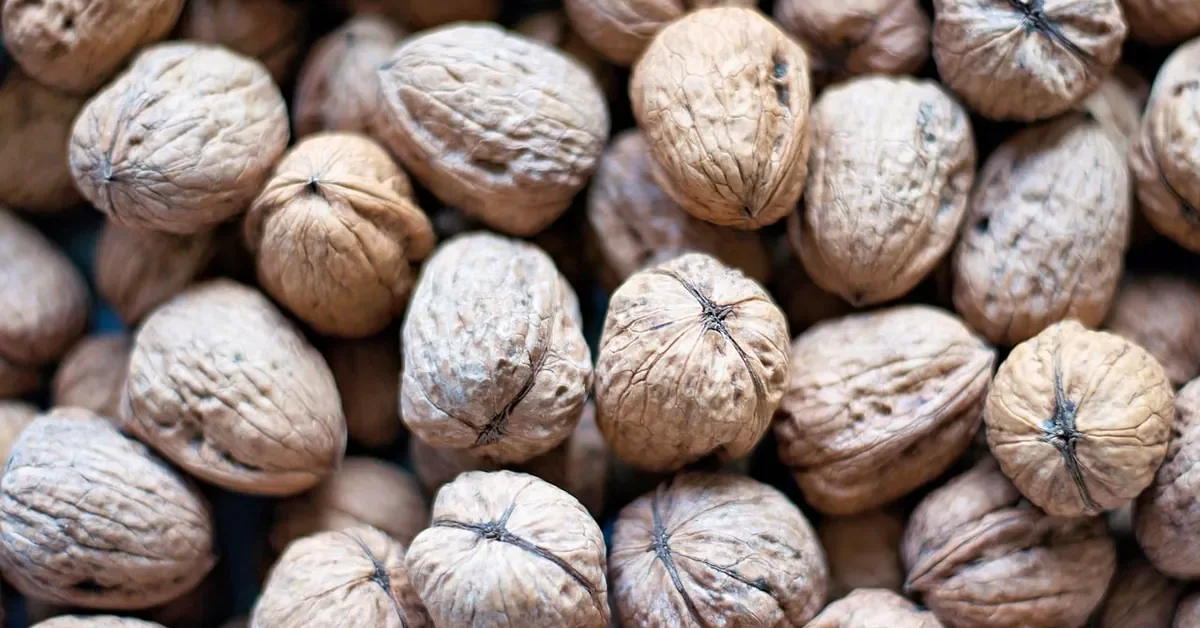
Corn cob media is the softer, absorbent, cheaper choice; walnut shell is the harder, more angular choice that cuts grime and tarnish faster. Both are ground agricultural shells, but walnut is a tree-nut product with a real allergy risk. This guide covers hardness, which jobs suit each media on shop hardware and finished parts, and how to handle the dust.
Corn Cob vs Walnut Shell Media: The Short Answer
Best Walnut Shell Media Pick | |
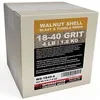 |
Ground Walnut Shell Media, 18-40 Grit, 4 lb A fine-grade, silica-free walnut shell media sold for vibratory tumblers and blasting cabinets, aimed at cleaning metal hardware and other soft materials.
|
As an Amazon Associate we earn from qualifying purchases.
Pick corn cob for gentle cleaning, drying and carrying polish onto soft or already-finished parts. Pick walnut shell when brass, steel or stubborn residue needs real scrubbing action. Neither media is meant for smoothing bare wood; that is still a sanding job.
| Factor | Corn cob media | Walnut shell media |
|---|---|---|
| Hardness | Softer. Vendors quote roughly 2.5 to 4.5 on the Mohs scale | Harder. Vendors commonly quote about 3.5 |
| Particle shape | Rounded, lightweight, absorbent | Sharper, denser, angular |
| Cleaning power | Mild | Moderate; better on tarnish and buildup |
| Best on | Soft metals, finished parts, resin, plastics, polish carrying | Brass, copper and steel hardware, blast cabinet cleaning |
| Allergy angle | Not a tree nut | Tree-nut product; safety data sheets warn of allergic reactions |
| Typical cost | Lower | Higher |
Tumbling Media vs Blasting Media: Same Material, Different Job
Most articles treat these as one thing. They are not. In a tumbler, parts and media ride around a barrel or vibratory bowl together, so the media sets how hard the surface gets scrubbed. In a blast cabinet, the media is fired at the surface with compressed air, so pressure matters as much as the grit. The label on the walnut shell box we picked recommends low pressure of 20 to 60 PSI for soft and sensitive materials, which shows how gentle shell blasting is meant to be compared with sand.
Corn cob has a woodworking use that walnut rarely gets: soft blasting for wood restoration. Suppliers such as Compomat list corn cob for log home restoration, removing old stain and debris without etching the surface. That is a bigger job than a bench tumbler, but it explains why corn cob is the safer default when the target is wood rather than metal.
How Hard Are They? Reading Mohs Numbers Honestly
Mohs is a scratch-hardness scale built for minerals, and the numbers vendors print for organic shells do not agree with each other. We found one supplier listing corn cob grit at 4.5, while other sources describe corn cob at roughly 2.5 to 3.5 and walnut shell at about 3.5. Treat the figures as a rank order, not a spec: walnut is harder and sharper than corn cob, and that shape difference is what shows up on the workbench.
That sharpness is why walnut shell is the usual step up for tarnished brass, as tumbling guides such as Rock Tumbler’s brass media guide explain. It is also why walnut can dull a finished surface that corn cob would leave alone.
Which Media for Which Woodshop Job
Cabinet hardware: brass pulls, hinges and screws
Walnut shell is the better first try for grimy, lightly tarnished brass pulls and steel screws. Run it in a vibratory tumbler, add a metal polish made for tumblers, and check the parts after the first hour rather than assuming a run time. Corn cob with the same polish works too, only slower. Before you tumble anything valuable, remember that tumbling removes the aged patina that antique collectors often want to keep; our guide to caring for antique wood furniture covers when to leave original hardware alone.
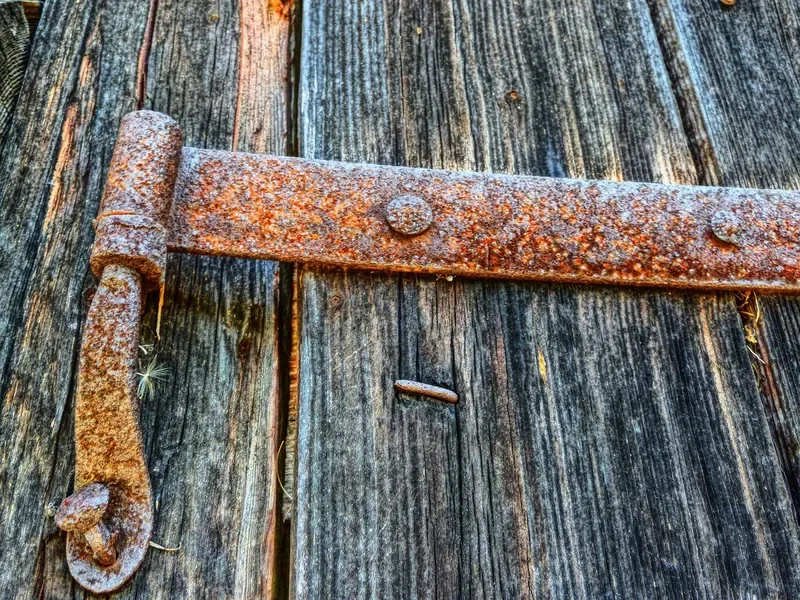
Corrosion this deep is outside what either shell media does well. Soak or wire-brush first, then use media for the final clean and polish. If hardware is stuck with dried adhesive, see how to get glue off metal before it goes in the tumbler.
Small finished wood parts and turned beads
Use fine corn cob only, run dry, and only on fully cured finishes. Walnut shell can scratch a soft finish. One correction to a common claim: media will not dry a tacky oil finish. Drying oils cure by reacting with oxygen over days, so tackiness means the finish is not cured yet, and tumbling it just embeds crumbs in the surface. Let it cure, then use corn cob for a light burnish.
Resin, acrylic and plastic parts
Corn cob is the safer pick because plastics are far softer than metal and walnut can leave fine scratches. Charge fine corn cob with a plastic-safe polish and test one scrap piece first.
Stripping old finish from wood
This is a blasting job, not a tumbling job, and only worth it on large or intricate pieces. Corn cob is the gentler option. If you only have a small chair or table, a chemical or scraping approach is simpler; our wood stain remover guide compares the options.
Nut Allergy and Dust Safety: The Part Most Guides Skip
Walnut shell media is made from a tree nut. Safety data sheets from suppliers state that it may contain walnut proteins known to cause allergic reactions and advise people with known or suspected tree-nut allergies to be aware before use, exposure or inhalation. The label on the walnut shell box we recommend says the same, printing an allergy alert that the media contains walnuts and telling users to wear full PPE because dust is harmful if inhaled.
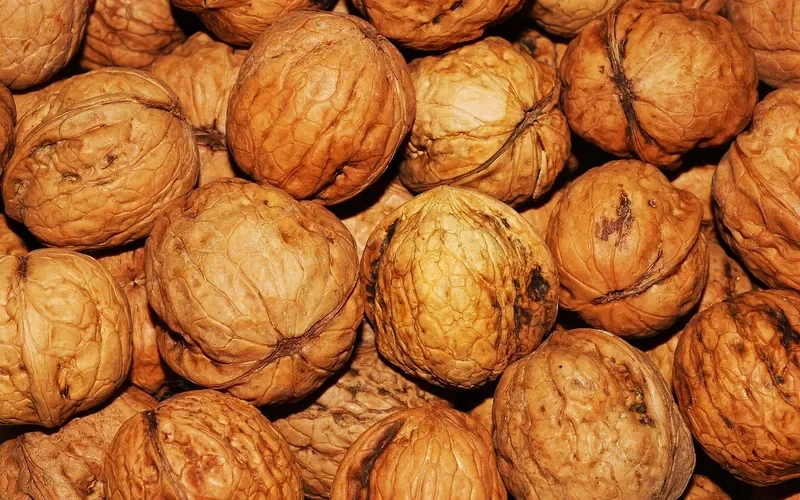
The stakes are not theoretical. Allergic Living reported a case of a man who died of anaphylaxis after exposure to walnuts used in sandblasting. If anyone in your home or shop has a tree-nut allergy, choose corn cob or another non-nut media, and keep walnut media out of shared spaces. This is a separate issue from reactions to walnut wood dust; see whether you can be allergic to walnut wood.
- Respirator, not a paper dust mask: fine media dust irritates the airways whatever it is made of; wear a fitted respirator and eye protection when emptying, sifting or blasting.
- Keep it contained: tumblers with lids and blast cabinets hold dust in; empty them outdoors or near ventilation.
- Check the supplier SDS: read the sheet for the exact product before first use, and keep corn cob and walnut clearly labelled.
- Clean up carefully: vacuum with a filtered shop vac rather than sweeping dust into the air.
Setting Up and Maintaining Your Media
- Match mesh to the part: finer grit gets into small recesses; coarser grit cuts faster but can round crisp edges on small hardware.
- Do not overfill: follow your tumbler manual for fill level; parts need room to move through the media.
- Never mix corn cob and walnut: they wear and settle differently, so the results become uneven.
- Clear off adhesive and burrs first: glue chips and sharp spurs contaminate media and can mark other parts.
- Replace tired media: when it darkens, turns slick or is mostly fines, it polishes worse and can leave marks. Sift fines out to extend life, but do not expect to restore heavily oiled media.
Quick Decision Guide
| Your job | Choose | Why |
|---|---|---|
| Light cleaning of soft or finished parts | Corn cob | Gentle, will not cut a cured finish |
| Tarnished brass or grimy steel hardware | Walnut shell | Sharper, cuts residue faster |
| Resin, acrylic or plastic polishing | Fine corn cob | Softer, less risk of scratching |
| Anyone with a tree-nut allergy nearby | Corn cob | Avoids a nut allergen |
| Stripping finish from a large wood piece | Corn cob blasting | Gentler on wood than harder shells |
Frequently Asked Questions
Is walnut shell media safe for people with nut allergies?
No. Supplier safety data sheets say walnut shell may contain proteins that cause allergic reactions, and people with known or suspected tree-nut allergies should avoid exposure or inhalation. Use corn cob instead and confirm with the supplier SDS.
Which is harder, corn cob or walnut shell?
Walnut shell is harder and more angular. Published Mohs figures vary by vendor, roughly 2.5 to 4.5 for corn cob and about 3.5 for walnut, so use them only as a rank order.
Can I use corn cob or walnut media on bare wood?
Not for smoothing. Neither replaces sanding. Fine corn cob is fine for burnishing small, fully cured finished parts, and corn cob soft blasting is used for stripping finish from large wood surfaces.
Can walnut shell media clean brass hardware?
Yes. Walnut shell is the usual choice for tarnished brass because its sharper particles cut oxidation faster than corn cob, ideally with a tumbler-safe polish. Remember that cleaning removes the patina on antique pieces.
Can I mix corn cob and walnut shell media?
It is better not to. The two wear and settle differently, so mixing tends to give uneven results. Keep them in separate, labelled containers.
Conclusion
Corn cob is for gentle, low-risk work and for anyone worried about nut allergens; walnut shell is for hardware that needs real cleaning, used with proper dust protection. Start with the softer media on anything you cannot replace, and step up only if it is not cutting.
Sponsored / affiliate links. As an Amazon Associate I earn from qualifying purchases. I may earn additional commission from eligible campaigns.