How To Prevent Drywood Termites: Proven Essential
Preventing drywood termites means making your home a less inviting place for them. This involves diligent moisture control, removing wood-to-soil contact, sealing entry points, using protective wood treatments, and performing regular inspections to catch any early signs before they cause real damage.
Picture this: you just finished building that beautiful bookshelf or maybe you are looking at your home’s wooden trim, and suddenly, you worry about tiny invaders. Drywood termites can feel like a big, scary problem. They don’t need soil contact like their cousins, the subterranean termites, making them sneaky visitors inside walls and furniture.
The good news is that you, as a homeowner or DIY enthusiast, have the power to make prevention a straightforward process. You do not need special contractor skills to keep these pests away. We are going to break down proven, simple steps you can take today. Get ready to confidently secure your wood structures. Let’s start securing your space together!
Why Drywood Termites Are a Sneaky Threat
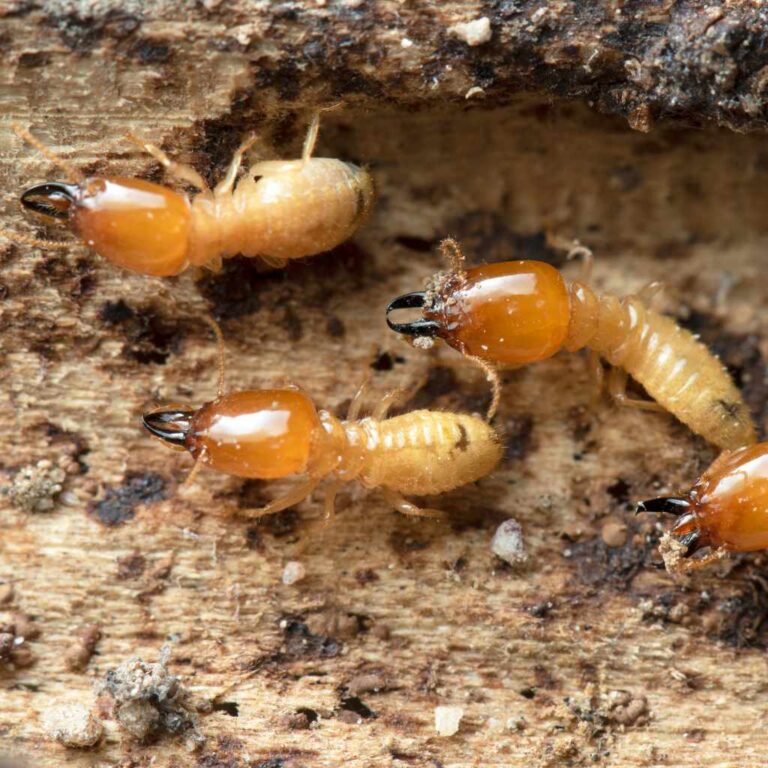
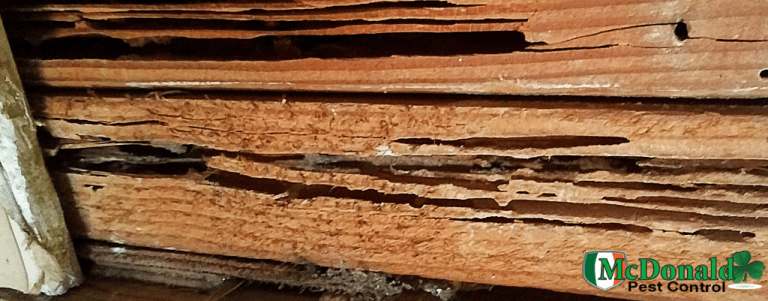
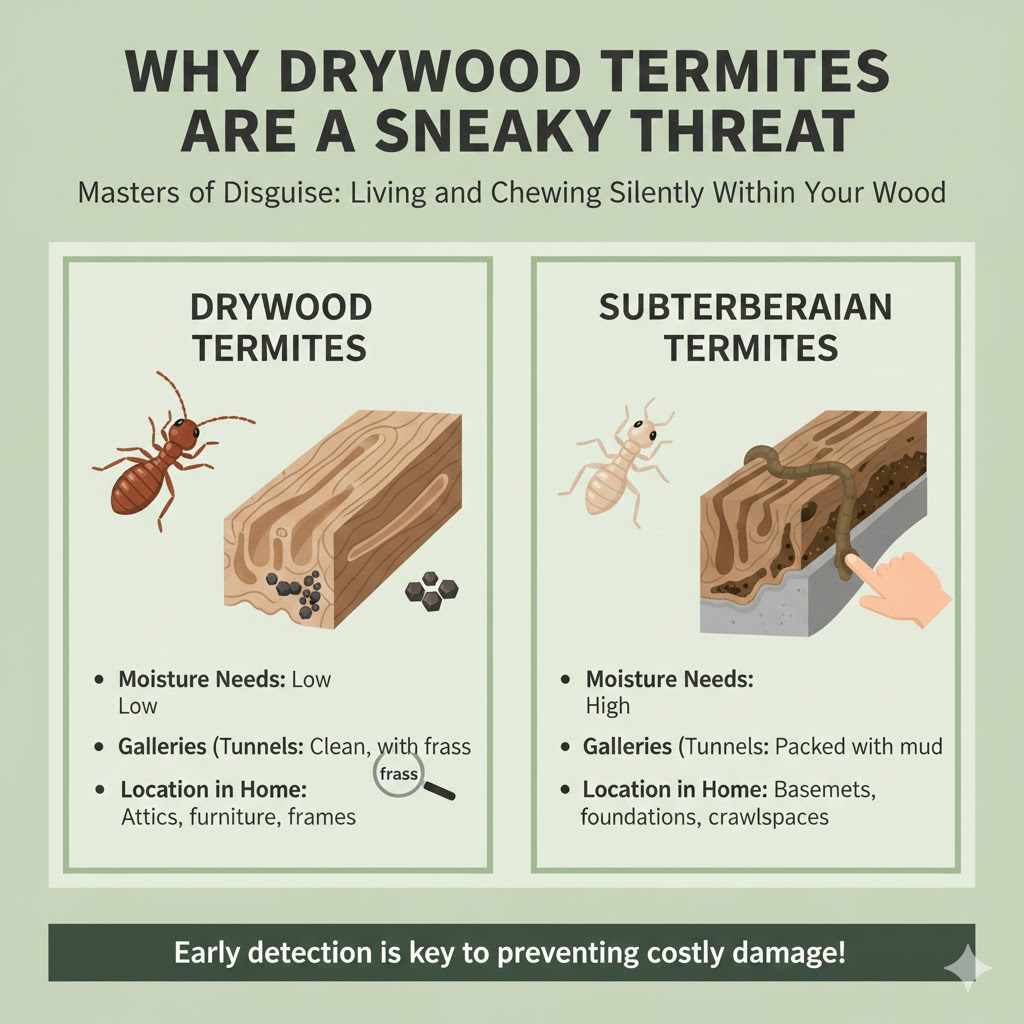
Drywood termites are masters of disguise. Unlike subterranean termites, which tunnel up from the ground, drywood termites live entirely within the wood they eat. This means they often chew away silently inside your floorboards, window frames, or wooden furniture, and you won’t know until the damage is noticeable.
Understanding the Difference: Drywood vs. Subterranean
Knowing which termite you might be dealing with helps with prevention. While subterranean termites require moist soil, drywood termites prefer drier wood, often thriving even in attic spaces or door frames that don’t touch the ground.
| Feature | Drywood Termites | Subterranean Termites |
|---|---|---|
| Moisture Needs | Low; live within dry wood structures. | High; require constant contact with soil. |
| Galleries (Tunnels) | Tunnels are very clean and packed with hard, pepper-like droppings (frass). | Tunnels are packed with mud tubes and dirt. |
| Location in Home | Attics, window frames, structural lumber, furniture. | Basements, foundation areas, crawlspaces. |
Step 1: Master Moisture Control (The First Line of Defense)
Even drywood termites need a tiny bit of moisture to survive, though they are less reliant on soil. Controlling humidity and eliminating standing water is crucial for any home pest management plan. Think of this as essential home maintenance.
Fixing Leaks and Condensation
A damp environment, even short-term, can attract pests looking for easier food sources or temporary living spaces before settling into the main structure.
- Inspect Plumbing: Routinely check under sinks, around toilets, and near water heaters for slow drips or moisture buildup. A small drip can go unnoticed for months.
- Improve Ventilation: Ensure attics and crawlspaces have proper airflow. Stagnant, moist air is an invitation. Installing or maintaining exhaust fans in bathrooms and kitchens is key.
- Check Your Roof and Gutters: Make sure gutters are clear and directing water away from the foundation. Roof leaks directly translate to moisture retention in the structure above. Check information from reputable sources like EPA resources on water preparedness for general home moisture advice.
Dehumidification Tips
If you live in a naturally humid climate, actively pulling moisture out of the air can help your lumber stay dry and unattractive to termites.
- Use a dehumidifier in basements or storage areas prone to dampness.
- Ensure firewood storage is kept completely dry and far from the home’s structure.
Step 2: Eliminate Wood-to-Soil Contact
For any type of wood-destroying insect, ground contact is the red carpet entrance. For drywood termites, while they might fly in, having ground-level wood makes your home look much more appealing overall and sets the stage for future infestations.
Foundation Checks and Landscaping
We want a clear buffer zone between your beautiful lumber and the damp earth.
- Firewood Stacks: Never store firewood directly on the ground or leaning against the house. Store wood at least 20 feet away from the home and elevated at least six inches off the ground.
- Wooden Landscaping Features: If you have wooden retaining walls, old stumps, or wooden planters close to your siding, consider replacing them with stone, concrete, or heat-treated (HT) wood products where possible.
- Shrubs and Vines: Keep dense vegetation trimmed back away from the siding. Vegetation traps moisture against the house exterior and can provide easy access bridges for foraging termites.
Step 3: Seal All Potential Entry Points
Termites are small, but they can exploit surprisingly tiny openings to get into your home’s wooden framing. This step is about physically blocking their pathways.
Exterior Crack Sealing
This is satisfying DIY work that pays big dividends! You are essentially wrapping your home in a protective, continuous barrier.
- Inspect the exterior foundation and siding. Look for cracks where utility lines (pipes, wires) enter the house—these are common gaps.
- Use high-quality, exterior-grade silicone caulk or specialized construction sealant to close all gaps larger than 1/16 of an inch. Think small cracks in stucco, gaps around window frames, or holes where previous vents existed.
- Check utility chases or plumbing penetrations where lines enter the home. Seal these gaps securely after ensuring the lines are stable.
Screening Vents
Make sure all vents, including those in attics, soffits, and crawlspaces, have tightly fitted and damage-free screening. A large hole in a screen is an open invitation to flying termite swarmers looking for a new home.
Step 4: Protect Exposed Wood Structures
For wood that is visible or frequently exposed to the elements (like decks, railings, or exposed beams), protective treatments are essential. This is where good woodworking practices meet pest control.
Using Borate Treatments
Borates (boron-based compounds) are fantastic, low-toxicity solutions for protecting wood from wood-destroying insects and fungi. They are easily applied and often don’t change the wood’s appearance much.
- Application: Borate treatments are usually mixed with water and applied as a liquid spray or soak to bare wood surfaces.
- Penetration is Key: For maximum protection, ensure the wood soaks up the solution completely. Treat all six sides of any wood that is being cut, replaced, or installed where possible.
- Interior Wood: While less common, borate treatments can be applied to attics or subfloor framing if there’s high risk, though professional assessment is best for indoor structural applications. Check product specifications for indoor use safety, especially around living spaces.
Stains and Paints for Prevention
A good exterior finish provides a physical barrier.
- Use Quality Finishes: Ensure exterior wood—siding, fascia boards, deck railings—is properly painted or stained. This doesn’t stop deep infestations alone, but it protects the surface from weather, which makes the wood less appealing for initial colonization.
- Re-apply Regularly: Weather wears down finishes. Create a maintenance schedule (often every 3–5 years, depending on exposure) to touch up exterior coatings before the bare wood shows through.
Step 5: Regular, Focused Inspections (Your Secret Weapon)
Prevention is ongoing maintenance. Because drywood termites hide inside, you must train your eyes to look for their calling cards. This is the most hands-on, budget-friendly step you can take.
What to Look For: Termite Frass
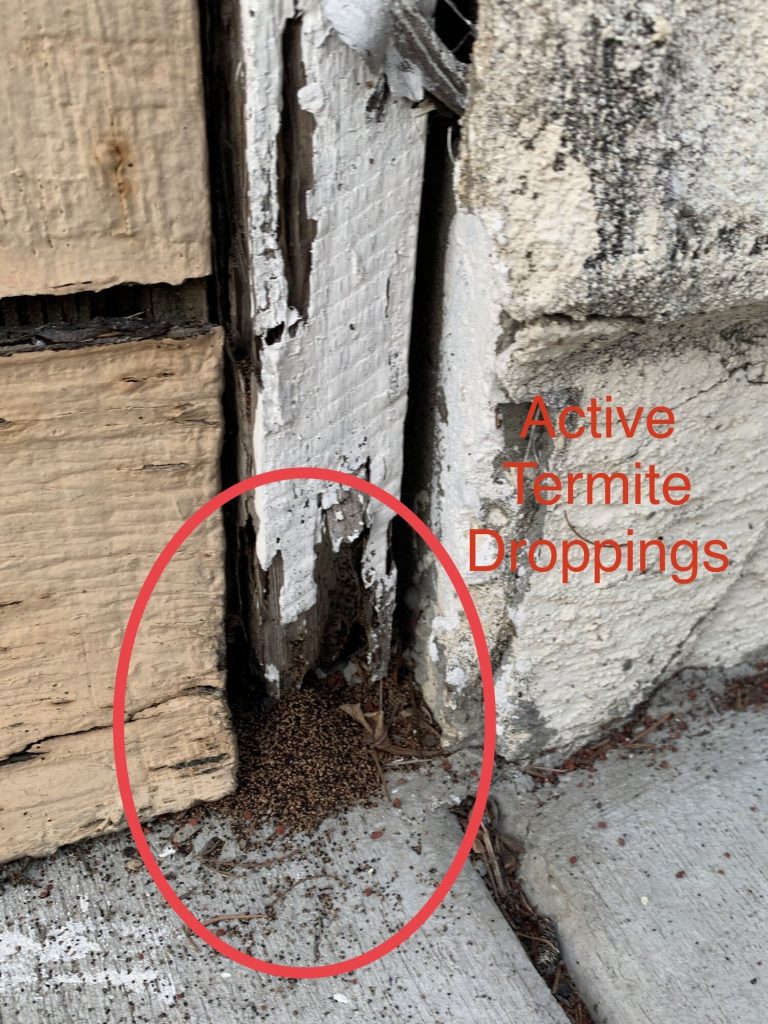
Drywood termites push out hard, dry fecal pellets called frass. These look like tiny piles of sawdust or ground pepper. They often push them out of small “kick-out” holes in the wood.
- Inspect Silently: Take a flashlight and slowly walk around the exterior and interior of your home, specifically near window frames, baseboards, and attic entrances.
- Look Under Items: Check underneath seldom-moved wooden furniture, stored boxes sitting on wood floors, and storage shelves.
- Listen Closely: Sometimes, if the infestation is heavy, you might hear a faint, dry rustling sound inside walls, though this is usually noticed later in an infestation.
Signs of Swarming
If you see termite swarmers—winged adults looking for a mate and a place to start a new colony—you have an established colony nearby.
- Wing piles: Termites shed their wings after landing. Finding small piles of clear, cellophane-like wings indoors is a massive red flag.
- Check attic vents or light fixtures where they might have emerged during a swarm event.
Wood Selection and Construction Practices (Building Smarter)
If you are starting a new project, building an addition, or replacing wooden elements, choosing the right material makes long-term prevention easier.
Use Termite-Resistant Lumber
When purchasing new structural wood or decking materials, consider using lumber rated for natural resistance or that has been pressure-treated specifically against termites.
| Wood Type | Pros for Termite Prevention | Cons/Considerations |
|---|---|---|
| Naturally Resistant Woods (e.g., Cedar, Redwood heartwood) | Contains natural oils that repel insects. | More expensive; availability varies; must use heartwood, not sapwood. |
| Pressure-Treated Lumber (Above Ground) | Treated with chemicals proven to deter insects and decay. | Requires proper handling and may not be ideal for certain indoor food-prep areas. |
| Non-Wood Materials | Concrete, steel, or composite decking eliminate the food source entirely. | Higher initial cost, different aesthetic. |
As a DIY mentor, I always encourage homeowners to check local building codes, especially when using treated wood near living areas. Resources like those from major construction standards organizations can provide excellent guidance on appropriate material selection for your region. For example, organizations focused on sustainable building often share detailed guidelines on durable wood practices.
Addressing Firewood and Outdoor Lumber Storage Safely
Many drywood termite issues start because homeowners unwittingly bring infested wood directly onto their property. That log pile might look rustic, but it’s a termite magnet.
Storage Rules for Firewood
If you use a fireplace or wood stove, handling wood storage correctly is non-negotiable for prevention.
- Isolate the Pile: As mentioned, stack wood far away from the house structure (20 feet is a great target).
- Elevate Off the Ground: Use concrete blocks, metal racks, or lumber runners to keep every piece of wood off the soil or grass.
- Process Quickly: Don’t let wood sit seasoned for years. Use it or discard it promptly. Freshly cut wood dries out faster and is less appealing than older, damper pieces.
- Inspect Before Bringing Inside: Before you bring any firewood into the garage or home, thoroughly inspect it for any signs of insects or existing galleries. Give it a good thump!
Non-Chemical Barrier Methods
For homeowners looking to minimize chemical use, certain physical barriers can aid prevention efforts, particularly around the foundation perimeter.
Gravel Barriers
A continuous band of coarse gravel (about six inches deep and 12 inches wide) placed around the foundation perimeter can act as a physical barrier. Termites find it very difficult to tunnel through rough, shifting stones, forcing them to stay away from the immediate structure. Ensure this gravel band does not mix with soil or mulch touching the house.
Understanding Swarming Season and Taking Action
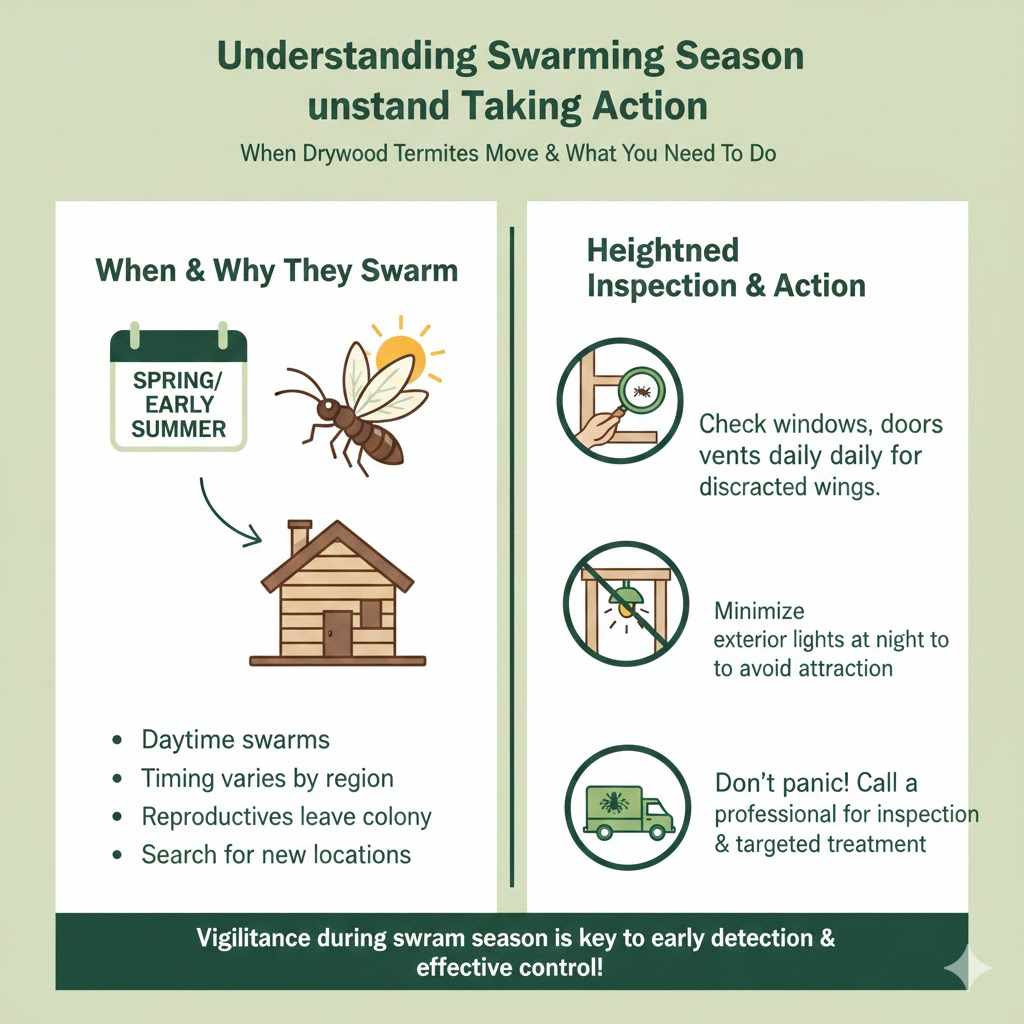
Knowing when termites are most likely to move—their “swarming season”—allows you to be hyper-vigilant during those specific months. Drywood termites often swarm during the day, usually later in the spring or early summer, depending on your specific local climate.
Heightened Inspection During Swarm Times
If you know your area has a drywood termite swarming season:
- Increase your light trap checks (a porch light left on at night can attract swarmers).
- Check window sills, patio doors, and roof vents daily for stray wings.
- Ensure exterior lighting fixtures are not attracting swarming insects right next to the house structure.
If you spot them, the next step isn’t panic—it’s immediate, targeted action (usually calling a professional for localized treatment, as DIY control of established drywood colonies is difficult).
Frequently Asked Questions (FAQs) for the Beginner Homeowner
Q1: Can I really stop drywood termites just by keeping things clean?
A: Cleanliness helps immensely by removing food sources like wood debris, old lumber scraps, and minimizing moisture. While it won’t stop a flying swarm entirely, a clean, well-maintained home is far less hospitable to establishing a new colony.
Q2: Do I need to treat every piece of wood outside my house?
A: You should prioritize wood that is close to the foundation or directly exposed to weather, like decking and porch posts. Structural wood that is high off the ground and well-maintained (painted/sealed) requires less aggressive treatment unless you see clear evidence of damage.
Q3: How do I know if the dusty piles I see are termite droppings or sawdust?
A: Termite frass (drywood droppings) looks like very tiny, hexagonal pellets—almost like ground pepper or fine sand. Sawdust tends to be more irregular in shape. If you look closely at a pile near a small hole in wood, and it looks uniform, it is likely frass.
Q4: Is using plastic sheeting on the soil under my house effective against drywood termites?
A: Plastic sheeting (vapor barriers) is excellent for blocking the moisture paths used by subterranean termites coming up from the ground. Since drywood termites don’t need soil contact, the plastic sheet won’t prevent them from infesting wood located in the attic or second-story framing.
Q5: What is the biggest mistake homeowners make when trying to prevent termites?
A: The biggest mistake is complacency. Prevention isn’t a one-time task; it’s regular inspection. Ignoring leaks or failing to repaint peeling exterior wood allows small problems to turn into hidden infestations very quickly.
Q6: If I see winged termites, should I try to spray them with bug spray?
A: Spraying a few stray swarmers might kill those individuals, but it does almost nothing to stop the colony living inside your wood structure. When you see swarmers, it’s time to contact a pest professional for a thorough inspection to locate and treat the active colony inside your wood.
Conclusion: Your Confident Approach to Termite Prevention
Taking control of drywood termite prevention is truly about smart home upkeep and paying attention to the details. Remember, you are a guardian of your home’s wood structures. By mastering moisture control, eliminating direct wood contact with the soil, sealing up those tiny entry cracks, applying protective finishes, and committing to those regular visual inspections, you drastically reduce the chances of ever dealing with a serious drywood termite infestation.
It doesn’t require specialized tools; it just requires consistent effort. Keep your wood dry, keep your foundation clear, and inspect what you protect. You’ve got this woodworking mentor cheering you on as you keep your home sturdy and safe for years to come!