Do Termites Eat Dry Wood? Drywood vs Subterranean (Moisture Guide)
Yes, some termites eat dry wood: drywood termites live inside dry, sound lumber and never need soil contact, while subterranean and dampwood termites need moisture to survive. A dry-looking board can still be infested, and a moisture meter reading under 20% only rules out decay fungi, not drywood termites. This guide gives the termite-type table, the moisture numbers that matter, and the signs that mean call a licensed professional.
Do Termites Eat Dry Wood? It Depends on Which Termite
Best Wood Moisture Check Pick
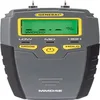 |
General Tools MMD4E Moisture Meter for Wood ($32.03) Gives you the percent reading used in the moisture table below, so you can tell a damp-wood problem from a dry-wood one. It measures wood moisture only; it cannot detect termites.
|
As an Amazon Associate we earn from qualifying purchases.
Three kinds of termite cause trouble in U.S. buildings, and they have very different relationships with wood moisture. According to the UC Statewide IPM Program, drywood termites are common and can survive in very dry conditions, even in dead wood in deserts, and they do not require much moisture or contact with soil. In California, all but one of the drywood species infest dry, sound wood, including structural lumber, dead limbs, utility poles, decks, fences, lumber in storage, and furniture.
Subterranean termites are the opposite case. They live and breed in soil, keep a connection to it through tunnels in the wood or shelter tubes, and require a moist environment. They can still eat wood that looks dry on the surface, because the moisture they need comes from the soil link, not from the board. Dampwood termites nest in very moist wood, typically decayed wood kept wet by soil contact or a water leak, and are found most often in cool, humid areas along the coast.
Termite Type by Wood Moisture and Where Each One Lives
This table puts the three types side by side. The wood-moisture column is what most guides leave vague, so each cell below is tied to a named source rather than a rule of thumb.
| Termite type | Wood moisture it tolerates | Soil contact needed? | Where it shows up | Telltale sign |
|---|---|---|---|---|
| Drywood | Lives in dry, sound wood; UF/IFAS notes sound wood in arid conditions holds only about 6 to 7% water | No. Nests stay above ground | Structural lumber, decks, fences, stored lumber, furniture, dead limbs | Six-sided pellets piled below kickout holes |
| Subterranean | Moist environment required, supplied through a soil connection | Yes, through tunnels or shelter tubes | Wood near or touching soil, plus any wood reached by shelter tubes | Mud shelter tubes; damage follows the grain |
| Dampwood | Very moist, usually decayed wood | Often, as the moisture source, or a water leak instead | Stumps, fallen trees, leaky or rotting framing; cool, humid coast | Chambers in wet, soft, decayed wood |
Source notes: the type descriptions come from the UC Statewide IPM Program and the University of California termite pest note; the 6 to 7% figure comes from the University of Florida IFAS Extension publication on the western drywood termite.
What Does “Dry Wood” Actually Mean? Moisture Content Numbers
Wood is called dry by moisture content, the weight of water in the wood as a percentage of the wood’s dry weight. The USDA Forest Products Laboratory chapter on biological properties gives the benchmarks: decay fungi need moisture above the fiber saturation point, about 30%, and air-dried wood usually holds no more than 20%, so it will not decay. Decay occurs when free water brings wood to 25 to 30% or higher.
Here is the part that trips people up. Those numbers describe fungi, not drywood termites. A board at 12% moisture is far too dry to rot, yet it is not too dry for drywood termites. Treating a good meter reading as a clean bill of health for termites is the single most common mistake in this topic.
| Meter reading | What it rules out | What it does not rule out |
|---|---|---|
| Under about 20% | Decay fungi (FPL: air-dried wood usually holds no more than 20%) | Drywood termites, which live in dry, sound wood |
| About 25 to 30% and up | Nothing. Decay is possible (FPL) | Subterranean and dampwood termites, plus rot |
| Damage plus a high reading | Drywood as the only cause | A moisture problem that attracts subterranean or dampwood termites |
The practical use of a meter is therefore diagnostic, not protective. Damaged wood that reads dry points toward drywood termites. Damaged wood that reads high points toward a leak or soil contact, which is a moisture problem to fix whatever else is found. UC IPM also notes that the presence of dampwood termites is an indicator of a moisture problem or wood decay.
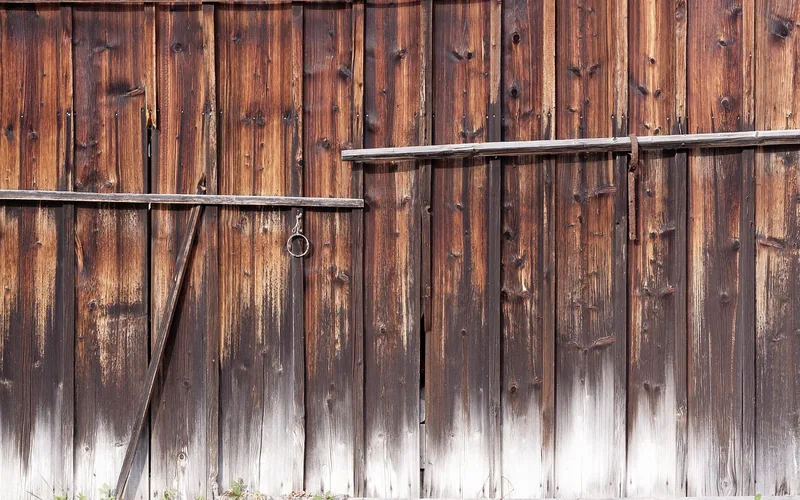
Sound wood in arid conditions holds only about 6 to 7 percent water, and western drywood termites still live in it. Source: University of Florida IFAS Extension
Is Kiln-Dried or Stored Lumber Safe from Termites?
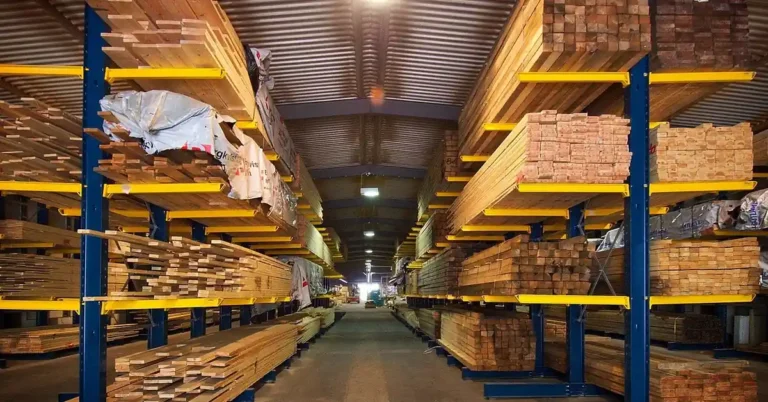
No. Kiln drying is a heat treatment that lowers moisture and stops fungi. It does not add a termite barrier, as we explain in is kiln-dried wood treated. The UC pest note lists lumber in storage among the wood drywood termites infest, and the USDA Forest Products Laboratory chapter says infestations can enter a house in wood products such as furniture.
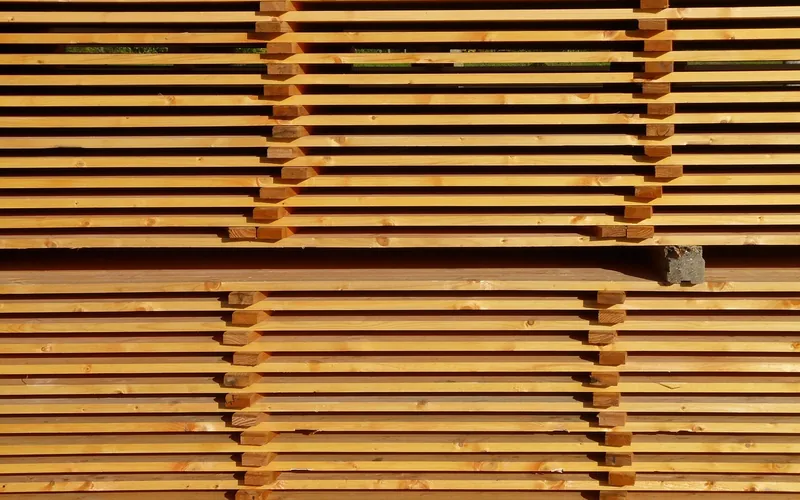
Its prevention advice is simple: examine all wood and cellulose-based materials before bringing them inside, remove woody debris from outside, and use preservative-treated lumber. For a shop, that means inspecting second-hand lumber and furniture before it goes in, and keeping offcuts off the floor and out of the house.
Species matters a little but never completely. The Wood Database rates western red cedar durable to very durable against decay but only mixed against insects, and notes USDA documentation lists it as not immune to termites. Our guides on whether termites eat cedar and whether termites like cedar go into more detail.
Signs Termites Are Eating Dry Wood in Your Home
Drywood termites live entirely inside the wood, so the first clue is usually what they push out, not what you see in the wood.
Frass Pellets and Kickout Holes
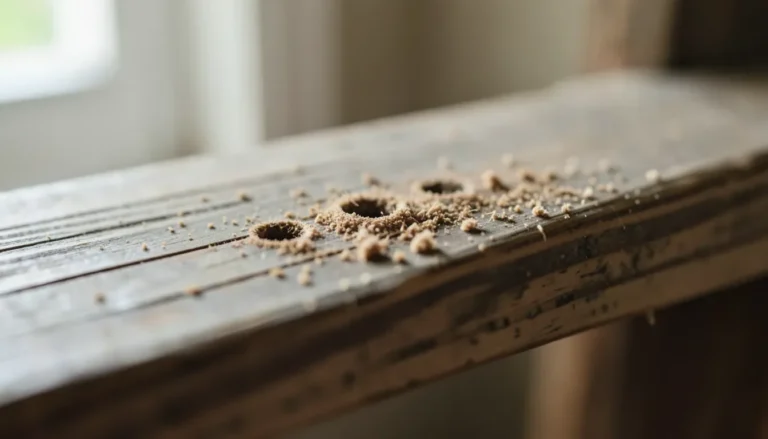
The UC Statewide IPM Program says drywood fecal pellets have six hexagonal sides and are diagnostic, and that kickout holes are less than 2 mm across. UF/IFAS describes the holes as about 1 mm and usually sealed with a plug of wet feces and pellets when not in use. Pellets collect on horizontal surfaces below the holes.
UC IPM suggests a simple activity test: clean up the pellets around a kickout hole and check a few days later. If new pellets have appeared, the infestation is likely active. For photo-level detail on holes in boards, see termite holes in wood and signs of termites in wood.
Grain Pattern, Swarmers, and Sound
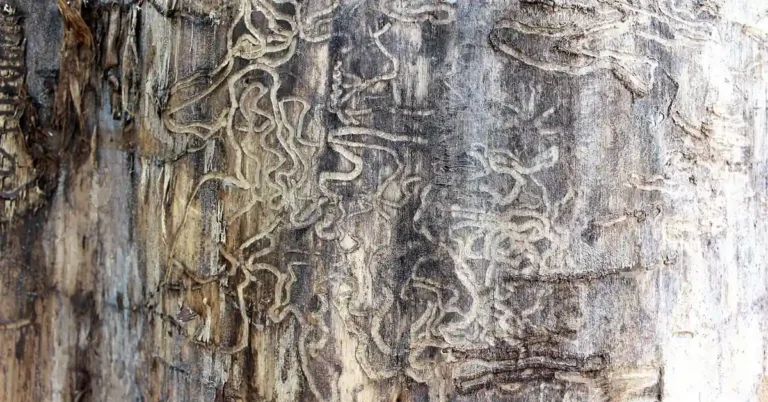
Drywood termites cut across the grain, leaving chambers and tunnels, some filled with pellets. Subterranean damage generally follows the grain, attacking softer springwood while leaving harder summerwood, per UC IPM. Drywood swarmers fly during daytime in summer and fall, and UC IPM calls flying adults the most common sighting; shed wings are another sign. Some people try listening; our stethoscope test guide covers what that can and cannot tell you.
Colonies grow slowly. UF/IFAS reports a western drywood colony at about 20 soldiers and 500 nymphs after 5 years, and 70 soldiers and 1,600 nymphs after 10 years, and UC IPM says colonies are usually under 1,000 individuals. Slow growth is why damage can sit unnoticed for years. If you are unsure whether damage is termites or rot, termites vs wood rot sorts the two.
What to Do If You Suspect Termites in Dry Wood
- Photograph pellets, holes, and any wings, and note the location and date.
- Read the wood with a meter on the damaged board and on nearby sound wood. Record both numbers.
- Look for shelter tubes, leaks, and wood touching soil. UC IPM recommends keeping a 12-inch barrier of concrete, coarse sand, or other inorganic material between soil and structural wood.
- Call a licensed pest management professional for inspection if structural framing is involved.
This is where the DIY line should be drawn. UC IPM says inspecting and judging the extent of a drywood infestation requires experience and is best done by a professional, and that do-it-yourself pesticides for termites are generally not effective. Whole-structure options such as sulfuryl fluoride fumigation or heat treatment (a minimum of 120 F for 33 minutes, per UC IPM) reach hidden colonies that spot treatment misses, and fumigation must be done by a licensed fumigator. Licensing and product rules differ by state, so check with your state’s structural pest control agency.
If you are only dealing with a small piece of furniture or an offcut, our guides on how to kill termites in wood, how to get termites out of wood, and how to treat wood for termites safely cover the methods, and DIY drywood termite treatment covers small-scale options. We keep method detail there so this page stays about the question of dry wood itself.
Common Myths About Termites and Dry Wood
- Myth: termites only attack wet wood. Only dampwood termites need very wet wood. Drywood termites live in dry, sound lumber, and subterranean termites bring their own moisture from the soil.
- Myth: no mud tubes means no termites. Drywood termites never build shelter tubes because they never connect to the soil. Pellets, not tubes, are their sign.
- Myth: a low meter reading means safe wood. Under 20% rules out decay fungi (FPL), not drywood termites.
- Myth: furniture and offcuts are too small to matter. The FPL chapter notes infestations can enter a house in wood products such as furniture.
Frequently Asked Questions
Do termites eat dry wood?
Yes. Drywood termites live inside dry, sound wood, take their water from the wood itself or make it through metabolism, and never connect to the soil. Subterranean termites also eat dry wood, but they need a moist environment and a link to the soil. Dampwood termites need very moist wood.
Can termites live in kiln-dried lumber?
Yes. Kiln drying lowers wood moisture and stops decay fungi, but it does not make wood termite-proof, and it is a heat treatment, not a chemical one. Drywood termites can infest dry, sound lumber, including lumber in storage. See our guide on whether kiln-dried wood is treated for what drying does and does not do.
What does drywood termite frass look like?
Drywood termite frass is made of tiny hard pellets with six flattened sides. Termites push them out through small kickout holes, so they pile up on surfaces below the opening. UF/IFAS gives a mean pellet length of 0.98 mm for the western drywood termite. Pellet color varies with the wood the termites fed on.
Can drywood termites live in wood with almost no moisture?
They need some water, but they get it from the wood they eat or produce it by metabolism. UF/IFAS notes that sound wood in arid conditions holds only about 6 to 7 percent water, and western drywood termites still live in it. Very dry wood is not a reliable barrier.
Does cedar heartwood stop termites?
Not completely. The Wood Database rates western red cedar durable to very durable for decay resistance but gives it mixed resistance to insect attack, and says USDA documentation lists it as not immune to termites. Our cedar guide covers how much protection it really gives.
Can I treat a drywood termite infestation myself?
UC IPM says inspecting and judging the extent of a drywood infestation is best done by a professional, and that residents should seek help from pest control professionals. Whole-structure treatment such as fumigation or heat can reach hidden colonies that spot treatment misses. Confirm licensing rules with your state pest control agency.
Bottom Line
Termites do eat dry wood, but only some of them. Drywood termites need no soil and little moisture, so a dry board is not a safe board, and a low meter reading rules out rot, not termites. If you find six-sided pellets or kickout holes in framing, confirm with a licensed professional, and browse the rest of our termite prevention and control guides for what to do next.
Sponsored / affiliate links. As an Amazon Associate I earn from qualifying purchases. I may earn additional commission from eligible campaigns.