How to Remove a Stuck Screw from Metal (Fix by Symptom)
A stuck screw in metal usually comes out with penetrating oil, a sharp shock, and a bit that actually fits the head. Drilling and extractors are for stripped or snapped screws, and they risk breaking a hardened extractor inside the hole. This guide matches the fix to the symptom, gives the order to try each one, and explains why stainless and aluminum fasteners seize. Penetrating oil is flammable, so keep sparks and torches away from it.
Which Fix to Try First, by Symptom
Best Penetrating Oil Pick | |
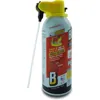 |
B’laster PB Penetrating Catalyst, 11 oz – $12.99 Step one for a rusted or seized screw is oil plus time, and PB Blaster is one of the penetrants named in both the Family Handyman and Bob Vila stuck-fastener guides.
|
As an Amazon Associate we earn from qualifying purchases. | |
Each method below costs more effort and risks more damage than the one before it. Find your symptom, start at the left of that row, and stop as soon as the screw turns. The oil in the box above is step one for every row where the head is still there.
| Symptom | What is going on | Try in this order | Switch when |
|---|---|---|---|
| Stripped or rounded head, no rust | The bit cams out of the recess; the threads may be fine | Better-fitting bit, rubber band or gripping paste, hand impact driver, locking pliers, cut a slot | The head is too chewed up to grip: go to drill and extractor |
| Rusted, head intact | Rust is locking the threads | Penetrating oil, hammer taps, a second soak, hand impact driver or impact driver, heat last | The head starts to round: stop forcing and use the grip methods |
| Seized in stainless or dissimilar metal | Galling or corrosion has bonded the threads | Penetrating oil, hammer taps, hand impact driver, then drill out the head | The screw will not break free: drill out rather than risk the extractor |
| Head snapped off, stub standing proud | Only a stub of shank is left to grip | Oil, locking pliers on the stub, or file two flats and use an adjustable wrench | The stub is too short or too rusted to hold |
| Snapped flush or below the surface | Nothing left to grab | Oil, then drill a shallow center hole and use an extractor or left-hand drill bit | The extractor binds: stop, do not force it (see the warning below) |
Safety First: Fire, Eyes and Hands
Aerosol penetrants are flammable, and the safety data sheets for B’laster PB Penetrating Catalyst classify it as a flammable aerosol that may explode if heated. Three habits follow from that:
- Wear eye protection for everything on this page. Hammer-struck drivers, rotary cutting wheels, and drill bits all throw fragments, and Bob Vila’s rusted-screw guide specifically calls for eye protection and heavy gloves with a hand impact driver.
- Never heat a screw that is still wet with oil. Family Handyman and Bob Vila both say to clean the penetrant off first, keep a fire extinguisher close, and use heat only as a last resort.
- Read the label on your own can. Soak times, ventilation and storage limits vary by product, and the label governs over any general advice here.
Penetrating Oil and a Sharp Shock
Oil alone often does not reach threads that rust has packed shut. The sequence that works is oil, shock, oil again. Spray the head and the screw’s edge generously, then give it time. Family Handyman says to apply a generous amount and step away for about half an hour, then repeat if it is still stuck. Bob Vila’s guide waits 15 minutes before the next step. Those two numbers are a reasonable range, but your product’s label decides.
The shock is what opens channels for the oil. Strike the screw head several times with a ball peen hammer, then tap around it to drive the penetrant deeper into the threads, as Bob Vila describes. Apply more oil and wait again before you try the screwdriver.
A rust-loosening spray is not a long-term lubricant. If you are reusing the screw, clean the threads and treat them with anti-seize on reassembly (see the prevention section below).
Get a Better Grip on a Stripped Head
If the bit slips, stop turning. Every slip rounds the recess further. These are the grip fixes, roughly from least to most invasive:
- Check the bit. A worn or wrong-size bit is a common reason a screw strips in the first place. Use a bit that fills the recess completely and press hard while you turn slowly.
- Rubber band. This Old House describes pressing a wide rubber band over the head, pushing the screwdriver firmly through it, and turning slowly so the rubber fills the gaps.
- Gripping paste. Bob Vila suggests a paste of powdered cleanser and water pressed into the head. Some mechanics also dab automotive valve-grinding compound, sold at auto-parts stores, on the driver tip for extra grit.
- Locking pliers. If the head is proud of the surface and the threads are intact, This Old House notes locking pliers can grip the head and turn it counterclockwise.
- File flats. On a roundhead screw, Family Handyman suggests filing two flat sides on the head and turning it with an adjustable wrench.
- Hand impact driver. Fit the correct bit, set the tool to counterclockwise, and strike the end with a hammer. A cordless impact driver delivers a similar short burst of torque, though it is a different tool from a regular drill; our impact driver vs drill comparison explains the difference.
For a longer walkthrough of the stripped-head case in any material, including wood, see our guide to removing a stripped screw. This page stays on screws seated in metal.
Cut a New Slot with a Rotary Tool
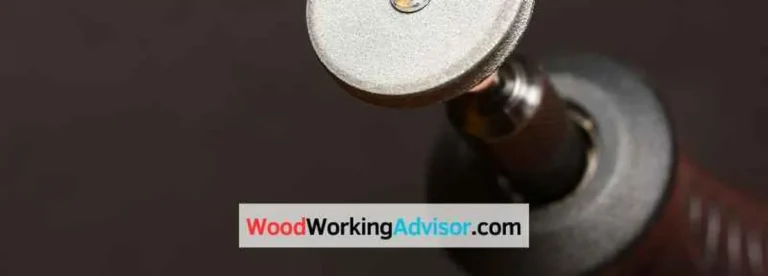
When the recess is gone but the head is intact, a rotary tool with a cutting wheel can cut a straight slot across it. Bob Vila recommends heavy leather gloves for this, and This Old House describes the same slot-and-flathead-screwdriver technique. Push down hard on the screwdriver while you turn, so the tip does not climb out of the slot.
Heat as a Last Resort
Heat expands the surrounding metal and can break a rust bond, but it is the step with the most ways to go wrong. Family Handyman gives about 15 seconds with a propane or MAPP torch or a heat gun, never to cherry red, and says to cool it quickly. Bob Vila heats the head with a butane lighter flame until steam or smoke appears, then cools it with water or a wet rag and repeats the cycle several times.
- Remove every trace of penetrating oil first, using a water-based degreaser.
- Keep a fire extinguisher within reach and work away from anything flammable.
- Do not heat near fuel lines, wiring, plastic, or finished surfaces you want to keep.
Drill and Extractor: How to Do It Without Snapping the Extractor
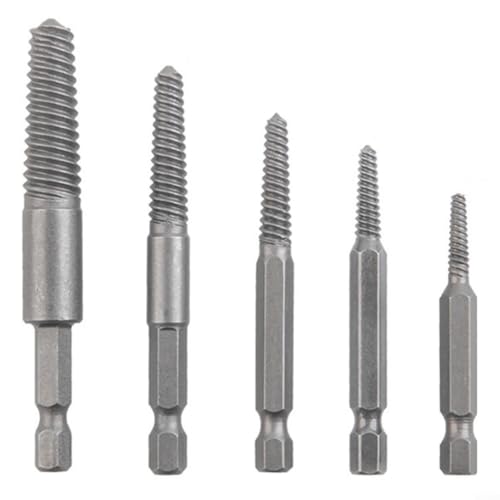
When the head is gone, a screw extractor is the standard next step. Family Handyman and This Old House describe the same basic process: drill a shallow hole in the center of the screw, then insert an extractor, which has reverse threads, and turn it counterclockwise. Extractor sets pair each extractor size with a matching drill bit, so use the bit that comes with the size you are using rather than guessing.
- Spray penetrating oil and let it soak, as above, before drilling.
- Mark the exact center of the screw so the bit does not wander onto the surrounding metal, and start the hole slowly and straight on.
- Drill the pilot hole with the bit paired to your extractor, keeping the drill square to the surface.
- Seat the extractor in the hole until its cutting edges bite, then turn it counterclockwise with a tap handle or wrench, slowly and with steady pressure.
- If it does not move, back off, add more oil, and wait. Do not add leverage with a cheater bar.
A left-handed drill bit is the alternative. This Old House describes drilling into the screw head with one, since the bit may catch and turn the screw out counterclockwise while it cuts.
Warning: extractors are hardened and can snap. A broken extractor is harder than the screw it was meant to remove, and ordinary drill bits just spin on it. Discussions among mechanics suggest carbide or diamond bits, or a machine shop with spark erosion, to deal with a snapped one. If the extractor resists, stop and switch to drilling out the screw, or ask a professional. This point comes from shop-forum accounts, not a manufacturer test, so check it against the instructions packed with your own set.
Drill Out the Head as a Last Resort
Drilling the head off removes the clamping load and lets the part come free. Family Handyman describes drilling out stripped screws with a bit slightly larger than the hole in the head until the washer head loosens, then poking out the remainder. Our full guide to drilling out a screw covers bit sizing and technique, and the broken bolt guide covers larger fasteners.
Why Screws Seize in Stainless Steel and Aluminum
Stainless steel seizes differently from rusted steel. MacLean-Fogg explains that galling is adhesive wear: friction under pressure strips the stainless oxide layer and the bare metal surfaces bond, a bit like cold welding. It is most common with austenitic grades and is made worse by fast tightening. The seizing shows up later, when you try to take the part apart.
Aluminum next to steel has a different problem. Dissimilar metals corrode when moisture bridges them, and the corrosion products can lock threads together. The approach is the same as above: oil, shock, patience, and drilling out as the final move. For the corrosion side of that pairing, see our wood-to-aluminum guide, which covers galvanic corrosion at fasteners. If you are fastening wood to a metal bracket, how to fasten wood to metal shows how to choose the fastener.
Stop It from Happening Again
- Apply anti-seize compound to threads before assembly. MacLean-Fogg lists nickel-based anti-seize and molybdenum disulfide or PTFE-based coatings as options for stainless.
- Drive stainless fasteners slowly. MacLean-Fogg recommends slower tightening with a torque wrench rather than impact guns, so heat can spread instead of building up.
- Clean and inspect threads before assembly so grit does not start a seizure.
- Match the fastener to the metal and the environment, especially outdoors.
If rust has left a dark stain on bare wood around the screw, that needs a different treatment; see how to remove rust stains from wood.
Frequently Asked Questions
How do you get a broken screw out of metal?
If part of the shank still stands above the surface, grip it with locking pliers or file two flats and turn it with a wrench. If it is flush or below the surface, soak it in penetrating oil, drill a shallow center hole, and use a screw extractor, turning counterclockwise. Stop if the extractor resists, because hardened extractors can snap.
How long should penetrating oil soak on a stuck screw?
Family Handyman says about half an hour, repeated if the screw is still stuck, and Bob Vila’s guide waits 15 minutes. Both add hammer taps between applications. Follow the label on your own can, since formulas differ.
Can you use heat to loosen a stuck screw in metal?
Yes, but only as a last resort, and only after cleaning off penetrating oil. Family Handyman says about 15 seconds with a torch or heat gun, never to cherry red. Keep a fire extinguisher nearby and keep heat away from fuel, wiring and plastic.
Why does a screw seize in aluminum or stainless steel?
Stainless steel can gall: friction strips the oxide layer and the bare surfaces bond, as MacLean-Fogg describes. Aluminum can seize from corrosion where it touches a dissimilar metal in moisture. Both are loosened with oil, shock and patience, with drilling out as the last step.
Start with oil and a shock, fix the grip before you reach for a drill, and treat the extractor as a last resort rather than a first move. Most screws stuck in metal give up well before you need it.
Sponsored / affiliate links. As an Amazon Associate I earn from qualifying purchases. I may earn additional commission from eligible campaigns.