Pan-Tex Plywood & Hardwood: Products, Pricing & Location
Finding the right building materials can feel like a treasure hunt. You want quality. You need it at a good price.
And you have to know where to get it. This is especially true for wood products. Plywood and hardwood are staples in many projects.
But the brands and suppliers can be confusing.
If you’ve been looking into specific wood suppliers, you might have come across Pan-Tex Plywood & Hardwood. Maybe you’re wondering what they offer. Or how their prices stack up.
Perhaps you just need to know if they’re near you. Let’s break it all down. We’ll look at their products, give you an idea about pricing, and help you find their store.
Pan-Tex Plywood & Hardwood offers a range of wood products like plywood and hardwood lumber. They also provide related services and materials. Pricing varies by product type, grade, and quantity. Their location is specific, and information about it is available through their official channels.
What is Pan-Tex Plywood & Hardwood?
Pan-Tex Plywood & Hardwood is a company that supplies wood products. Think of them as a go-to place for builders, woodworkers, and homeowners. They focus on materials used in construction and crafting.
This includes various types of plywood and hardwood. They aim to serve customers with their material needs. This often means providing a variety of options so people can find exactly what they need for their specific job.
The company operates like a specialized lumberyard or supplier. They stock items that are common in building homes, making furniture, or doing renovations. This isn’t just about selling wood.
It’s about providing the right kind of wood. It’s also about offering wood that meets certain standards of quality and durability. They often deal with both raw materials and finished or semi-finished wood products.
A Trip to the Lumberyard: My First Experience
I remember the first time I really needed to buy lumber for a custom project. It was for a built-in bookshelf in my living room. I’d always bought smaller pieces from big box stores.
But this needed a good amount of nice hardwood plywood. I was a bit nervous. The thought of walking into a place that felt more like a professional supplier was intimidating.
I finally decided to visit Pan-Tex Plywood & Hardwood after a friend recommended them.
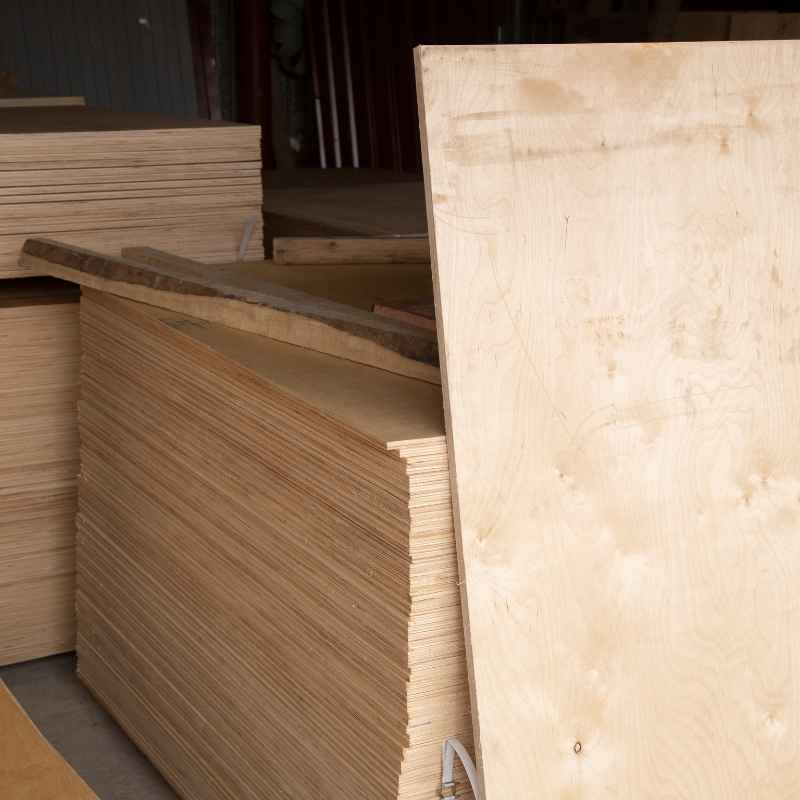
Walking in, the air smelled like fresh cut wood. It was a good smell. There were stacks of lumber everywhere.
Plywood sheets were neatly lined up. I saw different types and thicknesses. A friendly face greeted me almost right away.
He asked if I needed help. I explained my bookshelf project. He didn’t just point me to a section.
He talked to me about the pros and cons of different hardwood plywoods. He showed me samples. I felt a bit more confident.
It wasn’t just about buying wood; it was about getting the right wood. This personal touch made a big difference. I left feeling good about my purchase and the advice I got.
Pan-Tex Plywood & Hardwood Product Offerings
When you visit a place like Pan-Tex, you expect a good range of wood. They usually have more than just one or two types. This is so you can match the material to your exact needs.
Different projects need different strengths, looks, and uses.
The core of their business revolves around two main categories: plywood and hardwood lumber. These are the building blocks for a lot of things. What follows is a look at what you might find within these groups.
Plywood Types and Grades
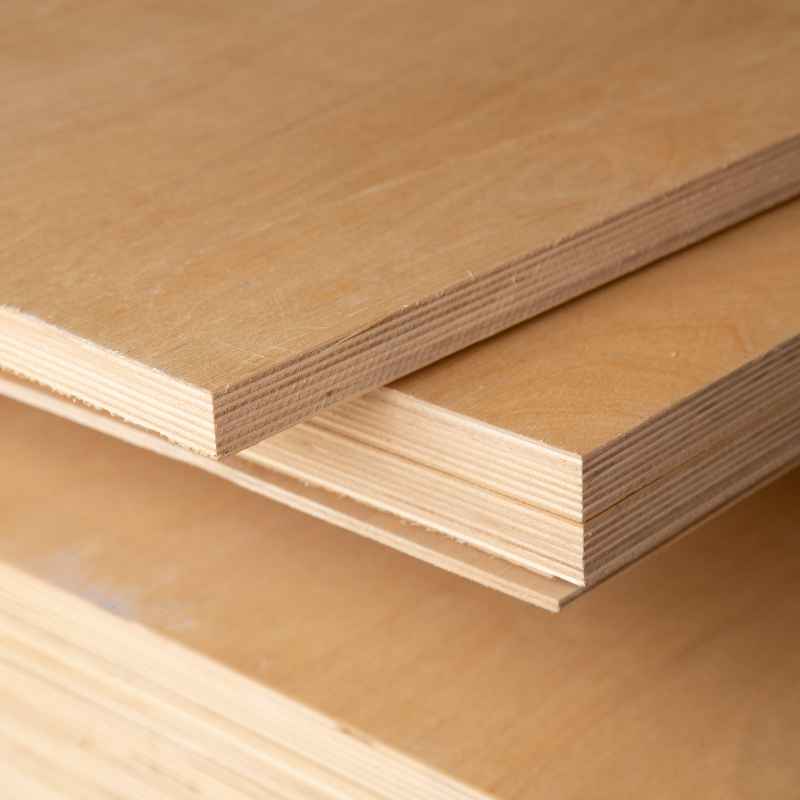
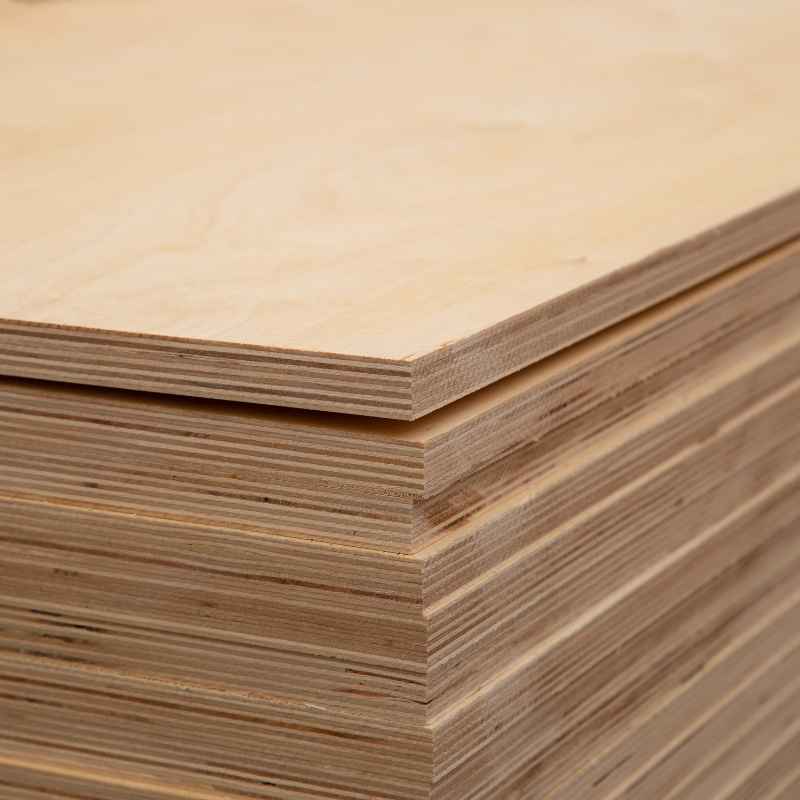
Plywood is made of thin layers of wood. These layers are glued together. The grain of each layer runs in a different direction.
This makes plywood very strong and stable. It’s less likely to warp or crack than solid wood. Pan-Tex likely offers various grades of plywood.
Grades tell you about the quality of the wood. They also tell you about the appearance of the surfaces. You might see grades like:
- A-A: This means both sides are smooth and free of defects. It’s good for visible surfaces.
- A-B: One side is smooth (A). The other side has minor imperfections (B). Good for one visible side.
- C-D: Both sides have more defects. This is for utility purposes. It’s not meant to be seen.
They might also offer different types of plywood based on the wood species used for the veneer and the core. Common types include:
- Birch Plywood: Known for its smooth, light-colored surface. Great for cabinets and furniture.
- Oak Plywood: Has a distinct grain pattern. Often used for decorative paneling and furniture.
- Maple Plywood: Light in color and very strong. A popular choice for high-quality cabinets.
- Pine Plywood: Softer than hardwoods. Often used for subflooring or utility purposes.
- Exterior Plywood: Made with waterproof glue. Used for outdoor projects or areas with moisture.
- Marine Grade Plywood: Built to withstand constant moisture and often used in boat building.
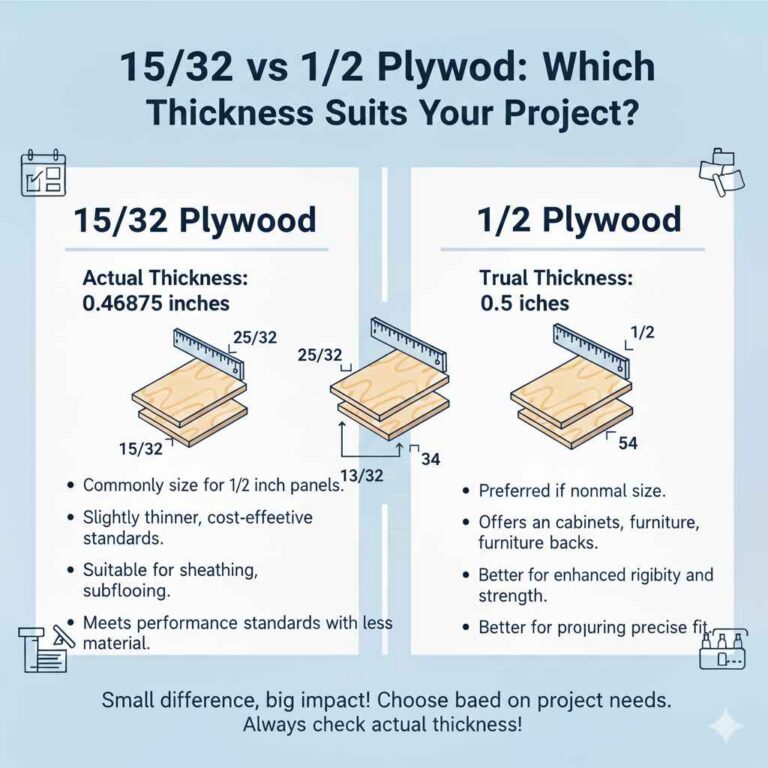
The thickness of the plywood is also important. It can range from very thin sheets (like 1/4 inch) to thicker ones (like 3/4 inch or more). The thickness you need depends on the strength required for your project.
Hardwood Lumber Varieties
Hardwood lumber comes from deciduous trees. These trees lose their leaves each year. Hardwoods are generally denser and stronger than softwoods.
They are also often more beautiful with richer colors and grain patterns. Pan-Tex would likely stock popular hardwood species.
You can expect to find common hardwoods like:
- Oak: Very durable and strong. Comes in red and white varieties, each with a slightly different look and properties.
- Maple: Known for its strength and smooth, pale color. Often used for furniture, flooring, and cabinets.
- Walnut: A premium hardwood with rich, dark brown color and beautiful grain. Used for high-end furniture and decorative items.
- Cherry: Has a warm, reddish-brown hue that deepens with age. Popular for fine furniture.
- Mahogany: Known for its rich color, durability, and resistance to rot. Used in furniture and boat building.
- Poplar: A softer hardwood, often pale in color. It’s a good choice for painted projects or internal components.
Hardwood is usually sold by the board foot. This is a measure of volume. The length, width, and thickness of the board determine how many board feet it contains.
The grade of hardwood lumber also matters. Higher grades have fewer knots and defects, making them more expensive but better for visible parts of a project.
Wood Product Quick Guide
Plywood: Good for large panels, stability, and strength. Layers of wood glued together.
Hardwood Lumber: Solid wood from trees like oak or maple. Used for furniture frames, trim, and decorative elements.
Grades: Affect appearance and price. Higher grades mean fewer knots and smoother surfaces.
Species: Affects color, grain, strength, and cost. Choose based on project look and use.
Associated Products and Services
Beyond just plywood and hardwood, suppliers like Pan-Tex often carry other related items. These can make your trip to the lumberyard more productive. You might find:
- Veneers: Thin sheets of wood used to cover less attractive materials.
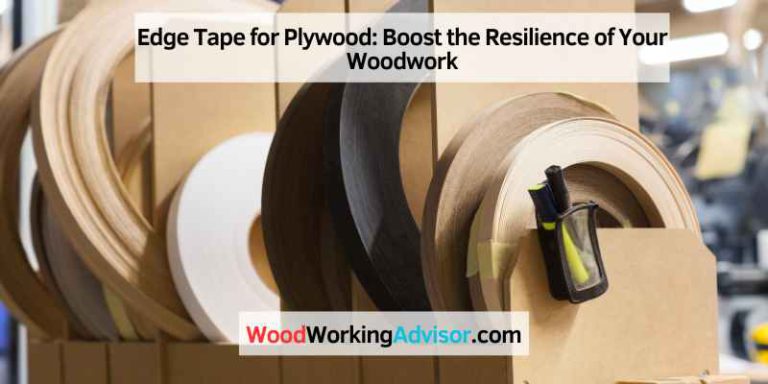
- Edge banding: Strips used to cover the exposed edges of plywood.
- Adhesives and glues: Essential for woodworking projects.
- Finishing supplies: Such as stains, varnishes, and sealants.
- Hardware: Hinges, knobs, and other items for cabinets and furniture.
- Cutting services: Some places will cut large sheets of plywood to size for you. This is a huge help.
Having these items available saves you from making multiple stops. It means you can get most of what you need for a project in one place. This is especially true for custom woodworking or building projects.
Understanding Pricing at Pan-Tex Plywood & Hardwood
Pricing for wood products is not set in stone. It changes based on many factors. For Pan-Tex Plywood & Hardwood, you can expect a range of costs depending on what you buy.
It’s wise to understand these influences before you shop.
Here’s what typically affects the price:
Factors Influencing Plywood Prices
Plywood prices are not the same for every sheet. Several things make one sheet cost more than another. Size and thickness are the first obvious ones.
A larger, thicker sheet will cost more than a smaller, thinner one. But there’s more to it:
- Grade: As mentioned, a higher grade plywood costs more. A-A grade is more expensive than C-D grade. This is because it looks better and has fewer flaws.
- Species: The type of wood used for the face veneer matters. Hardwood plywoods like oak or maple are more expensive than softwood plywoods like pine.
- Core material: The layers in the middle of the plywood can also affect cost. Some use solid wood pieces, others might use composite materials.
- Glue type: Plywood made with waterproof or exterior-grade glue costs more. This is for use in wet areas.
- Quantity: Buying in bulk can sometimes lead to a lower price per sheet. If you are a contractor buying many sheets, you might get a better deal.
- Market conditions: The overall cost of lumber and the demand for wood products can shift prices.
So, a sheet of utility-grade pine plywood will be much cheaper than a sheet of premium-grade birch plywood. Knowing what you need will help you understand the price you see.
Factors Influencing Hardwood Lumber Prices
Hardwood lumber prices have their own set of drivers. Solid wood is often priced differently than manufactured products like plywood.
- Species: This is a major factor. Rare or exotic hardwoods are much more expensive than common ones like poplar. Walnut and mahogany typically cost more than oak or maple.
- Grade: Lumber is graded based on the number and size of clear wood cuttings that can be obtained from a board. Higher grades (like FAS – Firsts and Seconds) are more expensive.
- Board size: Wider and longer boards of high quality are harder to find. They usually command a higher price per board foot.
- Rarity and availability: Some wood species are not as abundant as others. This makes them more costly.
- Drying method: Kiln-dried lumber is usually more expensive than air-dried lumber. Kiln drying removes moisture faster and more uniformly, making the wood more stable.
- Market demand: Like plywood, hardwood prices can fluctuate based on what’s popular and what’s available.
When you buy hardwood, you are often buying based on its visual appeal and strength. This is why premium woods and higher grades carry a higher price tag.
Pricing Snapshot: What to Expect
Basic Plywood: Utility grade, pine-based. Least expensive.
Mid-Range Plywood: Birch, oak, or maple veneers. Good for cabinets and furniture. Moderate cost.
Premium Plywood: High-grade hardwood veneers, specialized types (e.g., marine). Most expensive plywood.
Common Hardwoods: Oak, maple, poplar. Priced per board foot. Moderate to high cost.
Premium Hardwoods: Walnut, cherry, mahogany. Higher cost per board foot.
Bulk Discounts: Buying larger quantities may reduce the per-unit price.
Getting Specific Price Information
Because prices change and depend on so many things, it’s hard to give exact numbers here. Pan-Tex Plywood & Hardwood’s pricing will be specific to their inventory and current market rates. The best way to get accurate pricing is to:
- Visit their store: This is the most direct way to see current prices.
- Call them: You can often get quotes over the phone for specific products.
- Check their website: If they have a comprehensive website with a product catalog and pricing, that’s a great resource.
Always ask about any sales or promotions they might be running. Sometimes you can get good deals if you know when to buy.
Pan-Tex Plywood & Hardwood Location and Hours
Knowing where to find a supplier is crucial. Pan-Tex Plywood & Hardwood has a specific physical location. This is where you can go to see their products and make purchases.
It’s also important to know their operating hours.
Finding their exact location usually involves a few steps:
How to Find Their Address
Companies like Pan-Tex typically make their contact information easy to find. Here are the most common ways:
- Official Website: This is usually the best source. Look for a “Contact Us,” “Location,” or “Find Us” page.
- Online Search Engines: A quick search for “Pan-Tex Plywood & Hardwood location” on Google, Bing, or other search engines will likely bring up their address.
- Business Directories: Online directories like Yelp, Yellow Pages, or industry-specific directories can list their details.
- Social Media: If they have a business page on platforms like Facebook or LinkedIn, they might post their location and hours there.
When you find their address, it’s also a good idea to look for directions or a map. This can help you plan your trip. Note any specific landmarks or instructions that might be provided.
Understanding Their Operating Hours
Lumberyards often have specific hours. These can differ from retail stores. They might be open early for contractors.
They might close earlier than you expect.
Typical operating hours for this type of business might include:
- Weekdays: Often open from early morning (e.g., 7:00 AM or 8:00 AM) to late afternoon or early evening (e.g., 5:00 PM or 6:00 PM).
- Saturdays: Many are open on Saturdays, but often with shorter hours, like a half-day.
- Sundays: Most lumberyards are closed on Sundays.
It is very important to verify their current hours. Hours can change due to holidays, seasons, or other business reasons. Always check their official website or give them a quick call before you head out. This saves you a wasted trip.
Especially if you are driving a distance.
Location & Hours Checklist
Primary Source: Always check the official Pan-Tex website.
Search Online: Use search engines for quick address and hours.
Verify Hours: Call ahead or check online before visiting.
Plan Your Route: Use maps to find the best way there.
Real-World Context: Using Pan-Tex Products
The wood products you get from a supplier like Pan-Tex are used in many different settings. Understanding these uses can help you choose the right materials for your own projects.
Residential Construction and Remodeling
In homes, plywood and hardwood are everywhere. Plywood is often used for subflooring and wall sheathing. It provides a solid base for flooring and drywall.
It adds structural integrity to the house. Hardwood might be used for decorative elements like trim, molding, and accent walls. Kitchen cabinets are frequently made from hardwood plywood.
This is for both durability and looks. When people renovate, they often look for these materials. They want to update kitchens, bathrooms, or add new rooms.
Furniture Making and Cabinetry
Woodworkers and cabinet makers rely heavily on quality plywood and hardwood. Hardwood plywood is a favorite for cabinet boxes and doors. It offers a stable, smooth surface.
It can be veneered with beautiful hardwoods like oak, maple, or cherry. Solid hardwood lumber is used for furniture frames, legs, tabletops, and decorative carving. The choice of wood species here is critical.
It affects the final look, feel, and durability of the piece. A craftsman might use walnut for a dining table. They might use maple for a sleek modern dresser.
DIY Projects and Hobbyists
Even if you’re not a professional, you might use Pan-Tex products for DIY. Projects can range from building a simple shelf to crafting a custom workbench. Hobbyists might use thinner plywood for model making or intricate woodworking projects.
The availability of different grades and types of wood means even small projects can use quality materials. Sometimes, getting a small piece of hardwood for a turned item on a lathe is all you need. Or a sheet of plywood for a storage cabinet in the garage.
Common Applications
Subflooring: Plywood provides a strong base for floors.
Cabinetry: Hardwood plywood is used for boxes and doors.
Furniture: Solid hardwoods and veneers create beautiful, lasting pieces.
Trim & Molding: Hardwoods add decorative detail to walls and rooms.
DIY Shelving: Plywood is ideal for sturdy shelves.
What This Means for You: Choosing the Right Materials
When you’re looking at wood products from a supplier like Pan-Tex, you need to think about your project. This helps you make the best choice. It also helps you get good value for your money.
When is Plywood the Right Choice?
Plywood is a workhorse material. It’s great for many reasons. If you need a large, flat surface that won’t warp easily, plywood is a top pick.
Think of areas that need structural support. Subfloors, roof decking, and walls are good examples. It’s also excellent for cabinet boxes.
The cross-grain construction makes it very strong.
If you are building something where the wood won’t be seen much, like the inside of a closet or a utility shelf, a lower-grade plywood is perfectly fine. This saves you money. For visible surfaces, like the front of cabinets or decorative panels, you’ll want a higher-grade hardwood plywood.
This will give you a smoother finish and a nicer look.
When is Hardwood Lumber the Right Choice?
Solid hardwood lumber is usually chosen when appearance and strength are key. If you are making a piece of furniture that needs to last for generations, like a dining table or a bed frame, solid hardwood is often preferred. It can be carved, shaped, and finished to show off beautiful natural grain.
For trim work around windows and doors, or for baseboards, hardwood offers a more premium feel than MDF or particleboard.
Remember that solid wood can expand and contract with changes in humidity. This is something to consider in your design. A skilled woodworker knows how to account for this.
For many applications, a combination of hardwood plywood for panels and solid hardwood for frames or decorative edges works best.
Making Smart Choices
To make smart choices, always consider:
- The project’s requirements: What does the finished item need to do? How much weight must it hold?
- The desired look: Do you want a natural wood grain? Or will it be painted?
- Your budget: Higher grades and rarer species cost more.
- Your skill level: Some woods are easier to work with than others.
Don’t be afraid to ask for advice. Staff at places like Pan-Tex are usually knowledgeable. They can guide you toward the best materials for your specific needs.
They have seen many projects and know what works.
Quick Tips for Buying Wood Products
Buying wood can sometimes be tricky. Here are a few tips to help you get the best products and avoid common mistakes.
Inspect Before You Buy
Whenever possible, look at the wood yourself before you commit to buying it. Especially for hardwood lumber. Check the boards for:
- Warping or cupping: The wood should be mostly flat.
- Cracks or splits: Small end checks might be okay, but large splits are not.
- Knots: Make sure they are tight and sound, not loose or falling out.
- Moisture content: Wood should feel dry, not damp.
For plywood, check the edges for delamination (layers separating). Look at the surface for large voids or damage.
Know Your Measurements
Wood is sold in standard sizes. Plywood sheets are typically 4×8 feet. Lumber is sold in standard thicknesses like 4/4 (about 1 inch thick before planing), 6/4, 8/4, and so on.
It’s also sold in widths and lengths. Make sure you know the actual dimensions you need for your project. Remember that lumber dimensions are often nominal, meaning the actual finished size after planing is smaller.
For example, a “2×4” is actually about 1.5 inches by 3.5 inches.
Consider Transportation
Plywood sheets are large and can be awkward to transport. If you don’t have a truck or trailer, you might need to arrange for delivery. Or, ask if the store offers cutting services to make the sheets more manageable for your vehicle.
Buying Wood: Key Takeaways
Inspect: Look closely at wood for defects before buying.
Measure: Know the exact dimensions you need.
Transport: Plan how you will get the wood home.
Ask Questions: Don’t hesitate to seek advice from the staff.
Frequently Asked Questions about Pan-Tex Plywood & Hardwood
What types of plywood does Pan-Tex typically carry?
Pan-Tex Plywood & Hardwood likely offers a range of plywood types, including hardwood plywoods like birch, oak, and maple, as well as utility grades for construction. They may also carry exterior or specialized plywoods depending on their inventory. It’s best to check their current stock directly.
How is hardwood lumber priced at suppliers like Pan-Tex?
Hardwood lumber is usually priced per board foot. Factors influencing the price include the species of wood, its grade (quality and appearance), board size (width and length), and whether it is kiln-dried or air-dried. Rarer species and higher grades will cost more.
Can I get custom cuts for plywood sheets at Pan-Tex?
Many lumber suppliers offer cutting services to help customers transport large plywood sheets. While not guaranteed, it is common. It is advisable to call Pan-Tex Plywood & Hardwood ahead of time to inquire about their cutting services and any associated fees.
What is the difference between hardwood plywood and solid hardwood lumber?
Hardwood plywood is made from thin layers (veneers) of hardwood glued together, offering stability and large panel sizes. Solid hardwood lumber is a single piece of wood from a hardwood tree. Solid hardwood is often used for furniture frames, trim, and visible edges where grain pattern is important.
Are there different grades of hardwood lumber, and how do they affect price?
Yes, hardwood lumber is graded based on the amount of clear wood that can be obtained from a board. Common grades include FAS (Firsts and Seconds), Select, #1 Common, and #2 Common. Higher grades have fewer defects and command higher prices.
The best grades are used for fine furniture and visible applications.
What are some common uses for birch plywood, often sold at lumber suppliers?
Birch plywood is highly valued for its smooth, light-colored surface and consistent grain. It’s a popular choice for cabinet doors and boxes, furniture, shelving, and decorative paneling, especially when a high-quality, paintable, or stainable surface is desired.
Conclusion
Navigating the world of wood suppliers like Pan-Tex Plywood & Hardwood can seem complex. But by understanding their product offerings, pricing factors, and location details, you can shop with confidence. Whether you’re a seasoned builder or a weekend DIYer, knowing what to look for ensures you get the right materials for your project.
Always aim to get the best quality you can for your needs and budget.