Outdoor Wood Burning Sauna: Build Or Buy The Right One
It’s easy to feel overwhelmed by all the choices. You want something that fits your space. You also want it to be something you’ll love using.
Plus, you want it to be safe and last a long time. This guide is here to help clear things up. We’ll look at everything you need to know.
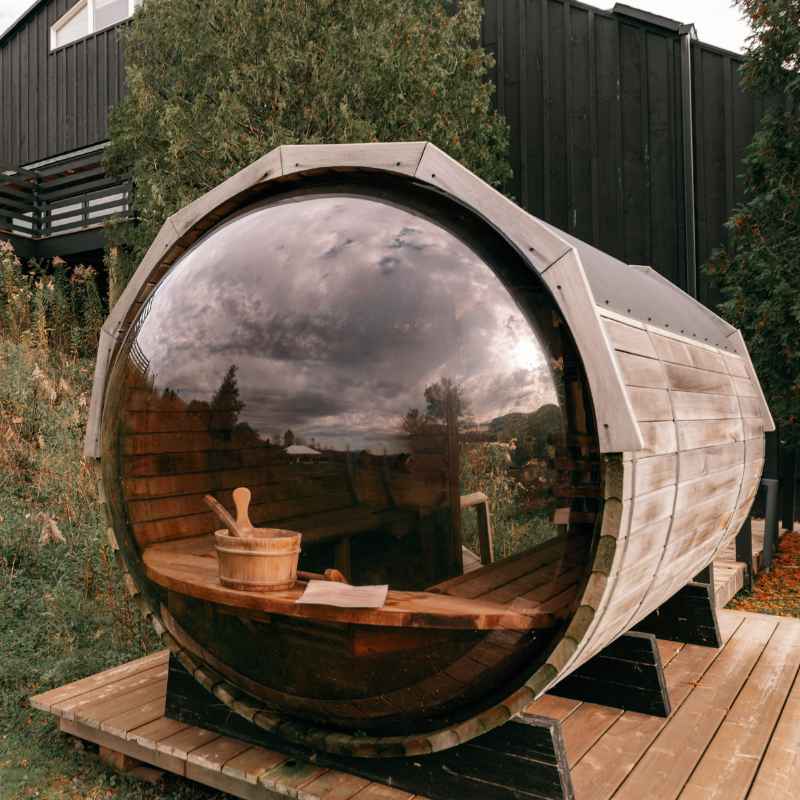
An outdoor wood burning sauna offers a rustic and authentic heat experience. Deciding between building one from scratch or purchasing a pre-fabricated unit involves weighing costs, time, skill, and desired features. Both paths can lead to a relaxing backyard oasis with careful planning and execution.
Understanding Outdoor Wood Burning Saunas
Best Wood-Burning Stove For A DIY Outdoor Sauna
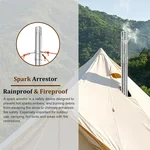 |
Stainless Wood-Burning Sauna Stove – $149 The stove is the one component in a build-your-own sauna that isn’t worth improvising – it comes with the stainless chimney sections you actually need to run flue pipe safely through the wall or roof.
|
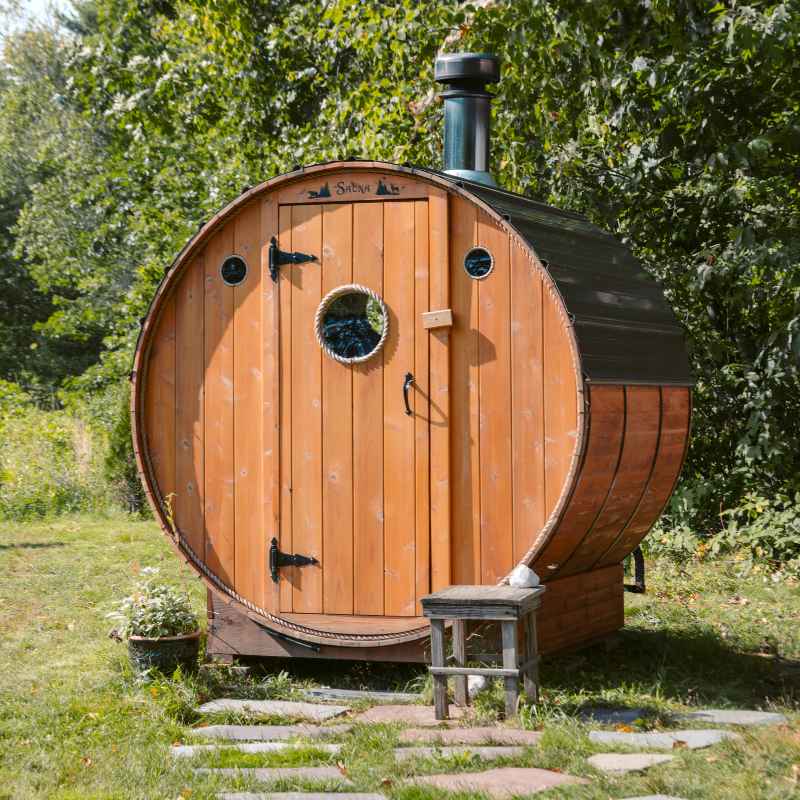
An outdoor wood burning sauna is a small structure. It is placed outside your main house. Inside, it gets very hot.
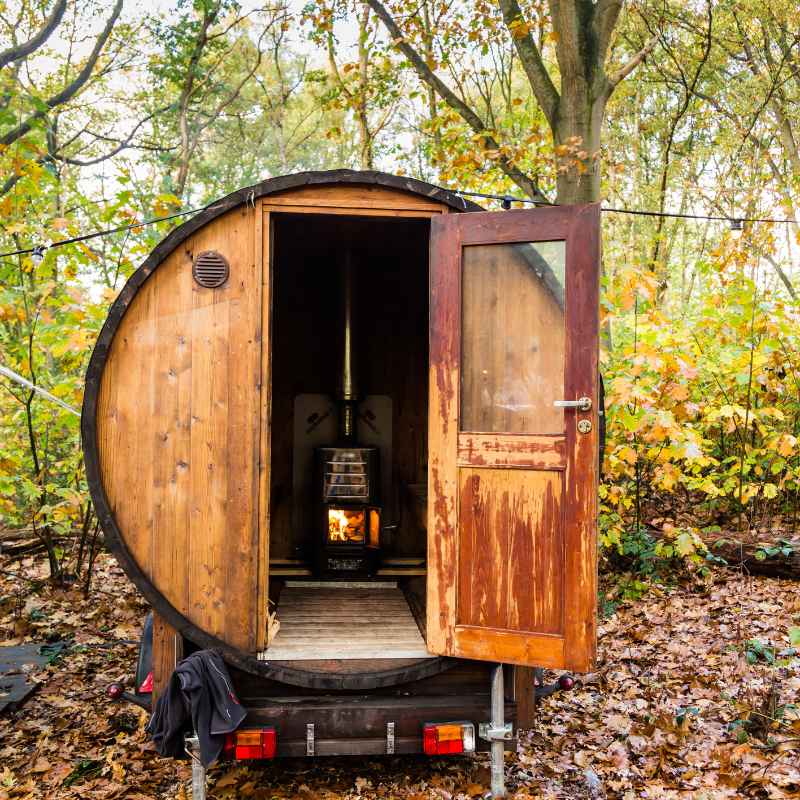
You use a wood-burning stove to heat the rocks. These hot rocks then create steam when water is poured on them. This steam is called “löyly.” It makes the air feel even warmer and more humid.
It’s a very traditional way to enjoy a sauna.
These saunas are popular for a few reasons. They bring a piece of nature right into your backyard. The smell of wood smoke adds to the experience.
They offer a way to relax and detoxify. Many people find it helps them feel refreshed. It’s also a great way to connect with friends and family.
The heat from a wood stove is different. It feels very deep and cozy. It’s not the same as an electric heater.
Many sauna lovers say wood heat is the best. It has a special kind of warmth. It also means you don’t need electricity to run the heater.
This makes it perfect for more remote locations or for people who want to be less reliant on power.
The Build vs. Buy Debate
This is the big question for most people. Both building and buying have good points. Your choice depends on what matters most to you.
Think about your skills, your budget, and how much time you have. It also matters how specific you want your sauna to be.
Building Your Own Sauna
Building a sauna yourself can be very rewarding. You get to design it exactly how you want. You can pick the wood.
You can choose the size and shape. You can even decide where the windows go. It’s a chance to make something truly unique for your yard.
This option usually costs less upfront. You buy the materials and build it yourself. You save money on labor.
However, it takes a lot of your time. You need to have some building skills. If you don’t, you might make mistakes.
These mistakes can cost money to fix later. It also requires tools and space to work.
When you build, you learn a lot. You understand how your sauna works. You know exactly what materials were used.
This can give you confidence. You can ensure the quality is high. You control every step.
This means you can make sure it’s built to last.
Some people find the process itself relaxing. Like a hobby. They enjoy the challenge.
They like seeing their vision come to life. It’s a hands-on project. It can be a great way to learn new skills.
But remember, it’s a big project. It might take weeks or months to finish.
Buying a Pre-Made Sauna
Buying a pre-made sauna is often faster. These saunas come in kits or are fully assembled. You can have a sauna in your yard in just a day or two.
This is great if you want to start enjoying it soon.
The cost can be higher. You are paying for the convenience. You are also paying for the labor that went into making it.
However, the quality is usually very good. Manufacturers specialize in building saunas. They know the best materials and methods.
There are many styles to choose from. You can find modern designs or traditional log cabins. They often come with warranties.
This gives you peace of mind. If something goes wrong, the company can help fix it. This can be a big plus.
You might have less control over the exact details. You choose from what’s available. But many companies offer customization options.
You can often pick the wood type or add a bigger window. This way, you can still get a sauna that feels personal.
Think about delivery. A pre-made sauna can be heavy. You need to make sure you have a clear path for it to be placed.
The company usually handles this. But it’s good to know what to expect. It’s a big structure, so planning is key.
Key Considerations: Build vs. Buy
Your Skill Level: Are you a seasoned DIYer or a beginner? Building requires more skill. Buying is easier for most.
Time Available: Do you have weekends free for a project? Or do you want to use your sauna next week?
Budget: Building can be cheaper in materials, but mistakes can add costs. Buying has a clearer price tag, but may be higher overall.
Customization Needs: Do you have a very specific vision? Building offers more freedom. Buying offers pre-set options.
Warranty Needs: Do you want protection against defects? Pre-made saunas often come with warranties.
Essential Features of an Outdoor Sauna
No matter if you build or buy, some features are important. These make your sauna safe, effective, and enjoyable. Let’s break them down.
The Sauna Stove (Heater)
This is the heart of your sauna. For wood-burning saunas, the stove is usually made of thick metal. It needs to be efficient and safe.
Look for stoves designed for saunas.
Stove Size: The stove needs to be the right size for your sauna. Too small, and it won’t get hot enough. Too big, and it might be too hot to handle.
The sauna manufacturer or a professional can help you pick the right size. They consider the square footage of your sauna.
Wood Type: What kind of wood does the stove burn best? Most burn dry, seasoned hardwood. Softwoods can burn too fast or create a lot of creosote.
Creosote is a tar-like substance. It can build up in the chimney. This can be a fire hazard.
Heat Output: Stoves have a heat output rating, often in BTUs (British Thermal Units). This tells you how much heat they can produce. Make sure it matches your sauna’s needs.
Loading Door: Where do you put the wood in? Some stoves have doors that open to the outside. This is safer.
It keeps smoke and ash out of the sauna. Other stoves load from the inside. This is less ideal for safety and cleanliness.
Ventilation
Good ventilation is super important. It keeps the air fresh. It also helps the stove burn efficiently.
Too little air means a smoky sauna. Too much air can make it hard to heat up.
Inlet Vents: These bring fresh air into the sauna. They are usually low down, near the stove. This air feeds the fire.
Outlet Vents: These let the hot, humid air escape. They are usually higher up, often on the opposite wall from the inlet. Some have adjustable dampers.
This lets you control airflow.
Natural vs. Forced Ventilation: Most wood-fired saunas use natural convection. This means hot air rises and cooler air falls.
Some might use a small fan, but this is less common for wood stoves.
Insulation and Siding
How your sauna is built affects how well it holds heat. Good insulation is key. It stops heat from escaping through the walls and roof.
Wall and Ceiling Insulation: Most saunas use a layer of insulation. This is often covered by a vapor barrier. The vapor barrier stops moisture from reaching the insulation.
This protects the structure.
Wood Siding: The outside of the sauna can be made of many woods. Cedar and pine are popular choices. Cedar is naturally resistant to rot and insects.
It also smells great. Pine is more affordable. The wood should be able to withstand outdoor weather.
The Benches
Saunas have benches for sitting or lying down. They are usually made of softwoods. These woods don’t get too hot.
They also don’t have a lot of knots. Knots can get hot and burn you. Aspen and Basswood are good choices.
Bench Design: Most saunas have at least two levels of benches. The top bench is hotter. The lower bench is cooler.
This lets you choose your heat level. Benches should be sturdy and smooth. No splinters!
Roofing
The roof needs to protect your sauna from rain and snow. Options include asphalt shingles, metal roofing, or wooden shakes. A well-designed roof will shed water effectively.
It should also be insulated.
Door
The door should seal well. This helps keep the heat inside. It often has a small window.
Doors usually open outwards. This is a safety feature. In case of emergency, you can exit quickly.
Wood doors are common.
Infographic Style: Sauna Wood Choices
Cedar (Western Red Cedar)
Pros: Naturally rot-resistant, insect-repellent, beautiful look, great aroma. Holds heat well.
Cons: More expensive.
Pine (Various Types)
Pros: Affordable, readily available. Can be treated to improve durability.
Cons: Can have more knots, less rot-resistant than cedar. May warp more.
Spruce
Pros: Fairly strong, holds nails well, good for framing and siding.
Cons: Less rot-resistant than cedar. Can be prone to cracking.
Aspen / Basswood (for benches)
Pros: Very low heat conductivity, no knots, smooth feel. Ideal for benches.
Cons: Not ideal for exterior siding due to softness and lack of durability.
Choosing the Right Wood
The type of wood you use matters a lot. It affects how your sauna looks, smells, and performs. For the exterior, you want wood that can handle weather.
For the interior, you want wood that stays cool to the touch.
Exterior Wood
For the outside of your sauna, choose wood that can resist moisture and pests. Cedar is a top choice for many. It’s naturally durable.
It also has a lovely scent. Pine is a more budget-friendly option. It might need more treatment to last.
Some people use treated lumber, but ensure it’s safe for high heat environments. Always check manufacturer guidelines.
Interior Wood
Inside the sauna, the benches and walls should be made of wood that doesn’t get too hot. This is crucial for safety. You don’t want to burn yourself when you sit down.
Woods like Aspen and Basswood are excellent for this. They have low heat conductivity. They also don’t have many knots.
Knot-free wood means fewer hot spots.
Cedar can also be used inside. It smells great and is beautiful. However, it can get hotter than Aspen or Basswood.
Some people use a mix. They might use cedar for the walls and Aspen for the benches. This gives a good balance of looks, feel, and performance.
Avoid woods that are very resinous. Resin can get sticky and hot. They can also release strong odors when heated.
Always choose unfinished wood for the interior. No paints or varnishes are needed. They can release fumes.
These fumes are not healthy.
Safety First
Saunas get very hot. Safety is the number one priority. Whether you build or buy, follow all safety rules.
This is where expertise is really important.
Stove Placement and Chimney
The wood stove must be installed correctly. It needs to be a safe distance from any combustible materials. This includes the wood walls of the sauna.
The stove should sit on a non-combustible base. This could be concrete or stone tiles.
The chimney is equally important. It carries smoke and gases safely outside. It needs to be properly insulated.
It must extend high enough above the sauna and any nearby trees. A spark arrestor is often used. This stops sparks from flying out and starting a fire.
Manufacturers provide strict guidelines for stove and chimney installation. Always follow these. If you are building, consult local building codes.
These codes help ensure safety. An incorrectly installed stove or chimney is a major fire risk.
Ventilation and Air Quality
As we mentioned, ventilation is key for safety. Good airflow means the stove burns cleanly. It also means fresh air for you.
If the air gets stale, it can be hard to breathe. It can also lead to more smoke.
Make sure your vents are not blocked. Check them before every sauna session. If you notice a lot of smoke, check your ventilation.
This might mean the wood is wet, or the vents are blocked.
Fire Extinguisher and First Aid
Always have a fire extinguisher nearby. Know how to use it. A small, easily accessible one is best.
Keep a first aid kit in a safe place, too. This is for minor cuts or burns.
Temperature and Time Limits
Don’t stay in the sauna too long. Especially if you are new to it. Start with short sessions.
Listen to your body. If you feel dizzy or unwell, leave immediately.
The ideal sauna temperature is a matter of preference. Many people aim for between 150°F and 180°F (65°C to 82°C). Some go higher, up to 200°F (93°C).
Wood stoves can often reach these temperatures. However, never let the temperature get dangerously high. Use a good thermometer.
Children and pets need extra care. They are more sensitive to heat. Never leave children unattended in a sauna.
Consult a doctor before using a sauna if you have any health conditions. This includes heart problems, blood pressure issues, or if you are pregnant.
Contrast Matrix: Normal Sauna Feel vs. Concerning Signals
| Normal Sauna Experience | Concerning Signals (Take Action!) |
|---|---|
| Feeling of deep warmth and relaxation. | Sudden dizziness, nausea, or headache. |
| Pleasant, slightly steamy air after adding water to rocks. | Excessive smoke filling the sauna during operation. |
| Gentle heat on the skin. | Unbearable, searing heat that feels painful, not just hot. |
| Air feels fresh and clean. | Feeling of stuffiness or difficulty breathing. |
Maintenance and Care
To keep your outdoor sauna in good shape, regular maintenance is a must. This is true for both built and bought saunas. Good care ensures it lasts longer and stays safe.
Cleaning
Clean the inside of your sauna regularly. Sweep the floor. Wipe down the benches.
Use a mild soap or a vinegar solution. Avoid harsh chemicals. These can damage the wood or leave smells.
Clean the sauna rocks too. Over time, they can collect soot. You can remove them and brush them clean.
Replace any cracked or broken rocks. Broken rocks can create sharp edges. It’s also good to check the stove and chimney for creosote build-up.
Regular cleaning prevents chimney fires.
Stove and Chimney Checks
Inspect the wood stove regularly. Look for any signs of wear or damage. Check the door gasket.
A good seal is important. Clean out the ash pan as needed.
The chimney needs attention too. Get it inspected and cleaned by a professional at least once a year. This is very important for fire safety.
They can spot potential problems you might miss.
Wood Protection
If you built your sauna, you might want to protect the exterior wood. You can use a water-repellent sealant. Make sure it’s safe for outdoor use.
It should not be toxic. This helps prevent rot and wear from the weather.
For the interior, usually, you leave the wood unfinished. It breathes better. But if you notice the wood looking dry or dull, some very light sanding can help.
Or you can use a sauna-specific wood oil. Always test on a small, hidden area first.
Checking for Pests
Outdoor saunas can sometimes attract insects or other pests. Check around the base and any gaps for signs of activity. Sealing small gaps can help prevent this.
Natural deterrents can be used if needed.
Real-World Context: Making it Work for Your Yard
Where will your sauna go? How will you use it? Thinking about your space and habits makes a big difference.
Location, Location, Location
The spot you choose for your sauna is important. Consider privacy. You don’t want neighbors peering in.
Also, think about the view. Do you want to see trees or a garden? Easy access from your house is also good.
Especially in winter!
Check local rules. Some areas have rules about how far structures must be from property lines. Or from other buildings.
Make sure your chosen spot is level. You might need a concrete pad or gravel base.
Consider the wind. You don’t want smoke blowing directly towards your house or a patio. Also, think about where the sun hits.
A sauna can get very hot inside, even without the stove, if it’s in direct sun all day.
Foundation and Base
A solid base is crucial. It prevents the sauna from settling or tilting. For a small sauna, a few concrete piers might be enough.
For a larger one, a full concrete slab is better. This also keeps the bottom of the sauna dry and away from ground moisture.
Water Source and Drainage
You’ll need water for löyly. How will you get it there? Will you carry buckets?
Or can you run a hose? Consider drainage. After use, some water might spill.
Or condensation might form.
A simple gravel bed under the sauna can help with drainage. Or you might need a more specific drainage system if your yard tends to stay wet.
Electricity?
Even though it’s wood-fired, you might want a little electricity. For example, a small light inside. Or maybe an outdoor light.
Or even a music player. Plan for this if you need it. It’s easier to run wires during construction.
Enjoying the Full Experience
Think about the whole experience. What will you do before and after your sauna? Do you want a cold plunge pool nearby?
A place to sit and cool down? Maybe a shower? Planning these extras makes your sauna area more functional and enjoyable.
Quick-Scan Table: Sauna Wood Choice Recap
| Wood Type | Best Use | Key Benefit | Consideration |
|---|---|---|---|
| Cedar | Exterior Siding, Interior Walls | Durability, Aroma | Higher Cost |
| Pine | Exterior Siding, Framing | Affordability | Less Rot-Resistant |
| Aspen/Basswood | Interior Benches, Walls | Low Heat Conduction, No Knots | Not for Exterior |
What This Means for You
So, what’s the takeaway from all this? It means you have options! Your outdoor sauna journey starts with understanding what you want.
When is it Normal to Build?
Building is great if you love DIY projects. If you have good woodworking skills. Or if you have friends who can help.
It’s also normal to build if you have a very specific design in mind. You want a shape or size that’s not common. And you want to save money on the overall cost by doing the labor yourself.
It’s a good path if you are patient. Building takes time. You need to be okay with a project that might take months.
The satisfaction of building it yourself is a big reward. You learn so much along the way.
When is it Normal to Buy?
Buying a pre-made sauna is normal if you want convenience. You want to start enjoying it quickly. If you’re not a builder, or don’t have the time, this is the way to go.
It’s also normal if you prefer having a warranty. Knowing that a company stands behind their product can be reassuring.
There are many beautiful options available. You can find styles that fit almost any backyard. It’s a simpler process.
You pick one, they deliver, and it’s set up. This is normal for busy people. Or those who want a guaranteed quality result without the stress of building.
Simple Checks Before You Decide
Before you commit to building or buying, do a few things. Measure your yard. See where a sauna would fit best.
Check your budget. How much can you realistically spend? Research local suppliers.
See what kits or pre-made options are available near you.
Talk to people who have saunas. Ask about their experience. What do they love?
What would they do differently? This real-world advice is gold. It helps you avoid common mistakes.
It shows you what to expect day-to-day.
Quick Tips for Your Sauna Project
Here are some handy tips, whether you’re planning to build or buy:
- Prioritize Safety: Always follow installation and usage guidelines. A wood stove needs respect.
- Ventilation is Key: Never block your air vents. Good airflow keeps the fire burning well and the air fresh.
- Choose the Right Wood: For interiors, focus on low-heat woods like Aspen or Basswood.
- Consider Delivery: For pre-made saunas, ensure clear access for delivery.
- Plan Your Site: Choose a level, well-drained spot with good privacy.
- Think About Extras: What will you do before and after? A place to relax is important.
- Listen to Experts: Consult professionals for stove installation and chimney work.
- Maintain Regularly: Clean your sauna and stove often. Check the chimney yearly.
- Start Slow: If you’re new to saunas, take it easy. Short sessions are best at first.
- Enjoy the Process: Whether building or buying, this is an exciting project!
Frequently Asked Questions About Outdoor Wood Burning Saunas
What kind of wood is best for a wood-burning sauna stove?
The best wood for your sauna stove is dry, seasoned hardwood. Woods like oak, maple, or birch burn well. They produce good heat and last longer.
Avoid using wet wood or softwoods like pine. These can create more smoke and creosote build-up in your chimney. Always use dry wood for the best performance and safety.
How often should I clean the sauna rocks?
It’s a good idea to clean your sauna rocks at least once a year. If you use your sauna very often, you might need to clean them more. Soot and mineral deposits can build up.
You can take them out and scrub them. This helps them heat better and produce better steam. Also, check for any broken rocks.
Do I need a permit to build an outdoor sauna?
This depends on where you live. Many areas require permits for structures like saunas. Especially if they have a foundation or are a certain size.
It’s always best to check with your local building department. They can tell you what permits are needed. This avoids issues later on.
How much maintenance does a pre-made sauna kit require?
Pre-made sauna kits require similar maintenance to built saunas. You will need to clean the interior regularly. You’ll also need to care for the wood stove and chimney.
This includes cleaning the stove and annual chimney inspections. The exterior wood might need sealing every few years. Overall, the maintenance is manageable.
Can I put an outdoor sauna on a slope?
It’s not ideal to put a sauna on a steep slope. The base needs to be level and stable. If your yard is sloped, you’ll need to do some ground leveling.
Or you can build a strong, leveled platform. This ensures the sauna sits correctly and safely.
What is the difference between löyly and steam?
In a sauna context, “löyly” is the specific term for the steam created when water is poured onto hot sauna rocks. While both are forms of water vapor, löyly is considered part of the authentic sauna experience. It’s about the quality and tradition of the steam in a wood-fired sauna.
Conclusion: Your Backyard Oasis Awaits
Choosing between building and buying an outdoor wood burning sauna is a big step. But it’s an exciting one! Both paths can lead you to a wonderful place for relaxation and health.
Think about your skills, time, and budget. Look at the features that matter most to you. Safety and good materials should always come first.
Whether you are a DIY enthusiast or prefer a ready-made solution, an outdoor wood sauna can transform your backyard. It becomes a personal retreat. A place to unwind.
Enjoy the process, and get ready for many relaxing sauna sessions!
Sponsored / affiliate links. As an Amazon Associate I earn from qualifying purchases. I may earn additional commission from eligible campaigns.