Metal vs Wood Storage Shed: Which One Fits Your Yard Best?
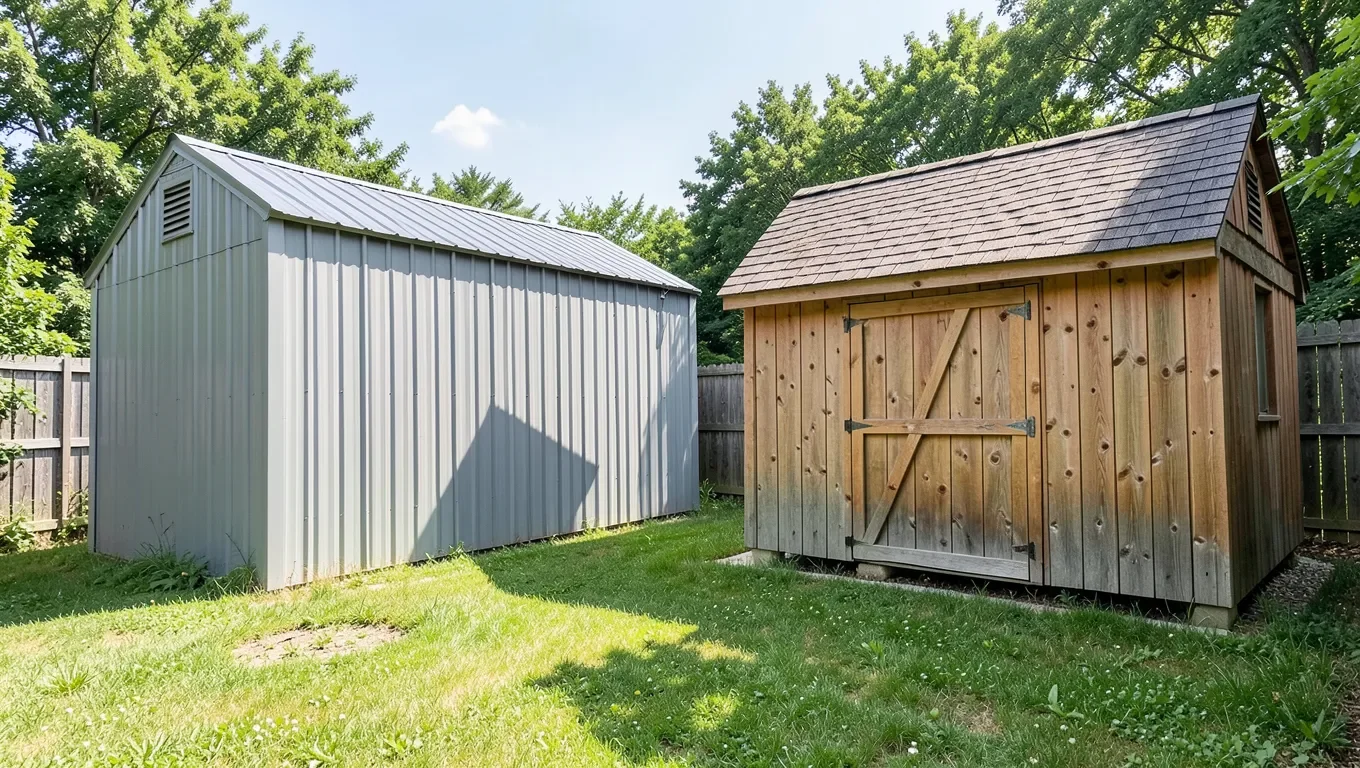
If you are choosing between a metal or wood storage shed, the honest answer is that neither material wins across the board. Wood sheds usually cost more upfront and need regular upkeep, but they are easier to customize, add real curb appeal, and tend to blend into a yard better than a prefab metal box. Metal sheds are typically cheaper for a basic kit and need very little maintenance, but they can dent, rust over time, and swing much further in temperature than a comparable wood shed. This guide walks through where each material actually wins, using the tradeoffs that matter most: weather resistance, storage capacity, upkeep, temperature swings, and what each one does to your yard’s look and resale value.
Metal vs Wood Shed: The Core Tradeoffs You’ll Actually Feel
Before you settle on a material, think about where the shed will sit and what it needs to protect. A shed on an exposed, windy lot has different needs than one tucked against a fence in a mild climate. Heavy tools and lawn equipment favor a sturdier metal frame; a workshop or potting shed you’ll actually spend time in favors wood’s better insulation and finish options. Once you know the job the shed has to do, the material choice gets a lot easier.
Best Exterior Sealer for a Wood Shed
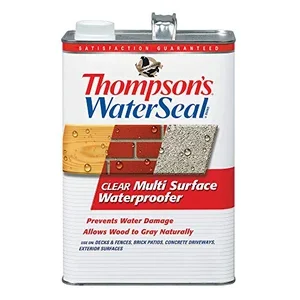 |
Thompson’s WaterSeal Clear Multi-Surface Waterproofer – $17.97 If you go with a wood shed, sealing the exterior is the single step that determines whether you avoid the rot and moisture problems covered below.
|
Climate and Weather: Where Each Material Actually Struggles
In wet or snowy climates, metal sheds generally hold up better. Steel panels do not absorb water the way untreated wood does, so there is less risk of rot, and a well-built metal shed sheds snow load without the swelling and warping that can affect wood over time. Wood, left untreated, will darken, soften, and eventually decay if it stays damp, which is why a wood shed needs a proper roof overhang, ventilation, and a sealed exterior from day one. Wind is a similar story: a properly anchored metal shed with a low-profile design typically resists high winds well, while an older or poorly built wood shed can develop gaps at the seams over years of exposure. None of this means wood cannot hold up in a harsh climate, it just needs more attention to sealing and site drainage to get there.
Temperature Swings: The Insulation Difference Most Guides Skip
One real difference that gets left out of most shed comparisons is thermal mass. Wood is a natural insulator; it has enough mass and trapped air in its cell structure to buffer a shed’s interior somewhat from outside temperature swings. Thin steel panels do not, so a metal shed genuinely runs hotter in direct summer sun and colder on freezing winter nights than a comparable wood shed with the same footprint. This matters more than it sounds: if you plan to store anything temperature-sensitive, paint, certain adhesives, batteries, canned goods, or if you want to spend real time working inside the shed, a metal shed without added insulation or ventilation can become uncomfortably hot in the afternoon. A wood shed, or a metal shed with insulation panels and roof venting added, evens that swing out considerably.
Matching Storage Needs to Shed Capacity
What you plan to store should shape the material decision as much as the climate does. Metal sheds are often built around a stronger structural frame relative to their price, so they can be a practical choice for heavy items like a mower, tiller, or shop equipment without a big jump in cost. Wood sheds can absolutely handle heavy loads too, but doing it well usually means a beefier stud frame and a solid foundation, which adds to the build cost. On the organization side, metal sheds commonly come with pre-drilled slots for shelving straight out of the kit, while a wood shed gives you the freedom to build in exactly the shelving, pegboard, or workbench layout you want, at the cost of doing that work yourself.
The Real Advantages and Downsides of Metal Sheds
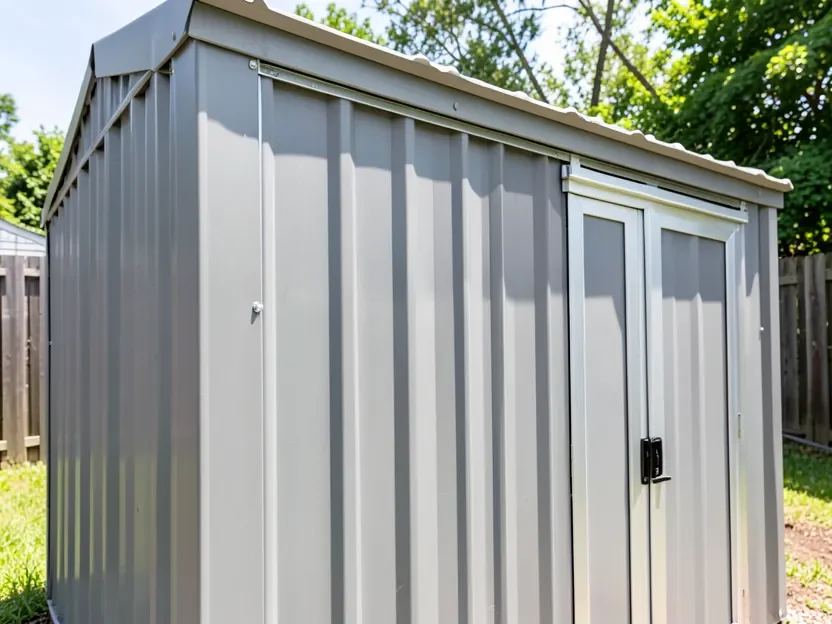
Metal sheds earn their reputation for low maintenance and durability, but they come with real weaknesses too. Weighing both sides honestly is the only way to know if a metal shed actually fits your situation.
Durability, Rust, and Fire Resistance
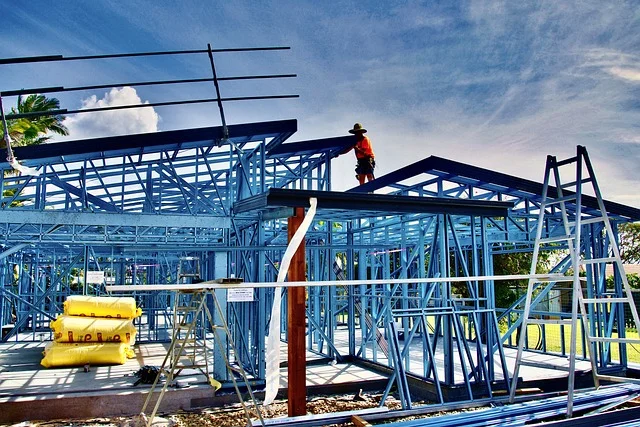
Most metal sheds are built from steel panels that resist rot and insect damage outright, which is a real structural advantage over untreated wood. A galvanized or powder-coated finish adds a rust-resistant layer on top of that, though the coating can still chip or scratch during assembly or from a hard impact, and exposed steel underneath will rust if it is not touched up. Steel is also non-combustible, which is a genuine safety edge in wildfire-prone areas. The tradeoff is that steel panels dent. A hailstorm, a dropped tool, or a stray baseball can leave a visible dent that is difficult to pull back out without professional bodywork, so a metal shed’s finish is more vulnerable to cosmetic damage than most people expect going in.
Maintenance and Cost: What You’re Really Paying For
Ongoing upkeep is where metal sheds pull ahead most clearly. There is no repainting or restaining schedule to keep up with, just occasional cleaning and a quick check for rust spots or loose fasteners after a bad storm. That lower maintenance burden also shows up in the upfront price: a basic pre-fab metal shed kit is typically less expensive than a comparable wood shed of the same footprint, since the steel panel construction is cheaper to mass-produce than dimensional lumber framing and siding. You are trading some long-term durability and dent resistance for that lower purchase price and near-zero maintenance, which is a fair trade for a lot of buyers who just need dry, secure storage without the upkeep.
What You Get (and Give Up) With a Wood Shed
Wood sheds trade some of that low-maintenance convenience for looks, flexibility, and a build you can actually shape to fit your property. Here is what that tradeoff really looks like.
Aesthetics, Customization, and Resale Value
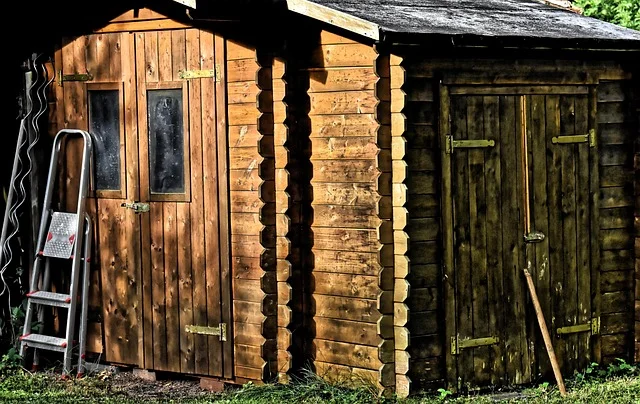
A wood shed is simply easier to make look like it belongs on your property. You can paint or stain it to match your house trim, choose a roofline that fits your home’s style, and add windows, a covered porch, or extra shelving without fighting the material. That flexibility is also why a well-built, well-maintained wood shed tends to blend into a yard’s overall look better than a metal box, and real estate agents and appraisers generally view a nicely finished wood outbuilding as more of a genuine property amenity than a strictly utilitarian metal one, which can translate into it adding a bit more to a home’s resale value when it is well kept. A rusting or dented metal shed, by contrast, tends to read as a maintenance item to a buyer rather than a feature.
Maintenance Requirements and What Can Go Wrong
The tradeoff for that flexibility is upkeep. Wood needs to be sealed, stained, or painted on a regular schedule, generally every couple of years depending on your climate and the quality of the finish, or it will start to gray, crack, and eventually let moisture in. Left unsealed in a damp climate, wood is genuinely more vulnerable to rot and to pests like termites and carpenter ants than a metal shed is, which is why sealing the exterior (and keeping an eye on the sill and floor framing, where moisture problems usually start) matters more for a wood shed’s lifespan than almost anything else you can do. Done consistently, that upkeep is what keeps a wood shed’s advantages, the look, the customization, the resale appeal, from being undercut by rot or pest damage a few years in.
Comparing Features: Metal vs Wood Shed
Here is the side-by-side breakdown of how the two materials stack up across the factors that matter most.
| Feature | Metal Shed | Wood Shed |
|---|---|---|
| Durability | High resistance to rot, pests, and fire; steel can dent | Durable when treated; needs sealing to resist rot, pests, and fire |
| Maintenance | Low, mostly occasional cleaning and rust checks | Higher, needs periodic staining, sealing, and pest checks |
| Temperature Control | Poor insulation, interior runs hotter and colder with outside swings | Better natural insulation, more stable interior temperature |
| Aesthetics | Utilitarian look, limited customization | Blends into landscaping, fully paintable and customizable |
| Cost | Generally lower upfront for a comparable size | Generally higher upfront, especially with custom features |
| Weather Resistance | Excellent against rain, snow, and wind when anchored properly | Good, but depends on proper sealing and site drainage |
| Resale Impact | Viewed as a utility purchase | Can add more to curb appeal and resale value when well maintained |
Ease of Assembly and Installation
Most metal shed kits are built for straightforward DIY assembly, with pre-cut, pre-drilled panels that bolt together with basic hand tools over a weekend. Wood sheds are more variable: a simple prefab wood kit can go together almost as fast as a metal one, but a shed you are framing and siding from scratch takes real carpentry time and, if you are not comfortable with that kind of build, may be worth hiring out. Both materials need a proper base, whether that is a level gravel pad, a concrete slab, or a raised wood platform, since a shed set directly on uneven ground will settle unevenly and stress the frame over time regardless of what it’s built from.
Longevity and Return on Investment
With minimal upkeep, a metal shed can stay structurally sound for decades since it is not exposed to rot or insect damage, which makes it a fairly low-risk, low-effort long-term purchase. A wood shed’s lifespan depends much more on how consistently it gets sealed and maintained, if that upkeep lapses for a few years the wood degrades noticeably faster, but a wood shed that is kept up tends to pay some of that maintenance cost back in curb appeal and resale value that a metal shed generally does not offer. Which one is the better long-term investment really comes down to whether you would rather pay in maintenance time or in upfront cost and design flexibility.
Frequently Asked Questions
Are metal sheds better in high-wind areas?
Generally yes. A properly anchored metal shed with a low-profile roof tends to handle high winds better than an older or poorly built wood shed, mainly because it has fewer seams and joints that can work loose over time. Anchoring is the key variable either way; an unanchored shed of either material is at risk in a serious storm.
How often do wood sheds need to be painted or stained?
Most wood sheds need a fresh coat of stain or sealer every two to five years, depending on your climate and the quality of the finish used. Sheds in wetter or sunnier climates typically need it on the shorter end of that range.
Can I build a wood shed myself, or do I need help?
A simple wood shed is a realistic DIY project if you already have basic carpentry experience and the right tools. More complex designs, or a build on a difficult site, are usually worth hiring out or starting from a prefab kit instead.
Are metal sheds resistant to fire?
Yes, steel does not burn, which makes metal sheds a genuinely safer option in wildfire-prone areas. Keep in mind this protects the structure itself; anything flammable stored inside can still catch fire from an external source.
Do metal sheds get hotter in summer than wood sheds?
Yes. Thin steel panels have very little thermal mass, so a metal shed’s interior heats up faster in direct sun and cools down faster on cold nights than a wood shed of the same size. Adding roof venting or interior insulation narrows that gap considerably if you plan to spend time working inside.
What is the best material for a shed?
There is no single best material, it depends on your priorities. Choose metal if you want low maintenance and a lower upfront cost; choose wood if customization, a natural look, and long-term curb appeal matter more to you than avoiding maintenance.
Final Thoughts
Neither material is the objectively “better” shed, they are built for different priorities. Metal wins on upfront cost, weather resistance, and how little attention it needs once it’s installed. Wood wins on customization, natural insulation against temperature swings, and how well it blends into a yard, plus the resale appeal that comes with that when it’s kept up. If you want to build a wood shed yourself, sealing the exterior properly from day one is what actually determines whether you get years of low-maintenance service out of it or an early rot problem.
Whichever way you go, match the material to your climate and how you’ll actually use the space, not just the sticker price. That’s the decision that determines whether your shed is still doing its job in fifteen years.
Sponsored / affiliate links. As an Amazon Associate I earn from qualifying purchases. I may earn additional commission from eligible campaigns.