How to Remove Dust After Sanding: Paint Like a Pro
You’ve just finished sanding your walls or furniture, and you’re ready to see your project come to life with a fresh coat of paint. But wait, there’s a crucial step you can’t skip: removing dust after sanding.
It’s a small task that can make a big difference in the final look of your paint job. Imagine spending time and effort on painting, only to find pesky dust particles ruining the smooth finish you envisioned. Dust can create bumps and uneven surfaces, which nobody wants.
But don’t worry; with the right techniques, you can easily clear away that dust and set the stage for a flawless paint job. You’ll learn the most effective ways to ensure your surface is perfectly clean and ready for painting. Let’s dive in and make sure your hard work pays off with a stunning result!
Preparing The Workspace
Remove all furnitureand decorationsfrom the room. Keep the space clean and open. This helps in easy cleaninglater. Put small items in boxes or bags. Store them in another room. This prevents them from getting dusty.
Cover floors with drop cloths. Protects them from dust and paint spills. Use large cloths for bigger areas. Smaller ones are good for tight spaces. Tape the cloths down to keep them in place. This ensures the floor stays clean.
Credit: vintagerevivals.com
Essential Tools For Dust Removal
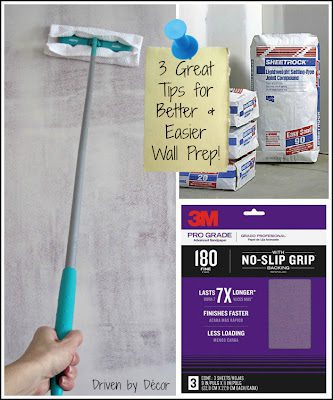
Dust removal after sanding is crucial for a smooth paint finish. Use a vacuum with a brush attachment to eliminate loose dust particles. Tack cloths efficiently capture remaining fine dust, ensuring a clean surface before painting.
Vacuum Cleaners
Using vacuum cleanershelps to remove dust efficiently. Dust can hide in corners and cracks. Vacuum cleaners suck up dust from every spot. Portable models are easy to carry. They are perfect for small areas. Choose one with a HEPA filter. It traps tiny dust particles. This keeps the air clean and safe.
Tack Cloths
Tack clothsare sticky cloths used to wipe surfaces. They pick up fine dust left after sanding. Just wipe the surface gently. No need for water or chemicals. Tack cloths are easy to use. They leave no residue. They are perfect for preparing surfaces for painting. Change cloths often for best results.
Air Blowers
Air blowersblow away dust quickly. They are great for cleaning large areas. Air blowers reach into deep corners. Handheld blowers are simple to use. They do not need much power. They help in removing dust from tight spaces. Make sure to use them in well-ventilated areas.
Effective Dust Removal Techniques
Use a vacuum cleanerwith a brush attachment. Move slowly over the surface. The brush lifts dust from tiny spaces. Ensure all areas are reached. Corners often hold more dust. Repeat until surfaces look clean. Vacuuming reduces dust before painting.
Tack cloths are sticky. They grab dust from surfaces. Unwrap the tack cloth. Gently wipe surfaces. Use long strokes. Change cloth when dirty. Do not press hard. Tack cloths make surfaces smooth and dust-free. Perfect for painting preparation.
Use a blowerto remove dust. Aim at dusty areas. Blow gently over surfaces. Dust flies away quickly. Blowers are good for large areas. Protect your eyes from dust. Blowing is effective for small particles. Ensures clean surfaces before painting.
Inspecting For Remaining Dust
Visual inspection is a key step before painting. Use a flashlight to check for dust. Shine the light at different angles. Look for dust particles on surfaces. Dark corners may hide dust. Move the light slowly and carefully. Shadows can reveal dust spots. This method helps find hidden dust. It’s quick and easy.
Dust removal is crucial for smooth painting. Clean thoroughly after inspection. A clean surface makes paint stick better. A flashlight helps spot missed areas. Remember, less dust means better results.
Preparing For Painting
Start by cleaning the surface with a damp cloth. This helps to remove loose dust particles. Use a vacuum to suck up any remaining dust. A tack cloth is great for removing tiny dust bits. Always wear a mask to protect from dust. Check the surface for any remaining dust before priming. Dust can ruin the finish.
Pick a paint that suits the room. There are many types. Glossy paint is shiny. Matte paint has no shine. Paint for bathrooms should resist water. Read the paint can for instructions. Always use a paintbrush or roller. Apply evenly for a smooth look. Different paints dry at different times. Let the paint dry fully before adding another coat.
:max_bytes(150000):strip_icc()/Woodstain-GettyImages-184880660-59cc5f3a054ad90010f43ca5.jpg)
Credit: www.thesprucecrafts.com
Maintaining A Dust-free Environment
Dust can hide in corners and on surfaces. Use a damp clothto wipe surfaces daily. Sweep floors to keep them clean. A vacuum with a HEPA filterhelps. It traps tiny dust particles. Empty the vacuum often. Dust loves to settle on windowsills and shelves. Clean them often to stop buildup.
An air purifier can help remove dust. It keeps the air clean. Choose one with a high-efficiency filter. Place it near the work area. Keep doors and windows closed. This stops more dust from coming in. Run the purifier regularly for best results. Check and replace filters on time.

Credit: www.youtube.com
Frequently Asked Questions
How Do You Remove Sanding Dust Before Painting?
Use a vacuum with a brush attachment to remove sanding dust. Wipe surfaces with a damp cloth. Ensure the area is dry before painting. Employ a tack cloth for final dust removal. This ensures a clean surface for better paint adhesion.
What Cloth Removes Dust Before Painting?
A tack cloth effectively removes dust before painting. It is a sticky, lint-free cloth designed for cleaning surfaces. Use it to ensure a clean, smooth surface, enhancing paint adhesion and finish quality. Its sticky texture traps dust, dirt, and particles, making it ideal for preparation.
How To Get Rid Of Dust While Sanding?
Use a vacuum with a HEPA filter to capture dust. Wear a dust mask for personal protection. Wet sand surfaces to minimize airborne particles. Seal off the work area with plastic sheeting. Employ a dust extraction system attached to your sander for efficient dust control.
What To Do After Sanding And Before Painting?
Clean the surface thoroughly to remove dust. Apply a primer to ensure better paint adhesion. Ensure the area is dry and smooth. Check for imperfections and fix them. Use painter’s tape to protect adjacent areas.
Conclusion
Removing dust after sanding is crucial for a smooth paint finish. Clean surfaces ensure better paint adhesion. Use a vacuum or damp cloth to wipe away dust. Tack cloths are great for removing fine particles. Don’t rush; thorough cleaning prevents imperfections.
Pay attention to corners and edges. They’re dust magnets. Once clean, inspect under good lighting. Double-check before starting to paint. Proper preparation leads to professional-looking results. A dust-free surface enhances the final look. Achieve a flawless finish with careful cleaning.
Your efforts will pay off with beautiful, lasting paintwork. Happy painting!