Best Paint Roller for Cabinets: Foam vs Microfiber (Smoothest Finish)
For the smoothest finish on cabinets, use a 4-inch high-density foam roller cover, or a microfiber cover with a 1/4-inch nap or shorter if you want to move faster. Foam leaves the least texture because it has no fibers to leave a stipple. Microfiber holds more paint and covers quicker, but the common 3/8-inch nap versions leave a faint orange-peel pattern on flat doors. Either way, the roller is only half of a smooth result: thin coats, the right paint and a light touch decide the rest.
Foam vs Microfiber: Which Roller Is Smoother?
Best Foam Roller Pick for Cabinets
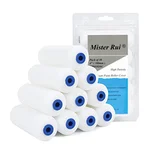 |
Mister Rui 4 Inch High-Density Foam Roller Covers, 10-Pack – $10.97 A cheap pack of 4-inch foam covers that fit a standard mini roller frame, so you can use a fresh cover for each coat on doors and drawer fronts.
|
Foam covers are a solid cell structure rather than a fabric, so there is no nap to leave a pattern. They release a thin, even film, which is why they suit flat panels on doors and drawer fronts. The trade-off is air. A foam cover compresses as it rolls and can push tiny bubbles into the wet paint, especially if the roller is loaded heavily or moved quickly. Those bubbles flatten out if the paint levels well, but they can dry in place with a fast-drying paint.
Microfiber is a short synthetic pile. It picks up more paint per dip and is more forgiving on larger surfaces like cabinet sides and island panels. The nap length matters a lot, though. A 1/4-inch microfiber cover gives a noticeably finer surface than a 3/8-inch one, and woven fabric covers made for smooth enamel finishes sit in the same range. Wool and other long-nap covers are made for rough walls and ceilings, not cabinets, so leave them on the shelf.
Nap Size and Price: What Is Actually Sold in 4-Inch Rollers
Here is something most roller guides skip. Shopping for 4-inch mini covers, many of the listings are a 3/8-inch nap, and the shorter 1/4-inch options cost more per cover. We pulled current listings from Amazon in October 2026 and worked out the price per cover so you can see the trade-off. Prices move, so treat these as a snapshot rather than a fixed price list.
| Cover | Nap | Covers in pack | Pack price | Per cover |
|---|---|---|---|---|
| Mister Rui 4-inch foam covers | Foam (no nap) | 10 | $10.97 | $1.10 |
| Wooster Mini-Koter R317 microfiber | 3/8 inch | 10 | $14.99 | $1.50 |
| Purdy White Dove mini roller refills | 3/8 inch | 2 | $5.40 | $2.70 |
| Purdy White Dove Jumbo Mini cover (4-1/2 inch) | 1/4 inch | 2 | $6.97 | $3.49 |
| Premier microfiber mini cover (4 inch) | 1/4 inch | 2 | $8.37 | $4.19 |
Two takeaways. First, the 1/4-inch covers cost roughly two to four times as much per cover as a bulk foam pack, so for a whole kitchen, foam is the budget route to a smooth finish. Second, because covers are cheap, use a new one for the final coat instead of squeezing a worn cover through the whole job. A cover that is already matted or has picked up dried paint will leave marks no matter which brand it is.
The Myth That Foam Never Leaves Bubbles
Product listings for foam covers love to say they will not leave bubbles. That is only true when you use them correctly. Bubbles show up when the cover is oversaturated, when you roll fast enough to whip air into the paint, or when you press hard and squeeze paint out of the foam in a wave. Fix it at the source instead of sanding afterwards.
- Load the cover lightly and roll off the extra on the tray ramp until it stops dripping.
- Roll slowly, at about the speed of a slow walk, with light pressure.
- Work in thin coats and avoid going back into paint that has started to tack up.
- Keep the room around 65 to 75 F so the paint levels before it skins over.
- If a few bubbles still dry in place, sand lightly between coats and recoat thinly.
Paint choice matters just as much as the roller. A cabinet-grade enamel, either a waterborne alkyd or a self-leveling acrylic, flows out better than a wall paint. If you are still choosing, our guide to what kind of paint to use on wood breaks down the options. A paint conditioner such as Floetrol for water-based paint or Penetrol for oil-based paint can also slow the drying slightly so brush and roller marks level out. Follow the label on the can for the amount.
How to Roll Cabinets for a Smooth Finish
A good roller cannot hide poor prep. Here is the order that gives the cleanest result on doors and drawer fronts.
- Clean first. Kitchen cabinets carry grease. Degrease with a household cleaner and let them dry fully. Our guide on cleaning painted cabinets is also worth keeping for after the paint has cured.
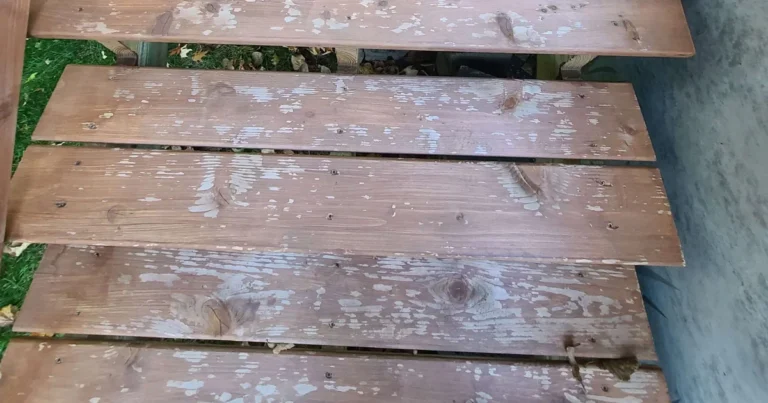
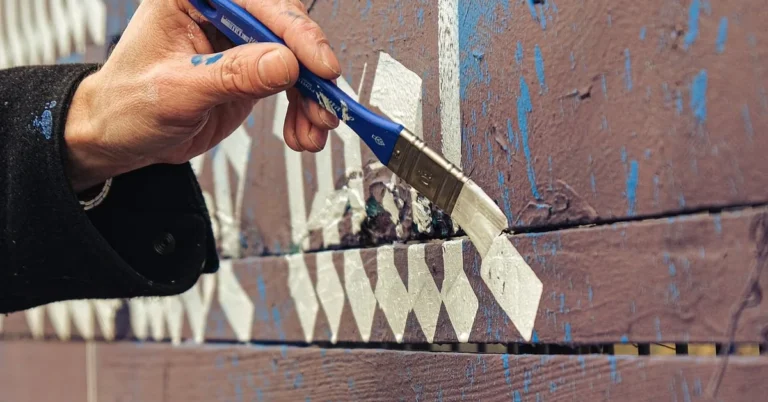
- Strip or sand. Remove loose old paint, then scuff the surface with 150 to 180 grit. Sand small crevices by hand so profiles stay crisp.
- Prime. Use a bonding primer on slick or stained wood and sand it lightly once it is dry.
- Prep the new cover. Wrap a new cover in masking tape and peel it off to lift loose fibers or foam crumbs. Do not skip this on microfiber.
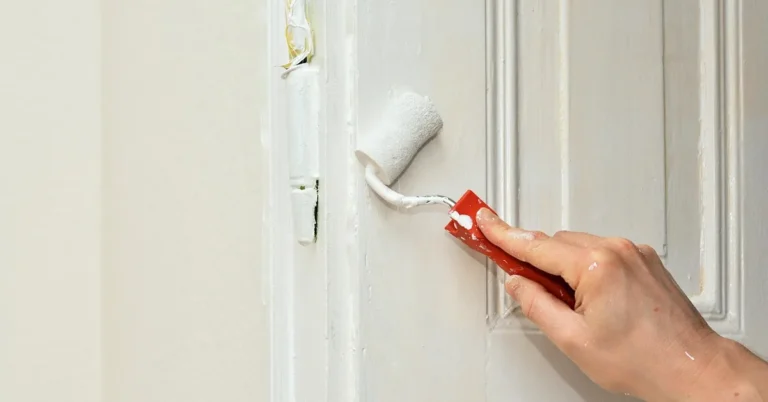
- Brush the edges, then roll. Cut in the panel edges and recesses with a brush, then roll the flat faces while the brushed paint is still wet so the two blend.
- Finish with a light, same-direction pass. Lay off each section with a nearly dry roller moving in one direction, then leave it alone.
- Recoat on the schedule on the can. Sand lightly with 320 grit between coats and wipe off the dust. See our note on how long semi-gloss paint takes to dry before you rush a recoat.
For the sealing step after the final coat, see how to seal cabinet paint. If your home was built before 1978, test the old paint for lead before sanding it, and follow EPA lead-safe work practices if the test is positive.
Roller Size and Care
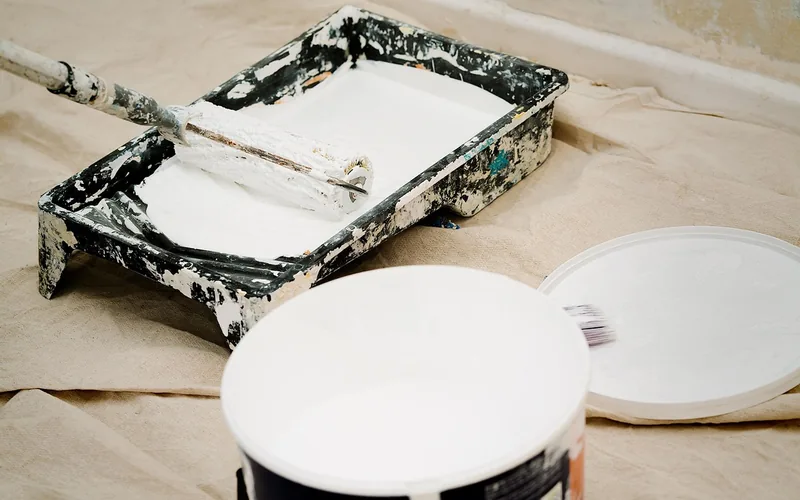
A 4-inch mini roller is the right size for door faces, drawer fronts and stiles. Large flat panels, such as an island side, can take a 6-inch roller, but a 9-inch wall roller carries too much paint and is hard to control on narrow parts. Clean the cover right after use. For water-based paint, washing rollers in a sink works if you rinse until the water runs clear. If you stop between coats, wrap the roller to keep it from drying out. For oil-based paint, follow the can for the correct thinner, and lay used rags flat to dry outdoors because oily rags can heat up and ignite when bunched together.
Frequently Asked Questions
What type of roller gives the smoothest cabinet finish?
Foam is a solid cell structure with no fibers, so it leaves the least texture. If you prefer a fabric cover, choose a 1/4-inch nap or shorter and avoid 3/8-inch covers on flat doors. A 4-inch mini roller is the best size for doors and drawer fronts.
Is foam or microfiber better for painting cabinets?
Foam usually gives the finer finish on flat doors, but it can trap air bubbles if overloaded. Microfiber holds more paint and covers faster, but a 3/8-inch nap leaves faint texture. Many painters use foam for the final coat on doors and microfiber for bigger panels.
What nap size is best for cabinet painting?
Choose 1/4 inch or shorter. Foam has no nap. Many 4-inch microfiber and woven covers are 3/8 inch, which leaves a faint pattern, so check the label before you buy. Avoid 1/2-inch or longer naps on cabinets.
What size roller is best for painting cabinets?
A 4-inch mini roller is the best size for doors, drawer fronts and stiles. For big flat panels like an island side, a 6-inch roller can work. A 9-inch roller carries too much paint for most cabinet parts.
Do foam rollers leave bubbles on cabinets?
Foam rollers can leave bubbles if the coat is too thick or the roller moves too fast. Load the cover lightly, roll slowly with light pressure, and work in thin coats. If bubbles dry in place, sand lightly and recoat.
How many coats do cabinets need with a roller?
Plan on primer plus two thin coats of paint. Add a third thin coat if you are covering a dark color. Sand lightly between coats and let each coat dry for the time on the can.
Conclusion
For smooth cabinets, buy a few 4-inch foam covers, roll in thin coats with a light touch, and use a fresh cover for the last coat. If you want a faster microfiber cover, hold out for a 1/4-inch nap rather than the more common 3/8-inch. Pair the roller with a good cabinet enamel and the finish gets very close to a sprayed look.
Sponsored / affiliate links. As an Amazon Associate I earn from qualifying purchases. I may earn additional commission from eligible campaigns.