How Long Semi-Gloss Paint Takes to Dry (Dry vs. Cured Explained)
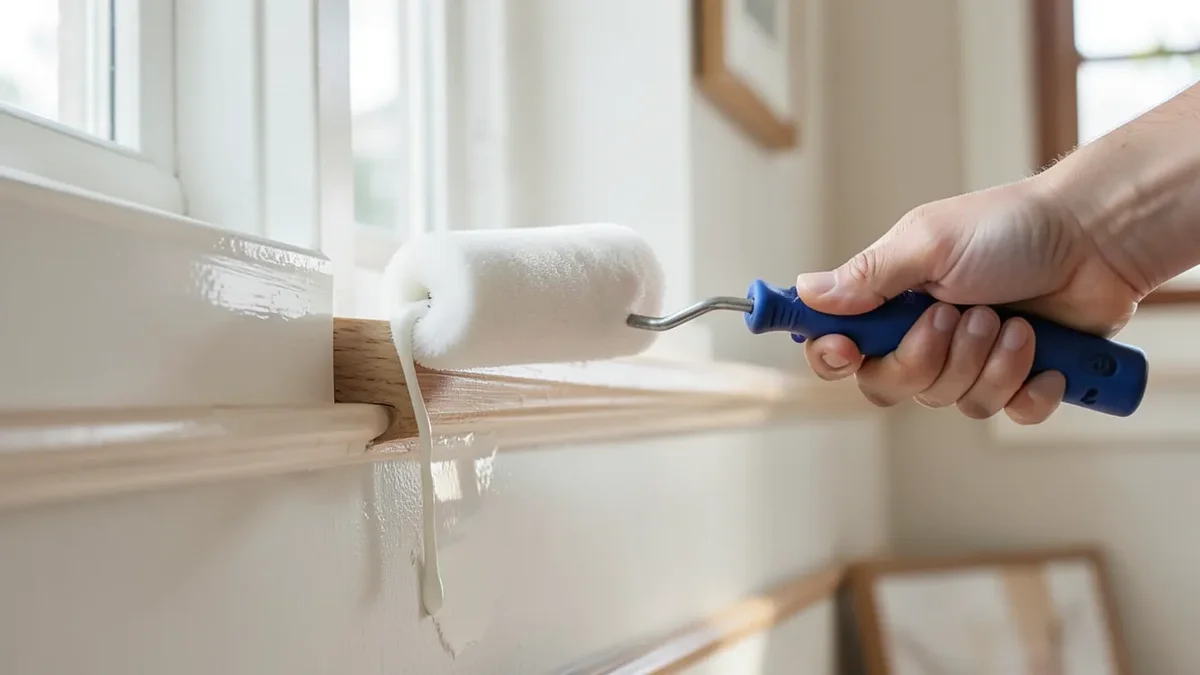
Semi-gloss paint is dry to the touch in 30 minutes to 1 hour and safe to recoat in 2 to 4 hours under normal conditions (around 70-77°F and 50% humidity), but it takes a full 30 days to fully cure to its final hardness. That last number is the one most guides skip, and it’s the one that actually matters if you’re wondering why a “dry” painted surface still dents or marks weeks later.
“Dry” and “cured” are different things, and mixing them up is the most common mistake with semi-gloss paint specifically, because its harder, shinier finish makes it look fully set well before it actually is. Here’s the real timeline, what actually changes it, and how to avoid the marks and tackiness that show up when people rush it.
Dry vs. Cured: The Real Timeline
Reliable Semi-Gloss for Trim & Doors
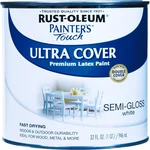 |
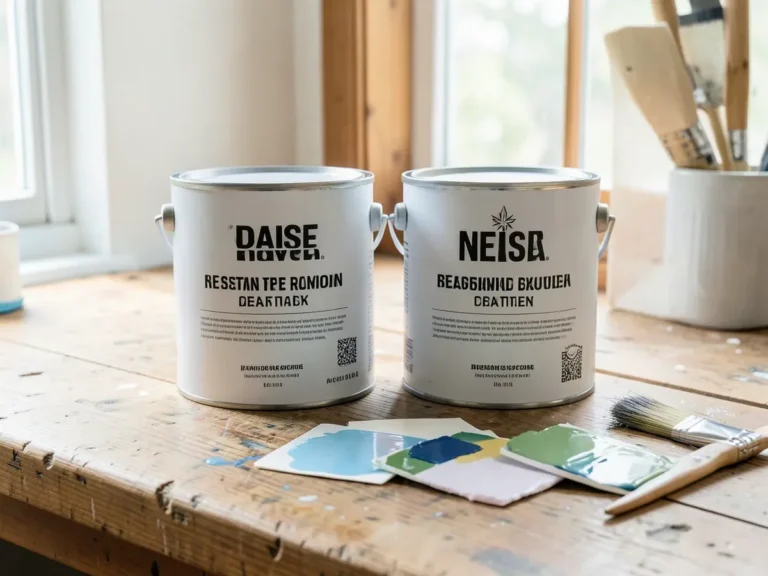
Rust-Oleum Painter’s Touch Semi-Gloss White, Quart – $13 A fast-drying latex semi-gloss built for trim, doors, and furniture, with the durability to handle repeated cleaning once fully cured.
|
| Stage | Typical Time | What It Means |
|---|---|---|
| Dry to touch | 30-60 minutes | Won’t smudge if you touch it lightly, but still soft |
| Safe to recoat | 2-4 hours | Second coat won’t lift or streak the first |
| Safe for light use | 24 hours | Can close doors, hang light items on painted trim |
| Fully cured | ~30 days | Full hardness and washability reached; safe for heavy use, scrubbing |
These are baseline figures at around 70-77°F and 50% humidity – check your specific paint can, since brands and formulas vary (some interior semi-gloss dries to touch in as little as 30 minutes, others closer to an hour). Exterior semi-gloss generally takes longer at every stage than interior formulas, since it’s engineered to survive weather rather than just look good. (If you’re specifically using Behr, our Behr paint drying-time breakdown covers recoat times by their specific product lines.)
Why Semi-Gloss Specifically Takes Longer to Fully Cure
Semi-gloss and gloss paints have more resin (the binder that hardens as it cures) relative to pigment than flat or eggshell paint, which is exactly what gives them their shine and washability once fully cured. That same higher-resin formula means the surface can feel dry to the touch well before the resin has finished cross-linking and hardening all the way through the film – which is why a semi-gloss door or trim piece can look perfectly finished and still show a thumbnail dent or a stuck-on sticky spot from tape a week or two after painting.
What Actually Changes Drying Time
- Humidity – high humidity slows evaporation and extends every stage above; painting on a dry day matters more than most people expect.
- Temperature – warmer conditions (within reason) speed drying; very cold conditions slow it dramatically, and painting below the temperature range printed on the can risks a finish that never cures properly.
- Airflow – moving air (open windows, a fan aimed across the surface, not directly at it) speeds up solvent/water evaporation without disturbing the wet film.
- Coat thickness – a heavy, thick coat takes dramatically longer to dry through than two thin coats, and is also more likely to sag, crack, or stay tacky at the surface while trapping wet paint underneath.
- Paint formula – oil-based semi-gloss dries and cures slower than water-based (latex/acrylic) semi-gloss, but many painters still prefer it on trim and doors for its harder, smoother final finish.
Speeding Up Drying (Without Ruining the Finish)
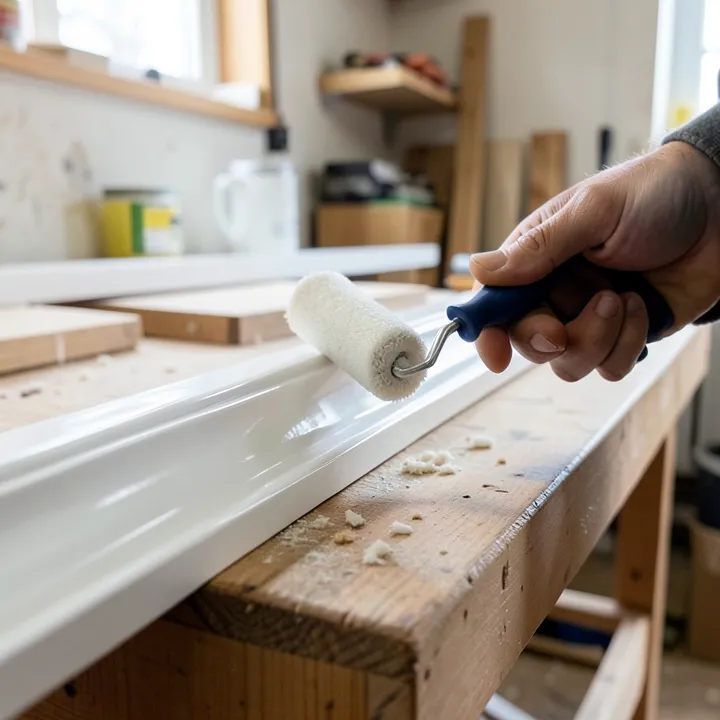
A fan aimed across the room (not directly at the wet surface) and open windows for cross-ventilation is the safest way to speed drying – direct airflow onto wet paint can cause dust to stick or the surface to skin over unevenly while it’s still wet underneath. Keep the room in the 65-85°F range if you can; both very cold and very hot conditions cause problems (cold slows curing indefinitely, heat can dry the surface too fast and trap solvents underneath, leading to cracking or wrinkling). Apply thin coats rather than trying to get full coverage in one pass – two thin coats dry faster in total than one thick one and give a more even final sheen, which matters more with semi-gloss than flatter finishes since sheen unevenness is much more visible under light.
Common Mistakes That Cause Problems
Applying a second coat before the first has actually reached its recoat window (not just “looks dry”) is the single most common cause of streaking, lifting, or a cloudy finish – check the can’s specific recoat time rather than assuming 1-2 hours is universal. Painting in high humidity or a closed-up room without airflow extends every stage well past the can’s baseline estimate. Rehanging doors, replacing outlet covers, or pressing tape onto a painted surface before the 24-hour light-use mark risks peeling the film or leaving a permanent mark, since the paint hasn’t built enough hardness yet. For proper surface prep before you even get to drying time, removing sanding dust thoroughly first prevents nibs and rough spots that no amount of drying time will smooth out.
Frequently Asked Questions
How long should you let semi-gloss paint dry before a second coat?
Most semi-gloss paints are safe to recoat in 2 to 4 hours under normal conditions (around 70-77°F, 50% humidity), though some interior formulas allow recoating in as little as 1-2 hours. Always check your specific paint can’s recoat time rather than assuming a universal number, since formulas vary by brand.
Why is my semi-gloss paint still tacky after a day or two?
Persistent tackiness usually comes from one of three causes: high humidity slowing evaporation, cold temperatures slowing the cure chemically, or a coat applied too thick. Improve ventilation and airflow, and give it more time – a semi-gloss finish can take up to 30 days to fully cure even after it feels dry.
Do I really need to wait the full recoat time between coats?
Yes. Recoating too early is the most common cause of a streaky, lifted, or cloudy semi-gloss finish, because the first coat hasn’t finished releasing its moisture or solvent yet. The exact time varies by product, so the can’s label is more reliable than a general rule of thumb.
How long until semi-gloss paint is fully cured, not just dry?
Around 30 days for most semi-gloss formulas. The paint is dry to the touch in under an hour and safe for light use within a day, but full hardness, washability, and resistance to scuffs and dents take roughly a month to develop as the resin finishes cross-linking.
Conclusion
Semi-gloss dries to the touch fast – usually under an hour – which is exactly what tempts people to treat it as finished before it’s cured. Respect the can’s specific recoat time, keep coats thin, control humidity and airflow, and give it the full 30 days before subjecting painted trim or doors to heavy daily wear. That patience is the difference between a finish that lasts years and one that shows dents and marks within the first month.
Sponsored / affiliate links. As an Amazon Associate I earn from qualifying purchases. I may earn additional commission from eligible campaigns.