Best Central Vacuum Attachments for Hardwood Floors
A soft natural-bristle floor brush is the right central vacuum attachment for hardwood floors — synthetic bristles and spinning beater bars cause micro-scratches you cannot reverse. Most central vacuum systems use a 1-1/4-inch hose fitting, which means the majority of bare-floor brushes on the market fit directly without an adapter. This guide covers the four best brushes tested for hardwood use, how to verify fit before you buy, and the one maintenance step that prevents bristle-caused scratches regardless of which brush you choose.
Quick Answer
Use a natural-bristle bare-floor brush (not a turbo or beater-bar powerhead) for central vacuum cleaning on hardwood. Most systems accept standard 1-1/4-inch fittings. Brushes from Broan-NuTone, Cen-Tec, and Wessel-Werk cost $12-$35 and are confirmed safe on finished hardwood, tile, and laminate.
Best Central Vacuum Attachments for Hardwood Floors
Best Central Vacuum Hardwood Floor Pick
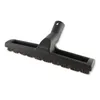
Broan-NuTone CT156B Hardwood Floor Tool With Natural Brush
An 11-3/4-inch wide brush with two rows of natural bristles and dual rubber wheels. The swivel neck reaches under furniture in a single pass and the rubber wheels keep the brush level even on uneven hardwood planks.
- Best for: Broan and NuTone central vacuum owners wanting a direct brand-matched fit
- Why we picked it: Natural bristles + dual rubber wheels eliminate both scratch and swirl risk; swivel neck covers baseboard edges without moving furniture
- Main drawback: Only fits standard 1-1/4-inch round fittings — incompatible with BEAM Alliance 2G squared wand systems
Compare more central vacuum hardwood floor brush options
 Option 1 Cen-Tec Systems 12″ Natural Fill Vacuum Floor Brush
|
 Option 2 Wessel-Werk D330 Turn-and-Clean Soft Natural Bristle Floor Brush (12.5″)
|
 Option 3 Horsehair Vacuum Brush Attachment 1.25″ Fit, 360 Swivel
|
As an Amazon Associate we earn from qualifying purchases.
These four brushes consistently get picked for hardwood use because all of them share two non-negotiable features: natural or extra-soft synthetic bristles, and rubber or felt wheels that glide without marring the finish. Prices and buying links are current as of 2026.
How to Choose the Right Central Vacuum Attachment for Hardwood
Three things drive the choice: bristle type, hose diameter, and whether the brush has rubber or felt wheels. Get these wrong and you either end up with an attachment that does not fit, or one that fits but scratches your floor over time.
Natural Bristle vs. Synthetic vs. Turbo Brush: Which Is Safe on Hardwood?
Natural bristle brushes are a soft-fibered floor attachment type that uses real animal-hair bristles (commonly horsehair or boar hair) to sweep and capture dust without abrasion. They are the safest choice for finished hardwood because the soft fibers bend on contact rather than dragging across the surface.
| Brush Type | Safe on Hardwood? | Best For |
|---|---|---|
| Natural bristle (horsehair / boar) | Yes — gentlest option | Finished hardwood, tile, marble, polished stone |
| Soft synthetic bristle (felt strip / microfiber) | Yes — nearly as gentle | Hardwood, laminate, vinyl plank |
| Hard synthetic / nylon bristle | No — micro-scratch risk | Tile grout, garage floors, rough concrete |
| Turbo / beater-bar powerhead | No — always off on hardwood | Carpet and rugs only |
| Microfiber mop head (CentraMop style) | Yes — gentlest and quietest | Polished or waxed hardwood where dust-mopping is preferred |
Central Vacuum Hose Diameter Compatibility: 1-1/4″ vs 1-3/8″ vs 2G Squared (BEAM Alliance)
Most central vacuum floor brushes on the market are built for the standard 1-1/4-inch (32mm) round wand fitting, which covers the majority of Broan-NuTone, Vacuflo, CanaVac, and Husky systems. Before ordering, check your wand end with a tape measure — the inner diameter of the wand opening is what matters, not the outer diameter.
| Fitting Type | Inner Diameter | Compatible Brands | Brush Options |
|---|---|---|---|
| Standard round | 1-1/4 in (32mm) | Broan-NuTone, Vacuflo, CanaVac, Husky, VacuMaid, MD Manufacturing | Widest selection — most aftermarket brushes |
| Standard round (wider) | 1-3/8 in (35mm) | Some older Hoover and Electrolux central vac models | Fewer options; look for “universal” kits with both adapters |
| BEAM Alliance 2G squared | Proprietary square fitting | BEAM Alliance systems only | Must use BEAM-specific tools — standard round brushes do not fit |
If your wand is 1-1/4-inch round, any of the four picks above will connect without an adapter. If you have a BEAM Alliance system with the squared wand, you need to order BEAM-branded hardwood floor tools directly — third-party brushes are not compatible.
How to Install and Use Central Vacuum Attachments on Hardwood Floors
Installing a central vacuum floor brush takes under a minute on any standard 1-1/4-inch wand. The key step most people skip is confirming the bristle rows are free of embedded grit before the first use — a single piece of trapped gravel can scratch a whole room.
Step-by-Step: Connecting and Using the Attachment
- Confirm the fitting diameter: Hold the brush opening against the open wand end — it should click or slide on with friction but no force. If you need to force it, you have a size mismatch.
- Inspect bristles before first use: Turn the brush upside down and run your fingers across the bristle rows. Remove any packaging debris, grit, or embedded particles with a stiff comb or your fingers.
- Set suction to medium: High suction with a bare-floor brush can suck the brush flat to the floor and drag rather than glide. Start at 50-60% suction and adjust up only if dust is not lifting.
- Vacuum with the grain: Move the brush in the same direction as the wood grain — this pushes fine dust into the suction airflow rather than across the grain grooves where it can embed.
- Do not rock side to side on plank edges: Rocking the brush aggressively at the seams between boards puts the wand collar — which is usually plastic — in contact with the floor surface. Keep the brush flat and let the bristles do the work.
How to Prevent Scratching Hardwood Floors When Vacuuming
The vacuum attachment itself is rarely the scratch culprit — it is usually grit that becomes trapped in the bristle rows after the first few uses. Checking and cleaning the brush between rooms (not just between sessions) keeps your floors safe over the long term. The National Wood Flooring Association specifically recommends vacuuming with a soft brush attachment and no rotating beater bar, at a frequency of 2-3 times per week in high-traffic areas to prevent abrasive particles from building up. If you want to know which full-size vacuums are safe for hardwood, see our guide to vacuums that will not scratch wood floors.
Maintaining Your Central Vacuum Hardwood Floor Attachments
Cleaning the Bristles
After every 3-4 uses, hold the brush over a trash bin and pull any collected hair, thread, or debris from the bristle rows with a stiff comb. For a deeper clean once a month, rinse the brush head under warm running water and allow it to air dry completely before reattaching — do not store it damp, as wet natural bristles splay and lose their shape. Avoid soaking or using soap on natural horsehair bristles; soap strips the natural oils that keep the fibers flexible.
When to Replace a Worn Central Vacuum Floor Brush
Replace the brush when the bristles show visible splay (fanning outward rather than standing upright), when the wheels no longer roll smoothly, or when the attachment no longer clicks securely onto the wand. Splayed bristles reduce cleaning effectiveness and increase the contact area between stiff bristle tips and your floor. At $12-$35 per brush, replacement is more practical than attempting to reshape worn natural-fiber bristles. Most standard 1-1/4-inch brushes last 2-4 years with regular cleaning. For more hardwood floor care guidance, see our article on how to seal hardwood floors to understand why surface protection matters for vacuum safety.
Advantages of Using a Central Vacuum System on Hardwood Floors
Central vacuum systems exhaust air outside the living area rather than filtering and recirculating it through the room, which means fine dust stirred up during vacuuming does not immediately settle back onto your floors. Portable vacuums — even HEPA models — exhaust processed air back into the room at the motor, redepositing some airborne particles. For households sensitive to dust or pet dander, this difference is meaningful. The suction power on most central vacuum units also outperforms portable vacuums at the same price point, which translates to better pickup on grit that would otherwise scratch hardwood if left on the surface.
Flexible Neck Design and Lightweight Cleaning
Bare-floor brushes for central vacuums weigh between 4-12 ounces — much lighter than a full canister or upright vacuum unit. The suction hose provides the only real weight. This lets you push the brush with fingertip pressure along the floor rather than bearing down with force, which further reduces any risk of the brush collar or wand lip contacting the wood surface. If you prefer a stick-style vacuum for routine dustin, our stick vacuum for hardwood floors guide covers the best lightweight options as a complement to your central vacuum system.
Comparing Central Vacuum Attachments at a Glance
| Attachment | Width | Price | Swivel Neck? | Best For |
|---|---|---|---|---|
| Broan-NuTone CT156B | 11-3/4 in | ~$26 | Yes | NuTone / Broan owners, under-furniture reach |
| Cen-Tec 12″ Natural Fill | 12 in | ~$12 | No | Budget buyers, open floor plans |
| Wessel-Werk D330 | 12.5 in | ~$34 | Yes (turn-to-switch) | Mixed hard floor + area rug rooms |
| Horsehair 360 Swivel | ~10 in | ~$17 | 360-degree swivel | Tight corners, under low furniture |
Frequently Asked Questions
Is Central Vacuum Good for Hardwood Floors?
Yes — central vacuum systems are among the best cleaning options for hardwood floors specifically because they exhaust air outside the home rather than recirculating it through the room. This eliminates the secondary dust settlement that occurs with portable vacuums. Combined with a natural bristle bare-floor brush, a central vacuum cleans hardwood thoroughly without the abrasion risk of a spinning beater bar. The National Wood Flooring Association endorses vacuuming with a soft brush (beater bar off) as the preferred maintenance method for finished hardwood.
Why Is My Central Vacuum Scratching My Hardwood Floors?
The most common cause is embedded grit in the bristle rows, not the bristles themselves. After every few uses, particles of sand and fine debris collect in the brush and act as an abrasive against the floor surface. The second-most common cause is using a turbo or beater-bar powerhead on hardwood — those attachments are designed for carpet and should always be set to hard-floor mode (or not used on hardwood at all). Check the brush for embedded debris and replace it if the bristles are splayed or stiff.
What Attachment Should I Use for Hardwood Floors with a Central Vacuum?
Use a bare-floor brush with natural bristles (horsehair or similar) and non-marking rubber wheels. Avoid any attachment with a spinning roller or stiff nylon bristles. The Broan-NuTone CT156B and Cen-Tec 12″ Natural Fill brush are the most consistently recommended options. Both fit standard 1-1/4-inch central vacuum wands without an adapter.
Are Natural Bristles Better Than Synthetic for Central Vacuum Hardwood Cleaning?
For finished hardwood, natural bristles (horsehair, boar hair) are safer than stiff nylon or hard synthetic bristles because the natural fibers flex on contact rather than drag. Extra-soft synthetic bristles (microfiber strips, felt-edge designs) perform comparably to natural fibers. The key distinction is between soft and hard bristles — not natural versus synthetic. A microfiber-edged brush is as safe as a horsehair brush; a nylon-bristle brush is not safe regardless of the material label.
Central vacuum bare-floor brushes are straightforward replaceable parts — at $12-$35, choosing a dedicated hardwood attachment instead of using a general-purpose powerhead is the single most cost-effective step you can take to protect a floor that costs $8-$14 per square foot to replace. For a broader vacuum comparison covering stick, robot, and canister vacuums for hardwood, see our guide to the best vacuum for hardwood floors.
Sponsored / affiliate links. As an Amazon Associate I earn from qualifying purchases. I may earn additional commission from eligible campaigns.