How to Reduce Dust When Sanding Wood: HEPA & Wet-Sand Methods
A HEPA-filtered vacuum attached directly to your sander removes up to 99% of sanding dust, and wet-sanding works nearly as well on finishes rated for water contact. OSHA caps wood dust exposure at 5 mg/m³ over an 8-hour day, and the finest particles stay airborne long after you stop. This guide covers the 5 methods that actually cut dust, which vacuum specs matter, and how to protect your lungs while sanding.
Quick Answer
To reduce dust when sanding wood, use a HEPA-filtered vacuum attachment on your sander, try wet-sanding on finishes that allow water contact, keep the sander moving instead of dwelling in one spot, empty the dust bag or canister often, and seal off the work area while wearing a P100 or N95 mask.
Why Sanding Creates So Much Dust
Best Dust Mask Pick for Sanding

AirGearPro G-500 Reusable Respirator Mask – $39.99
Pairs with the HEPA vacuum method above — the A1P2 filters catch the fine dust a vacuum attachment can’t stop before it reaches your lungs.
- Best for: Long sanding sessions where a paper dust mask isn’t enough
- Why we picked it: A1P2 filters block at least 98% of airborne particles, CE-rated
- Main drawback: Bulkier than a disposable mask; replacement filters cost extra
Compare more dust control gear
 Option 1 GVS Elipse P100 Half Mask Respirator – $49.91
|
 Option 2 Shop Vac Universal Tool Adapter (2-Pack) – $14.99
|
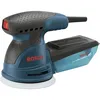 Option 3 Bosch ROS20VSC Palm Sander with Vacuum Dust Collector – $69.00
|
As an Amazon Associate we earn from qualifying purchases.
Sanding removes wood fiber through abrasion, and every pass throws off particles ranging from visible shavings down to fine dust under 10 microns — small enough to bypass your nose and throat and reach deep into your lungs. The faster the grit removes material, the finer and more airborne the resulting dust becomes.
📊 OSHA caps wood dust exposure at 5 mg/m³ (respirable) over an 8-hour day, with a 10 mg/m³ short-term limit — Source: OSHA Standard Interpretation, Wood Dust Sampling
“Wood dust doesn’t just irritate the nose — repeated exposure can sensitize the respiratory system enough to trigger asthma-like reactions even at lower concentrations.”
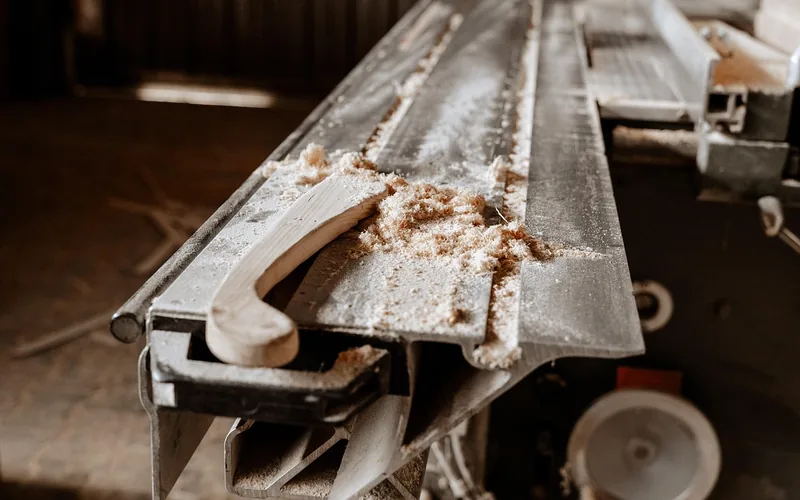
5 Methods to Reduce Dust When Sanding Wood
The fastest way to cut sanding dust is to capture it at the source with a vacuum-connected sander; wet-sanding is the next-best option when the finish allows water contact. Here are the five methods that make the biggest difference, roughly in order of impact.
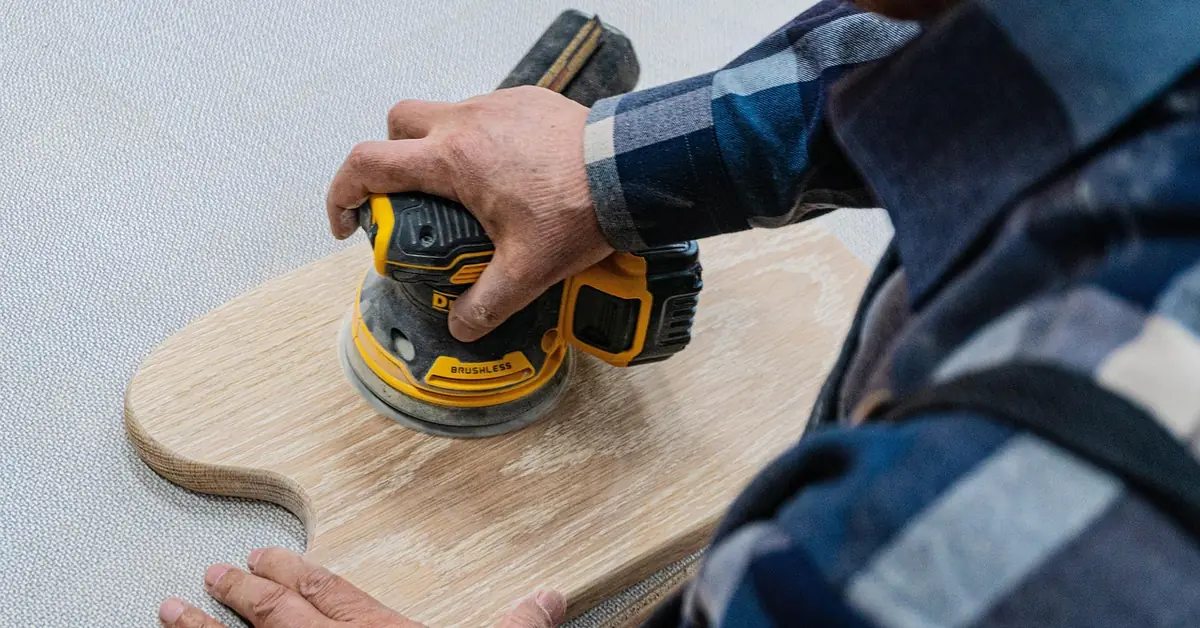
- HEPA vacuum-assisted sanding: Attach a shop vacuum with a true HEPA filter directly to your sander’s dust port. A sander paired with a dedicated dust extractor can pull up to 99% of sanding dust at the source, versus roughly 90% for a sander’s own built-in dust bag — see 3M’s pneumatic dust-extraction sander data. Keep the hose as short and straight as possible; every extra elbow reduces suction.
- Wet sanding: Dampen the sandpaper or the wood surface with water before you start, and keep it wet as you work. This traps particles before they go airborne and produces a slurry instead of dust. It works best on bare wood and finishes rated for water contact — skip it on raw MDF, which swells when wet, and go easy on anything you’re about to stain, since trapped moisture can raise the grain (see our guide to sanding wood before staining for the right grit sequence).
- Proper technique and grit progression: Start with a coarser grit (80–100) to remove material fast, then step up through 120 and 220 rather than fighting one grit the whole way — a clogged or overworked sheet generates far more airborne dust than a fresh one. Keep the sander moving at a steady pace instead of dwelling in one spot; lingering regrinds the same dust into finer particles instead of clearing it.
- Dust collection systems: A shop-built cyclone separator ahead of a shop vac is inexpensive and catches most coarse material before it reaches the vacuum’s own filter, extending filter life. A dedicated dust collector with a HEPA-rated final filter captures more of the fine, lung-hazard particles but costs more and takes up floor space — worth it if you sand often.
- Containment and protective gear: Seal doorways with plastic sheeting and run a box fan exhausting through a window to pull air (and dust) out of the room. Wear a properly fitted P100 or N95 mask rated for fine particulates, not a loose surgical-style mask, plus safety goggles and hearing protection. Vacuum surfaces with a brush attachment as you go instead of waiting until the end.

Choosing the Right Tools and Sandpaper for Less Dust
A sander with a built-in dust port, paired with a vacuum, is the single biggest upgrade over a sander with no dust collection at all. Look for models with strong suction and a hose diameter that matches your shop vac — undersized adapters choke airflow and defeat the purpose.
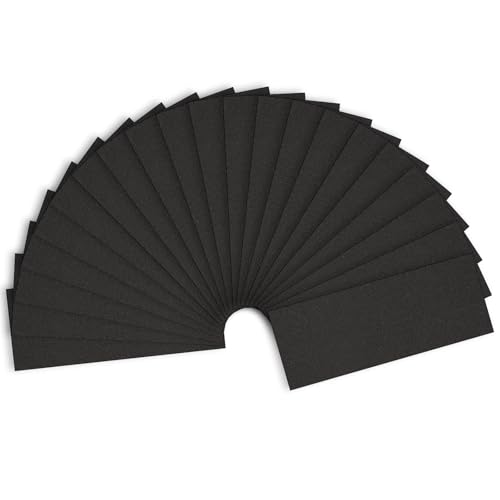
Open-coat sandpaper also helps: the wider spacing between abrasive particles lets debris escape instead of clogging the sheet, so it keeps cutting cleanly (and generating less airborne fine dust) longer than closed-coat paper. Finer grits generally throw less dust than coarse grits, since they’re removing less material per pass — if you’re not sure which grit a job calls for, our steel-wool-to-grit conversion guide maps common grit numbers to the old steel wool grades. For a full walkthrough of sanding technique beyond dust control — grit sequence, sanding with the grain, and when to stop — see our complete guide to sanding wood.
Common Mistakes That Make Sanding Dust Worse
- Skipping the vacuum attachment “just for a quick pass”: a few minutes of unconnected sanding puts as much fine dust in the air as a full session — there’s no shortcut that avoids it.
- Sanding with a clogged or worn sheet: a loaded sheet stops cutting cleanly and starts burnishing and re-grinding dust that’s already been removed, throwing more of it airborne instead of less. Swap sandpaper as soon as it stops cutting efficiently.
- Removing your mask right after you stop sanding: the finest particles stay suspended well after the sander is off, so keep protection on until the air visibly clears or the room has had time to ventilate.
- Dry-sweeping instead of vacuuming: a broom just re-suspends fine dust that had already settled. Vacuum with a brush attachment or use a slightly damp cloth for cleanup instead.
Frequently Asked Questions
How can I minimize dust when sanding wood?
Attach a HEPA-filtered vacuum to your sander’s dust port — this captures dust at the source instead of letting it spread. Wet-sanding is a strong second option on finishes that allow water contact. Combine either method with a properly fitted dust mask for the particles that still escape.
What tools help reduce dust during sanding?
Sanders with a built-in dust port connected to a shop vac or dedicated dust collector are the most effective tools. Open-coat sandpaper, which lets debris escape instead of clogging the sheet, and a HEPA-rated final filter on your vacuum both meaningfully cut down what stays airborne.
Is wet sanding effective for dust control?
Yes — wetting the sandpaper or wood surface traps particles in a slurry instead of letting them go airborne. It works best on bare wood and water-tolerant finishes; avoid it on raw MDF, which swells when wet, and on wood you’re about to stain, since trapped moisture can raise the grain.
Should I wear a mask when sanding wood?
Yes, always. A loose paper or surgical-style mask does not filter fine wood dust effectively — use a mask rated N95 or P100 that seals against your face. Pair it with safety goggles, since fine dust irritates eyes as much as lungs.
Is wood dust dangerous to breathe?
Yes. OSHA sets a permissible exposure limit of 5 mg/m³ (respirable) over an 8-hour day because repeated exposure can sensitize the respiratory system and trigger asthma-like reactions. Fine particles under 10 microns are the most hazardous, since they reach deepest into the lungs.
How long does sawdust stay in the air after sanding?
Longer than most people expect. Coarser particles settle within minutes, but the finest dust (the size that matters most for your lungs) can stay suspended for hours, continually re-stirred by foot traffic and airflow — see Yandles’ explainer on dust particle size and filtration. Keep a mask on and ventilation running well after you stop sanding.
Conclusion
A HEPA vacuum attachment and wet-sanding solve most of the dust problem at the source; grit progression, containment, and a properly rated mask handle what’s left. Once the sanding itself is under control, the next job is clearing what dust remains before you paint — see our guide on removing dust after sanding before painting for the full cleanup and prep process. Dust control is just one piece of keeping wood in good shape long-term; our wood care and maintenance guide covers the rest.
Sponsored / affiliate links. As an Amazon Associate I earn from qualifying purchases. I may earn additional commission from eligible campaigns.