How to Remove Glue from Stickers on Plastic: Quick Tips
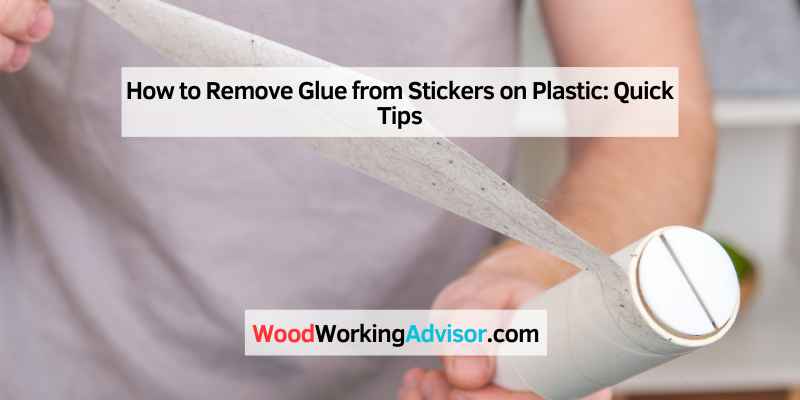
To remove glue from stickers on plastic, use rubbing alcohol or acetone on a cotton ball. Gently rub the area until the glue dissolves.
Removing glue residue from stickers on plastic surfaces can be a frustrating task. Over time, adhesive can leave behind unsightly marks, making your items look unkempt. Fortunately, effective methods exist to tackle this issue without damaging the plastic. Many households have common products that work wonders for this purpose.
Knowing the right techniques can save time and effort. Whether you want to clean a plastic container or a toy, using the proper approach ensures a spotless finish. This guide will explore simple yet effective strategies to eliminate glue residue, making your plastic items look brand new again. Say goodbye to sticky situations with these practical solutions.
Introduction To Sticker Glue Challenges
Sticker glue on plastic can be very frustrating. Many people face this problem often. Common scenarios include removing price tags or decorative stickers. Each situation may require a different approach.
Plastic surfaces can be tricky. They are often smooth and non-porous. This can make it hard for cleaning solutions to work effectively. Additionally, some products might damage the plastic. Care is needed to avoid scratches or discoloration.
Using the right method is essential. Common methods include using warm soapy water, vinegar, or rubbing alcohol. Always test any solution on a small area first. This ensures the plastic will not be harmed.
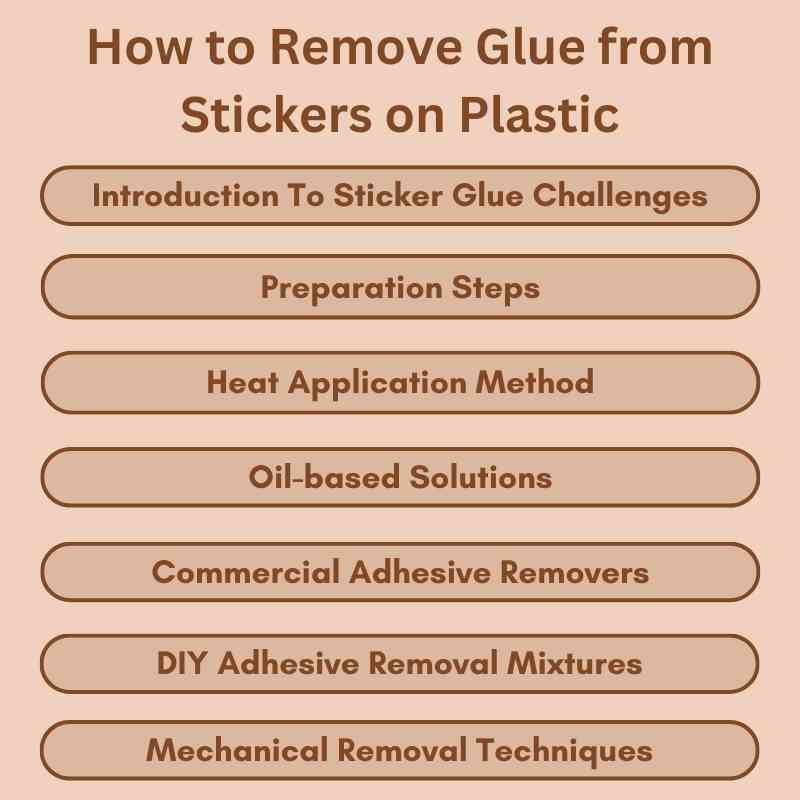
Preparation Steps
Start by gathering necessary materials. You will need a plastic scraper, rubbing alcohol, and a soft cloth. A hairdryer may also help. Make sure these items are within reach.
Next, assess the plastic surface. Check for any scratches or damages. This helps avoid further harm. Clean the area with mild soap and water first. Let it dry completely. This preparation makes the glue removal easier.
Heat Application Method
Using a hairdryer can help remove glue from stickers on plastic. Set it to a low heat setting. Hold it about 6 inches away from the plastic. Move the dryer back and forth to avoid overheating. This will soften the glue.
Be careful with heat on plastic. Too much heat can warp or damage the surface. Always test a small area first. If the plastic begins to melt, stop immediately. Using low heat is essential for safety.
Oil-based Solutions
Choosing the right oil is key for removing glue. Vegetable oil and olive oil work well. These oils break down sticky glue without harming plastic.
To apply oil, use a cotton ball or cloth. Soak it in the oil. Rub it on the glue for a few minutes. This helps the oil penetrate the glue.
After letting it sit, gently scrape the glue off. Use a plastic scraper or your fingernail. Be careful not to scratch the plastic surface.
Wipe away excess oil with a clean cloth. This will leave the plastic clean and shiny.
Commercial Adhesive Removers
Removing glue from stickers on plastic can be straightforward with the right commercial adhesive removers. These products effectively dissolve stubborn residue, leaving surfaces clean and undamaged. Follow simple steps for a hassle-free cleaning experience.
Recommended Products
Many commercial adhesive removers work well for removing glue from stickers. Here are a few recommended products:
- Goo Gone – Great for sticky residues.
- WD-40 – Effective on many surfaces.
- Sticky Stuff Remover – Specially made for stickers.
Step-by-step Guide For Use
- Apply a small amount of the remover to the glue.
- Let it sit for a few minutes.
- Gently scrape the glue with a plastic scraper.
- Wipe the area clean with a cloth.
- Repeat if necessary until all glue is gone.
DIY Adhesive Removal Mixtures
Creating homemade adhesive removal mixtures is easy and fun. Here are a few simple recipes:
- Vinegar and Water: Mix equal parts of vinegar and water. Apply to the glue.
- Baking Soda Paste: Combine baking soda with water to form a paste. Rub it on the glue.
- Olive Oil: Use a small amount of olive oil. It works well on sticky residues.
Application techniques can make a big difference. Try these methods:
- Use a soft cloth to apply your mixture.
- Let it sit for a few minutes to loosen the glue.
- Gently scrape off the residue with a plastic scraper.
Mechanical Removal Techniques
Using gentle scraping tools is a smart way to remove glue. Plastic scrapers or old credit cards work well. These tools help avoid scratches on the surface.
Start by gently sliding the scraper under the glue. Use a slow and steady motion to lift the glue. Avoid pushing too hard, as this may damage the plastic.
For stubborn glue, soften it first. Warm water or a hairdryer can help. Apply heat for a few seconds before scraping.
Always test a small area first. This way, you can check if the plastic is safe. Use patience to ensure the best results.
Post-removal Cleaning
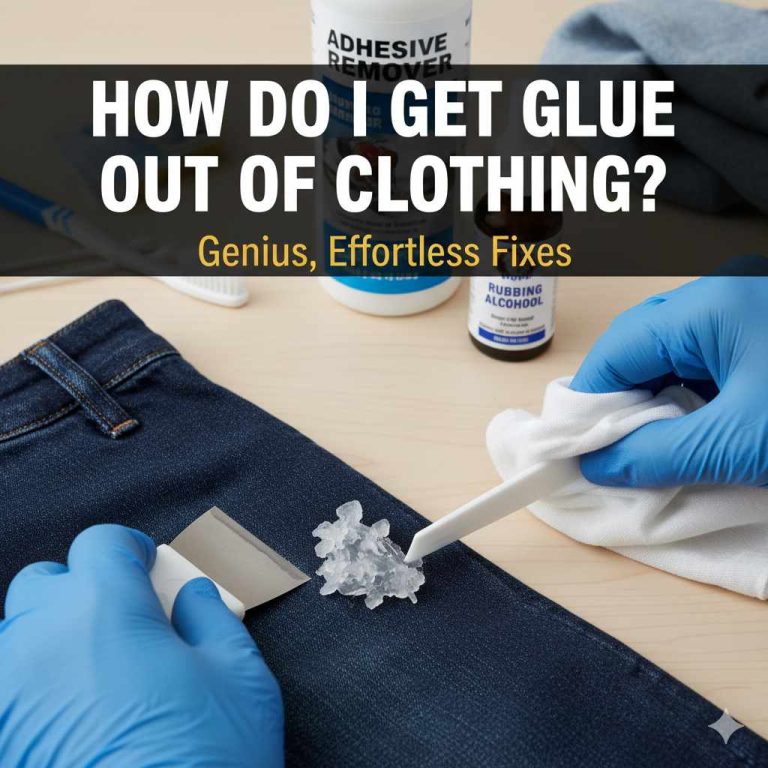
After removing stickers, it is important to ensure no residue is left behind. A clean plastic surface looks much better. Use a soft cloth to wipe the area gently. You can use warm soapy water for cleaning. Rinse with clean water to remove any soap.
For stubborn glue, try rubbing alcohol or vinegar. Apply a small amount to the cloth. Gently rub the area until the residue disappears. Always test these solutions on a small area first.
Polishing the plastic surface can enhance its shine. Use a plastic polish or a suitable wax. Apply it with a soft cloth in circular motions. This step helps restore the plastic’s original look.
Preventive Measures For The Future
Using removable stickers can help reduce glue residue. Choose stickers that are specifically designed for easy removal. Look for options labeled as “easy peel” or “no residue.” This makes future clean-up simpler.
Proper application can also prevent problems. Smoothly press the sticker down. Avoid bubbles and wrinkles, as they can trap glue. When it’s time to remove, do it slowly and carefully.
Consider using temporary adhesives for projects. They are less likely to leave a mark. Always test a small area first to see how the surface reacts.
| Sticker Type | Residue Level |
|---|---|
| Removable Stickers | Low |
| Permanent Stickers | High |
| Static Cling | None |
Troubleshooting Common Issues
Dealing with stubborn residue can be tricky. Use rubbing alcohol or vinegar for effective removal. Soak a cloth in the solution. Gently rub the area until the glue dissolves. If residue remains, repeat the process. Scrapers can help, but be careful not to scratch the plastic.
When to seek professional help is important. If the glue is very old or strong, it may need special treatment. Professionals have tools and solutions that work better. Avoid damaging the plastic by using the wrong methods. Always consider your options before attempting tough removals.
Frequently Asked Questions
How Do I Remove Glue Residue From Plastic?
To remove glue residue from plastic, try using rubbing alcohol or vinegar. Apply a small amount to a cloth and gently rub the area. For stubborn residue, let it sit for a few minutes before wiping. Always test on a small area first to ensure no damage occurs.
What Household Items Can Remove Sticker Glue?
Common household items that effectively remove sticker glue include cooking oil, peanut butter, and baby oil. Apply any of these substances to the glue and let it sit for a few minutes. Then, wipe with a cloth to remove the residue.
This method is gentle on plastic surfaces.
Can I Use Acetone On Plastic?
Using acetone on plastic is generally not recommended. Acetone can dissolve certain types of plastic and cause damage. Instead, opt for milder solvents like rubbing alcohol or vinegar. These alternatives are safer and typically effective for removing glue without harming the plastic.
Is It Safe To Use A Scraper On Plastic?
Using a scraper on plastic can be risky. It may scratch or damage the surface if not done carefully. If you choose to use a scraper, select a plastic one to minimize damage. Always apply gentle pressure and work slowly to avoid harming your plastic items.
Conclusion
Removing glue from stickers on plastic can be simple with the right methods. Choose a technique that suits your needs, whether it’s using household items or commercial products. Always test in a small area first. With patience and care, your plastic surfaces can look brand new again.
Enjoy your clean results!