How to Glue Plaster to Wood: 3 Adhesives That Actually Hold
To glue plaster to wood, use PVA glue for lightweight pieces or two-part epoxy for anything over a pound, since plain wood glue will not hold plaster’s chalky surface. A weak bond lets moisture in, and the wood swells and cracks the plaster loose within weeks. This guide covers the right adhesive by weight, surface prep, and how long to let the bond cure before testing it.
The Importance Of Proper Adhesion
Best Plaster-to-Wood Glue Pick
Gorilla 2 Part Epoxy, 5 Minute Set – $5.97
This is the two-part epoxy this guide recommends for heavier plaster pieces – it sets in 5 minutes and stays water resistant once cured, which addresses the moisture risk the drying and curing section above warns can crack a weak bond.
- Best for: Heavier plaster pieces and repairs that need to hold real weight
- Why we picked it: Sets in 5 minutes and resists moisture, the exact failure point this guide flags for weak bonds
- Main drawback: The 0.85 oz syringe only covers a few small pieces before you need another
Compare more plaster-to-wood adhesive options
 Option 1 Titebond Original Wood Glue, 8 oz – $3.92
|
 Option 2 Gorilla Mini Hot Glue Gun Kit – $20.99
|
 Option 3 DAP Weldwood Original Contact Cement – $22.98
|
As an Amazon Associate we earn from qualifying purchases.
Proper adhesion is crucial for a successful project. Strong bonding ensures that plaster stays in place. Weak adhesion can lead to cracks and peeling. This affects both the appearance and durability of the final piece.
Understanding why bonding matters helps in achieving great results. A good bond prevents moisture from getting in. This protects the wood and plaster. Choosing the right adhesive is also essential for a strong bond.
| Material | Purpose |
|---|---|
| Wood | Base for plaster application |
| Plaster | Final decorative layer |
| Adhesive | Ensures strong bond |
Choosing The Right Glue
Choosing the right glue is important for bonding plaster to wood. Here are some common types of adhesives:
| Type of Adhesive | Pros | Cons |
|---|---|---|
| PVA Glue | Non-toxic and easy to clean. | Not waterproof. |
| Epoxy | Very strong and waterproof. | Can be messy to use. |
| Hot Glue | Quick setting time. | Not very strong for heavy items. |
| Contact Cement | Strong bond on contact. | Requires careful application. |
Each adhesive has its own strengths and weaknesses. Choose based on your project needs.
Prepping The Surfaces
Start by removing dust and debris from the wood surface. Use a soft cloth or a vacuum cleaner. Make sure the wood is dry and smooth. This helps the glue stick better.
Use a mild cleaner if needed. Avoid harsh chemicals that can damage the wood. Once cleaned, let the wood dry completely before applying plaster.
For plaster, mix according to the package instructions. Ensure the mixture is smooth and free of lumps. This will help it stick to the wood effectively.
Both surfaces must be ready for gluing. Clean wood and well-prepared plaster lead to a strong bond.
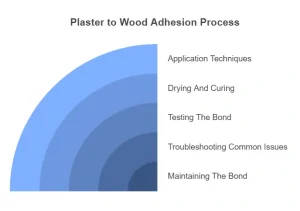
Application Techniques
Start by cleaning the wood surface. Remove any dust or debris. Use a damp cloth for better results. Allow the wood to dry completely before proceeding.
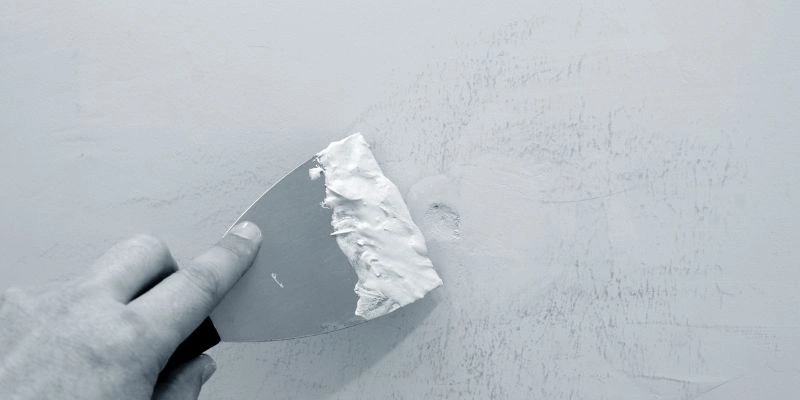
Apply plaster glue evenly on the wood. Use a brush or a spatula for smooth application. Ensure that the glue covers the entire area where the plaster will go.
Press the plaster firmly onto the glued wood. Use a gentle tapping motion to secure it. Make sure there are no air bubbles trapped underneath.
Allow the plaster to set as per the manufacturer’s instructions. This usually takes several hours. Keep the area dry and free from movement during this time.
Drying And Curing
Drying and curing plaster on wood takes time. The time frames depend on the thickness of the plaster. Generally, thinner layers dry faster. A thin layer might take 24 hours to dry. Thicker layers may require several days.
Environmental factors greatly influence drying time. Humidity in the air can slow down the process. A humid environment may extend drying time by days. Temperature also plays a key role. Warmer temperatures help plaster dry faster. Ideal conditions are around 70°F (21°C) with low humidity.
| Layer Thickness | Drying Time |
|---|---|
| Thin Layer | 24 hours |
| Thick Layer | Several days |
Testing The Bond
Always prioritize safety when gluing plaster to wood. Use gloves and goggles to protect your skin and eyes. Ensure proper ventilation in your workspace. Keep a first aid kit nearby in case of accidents.
To test the bond strength, start with a small piece of plaster. Apply glue to the wood surface and press the plaster firmly. Wait for the recommended drying time. After drying, gently pull on the plaster to see if it holds. A strong bond will resist pulling and should not break easily.
Record your observations. This helps in determining the best glue for your project. Strong bonds lead to durable results.
Troubleshooting Common Issues
Weak adhesion can happen for many reasons. Ensure the wood surface is clean and dry. Dust or moisture can prevent strong bonding. Use a suitable glue for the job, like PVA glue or epoxy. Apply an even layer to both surfaces. Press them together firmly.
Surface damage may occur during the gluing process. Check for cracks or splinters in the wood. Repair any damaged areas before gluing. This helps the plaster stay attached better. Always allow enough time for the glue to cure properly. Avoid moving the pieces until fully set.
Maintaining The Bond
Regularly inspect the plaster and wood bond. Look for any signs of cracking or peeling. These signs mean it’s time for repairs. Keep the area dry and clean to avoid damage.
For quick repairs, use a strong adhesive. Apply it carefully to the affected areas. Press the plaster firmly against the wood. Allow it to dry completely before use. This helps maintain a strong bond.
| Repair Tips | Description |
|---|---|
| Check for Damage | Inspect for cracks or loose areas. |
| Use Strong Adhesive | Choose a quality glue for best results. |
| Allow Proper Drying | Let the adhesive dry completely before using. |
Frequently Asked Questions
How Do You Prepare Wood For Plaster?
To prepare wood for plastering, ensure the surface is clean and dry. Sand the wood to create a rough texture, allowing better adhesion. Apply a primer specifically designed for plaster. This will enhance the bond between the plaster and wood, ensuring a durable finish.
What Type Of Glue Is Best For Plaster?
The best glue for plaster on wood is a strong construction adhesive or a specialized plaster adhesive. These adhesives provide a robust bond and can handle the weight of plaster. Always check the manufacturer’s recommendations for compatibility with both plaster and wood materials.
Can You Use Regular Glue For Plaster?
Using regular glue for plaster is not recommended. Standard glues may not provide the necessary strength or flexibility needed for plaster applications. Opt for adhesives specifically designed for plaster to ensure a secure bond and prevent cracking or detachment over time.
How Long Does Plaster Take To Dry On Wood?
Plaster typically takes 24 to 48 hours to dry on wood. However, drying times can vary based on humidity and thickness. Always allow sufficient time for the plaster to cure fully before applying any additional layers or finishes to ensure a lasting result.
Conclusion
Successfully gluing plaster to wood can enhance your projects. Following the right steps ensures a strong bond. Choose the right adhesive and prepare both surfaces carefully. With patience and the correct technique, you can achieve stunning results. Embrace your creativity and enjoy the process of transforming your wood surfaces with plaster.
Sponsored / affiliate links. As an Amazon Associate I earn from qualifying purchases. I may earn additional commission from eligible campaigns.