How to Repair Hardwood Floors: Expert Tips for Perfect Results
Repairing hardwood floors might seem daunting, but it’s easier than you think. With the right tools and steps, you can restore your floor’s beauty.
Hardwood floors add warmth and elegance to any home. Over time, they can get scratches, dents, or even water damage. Knowing how to repair these issues can save you money and keep your floors looking great. Whether it’s a minor scratch or a larger problem, there’s a solution for you.
In this guide, we’ll cover the basics of hardwood floor repair. You’ll learn simple steps to fix common issues and keep your floors in top shape. Let’s get started on making your hardwood floors look as good as new!
Credit: www.youtube.com
Assessing Damage
Hardwood floors can have various problems. Scratches are very common. Water damage is another issue. Gaps may appear between boards. Loose boards can also be an issue. Stains from spills can cause trouble. Buckling happens when floors are exposed to moisture. Splitting or cracking can occur due to dryness.
Severity of damage varies. Small scratches are easy to fix. Deep scratches need more work. Water damage can be serious. Gaps can be minor or wide. Loose boards may need re-nailing. Stains might need sanding. Buckling is more complex. Splitting can be severe if boards are old.
Gathering Tools
Repairing hardwood floors requires the right tools. Use a hammer, nails, putty, and a floor buffer for best results.
Essential Tools List
You need several tools to fix hardwood floors. A hammer is very important. Nails will keep the wood in place. A pry bar helps lift old boards. A saw cuts the wood to size. A tape measure ensures accurate cuts. Wood glue holds small pieces together. Sandpaper smooths rough areas. Lastly, a finish adds shine.
Optional Tools For Advanced Repair
For advanced fixes, extra tools are handy. A nail gun speeds up the job. A floor sander smooths large areas quickly. Wood filler repairs holes and gaps. A moisture meter checks for water damage. A putty knife spreads filler evenly. Clamps hold pieces tight while glue dries. These tools make the job easier.
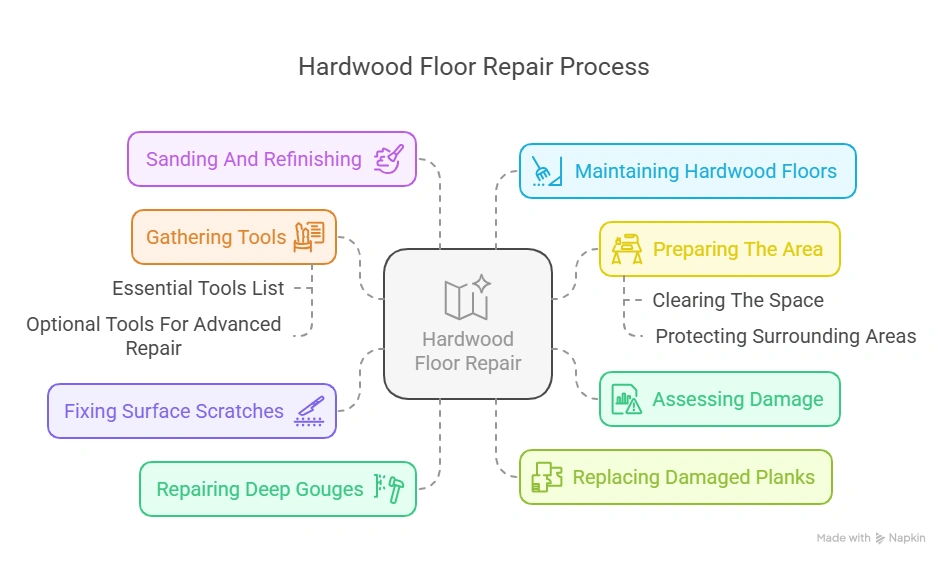
Preparing The Area
Start by clearing the room of furniture and rugs. Sweep or vacuum to remove dust and debris. Tape off any nearby areas to protect them from damage.
Clearing The Space
Move all furniture out of the room. Take out rugs and curtains too. Ensure the floor is clear. This makes it easier to work.
Protecting Surrounding Areas
Use plastic sheets to cover nearby walls. Tape down the edges to keep them in place. Cover doorways with sheets too. This prevents dust from spreading.
Fixing Surface Scratches
Touch-up kits can fix small scratches. These kits often include markers, wax sticks, and putty. First, clean the floor well. Use the marker to color the scratch. Fill deeper scratches with wax sticks. Wipe away extra wax with a cloth.
Wood filler is good for deeper scratches. Clean the area first. Apply the filler with a putty knife. Smooth it out. Let it dry. Sand the area gently. Match the color with a stain. Apply the stain carefully. Let it dry fully.
Repairing Deep Gouges
Deep gouges can spoil the look of your hardwood floor. To fix this, use wood putty. First, clean the gouge well. Then, fill it with putty. Use a putty knife to smooth it out. Let it dry completely. Once dry, sand the area smooth. Make sure it is even with the floor.
After filling, sanding is a must. Use fine-grit sandpaper. Sand the area until smooth. Refinishing comes next. Apply a wood finish that matches your floor. Use a brush to apply it evenly. Let it dry well. Your floor will look new again.
Credit: ambrosetileandcarpet.com
Replacing Damaged Planks
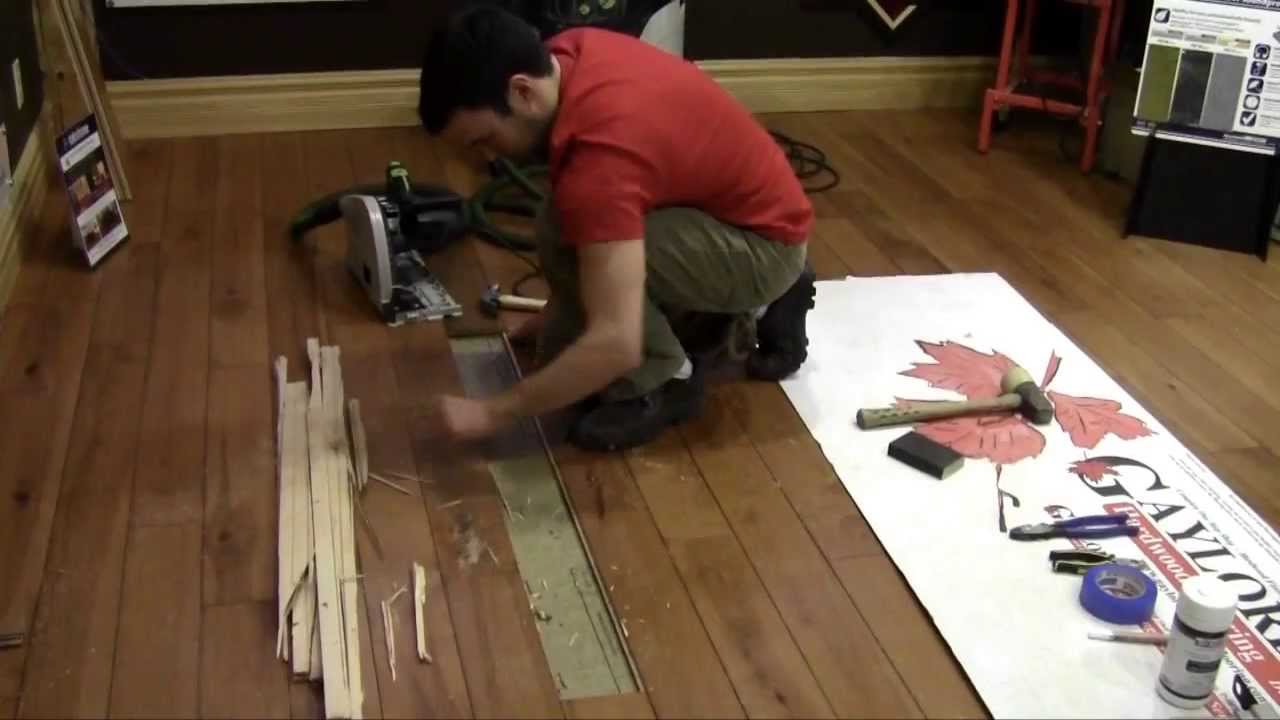
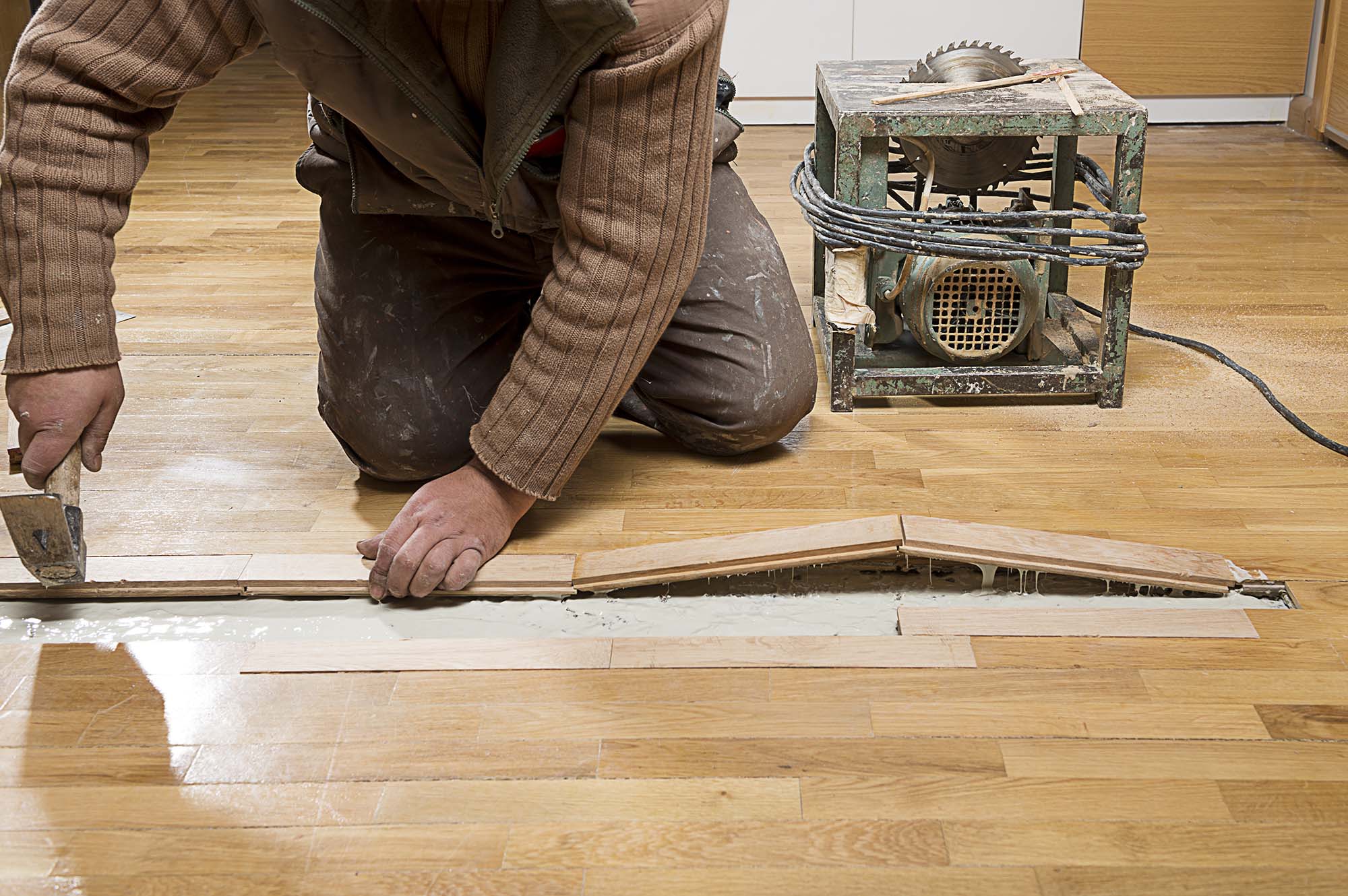
First, identify the damaged planks. Use a pry bar to lift the old planks. Be gentle to avoid damaging nearby planks. If nails are present, remove them using a nail puller. Clean the area once the plank is out. Ensure no debris is left behind.
Measure the space where the old plank was. Cut the new plank to fit this space. Apply wood glue to the edges of the new plank. Place the new plank into the space. Use a rubber mallet to tap it into place. Make sure the plank is level with the floor. Let the glue dry before walking on it.
Sanding And Refinishing
To sand your hardwood floor, pick the correct sandpaper grit. Start with a coarse grit like 40. This removes old finish. Next, use medium grit such as 80. This smooths out rough spots. Finally, finish with a fine grit like 120. This gives a smooth surface. Always sand in the direction of the wood grain. This prevents scratches.
After sanding, apply a wood stain for color. Use a clean cloth or brush. Let it dry fully. Then, apply a clear finish for protection. Polyurethane works well. Apply thin coats. Let each coat dry before adding the next. Lightly sand between coats for a smooth finish.
Maintaining Hardwood Floors
Dust your hardwood floors every day. Use a soft mop to avoid scratches. Vacuum once a week with a special wood floor attachment. Clean spills right away to prevent stains. Use a damp cloth for sticky spots. Avoid harsh chemicals. Use a gentle wood cleaner instead. Always dry the floor after cleaning. This prevents water damage.
Place rugs in high-traffic areas. This protects the wood. Use furniture pads under legs to avoid dents. Keep pet nails trimmed to prevent scratches. Maintain a stable indoor humidity level. This reduces wood expansion and contraction. Avoid walking with high heels on the floor. Keep the floor clean to avoid grit that can scratch.

Credit: www.youtube.com
Frequently Asked Questions
Can Damaged Hardwood Floors Be Repaired?
Yes, damaged hardwood floors can be repaired. Methods include sanding, refinishing, and replacing damaged boards. Consult a professional for best results.
How Can I Repair My Hardwood Floors Myself?
Clean the floor thoroughly. Sand the damaged area with fine-grit sandpaper. Apply wood filler to cracks or holes. Sand again until smooth. Stain the repaired area to match the rest of the floor. Apply a protective finish and let it dry completely.
Can You Replace One Plank Of Hardwood Floors?
Yes, you can replace one plank of hardwood floors. Use a chisel and hammer to remove the damaged plank. Then, install the new plank and ensure it’s level.
How To Repair A Wooden Floor Without Replacing It?
To repair a wooden floor without replacing it, fill gaps with wood filler. Sand the surface smooth. Apply a matching stain and finish. Use a floor polish for added shine and protection. Regular maintenance keeps the floor looking new.
Conclusion
Repairing hardwood floors can be simple with the right steps. Follow the tips shared in this guide. Your floors will look great again. Always use the proper tools. Take your time for best results. Regular maintenance helps keep floors in top shape.
Enjoy your beautiful and durable hardwood floors. Happy repairing!