How to Transition between Two Different Wood Floors: Expert Tips
You’ve finally decided to upgrade your home’s flooring, and you’re excited about the transformation. But there’s one challenge: transitioning between two different wood floors.
It might seem daunting, but with the right approach, you can create a seamless and stunning look that enhances your home’s aesthetic. Imagine walking from your kitchen to your living room without a jarring break in style. You can achieve that cohesive feel.
In this guide, we’ll reveal practical tips and tricks to help you navigate this transition smoothly, ensuring your floors look as if they were always meant to be together. Stay with us, and you’ll discover how to turn what seems like a design dilemma into an opportunity for creativity and elegance.
Credit: homebriefings.com
Choosing The Right Transition Style
The right transition can make your floors look beautiful. Color is one factor. It should match both floors. Height is another. Ensure both floors are level. Material matters too. Wood or metal can be used. Think about durability. The transition should last long. Cost is important as well. Choose what fits your budget.
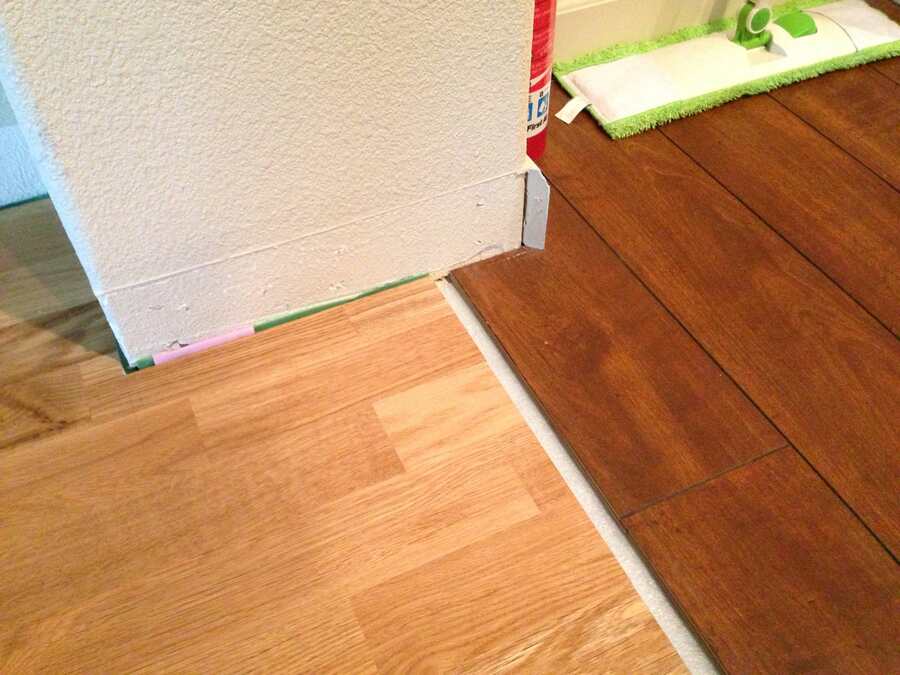
T-molding is a common choice. It works well with equal heights. Reducer strips are for uneven floors. They create a smooth slope. Thresholds are used for doorways. They cover gaps between rooms.
Each style has its own look. Pick what you like best. Look at your home’s design. Match the style with your decor.
Preparing The Floors For Transition
Start by making sure the floors are clean. Use a broom or vacuum to remove dust and dirt. This step helps the new floor pieces fit well. Next, check for any bumps or dips. Use a level tool to see if the floor is even. If there are high spots, sand them down gently. Low spots can be filled with a leveling compound. Make sure to follow the instructions on the package. This helps create a smooth and even surface for the transition.
Measure the height of both floors. Use a tape measure for accuracy. If one floor is higher, consider using a transition strip. This strip helps bridge the gap between the two levels. It also prevents tripping and looks neat. Choose a strip that matches both floors. This keeps the look seamless and tidy.
Selecting Transition Materials
Transition strips help connect two different wood floors. They hide gaps and make floors look neat. There are several types you can use. T-moldingis popular for even surfaces. Reducer stripswork well for uneven floors. Thresholdsare used near doors. Each type serves a unique purpose. Choose the best one for your floor.
Not all transition materials fit every floor. Wood stripsmatch wood floors well. Metal strips can add a sleek look. Check if the material will last long. Avoid materials that wear out quickly. Make sure it matches your floor style. Good compatibility ensures a smooth transition.
Installation Techniques
Choosing between DIY and professional helpis important. DIY can save money. It requires tools and patience. Instructions must be followed carefully. Mistakes can cost more later. Professional installation costs more. It guarantees quality and speed. Experts have experience with different wood types. They handle complex transitions smoothly. Consider your skill and budget.
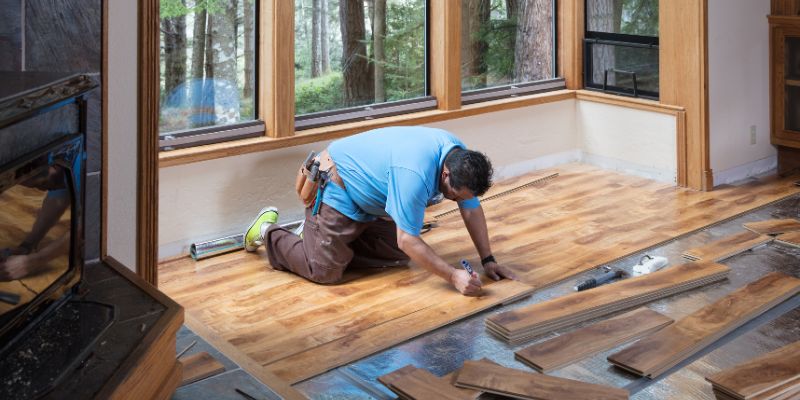
Prepare the areaby cleaning the floors. Measure the space accurately. Buy the right materials. Lay the first row of wood. Leave space for expansion. Use spacers for gaps. Secure each piece tightly. Check alignment frequently. Cut pieces to fit edges. Finish with trim or molding.
Double-check each step. Avoid rushing. Mistakes can be costly. Ask for help if needed. Enjoy your new wood floors!
Maintaining The Transition
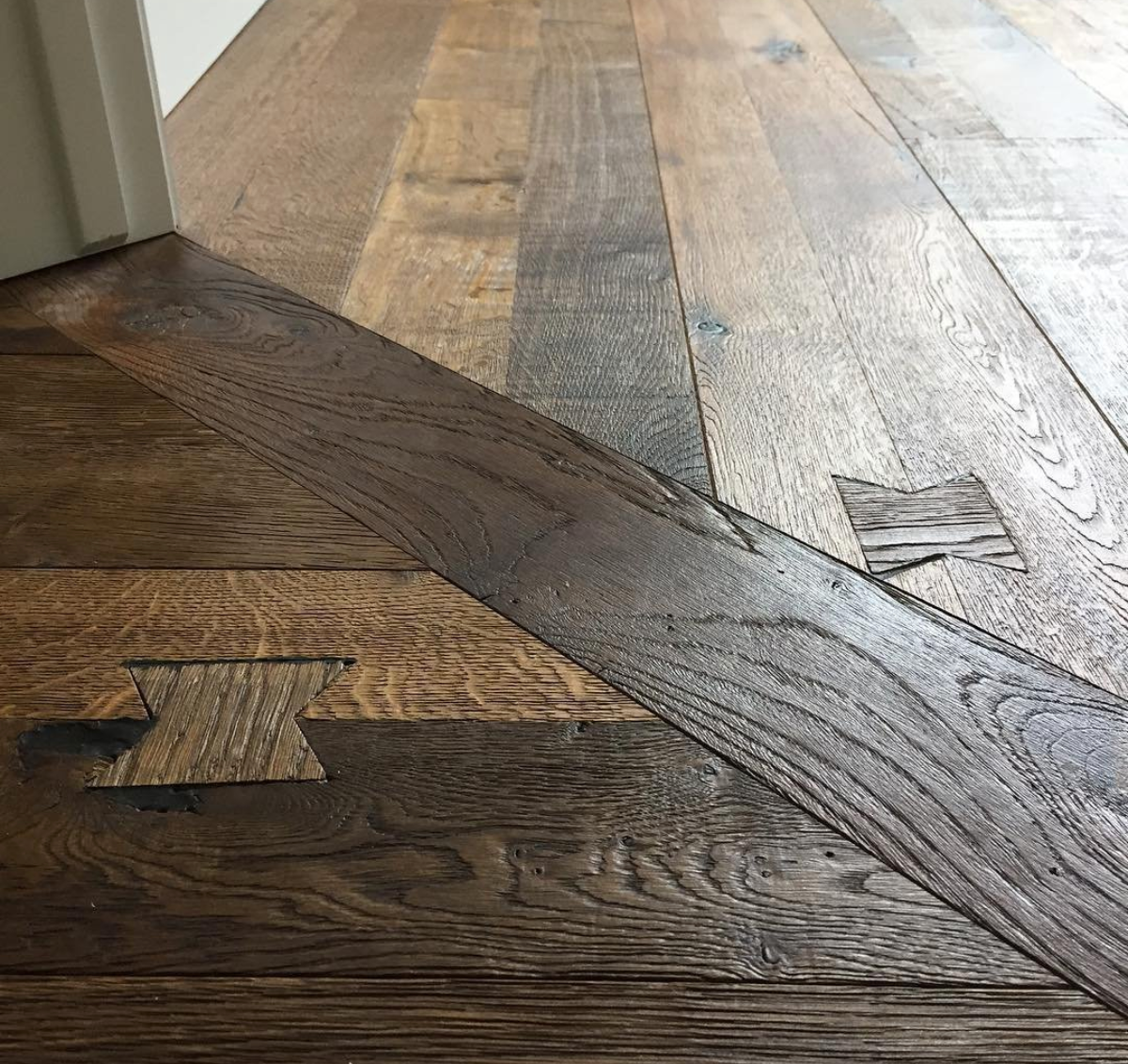
Transitioning between two different wood floors involves careful planning to ensure a seamless look. Choose matching or complementary tones to bridge the gap. Use transition strips or molding for a smooth and elegant finish.
Routine Cleaning
Regular cleaning keeps floors looking new. Use a soft broom or a vacuum. Clean the floors gently to avoid scratches. A damp mop can help remove dirt. Never use too much water. Water can damage the wood. Always dry the floors with a soft cloth. This helps prevent water damage. A clean transition area looks great. It also lasts longer.
Repair Tips
Small scratches may appear over time. Use a wood filler to fix them. Pick a filler that matches the wood color. Apply it with a putty knife. Let it dry completely. Sand the area gently after drying. This smooths out the surface. Deep scratches may need professional help. Always check the transition strip. Make sure it is secure. Replace it if it gets damaged. A well-kept transition enhances floor beauty.
Credit: stugastudio.com
Common Mistakes To Avoid
Transitioning between different wood floors often leads to mismatched colors or uneven surfaces. Ensure both floors are level to avoid tripping hazards. Choose a transition strip that complements both woods for a seamless look.
Ignoring Floor Expansion
Wood floors expandand contract. This happens with temperature changes. It’s crucial to plan for this expansion. A small gap between floors can help. Without this gap, floors can buckle or warp. This creates uneven surfaces. Uneven surfaces can be dangerous. It can also damage the floors.
Incorrect Measurements
Measuring floors correctly is vital. A small mistake can lead to big problems. Always double-check measurements. Include the thickness of the wood in calculations. Forgetting this can cause mismatched floors. Mismatched floors look bad. They may also cause tripping hazards. Use a reliable measuring tool. This ensures accurate results.
Frequently Asked Questions
Can You Put Two Different Wood Floors Next To Each Other?
Yes, you can place two different wood floors next to each other. Use a transition strip for a seamless look. Ensure complementary colors and textures for visual harmony. Proper planning and design can enhance the aesthetic appeal of your space.
How To Join Two Floors At Different Levels?
Connect two floors using a staircase or ramp. Ensure structural integrity and proper alignment. Consult an architect for designs and safety standards. Consider materials and aesthetics for seamless integration. Verify building codes for compliance.
Can I Blend New Hardwood Floors With Old Hardwood Floors?
Yes, you can blend new hardwood floors with old ones. Match wood species, stain color, and finish for a seamless look. Sand and refinish both areas to ensure uniformity. Consult a flooring professional for best results.
Can You Mix Different Types Of Hardwood Floors?
Yes, mixing different hardwood floors is possible. Ensure they complement each other in color and style. Transition strips help create a seamless look. Consider room function and lighting for best results. Proper planning ensures a cohesive design that enhances your space’s aesthetic appeal.
Conclusion
Transitioning between wood floors can enhance your home’s beauty. It creates a smooth, visually appealing flow. Choose the right transition strips for your design. Consider the height and color differences. Proper installation ensures a seamless look. Plan carefully before starting the project.
Use quality materials for long-lasting results. A well-done transition boosts the overall aesthetic. It also adds value to your space. Don’t rush the process; take your time. With patience and attention, your floors will look stunning. Enjoy the new harmonious feel in your home.