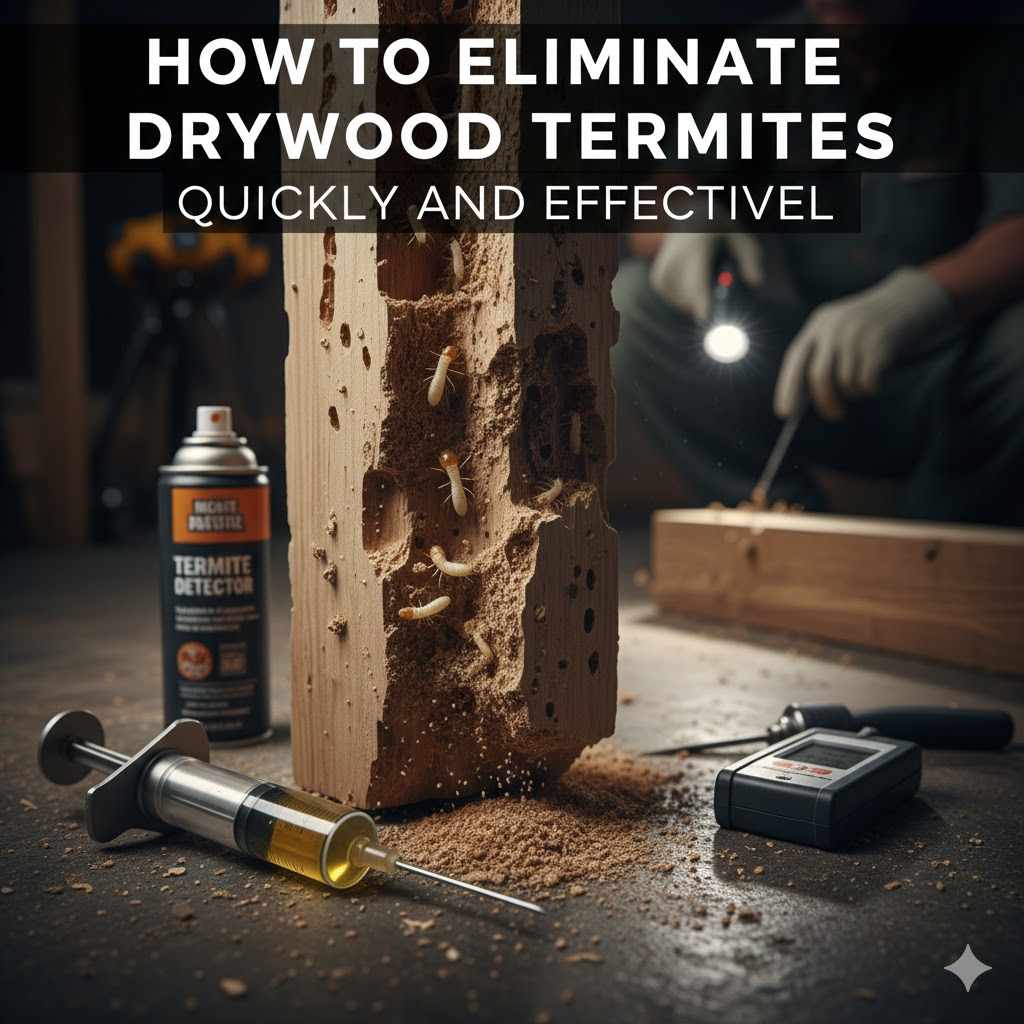
How to Eliminate Drywood Termites Quickly and Effectively
If you’re dealing with a drywood termite problem, you’re likely wondering How to Treat Drywood Termites Fast. This can seem tough at first because there are so many options, and these pests are good at hiding. Don’t worry, though! We’ll explore simple steps that work. This guide will show you how to get rid of them efficiently, so you can enjoy your home without these unwanted guests. Let’s get started, and you’ll soon know exactly what to do.
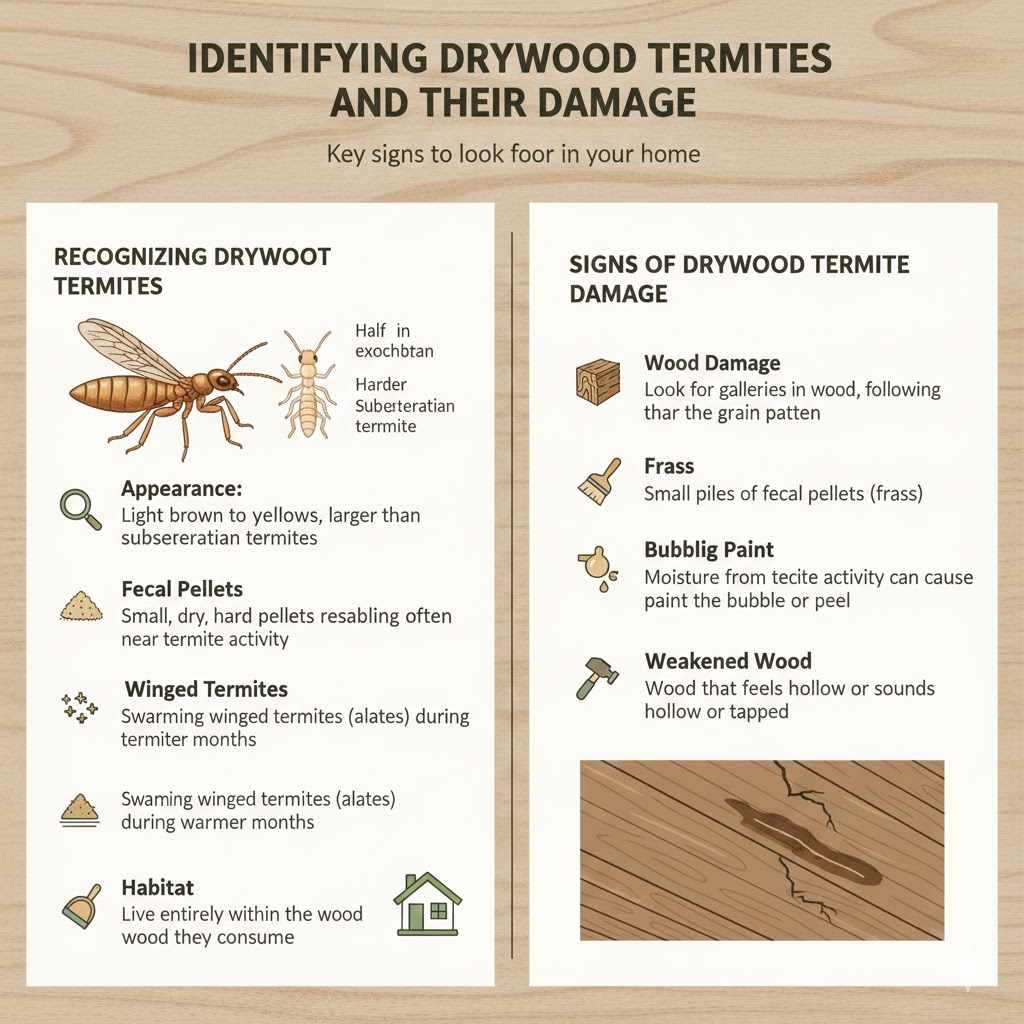
Identifying Drywood Termites and Their Damage
Before you take action, it’s key to make sure you’re dealing with drywood termites. Unlike other types, drywood termites live inside wood, making them harder to spot. They don’t need contact with the soil like subterranean termites do, so they can live entirely within your home’s wooden structures. Recognizing their presence and the damage they cause is the first step toward quick treatment. This section will help you differentiate drywood termites from other pests and understand how they affect your home.
Recognizing Drywood Termites
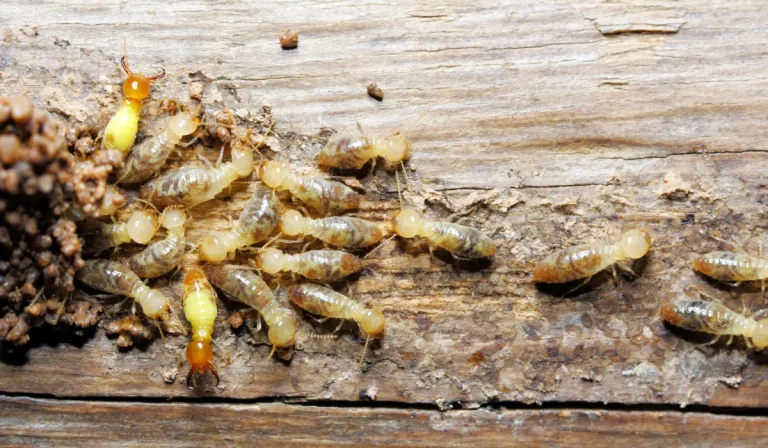
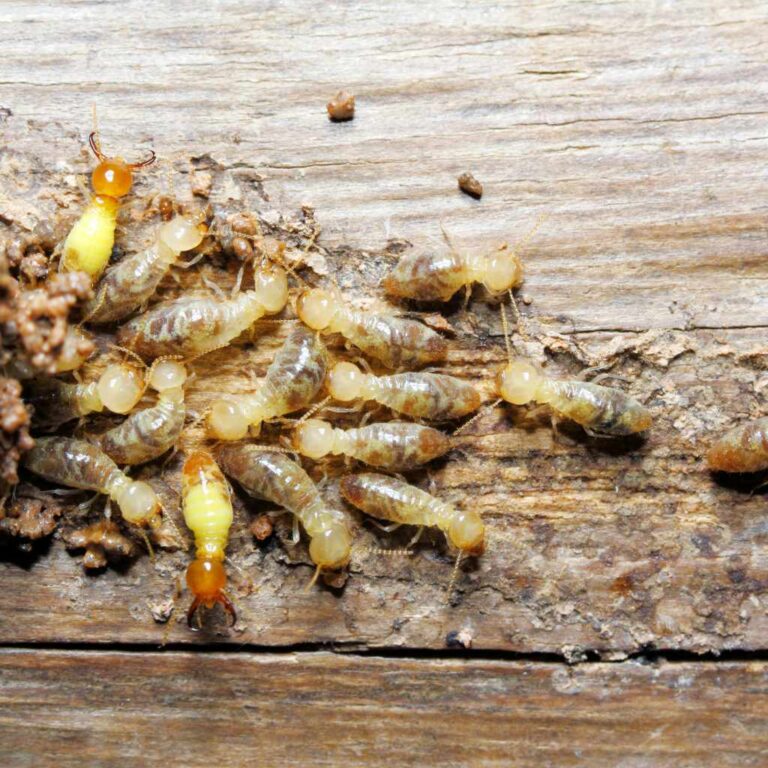
Drywood termites have distinct characteristics that can help you identify them. They are typically larger than subterranean termites, often measuring about half an inch in length, including their wings. Their bodies are usually a light brown or yellowish color. Unlike subterranean termites, which have soft, pale bodies, drywood termites have harder exoskeletons. These termites produce a unique type of fecal pellet, which looks like small, hard grains of sand.
Finding these pellets near wooden structures is often a telltale sign of an infestation. It’s important to look for these signs to confirm you’re dealing with drywood termites and not another pest.
- Appearance: Drywood termites are typically light brown to yellowish and larger than subterranean termites.
- Fecal Pellets: Look for small, dry, hard pellets resembling sand, often found near termite activity.
- Winged Termites: Swarming winged termites, called alates, are a sign of an established colony, especially during warmer months.
- Habitat: Drywood termites live entirely within the wood they consume, unlike subterranean termites.
A termite swarm can look like a cloud of flying insects around your home, particularly in the spring or fall. These are the reproductive termites leaving the colony to start new ones. While the presence of alates is an indicator of termites, their absence doesn’t always mean your home is free from infestation. Sometimes, they may be hidden inside your walls.
Signs of Drywood Termite Damage
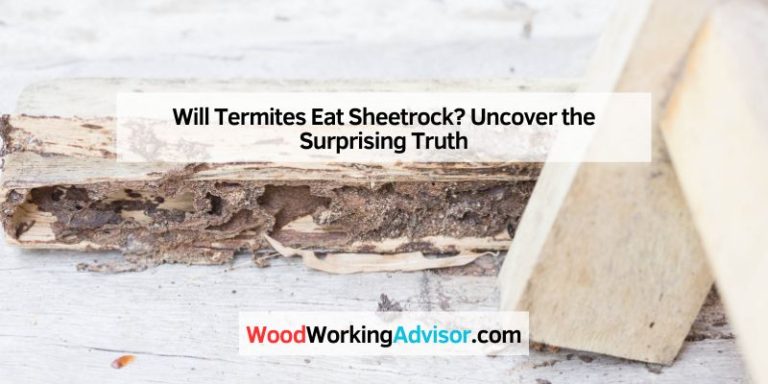
Drywood termites cause damage by eating wood from the inside out. This damage can be hard to spot at first, but it gradually weakens the structure of your home. They create galleries, or tunnels, within the wood. These galleries follow the grain of the wood, and as the termites consume it, they leave behind empty spaces.
As the damage progresses, you might notice weakened wood, bubbling paint, or small piles of fecal pellets. Regular inspections are critical because early detection can prevent extensive and costly repairs. Ignoring the signs can lead to severe structural damage and reduce the value of your property.
- Wood Damage: Look for galleries in wood, following the grain pattern.
- Frass: Small piles of fecal pellets (frass) near infested wood.
- Bubbling Paint: Moisture from termite activity can cause paint to bubble or peel.
- Weakened Wood: Wood that feels hollow or sounds hollow when tapped.
One of the more obvious signs of infestation is when you notice sagging ceilings or walls. This happens when the termites have weakened the structural supports to the point they can no longer hold the weight. These sorts of changes can indicate a severe infestation that needs immediate action.
Methods for Immediate Drywood Termite Control
Once you’ve confirmed a drywood termite infestation, the next step is to control it. The effectiveness of any control method depends on how extensive the infestation is. Several methods can be used to treat drywood termites directly. These range from DIY solutions to professional treatments. This section will explore the various approaches, helping you choose the best fit for your situation. Remember, acting quickly is key to minimizing damage.
DIY Spot Treatments and Their Effectiveness
For small, localized infestations, DIY spot treatments can be an initial step. These treatments typically involve applying insecticides directly to the affected wood. Aerosol sprays and liquid termiticides are common choices. You can purchase these at most home improvement stores. The effectiveness of spot treatments depends on the severity of the infestation and your ability to reach all affected areas.
Remember, if the colony is hidden deep within the wood, these treatments might not reach them. Thorough application is key, and you should always follow product instructions carefully. For safety, wear protective gear, including gloves and a mask, when handling any insecticides.
- Insecticide Sprays: Aerosol sprays for direct application to visible termite activity.
- Borate Treatments: Borate solutions can be applied to wood to kill termites.
- Wood Fillers: To help prevent future problems, filling small holes and cracks in wood with fillers is helpful.
- Professional Advice: When you are uncertain about the severity, get help from a pro.
Borate solutions are a great choice if you are concerned about harsh chemicals. They are less toxic than many synthetic options, and they can soak into the wood to provide long-term protection. While the application is relatively easy, the wood needs to be properly prepared, and you should wear gloves and eye protection. Make sure you treat the infested areas. For smaller infestations, spot treatments can provide temporary relief and help stop the termites from spreading.
Professional Fumigation Procedures
For more extensive infestations, professional fumigation is often the best approach. Fumigation involves sealing your entire house and releasing a gas that kills termites. The gas penetrates deep into the wood, ensuring that all termites, including those hidden within walls or other inaccessible areas, are eliminated. This is often more expensive than spot treatments, but it’s a very effective method. Fumigation is usually a multi-step process.
First, the house needs to be sealed using tarps or plastic sheeting. Then, the fumigant is released. Finally, the house needs to be aerated to remove the gas. You’ll need to leave your home during this process. The process is not a DIY procedure; it requires licensed professionals. Always follow the guidelines provided by the pest control company to guarantee safe and effective treatment.
- Pre-Treatment Prep: Remove food, plants, and medication.
- Sealing the Home: Covered with tarps, the home is sealed to contain the fumigant.
- Fumigant Release: The gas permeates all wood surfaces.
- Aeration: After treatment, the home is aired out.
Fumigation is effective, but it can be time-consuming and expensive. You will likely need to vacate your home for several days during treatment. You also have to follow specific safety measures. You can ask your professional pest control company about the process and what it will involve. Before fumigation, you should take all food items and any medications. By following the instructions, you can guarantee the safety and effectiveness of the fumigation process.
Targeted Treatment Options and Their Application
Between spot treatments and fumigation, you have many targeted treatment options. These treatments are often used to address specific areas. They provide a balance between the affordability of DIY solutions and the thoroughness of professional fumigation. These methods involve injecting termiticides directly into the wood or using bait systems. Injection methods involve drilling small holes into infested wood and injecting insecticides.
Bait systems use slow-acting poisons that termites take back to their colonies. These methods are typically more targeted than fumigation, making them suitable for localized infestations. It’s often recommended to consult a professional for proper application, especially when using injections. These methods are effective for reaching hidden termites. They offer a great balance between cost and efficiency.
- Injection Treatments: Injecting termiticides directly into infested wood.
- Bait Systems: Using slow-acting poisons.
- Foam Treatments: Termite foams for cracks.
- Professional Application: It is often better to hire a professional for proper implementation.
Foam treatments can reach difficult areas, such as the inside walls and crevices, and are very effective. The foam expands to fill the spaces where termites live. Bait systems provide another effective treatment option. These systems work by attracting termites to a bait station, where they consume a slow-acting poison. Termites carry the poison back to the colony, killing others in the process. With careful planning and professional implementation, targeted treatments can provide effective control. They are effective options for managing the drywood termite problem.
Preventing Drywood Termite Infestations
Once you’ve treated a drywood termite infestation, the focus shifts to preventing future problems. Prevention involves regular inspections, making your home less appealing to termites, and taking prompt action when you spot early signs of termite activity. This section will explore the steps you can take to safeguard your home against future infestations. Taking proactive measures can save you from the stress and expense of future infestations.
Regular Inspections and Their Importance
Regular inspections are key to spotting drywood termites early. These inspections should be done at least once a year. It’s better to have inspections more frequently in areas with a history of termite activity. During an inspection, look for signs of termites, such as fecal pellets, damaged wood, and swarming termites.
Professional inspections are also a good idea. They can find infestations that are difficult to spot. A pest control professional will know where to look and how to identify early signs. These inspections can save you a lot of money and protect your property. Schedule these regularly, so you can catch issues before they become a big problem.
- Annual Checks: Schedule inspections to check for termite activity.
- Professional Help: Get a pro to help you inspect.
- Watch for Warning Signs: Be aware of the signs of termites.
- Proactive Action: Act fast if you find something.
When you have a regular schedule for inspections, you are more likely to catch issues before they cause substantial damage. Professional inspections often include detailed reports and recommendations. These reports will highlight any active infestations or areas where termites might be a problem. Following the recommendations of pest control experts can help keep termites away from your home. Make inspections part of your regular home maintenance routine. It is a good investment that can protect your home and save you money in the long run.
Wood Treatment and Construction Practices
The materials you use and construction practices you follow can make your home less appealing to drywood termites. Using wood that has been treated to resist termites is a strong start. Pressure-treated wood is great for your home’s outer areas, such as decks and patios. It provides a barrier against termites.
When building or renovating, use construction methods that minimize termite access. These include sealing cracks and gaps in your home’s foundation and walls. Also, make sure that wooden elements don’t come into direct contact with the ground. By taking the right steps, you can prevent termites from invading your home.
- Treated Wood: Using wood treated with preservatives to repel termites.
- Sealing Entry Points: Seal cracks and gaps in your home.
- Proper Ventilation: Good airflow prevents moisture buildup.
- Construction Methods: Use construction methods to keep them away.
If you’re building a new home, you can choose termite-resistant materials. Materials like concrete and metal studs are non-wood alternatives that termites do not eat. This gives termites fewer places to infest. Good construction practices and choosing the right materials work together to create a termite-resistant environment. Consult with a building professional to learn about the best options for your home. By taking steps, you can create a home that is resistant to termite problems. This is a very effective part of a good prevention plan.
Environmental Control and Maintenance for Prevention
Controlling your home’s environment and keeping up with maintenance can deter termites. Proper ventilation and moisture control are essential. Moisture attracts termites and provides them with ideal conditions for survival. Ensure your home has good airflow to reduce moisture buildup. Fix any leaky pipes or areas where water collects.
Proper ventilation is helpful to prevent moisture buildup in areas like the attic and crawl spaces. Regular maintenance can identify and fix problems before they get worse. By taking steps to protect your home’s environment, you can minimize the risk of termites. Routine maintenance and environmental control are the last pieces of the puzzle for keeping your home termite-free.
- Moisture Control: Fix leaks and reduce humidity.
- Ventilation: Provide good airflow in attics and crawl spaces.
- Landscaping: Keeping plants and wood away from your home.
- Regular Maintenance: Doing regular maintenance checks.
When you maintain a dry home environment, termites are less likely to survive. Keeping plants and wood away from your home also reduces the chances of infestation. Termites can travel from nearby vegetation into your home. Ensure you regularly inspect areas close to your house, such as decks and fences. By combining good maintenance with proper environmental control, you create a less attractive environment for termites. This proactive approach will help keep your home protected.
Advanced Strategies for Fast Drywood Termite Elimination
While the methods discussed earlier are effective, some advanced strategies can speed up the process of eliminating drywood termites. These approaches often involve technologies and techniques that are more complex or specialized. This section will explore these techniques. It will give you a more in-depth knowledge of how pros treat drywood termites.
Heat Treatment Methods for Drywood Termites
Heat treatment is a method to eliminate drywood termites by raising the temperature of infested areas to a level that termites can’t survive. This is an all-encompassing approach that can be very effective. It requires special equipment. Professionals use portable heaters to heat up the structure, typically targeting temperatures above 120 degrees Fahrenheit for a certain period.
This high temperature kills termites at all stages of their life cycle, from eggs to adults. It’s a non-chemical option that can be especially appealing to homeowners who want to avoid the use of pesticides. However, heat treatment requires great preparation and monitoring to ensure the heat reaches all infested areas. It is usually best implemented by professionals to ensure proper application and safety.
- Targeted Heating: High temperatures to eradicate termites.
- Non-Chemical Method: A pesticide-free alternative.
- Professional Application: Requires expert equipment and experience.
- Thorough Coverage: Ensuring the heat reaches all affected areas.
Because the heat must penetrate all areas where termites might be, this treatment often needs extra time. Preparing the home properly for heat treatment is also critical. This means removing items that could be damaged by high temperatures, like sensitive electronics or certain materials. Heat treatment can be an effective choice for homeowners seeking a fast and chemical-free way to eliminate drywood termites. It’s especially useful for infestations that are hard to reach using other methods. When done correctly, this approach provides a thorough and sustainable way to control termite problems.
Microwave Treatment Techniques
Microwave treatment is a more focused approach for drywood termites. This method uses microwaves to heat and kill termites inside the wood. Specially designed microwave devices can be directed at specific spots where termites are active. The microwaves penetrate the wood, generating heat that kills the termites. This method is often used for localized infestations.
It is very effective for treating small areas where termites are present. Microwave treatment offers a great benefit. Because it is highly targeted, it is effective and has minimal impact on the rest of your home. Like heat treatment, the use of microwave technology requires trained technicians. They know how to operate the equipment and correctly assess the wood’s moisture content. It ensures that the treatment is both effective and safe.
- Focused Application: Microwave energy kills termites in wood.
- Localized Treatments: Effective for smaller, spot infestations.
- Expert Usage: Requires a skilled pest control specialist.
- Precise Control: Minimizing the impact on surrounding areas.
One of the major benefits of microwave treatment is its precision. You don’t have to treat the whole structure, just the areas with termites. This can save time and costs compared to methods. Because of this targeted strategy, microwave treatments are often a great option for homeowners who want to avoid widespread chemical treatments. It provides a fast way to get rid of termites, without disrupting your routine. Choosing a professional pest control service that uses microwave treatment ensures the right equipment and experience. They will maximize the effectiveness of this technique.
Cryonite Freezing Methods
Cryonite freezing is a unique way of getting rid of drywood termites that uses extremely cold temperatures. The process involves applying a very cold, frozen carbon dioxide (CO2) substance to infested areas. The CO2 is released as a dry ice mist. This freezes the termites very quickly, killing them instantly.
This method is non-toxic and leaves no residue, making it a safe choice for homes, especially those with sensitive individuals. Cryonite can penetrate small cracks and crevices, reaching termites where other methods may not reach. It works best on accessible areas of infestation. As with all professional treatments, cryonite is generally applied by trained pest control specialists. They ensure that the method is used safely and effectively.
- Freezing Action: Using frozen CO2 to kill termites.
- Non-Toxic: A safe method for your home.
- Penetration: Reaching termites in small areas.
- Professional Application: Requires specialist knowledge.
Cryonite freezing offers several benefits. It doesn’t use harsh chemicals, making it suitable for homes with children, pets, or people with allergies. The treatment is also quick, and the area can be used soon after treatment. This offers a convenient option. Before using cryonite, a pest control specialist will assess the infestation. They will make sure cryonite is suitable for your home. It provides a great option for homes needing a fast, effective, and environmentally friendly approach. Choosing cryonite can help you eliminate termites with minimal disruption.
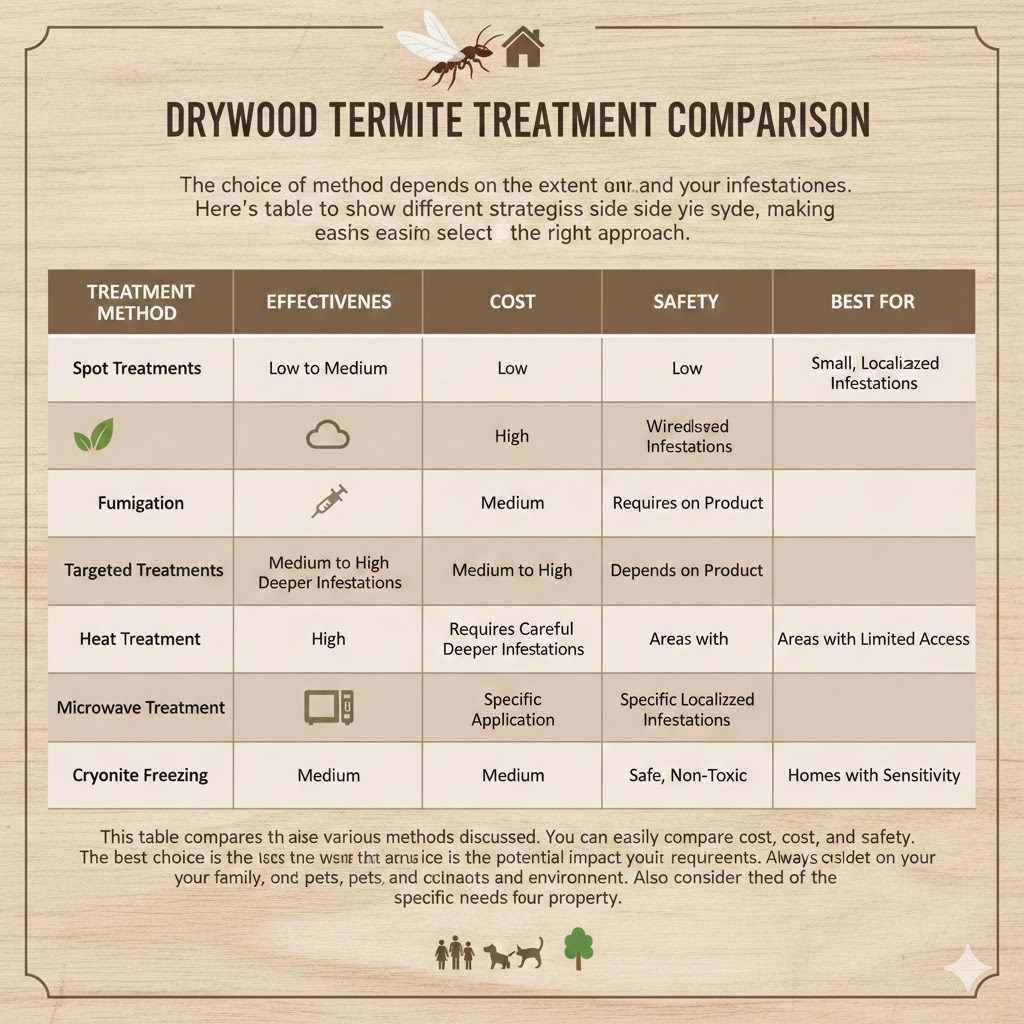
Drywood Termite Treatment Comparison Table
The choice of method depends on the extent of the infestation and your preferences. Here’s a table to show the different strategies side by side, making it easier to select the right approach.
| Treatment Method | Effectiveness | Cost | Safety | Best For |
|---|---|---|---|---|
| Spot Treatments | Low to Medium | Low | Depends on Product | Small, Localized Infestations |
| Fumigation | High | High | Requires Preparation | Widespread Infestations |
| Targeted Treatments | Medium to High | Medium | Depends on Product | Localized but Deeper Infestations |
| Heat Treatment | High | Medium to High | Requires Careful Execution | Areas with Limited Access |
| Microwave Treatment | Medium to High | Medium | Specific Application | Specific Localized Infestations |
| Cryonite Freezing | Medium | Medium | Safe, Non-Toxic | Homes with Sensitivity |
This table compares the various methods discussed. You can easily compare their effectiveness, cost, and safety. The best choice is the one that meets your specific requirements and circumstances. Always consider the potential impact on your family, pets, and the environment. Also, consider the specific needs of your home. Consult with a pest control expert to get a recommendation that best fits your situation.
Frequently Asked Questions
Question: How can I tell if I have drywood termites?
Answer: Look for small, hard fecal pellets (frass), winged termites (alates) during swarming season, and damaged wood with galleries.
Question: Are DIY treatments effective against drywood termites?
Answer: Spot treatments can be helpful for small, localized infestations, but they may not eliminate a widespread problem.
Question: What is fumigation, and when is it necessary?
Answer: Fumigation involves sealing your house and using a gas to kill termites. It’s often used for extensive infestations.
Question: How can I prevent drywood termites from returning?
Answer: Regular inspections, treated wood, sealing entry points, and moisture control are key to prevention.
Question: Are heat treatments safe for my home?
Answer: Heat treatments can be effective, but require a professional and careful preparation to avoid damage.
Final Thoughts
Knowing How to Treat Drywood Termites Fast is essential for protecting your home. We’ve explored different strategies, from DIY methods to professional treatments, to help you take action. We talked about how to identify termites and spot the damage they cause. We explored spot treatments and professional fumigation. We also discussed methods like heat and microwave treatments. Taking prompt action and preventing future problems are critical steps.
Regular inspections, careful construction, and maintaining a dry environment are all vital. Remember, the best method to use depends on the size of the infestation. Don’t be afraid to ask for help from a professional. With the right approach, you can eliminate termites and safeguard your property. You have the knowledge you need to take control and protect your home.