How to Use Cedar: Transform Your Home with Natural Elegance
Cedar is a versatile and durable wood. It’s popular in many projects.
Whether you’re building furniture or enhancing your garden, cedar is a great choice. Its natural resistance to decay and insects makes it ideal for outdoor use. Cedar also has a pleasant aroma and attractive color. This wood is easy to work with, making it perfect for DIY enthusiasts and professionals alike.
In this guide, we’ll explore various ways to use cedar in your projects. From simple home improvements to more complex builds, understanding how to use cedar will help you create beautiful and lasting results. So, let’s dive into the world of cedar and discover its many uses!
Introduction To Cedar
Cedar is a versatile material known for its durability and natural beauty. It is widely used in various applications, from construction to home decor. This section will provide an introduction to Cedar and its uses.
What Is Cedar?
Cedar is a type of softwood that comes from several species of trees. The most common types are Western Red Cedar and Eastern Red Cedar. These trees are native to North America. Cedar wood has a distinct aroma and a reddish-brown color. It is lightweight yet strong, making it ideal for many projects.
Benefits Of Using Cedar
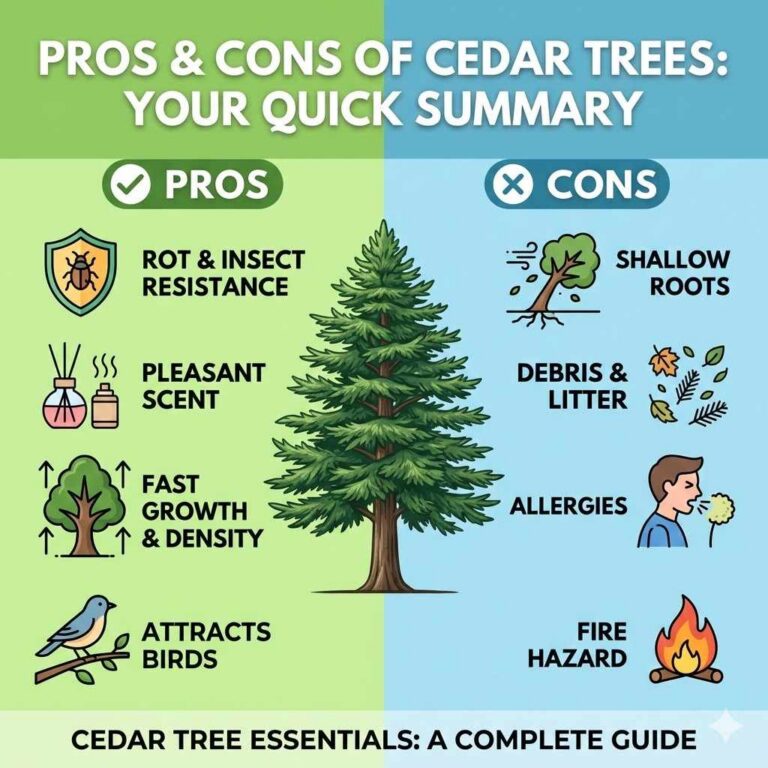
Cedar offers many benefits that make it a popular choice. First, it is naturally resistant to decay and insects. This means it lasts longer without the need for chemical treatments. Second, Cedar has excellent thermal properties. It helps keep homes warm in winter and cool in summer.
Another benefit is its aesthetic appeal. Cedar has a beautiful, natural grain that adds character to any project. It also takes stains and paints well. This allows for customization to match any design. Lastly, Cedar is environmentally friendly. It is biodegradable and can be sustainably sourced.
Choosing The Right Cedar
Choosing the right cedar for your project is crucial. It can be a bit confusing with all the types and qualities available. But, don’t worry! We’re here to break it down for you. Let’s dive in and make sure you pick the best cedar for your needs.
Types Of Cedar
There are several types of cedar, each with its own unique properties. Here are some common types you might come across:
- Western Red Cedar: Known for its reddish color and durability. Great for outdoor projects.
- Northern White Cedar: Lighter in color and weight. Ideal for indoor use.
- Eastern Red Cedar: Has a beautiful, rich color and a lovely aroma. Perfect for closets and chests.
Selecting Quality Cedar
Once you know which type of cedar you need, it’s time to select the best quality. Here’s what to look for:
- Grain: Look for tight, straight grain. This means the wood is strong and stable.
- Knots: Avoid cedar with too many knots. They can weaken the wood and cause problems later.
- Color: Choose cedar with a consistent color. This is a sign of good quality.
Here’s a quick tip: When in doubt, ask for advice at your local lumberyard. They’re usually happy to help!
| Type of Cedar | Best Use |
|---|---|
| Western Red Cedar | Outdoor projects like fences and decks |
| Northern White Cedar | Indoor furniture and paneling |
| Eastern Red Cedar | Closets and chests |
Choosing the right cedar doesn’t have to be a daunting task. With the right information, you can confidently select the best type and quality for your project. Happy building!
Preparing Cedar For Use
When it comes to using cedar for your projects, preparation is key. Whether you’re crafting furniture, building a deck, or making decor items, proper preparation of cedar ensures durability and enhances its natural beauty. In this section, we’ll walk you through the essential steps to get your cedar ready for use. From cleaning and sanding to staining and sealing, let’s dive into the nitty-gritty of preparing cedar for your next project.
Cleaning And Sanding
First things first, you need to clean your cedar. Dust, dirt, and grime can affect the final look and longevity of your project. To clean cedar:
- Use a soft brush or cloth: Gently remove dust and loose particles.
- Mix a mild soap solution: Combine water with a gentle soap or detergent.
- Scrub the surface: Apply the soapy water with a brush, scrubbing lightly.
- Rinse thoroughly: Use clean water to rinse away soap residue.
Once your cedar is clean and dry, it’s time to sand it. Sanding smooths out rough spots and prepares the surface for staining or sealing. Here’s how:
- Choose the right sandpaper: Start with a medium-grit (80-120) and finish with a fine-grit (150-180).
- Sand with the grain: Always sand in the direction of the wood grain to avoid scratches.
- Wipe away dust: Use a tack cloth or a damp rag to remove all sanding dust.
Staining And Sealing
Staining cedar not only adds color but also protects it from the elements. To stain your cedar:
- Choose a stain: Pick a high-quality wood stain that suits your desired look.
- Apply the stain: Use a brush or cloth to apply an even coat of stain. Follow the wood grain for best results.
- Let it dry: Allow the stain to dry according to the manufacturer’s instructions.
- Apply additional coats: If a deeper color is desired, apply more coats, allowing each to dry completely.
Sealing cedar is the final step to ensure it remains protected and looks great for years. Here’s how:
- Select a sealer: Choose a clear or tinted wood sealer that offers UV protection.
- Apply the sealer: Using a brush or sprayer, apply an even coat. Make sure to cover all surfaces.
- Allow to dry: Let the sealer dry completely, following the manufacturer’s instructions.
- Reapply if needed: For outdoor projects, consider reapplying the sealer every few years.
And there you have it! With these steps, your cedar will be ready to take on whatever project you have in mind. Remember, proper preparation not only enhances the beauty of cedar but also extends its life. So take your time and enjoy the process!
Cedar In Interior Design
Cedar wood has become a popular choice in interior design. Its natural beauty and durability make it a favorite for many homeowners. Cedar’s unique aroma and resistance to decay add extra value. Incorporating cedar into your home can create a warm and inviting atmosphere.
Walls And Ceilings
Cedar panels on walls create a rustic yet elegant look. The natural grain and color of cedar add warmth to any room. Cedar ceilings can give a room a cozy cabin feel. They also help in controlling humidity, making your home more comfortable.
Furniture And Accents
Cedar furniture is not only beautiful but also long-lasting. Cedar chairs, tables, and cabinets add a touch of nature indoors. Small cedar accents like picture frames and shelves can enhance the decor. Cedar’s natural oils repel insects, making it ideal for storage chests and closets.
Cedar In Exterior Design
When it comes to exterior design, cedar is a top choice for homeowners and builders alike. Its natural beauty, durability, and resistance to the elements make it an ideal material for outdoor projects. Let’s dive into how cedar can transform your home’s exterior, making it not just functional, but also visually stunning.
Siding And Shingles
Cedar siding and shingles are a popular choice for many homeowners. Why, you ask? Well, cedar has a unique grain that adds a touch of rustic charm to any home. Plus, it’s naturally resistant to rot and insects, which means it can stand up to the elements for years to come.
Imagine pulling up to your home and being greeted by the warm, inviting look of cedar siding. It’s like a big, wooden hug for your house! Not only does it look great, but it also provides excellent insulation, helping to keep your home warm in the winter and cool in the summer.
- Durability: Cedar is known for its long-lasting properties.
- Beauty: The natural grain and color variations make each piece unique.
- Insulation: Cedar provides better insulation compared to other materials.
Decks And Patios
There’s nothing quite like stepping out onto a beautiful cedar deck. Whether you’re enjoying a morning coffee or hosting a summer barbecue, cedar decks and patios provide a natural, elegant setting. Cedar is also less likely to warp or crack compared to other woods, ensuring your deck remains safe and sturdy.
And let’s not forget the smell! Cedar has a delightful aroma that can make your outdoor space feel like a retreat in the woods. It’s like having a mini-vacation every time you step outside. Plus, cedar is naturally slip-resistant, making it a great choice for areas that might get wet.
- Natural Beauty: Cedar decks blend seamlessly with the natural environment.
- Safety: Cedar’s slip-resistant properties make it a safer option.
- Longevity: With proper maintenance, cedar decks can last for decades.
In conclusion, using cedar in your exterior design not only enhances the aesthetic appeal of your home but also provides practical benefits. Whether you’re considering siding, shingles, decks, or patios, cedar is a versatile and reliable choice. So, why not give your home the cedar touch?
Cedar In Landscaping
Cedar is a versatile choice for landscaping. Its natural beauty and durability make it perfect for outdoor projects. From garden features to outdoor structures, cedar enhances your garden’s look and feel.
Garden Features
Use cedar to create attractive garden borders. Its rich color and texture add elegance to any garden. Cedar mulch also helps retain soil moisture. This keeps plants healthy and reduces weeds.
Cedar planters are another great option. They resist decay and insects, ensuring your plants thrive. Plus, cedar’s natural scent can deter pests, providing extra protection.
Outdoor Structures
Cedar is ideal for building durable outdoor structures. Create a stunning pergola or gazebo that blends with nature. Cedar’s strength and weather resistance ensure long-lasting beauty.
Consider cedar for your deck or patio. Its non-slip surface is safe for family activities. Regular maintenance keeps it looking fresh. Enjoy the natural elegance cedar brings to your outdoor space.
Maintenance Of Cedar
Maintaining cedar wood is crucial for its longevity and appearance. Cedar is known for its durability, but it still needs regular care. Proper maintenance ensures your cedar stays beautiful and strong for years.
Regular Cleaning
Regular cleaning helps cedar maintain its fresh look. Use a soft brush and mild soap. Gently scrub the surface to remove dirt and grime. Rinse with clean water. Dry the cedar completely to avoid moisture damage. Clean your cedar at least twice a year. This prevents mold and mildew buildup. It also keeps your cedar looking new.
Repairing Damage
Repair any damage as soon as you notice it. Small cracks or splits can worsen over time. Use wood filler to fix these issues. Sand the repaired area smoothly. Apply a sealant to protect the wood. For larger damages, consider replacing the affected boards. Regular checks help catch problems early. This keeps your cedar in the best condition.
Sustainable Sourcing Of Cedar
Choosing cedar sustainably is crucial for preserving forests. Sustainable sourcing ensures that cedar trees are replanted. It also supports eco-friendly practices. This helps maintain the environment and biodiversity. Here’s how to source cedar sustainably.
Eco-friendly Practices
Eco-friendly practices help protect our forests. They involve selective logging. This means only certain trees are cut down. It reduces the impact on the forest. Forests can regenerate and stay healthy.
Another practice is reduced-impact logging. This technique minimizes damage to surrounding trees. It ensures that the forest remains intact. Replanting trees is also essential. It replaces the trees that were cut down.
Certifications To Look For
Look for certifications to ensure sustainable sourcing. The Forest Stewardship Council (FSC) certification is a key one. FSC-certified wood means it meets high environmental standards.
The Programme for the Endorsement of Forest Certification (PEFC) is another important certification. PEFC ensures that forest management practices are sustainable. Checking for these certifications helps you make eco-friendly choices.
Cedar Projects For Beginners
Cedar is an excellent wood for DIY projects. It’s easy to work with, smells amazing, and is naturally resistant to insects and rot. If you’re new to woodworking, don’t worry! Cedar projects can be simple and fun. Let’s dive into some beginner-friendly ideas to get you started.
Simple DIY Ideas
Starting with small projects can build your confidence. Here are a few easy-to-make items:
- Birdhouse: A cedar birdhouse is a great project. It provides shelter for birds and looks charming in your garden.
- Planter Box: Cedar planter boxes are perfect for your patio. They’re easy to build and add a rustic touch to your decor.
- Coasters: Cedar coasters are simple and functional. They protect your furniture and make great gifts.
These projects don’t require advanced skills. They’re a fantastic way to practice your woodworking techniques.
Tools And Materials Needed
Before you start, gather the right tools and materials. Here’s a list to help you:
| Tool | Use |
|---|---|
| Saw | Cutting wood to size |
| Hammer | Nailing pieces together |
| Drill | Making holes for screws |
| Sandpaper | Smoothing rough edges |
Here are the materials you’ll need:
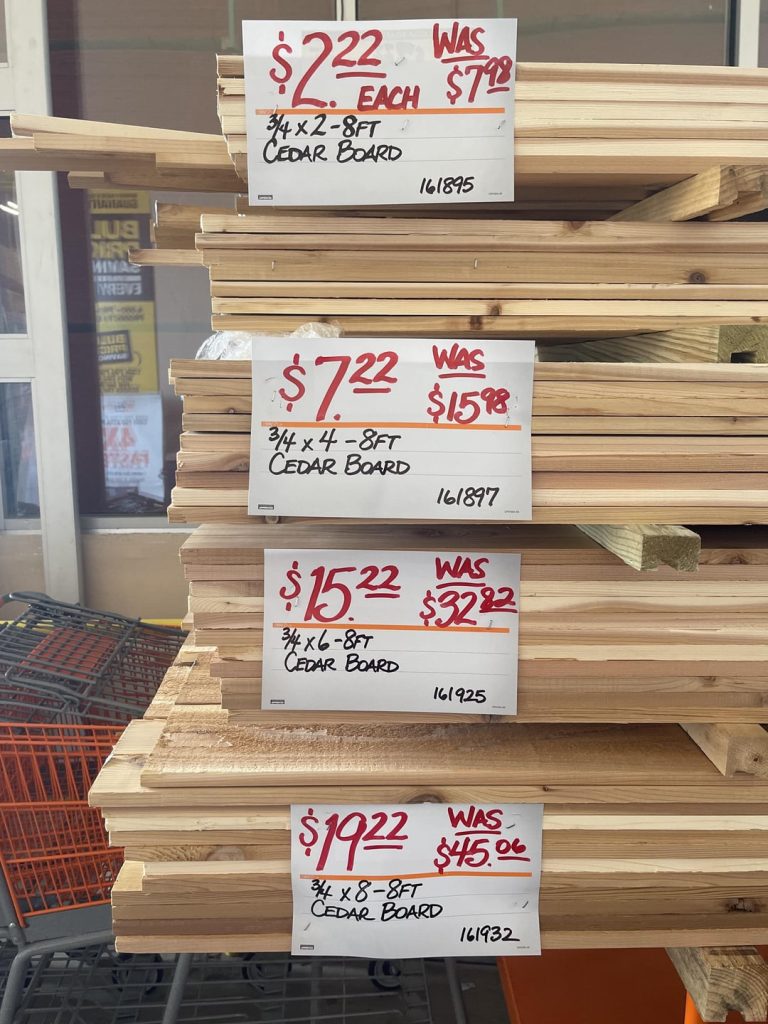
- Cedar wood: Choose planks that are straight and free of knots.
- Nails or screws: These will hold your project together.
- Wood glue: For extra strength, use glue along with nails or screws.
- Finish: Consider a clear coat to protect the wood and highlight its natural beauty.
Starting with the right tools and materials makes your project easier and more enjoyable. Remember, even experienced woodworkers began with simple projects. So, grab your tools and let’s get started!
Frequently Asked Questions
How Do You Use Cedar Wood?
Use cedar wood for furniture, decking, and siding. It’s ideal for closets, chests, and outdoor projects. Cedar repels insects and resists decay.
What Can You Use Fresh Cedar For?
Fresh cedar can be used for building furniture, crafting aromatic sachets, making outdoor decking, and creating natural insect repellents. It’s also perfect for lining closets and chests.
What Does Cedar Keep Away?
Cedar keeps away moths, cockroaches, ants, and other insects. It also repels rodents and silverfish. The scent of cedar wood acts as a natural deterrent.
How Is Cedar Used?
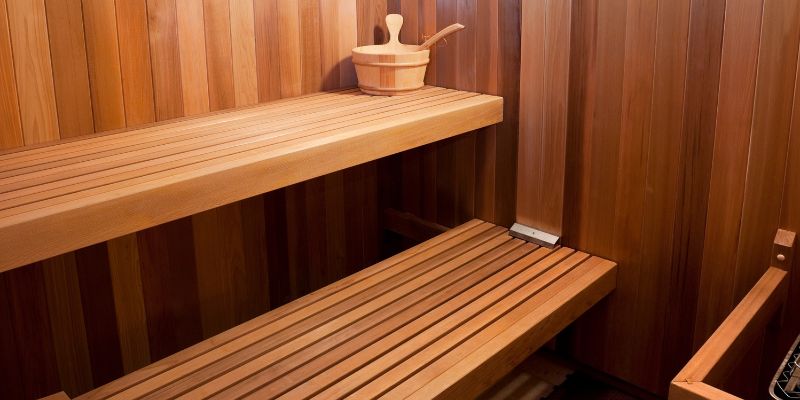
Cedar is used for furniture, decking, siding, and fencing. Its natural resistance to decay and insects makes it ideal for outdoor projects. Cedar’s pleasant aroma and durability make it a popular choice for saunas and closets.
Conclusion
Cedar is a versatile material with many uses. It is durable, aromatic, and beautiful. You can use it for furniture, decking, or crafts. Its natural resistance to decay makes it ideal for outdoor projects. Cedar’s unique aroma also keeps pests away.
Try using cedar in your next project. Enjoy its many benefits and see the difference it makes.