How to Clean Indoor Teak Furniture the Right Way
Clean indoor teak furniture by dusting it weekly with a dry microfiber cloth, then wiping monthly with a cloth dampened in mild soap and water and drying immediately – and skip the teak oil, since most indoor teak pieces are better off with an occasional coat of wax-based wood polish instead.
That last part surprises a lot of people, because teak oil gets recommended constantly for teak care in general. It’s genuinely useful outdoors. Indoors, it usually does more harm than good. Here’s how to tell what your specific piece needs, and the actual cleaning steps for each situation.
Check the Finish Before You Clean Anything
Best Wax Polish for Indoor Teak
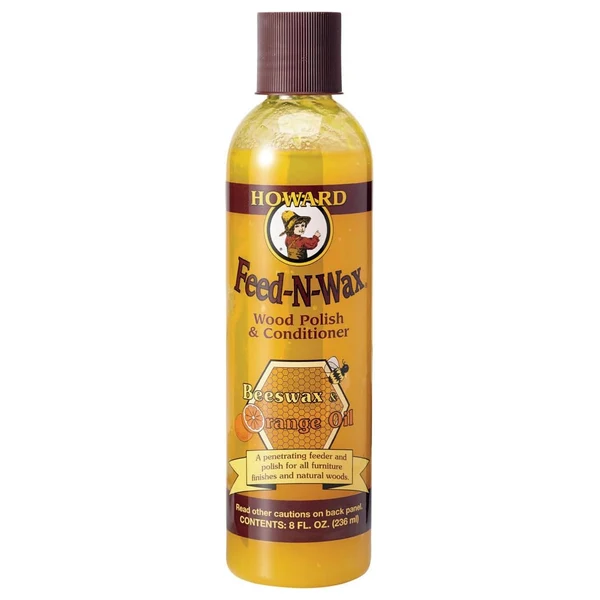 |
Howard Feed-N-Wax Wood Polish & Conditioner, 8 oz – $6.45 A beeswax and carnauba wax blend that conditions raw or oiled indoor teak without the tackiness and dust problems teak oil causes indoors.
|
Indoor teak furniture shows up in three finish types, and the cleaning method that’s right for one can damage another:
- Lacquered or varnished teak (common on dining tables and cabinets) has a sealed, glossy or satin film sitting on top of the wood. Clean it like any finished wood surface – a barely damp cloth, dried right away, no soaking.
- Oiled teak has an open, matte finish where the wood itself is exposed under a thin oil coat. It can handle mild soap and water but needs periodic feeding to stay from drying out.
- Unfinished or “raw” teak relies entirely on the wood’s own natural oils. This is the most common finish on newer indoor teak from big furniture brands, and it’s the one most often ruined by well-meaning teak oil applications.
If you’re not sure which you have, run a finger over the surface. A hard, glassy feel with visible reflection means lacquer. A soft, slightly warm, matte feel where you can see the wood grain clearly means oiled or raw teak.
Why Indoor Teak Usually Doesn’t Need Teak Oil
Teak oil is formulated to replace the natural oils that sun and rain strip out of outdoor furniture, and it needs UV exposure and airflow to cure and wear in evenly. Indoors, none of that happens. The oil sits on the surface longer, stays tacky, attracts dust and lint, and can darken the wood into a blotchy, uneven finish over a few applications instead of the rich color people expect.
Left alone, indoor teak that isn’t lacquered will gradually shift from its original honey-amber tone toward a soft, silvery gray-brown – this is a natural patina, not damage. If you want to keep the warmer color instead of letting it patina, a wax-based wood polish and conditioner (beeswax and carnauba wax blends are the standard) does the job without the tackiness or dust problem that comes with oil.
Weekly Dusting
A dry, soft microfiber cloth once a week is most of what indoor teak actually needs. Wipe with the grain rather than in circles, which helps loosen dust sitting in the grain lines instead of just pushing it around. A vacuum with a soft brush attachment works well for chairs and pieces with carved detail where a cloth can’t reach.
Monthly Deep Clean With Mild Soap
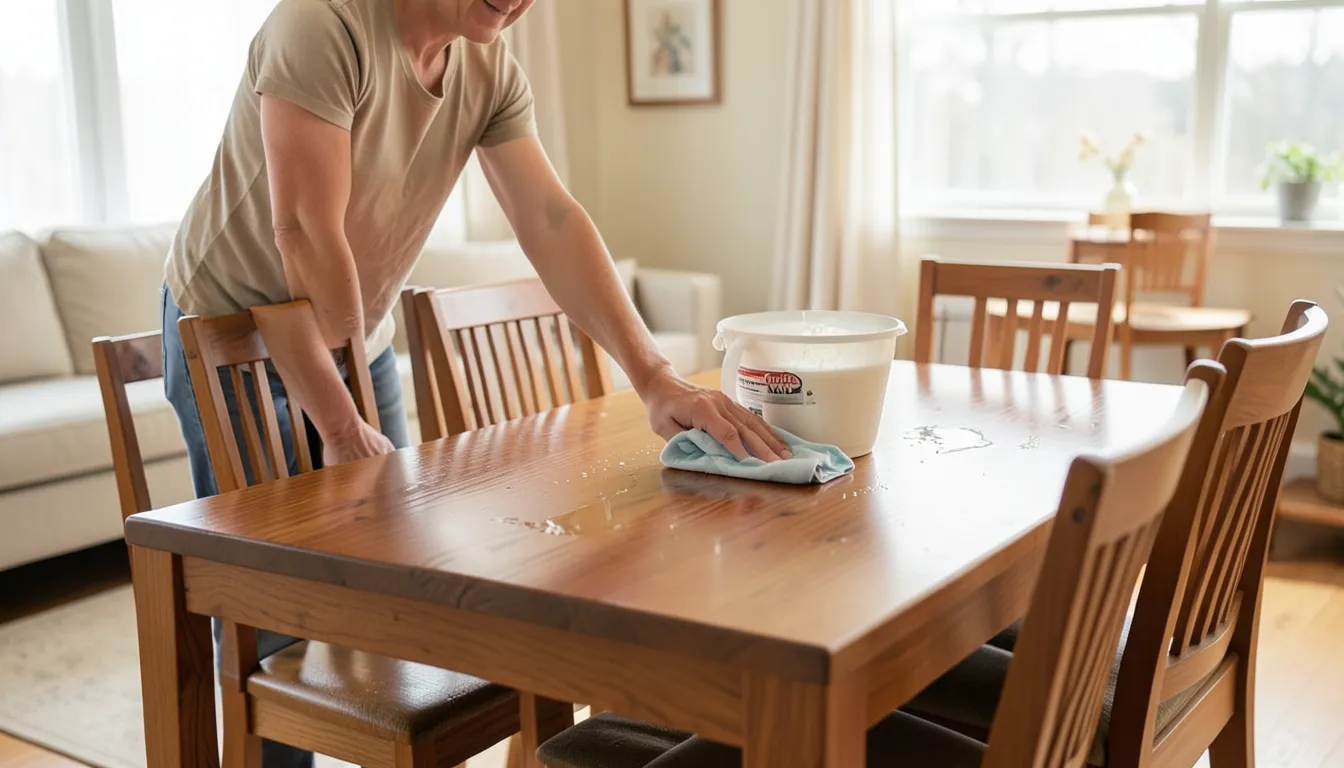
- Mix a few drops of a mild, unscented dish soap into a bowl of warm water – you want barely-sudsy water, not a strong solution.
- Dip a soft cloth in the water and wring it out until it’s just damp, not wet.
- Wipe with the grain in overlapping strokes, re-wetting the cloth as needed but never letting standing water sit on the surface.
- Follow immediately with a dry cloth to remove any leftover moisture – teak resists water better than most woods, but standing moisture can still dull a lacquered finish or raise the grain on raw teak.
- If the piece is oiled or raw teak and feels dry or dull once it’s fully dry, work in a small amount of wax-based wood polish with a clean cloth, following the grain, then buff with a separate dry cloth.
Removing Water Rings, Food Stains, and Grease Marks
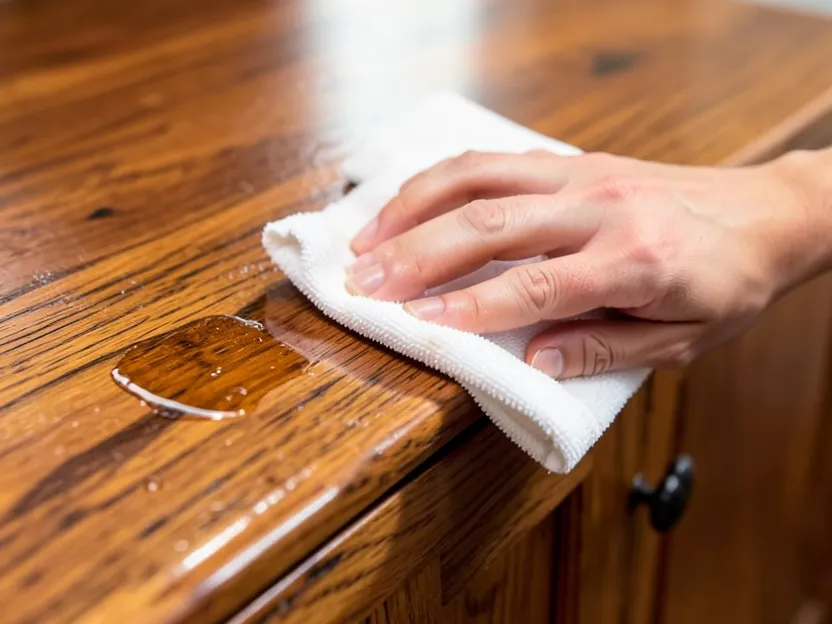
Fresh water rings on lacquered teak usually lift with a cloth dipped in a mix of equal parts white vinegar and olive oil, rubbed gently with the grain and buffed dry – this works because the vinegar cuts through the cloudiness in the finish while the oil helps mask it as you buff. For raw or oiled teak, the same ring often just needs a light pass with fine (000) steel wool along the grain, followed by a small amount of wax polish to even out the sheen.
Grease and food stains respond well to the same mild soap and water routine, just with a little more dwell time – let the damp cloth sit on the spot for 20-30 seconds before wiping. Avoid reaching for all-purpose kitchen degreasers or anything with ammonia; they can strip lacquer finishes and dry out raw teak’s surface oils faster than normal cleaning would.
What Not to Do
- Don’t apply teak oil on a schedule “just because.” Reserve it for actual outdoor teak, or a raw indoor piece you’ve decided you want to darken and are prepared to maintain that way going forward.
- Don’t use silicone-based furniture sprays. They leave a film that makes future re-oiling or waxing uneven and hard to fix.
- Don’t soak the wood or use a wet mop-style cleaning. Teak resists moisture well, but standing water can still work into joints and glue lines on furniture, unlike outdoor teak decking built to shed water.
- Don’t mix cleaning methods across one piece. If a table has a lacquered top and raw-teak legs, clean them differently – treating both the same way is how one part ends up damaged.
Frequently Asked Questions
Should you oil indoor teak furniture?
Usually not. Teak oil is designed for outdoor furniture that gets sun and rain exposure to help it cure properly. Indoors, it tends to stay tacky, collect dust, and darken unevenly. A wax-based wood polish gives raw or oiled indoor teak the same protection without those problems.
Why is my indoor teak furniture turning gray?
Unfinished or raw teak naturally develops a silvery-gray patina over time as its surface oils oxidize, even indoors. It’s not damage or a sign of poor care. If you’d rather keep the original amber-brown color, a periodic wax-based conditioner slows the color shift, though it won’t stop it completely on a raw finish.
Can you use vinegar to clean teak furniture?
A diluted mix of vinegar and olive oil (equal parts) is effective for cloudy water rings on lacquered teak, applied sparingly and buffed dry. Straight, undiluted vinegar used regularly is too acidic for routine cleaning and can dull a finish over repeated use, so save it for spot-treating marks rather than general dusting.
How often should indoor teak furniture be cleaned?
Dust weekly with a dry microfiber cloth and do a mild soap-and-water wipe-down monthly. Raw or oiled teak benefits from a wax-based polish roughly every two to three months, or whenever the surface starts looking dry rather than on a fixed schedule.
For general wood furniture in the house that isn’t teak, the same dust-then-condition logic applies but the products differ by wood type and finish – see our full wood furniture care guide for the breakdown by finish.
Sponsored / affiliate links. As an Amazon Associate I earn from qualifying purchases. I may earn additional commission from eligible campaigns.