Can Cedar Cause Headaches? 3 Real Causes (Dust, VOCs, Pollen)
Cedar can trigger headaches through three separate mechanisms — breathing wood dust in the shop, inhaling aromatic compounds like thujone from freshly cut boards, or reacting to mountain cedar pollen (cedar fever) outdoors, which needs no sawdust at all. OSHA and NIOSH single out Western red cedar dust specifically as a documented occupational asthma trigger. This guide breaks down what causes each type, what the research actually shows, and how to prevent every one.
Affiliate disclosure: As an Amazon Associate, we earn from qualifying purchases. (Insert your Affiliate Disclosure reusable block here.)
What Actually Causes a Cedar Headache?
Best Respirator Pick for Cedar Dust
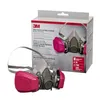
3M OV/P100 Odor/Particulate Multipurpose Respirator
Combines a P100 particulate filter with an organic vapor cartridge — the only combo that addresses both cedar dust and aromatic VOCs in one mask.
- Best for: woodworkers who get headaches from both dust and cedar’s strong smell
- Why we picked it: only option here that filters odor-causing VOCs, not just particulate
- Main drawback: bulkier and pricier than a dust-only mask
Compare more cedar dust protection options
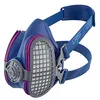 Option 1 GVS Elipse P100 Half Mask Respirator
|
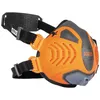 Option 2 Klein Tools Reusable P100 Respirator
|
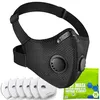 Option 3 Base Camp M Pro Dust Mask
|
As an Amazon Associate we earn from qualifying purchases.
“Cedar headache” isn’t one condition — it’s three different exposures that happen to produce the same symptom. Occupational health agencies track wood dust and pollen allergy as separate hazards because they trigger headaches through different biological pathways, and the fix for one does almost nothing for the other.
- Wood dust exposure — fine cedar particulate in a shop or mill, regulated by OSHA as an occupational hazard.
- Aromatic VOCs — thujone, cedrene, and other volatile compounds released from freshly cut or sanded wood, strongest indoors with no airflow.
- Pollen allergy (“cedar fever”) — an immune reaction to airborne juniper/cedar pollen, unrelated to woodworking and common in central Texas each winter.
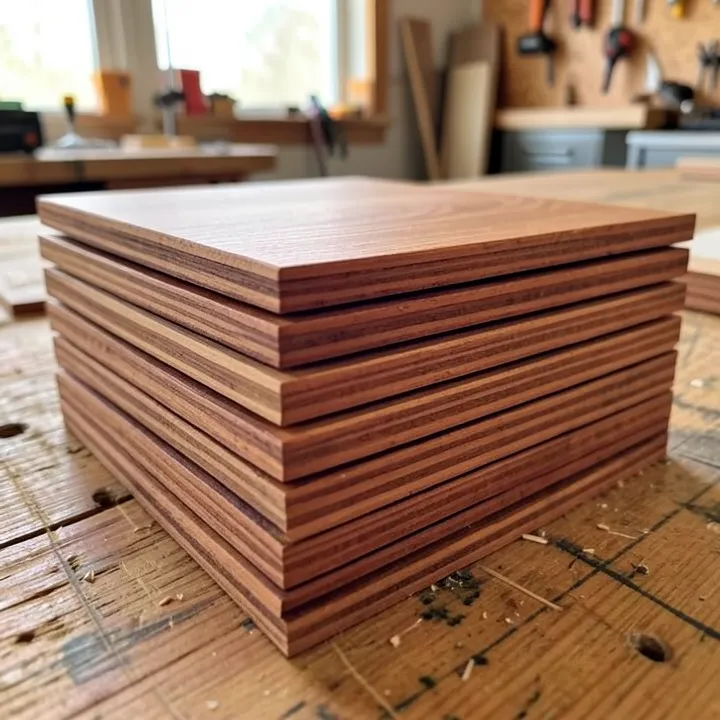
Cedar Sawdust and Workshop Exposure
Western red cedar dust is one of the few wood species with its own OSHA exposure limit. The agency sets the permissible exposure limit (PEL) for Western red cedar dust at 2.5 mg/m³ over an 8-hour workday — half the 5 mg/m³ limit that applies to most other wood species — because repeated exposure sensitizes some woodworkers to plicatic acid, the compound responsible for cedar-related occupational asthma.
Headaches show up earlier than asthma does. According to the Canadian Centre for Occupational Health and Safety (CCOHS), wood dust exposure can cause the body to absorb irritant chemicals through the lungs, and the resulting symptoms include headache, breathlessness, dizziness, and irregular heartbeat well before any diagnosable lung disease develops. Hypersensitivity pneumonitis — a lung inflammation reaction some woodworkers develop — often begins with a headache and is regularly mistaken for a cold or flu because chills, sweating, and nausea follow soon after.

In our shop, the sharp cedar smell hits hardest in the first few minutes of resawing a board that’s been sitting in a closed cabinet — well before any visible dust cloud builds up. That timing lines up with what NIOSH and CCOHS describe: it’s often the volatile oils, not just the airborne particulate, doing the early irritating, which is why a headache can start before a dust mask alone would even register a problem.
For a full breakdown of cedar’s other dust-related risks — skin irritation, occupational asthma statistics, and species-by-species comparisons — see our guide to why cedar is considered toxic in dust form.
Aromatic VOCs in Freshly Cut Cedar
Cedar’s scent comes from volatile organic compounds — mainly thujone, cedrene, and cedrol — released as essential oils when the wood is cut, sanded, or heated. These compounds are what make cedar useful for repelling moths and what gives cedar closets their smell, but in an enclosed, poorly ventilated space they can also irritate the respiratory tract and trigger headaches, independent of dust exposure.
Burning cedar concentrates the effect. Combustion releases thujone and phenols as smoke, and the CCOHS notes that inhaling these compounds causes respiratory and eye irritation — a common complaint from anyone lingering near a cedar campfire or wood stove for too long. The fix for VOC-driven headaches is airflow: a fan, an open door, or a dust collector with makeup air, not just a mask.
Cedar Pollen Allergy (“Cedar Fever”) and Headaches
Cedar fever isn’t caused by wood at all — it’s a seasonal allergic reaction to airborne pollen from mountain cedar (Ashe juniper), concentrated in central Texas and parts of Oklahoma from December through February. According to the Cleveland Clinic, cedar fever produces a stuffy or runny nose, itchy watery eyes, sneezing, coughing, and fatigue as the immune system reacts to the pollen. Cleveland Clinic doesn’t list headache as a primary symptom, but sinus and allergy specialists consistently link the condition’s nasal congestion and sinus pressure to secondary headaches — the same mechanism behind any bad head cold.

The distinction matters because the fixes don’t overlap. A dust mask does nothing for outdoor pollen exposure, and antihistamines do nothing for a sawdust-triggered headache in the shop.
Wood Dust vs. VOCs vs. Pollen: Quick Comparison
| Trigger | Where It Happens | Typical Onset | Best Fix |
|---|---|---|---|
| Wood dust (plicatic acid) | Sawing, sanding, routing cedar | Minutes to hours | P100 respirator + dust collection |
| Aromatic VOCs (thujone, cedrene) | Enclosed shop, fresh-cut boards, burning cedar | Minutes | Ventilation / open airflow |
| Pollen (“cedar fever”) | Outdoors, Dec-Feb, central TX/OK | Hours to days, seasonal | Antihistamines, staying indoors on high-count days |
How to Prevent Cedar-Related Headaches
- Identify your trigger first: note whether headaches start in the shop (dust/VOCs) or outdoors in winter (pollen) — the prevention steps are different.
- Wear a NIOSH-rated P100 respirator: a standard paper dust mask does not filter fine cedar particulate adequately; look for a NIOSH approval number on the packaging.
- Run dust collection and ventilation together: a shop vacuum or dust collector controls particulate, but only open airflow (a fan, cracked door, or makeup-air system) clears the aromatic VOCs that a filter mask doesn’t stop.
- Let freshly cut boards off-gas: stacking new cedar stock outdoors or in a ventilated area for a day before heavy sanding reduces the initial VOC burst.
- Track pollen counts if you’re in cedar fever territory: check local pollen forecasts each winter and limit outdoor exposure on high-count days.
- See a doctor if symptoms persist or worsen: a headache that lasts for days, or comes with fever, chills, or breathlessness, needs medical evaluation rather than home management.
When to See a Doctor
Most cedar-related headaches resolve within a few hours of leaving the exposure — stepping out of a dusty shop or getting relief from allergy medication. That’s not always the case. Headaches that last for days, or that come with fever, chills, confusion, a stiff neck, blurred vision, or trouble breathing, need medical evaluation rather than home management. These can signal hypersensitivity pneumonitis or something unrelated to cedar entirely, and a doctor may use bloodwork, a chest X-ray, or lung function testing to sort out the cause.
Can cedar sawdust give you a headache?
Yes. CCOHS documents headache as one of several symptoms — alongside dizziness and breathlessness — from absorbing wood dust chemicals through the lungs. Western red cedar dust carries an added risk because it can trigger occupational asthma from repeated exposure, which OSHA regulates with its own, stricter exposure limit.
Is cedar allergy the same as cedar fever?
Not exactly. Cedar fever is the common name for a seasonal allergic reaction specifically to mountain cedar (Ashe juniper) pollen, mostly affecting people in central Texas each winter. A general cedar allergy — reacting to wood dust or cedar oils in furniture and closets — is a separate, year-round sensitivity unrelated to pollen season.
Dust- and VOC-triggered headaches usually ease within a few hours of leaving the exposure and getting fresh air. Pollen-driven cedar fever headaches can recur daily throughout the December-to-February season in affected regions, since the trigger is outdoor air rather than a single exposure.
Does burning cedar wood cause headaches?
It can. Burning cedar releases thujone and phenols in the smoke, and CCOHS notes these compounds cause respiratory and eye irritation, which can trigger a headache in an enclosed space like a cabin or a poorly vented wood stove room. Good ventilation and keeping a safe distance from the smoke reduce the risk.
What’s the safest way to work with cedar without getting a headache?
Combine a NIOSH-rated P100 respirator (P100 for particulate, with an organic-vapor cartridge if the smell alone bothers you) with real airflow — a dust collector plus an open door or window, not a filter mask alone. Letting freshly cut boards off-gas outdoors for a day before heavy sanding also cuts down the initial VOC burst.
Conclusion
Cedar can cause headaches, but “cedar headache” covers three unrelated triggers: wood dust, aromatic VOCs, and pollen allergy. Matching the prevention to the actual trigger — a P100 respirator and ventilation in the shop, or antihistamines and pollen tracking outdoors — solves the problem far faster than treating it as one generic sensitivity. If headaches persist despite the right precautions, see a doctor rather than assuming it will pass.
For more on cedar’s other health considerations, see why cedar is considered toxic, can cedar cause a sore throat, what cedar wood actually smells like, and which cedar trees produce pollen. Cedar’s aromatic oils are also why it’s a popular choice to repel insects in closets and chests.
Sponsored / affiliate links. As an Amazon Associate I earn from qualifying purchases. I may earn additional commission from eligible campaigns.