Are Cedar Trees Native to Texas? One Species Is, Most ‘Cedar’ Isn’t
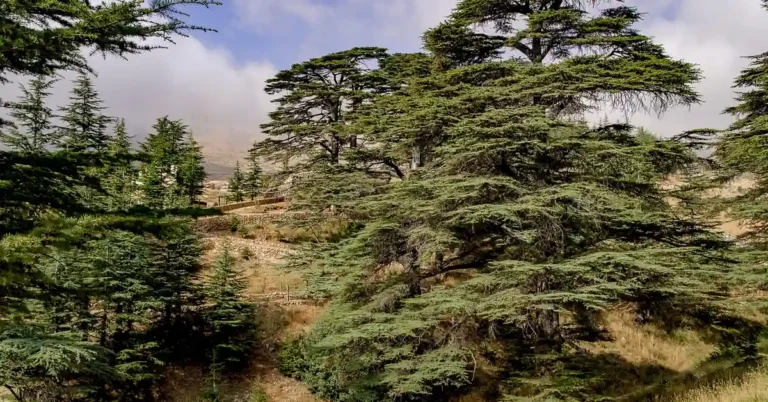
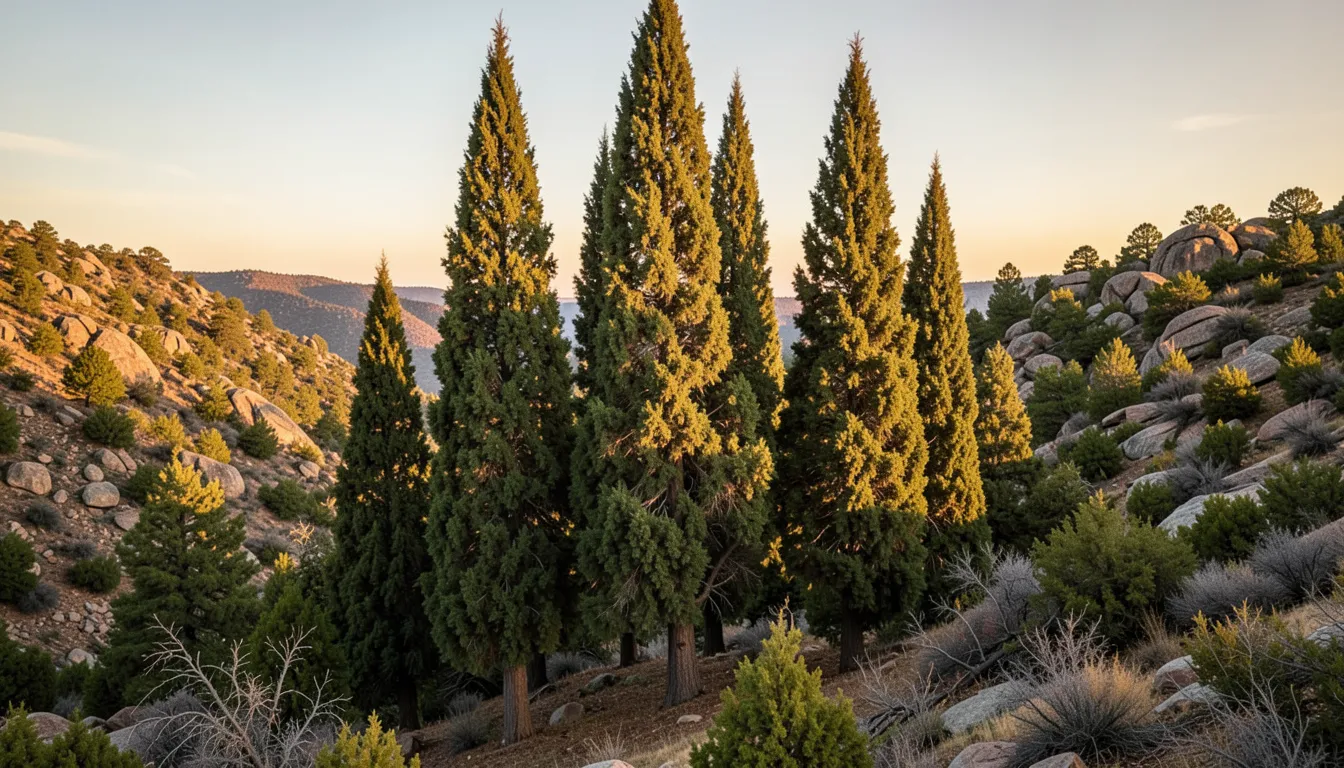
Technically, no true cedar (genus Cedrus) is native to Texas or anywhere in North America – those are Old World trees from the Mediterranean and the Himalayas. What Texans call “cedar” almost everywhere in the state, especially the aromatic evergreen covering the Hill Country, is Ashe juniper (Juniperus ashei), a genuinely native Texas species that simply got the common name “cedar” a couple centuries ago and never lost it.
Why Texans Call Juniper “Cedar”
Best Field Guide for Texas Trees
 |
Trees of Texas Field Guide – $12.00 If you’re trying to tell Ashe juniper apart from true cedar and other native evergreens on your own land, a dedicated regional field guide beats a generic tree app.
|
The naming mix-up isn’t unique to Texas. Early European settlers across North America regularly called any aromatic, reddish-wooded evergreen conifer “cedar,” regardless of its actual botanical family, because it reminded them of true cedars back home. Eastern redcedar (Juniperus virginiana), red cedar in the Pacific Northwest (actually a different genus, Thuja), and Texas’s own Ashe juniper are all junipers or arborvitaes wearing a cedar nickname that stuck through common usage, not botanical accuracy.
Ashe Juniper: The Real Native “Cedar” of Texas
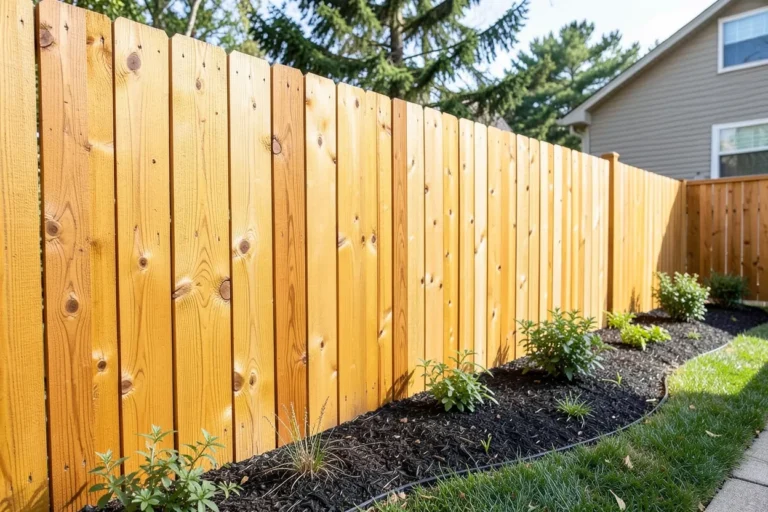
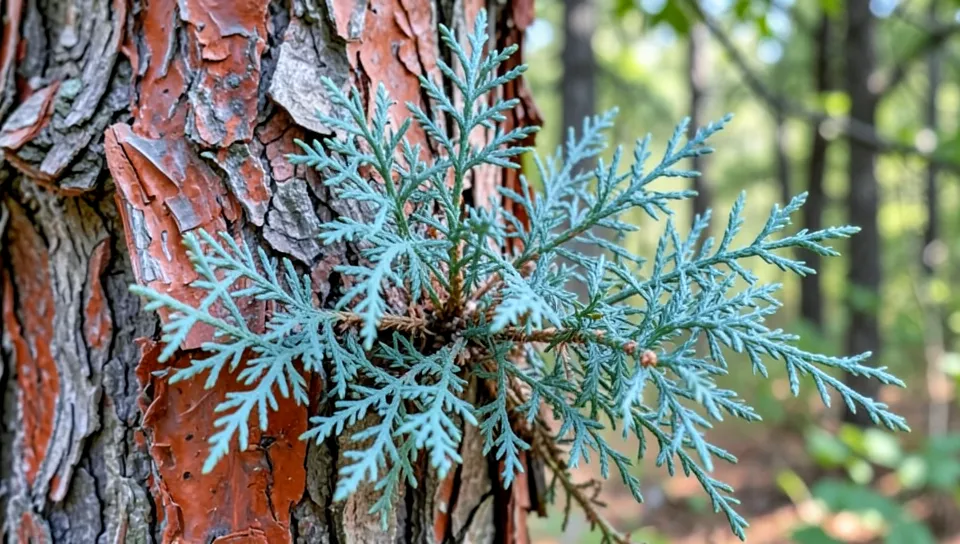
Ashe juniper is genuinely native to the Texas Hill Country, the Edwards Plateau, and parts of the Cross Timbers region, where it has grown for thousands of years, well before European settlement. It’s a scrubby, often multi-trunked evergreen with scale-like blue-green foliage and shredding, fibrous reddish-brown bark. Its wood is aromatic, resistant to rot, and has long been used locally for fence posts because its natural oils resist ground contact decay far better than most other regional woods.
Eastern Redcedar Also Grows in Texas
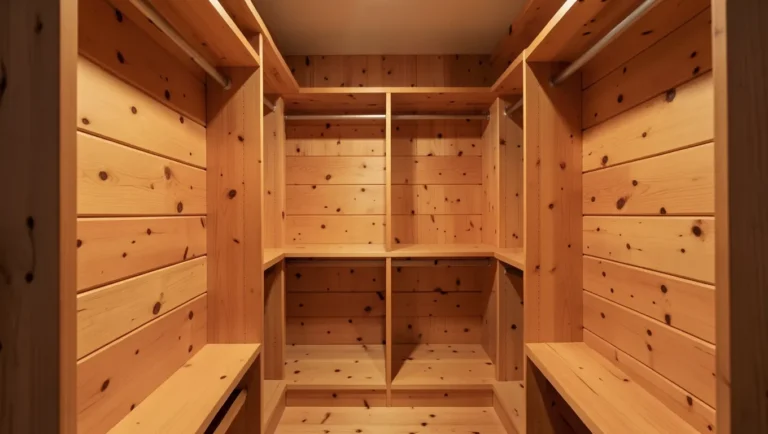
Eastern redcedar, a different juniper species, is also native to much of eastern and central Texas and is more common than Ashe juniper outside the Hill Country’s limestone soils. It has a more traditional Christmas-tree conical shape compared to Ashe juniper’s often scrubby, multi-trunked form, and its reddish, fragrant heartwood is the same wood commonly used for cedar closets and chests nationwide.
Why Ashe Juniper Gets So Much Attention (and Backlash)
Despite being native, Ashe juniper is one of the most controversial plants in Texas. Historically kept in check by wildfires that periodically swept the Hill Country, its populations expanded dramatically over the past century as fire suppression became standard land management practice. Dense juniper thickets are blamed for consuming groundwater faster than native grasslands and for triggering “cedar fever,” a severe pollen allergy that affects a large share of Central Texans every winter when the trees release pollen from December through February.
What This Means If You’re Working With “Texas Cedar” Wood
If you’ve bought or harvested “cedar” lumber, fence posts, or mulch in Texas, there’s a good chance it’s actually Ashe juniper rather than a true cedar species. For woodworking purposes this rarely matters practically, since Ashe juniper shares the rot resistance, aromatic oils, and reddish color that make cedar-family wood desirable for fence posts, chests, and closet lining. It does matter if you’re trying to match wood species for a specific project or comparing lumber prices, since “cedar” pricing and grading standards were generally developed around Eastern redcedar and Western redcedar, not Ashe juniper specifically.
Frequently Asked Questions
Is cedar native to Texas?
No true cedar (genus Cedrus) is native anywhere in North America. What Texans call cedar is almost always Ashe juniper or Eastern redcedar, both of which are genuinely native to Texas.
What is Texas ‘cedar’ actually?
In most of the Hill Country, it’s Ashe juniper. Elsewhere in Texas, it’s often Eastern redcedar. Both are juniper species that share cedar’s aromatic, reddish, rot-resistant wood.
Why does Texas cedar cause allergies?
Ashe juniper releases enormous amounts of pollen from December through February, and its density has increased significantly over the past century due to reduced wildfire activity, making ‘cedar fever’ one of the most common seasonal allergies in Central Texas.
Is Ashe juniper good for woodworking?
Yes. Its rot resistance and aromatic oils make it a strong choice for fence posts, chests, and closet lining, similar to how Eastern redcedar is used elsewhere.
Bottom Line
No true botanical cedar is native to Texas, but the trees Texans call cedar, mainly Ashe juniper and Eastern redcedar, absolutely are. The name is a holdover from early settlers, not a botanical claim, and for practical purposes the wood shares the qualities that make true cedar valuable for outdoor and aromatic woodworking projects.
Sponsored / affiliate links. As an Amazon Associate I earn from qualifying purchases. I may earn additional commission from eligible campaigns.