
How to Use Ryobi Circular Saw: A Beginner’s Guide
Using a Ryobi circular saw for the first time can seem daunting. But with the right guidance, it becomes a simple task.
A Ryobi circular saw is a versatile tool for both DIY projects and professional tasks. Whether you need to make precise cuts or handle large sheets of material, this tool can help. Before you start, it’s important to understand its features and safety precautions.
Knowing how to use it properly ensures not only accurate cuts but also your safety. In this guide, we’ll walk you through the steps to confidently use your Ryobi circular saw. From setting up the tool to making your first cut, we’ll cover everything you need to know. Let’s get started!
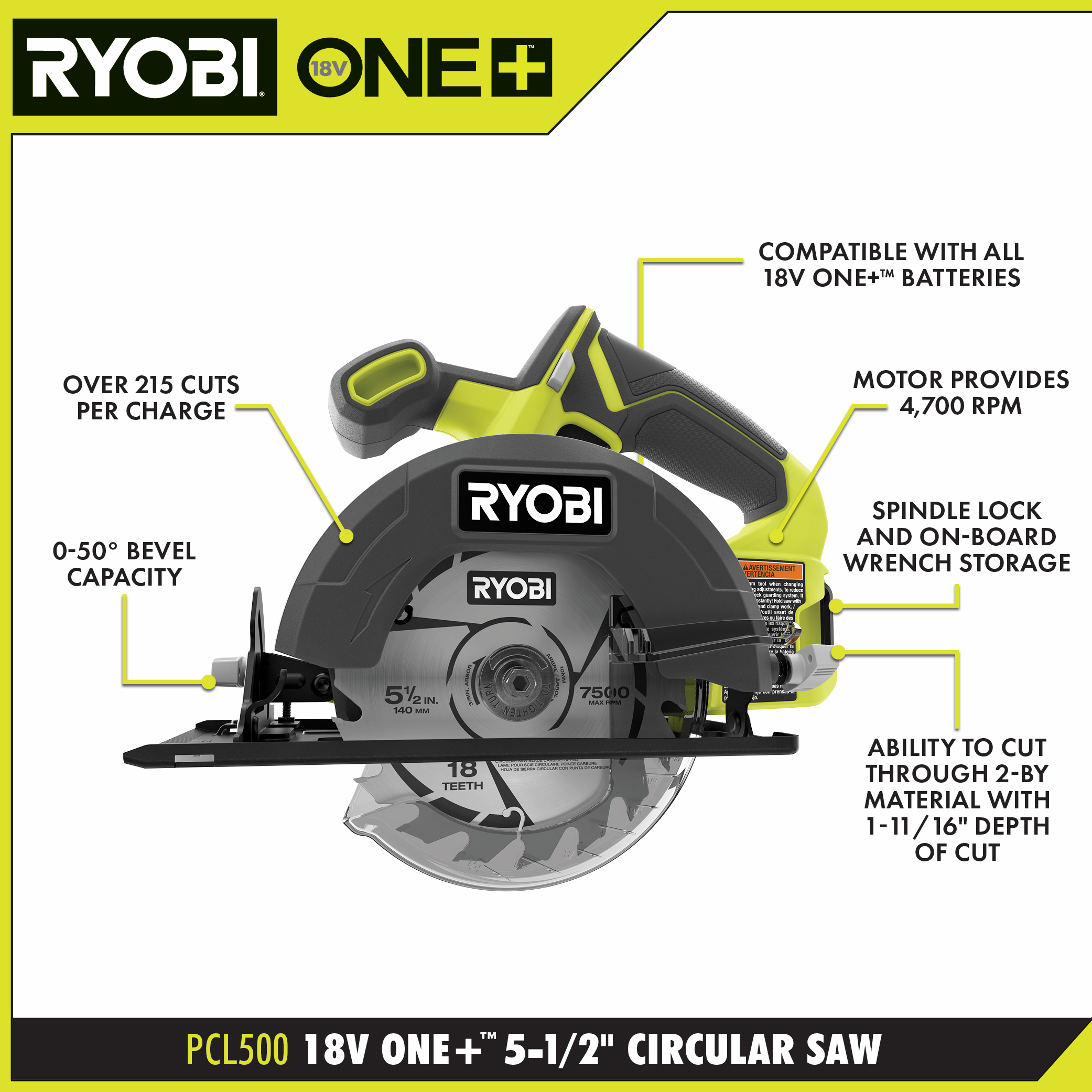
Credit: espanol.ryobitools.com
Introduction To Ryobi Circular Saw
Learn how to use the Ryobi Circular Saw for your DIY projects. This guide provides easy steps for safe and effective use. Ideal for beginners and seasoned users alike.
Why Choose Ryobi
Ryobi circular saws are popular for their reliability and ease of use. They are great for beginners and experts. Many people trust Ryobi for their affordable and durable tools. Ryobi saws offer precision and power. They handle different materials well. Wood, metal, and plastic. These saws are also lightweight. Easy to carry and use. This makes them a favorite among DIY enthusiasts.
Basic Features
| Feature | Description |
|---|---|
| Blade Size | Usually 7 1/4 inches |
| Power Source | Corded or Battery |
| Weight | Lightweight for easy handling |
| Safety Features | Blade guard and safety switch |
Safety Precautions
Ensure the Ryobi circular saw is unplugged before adjusting the blade. Always wear safety goggles to protect your eyes. Keep hands clear of the cutting path.
Essential Gear
Wear safety goggles to protect your eyes from flying debris. Use hearing protection to guard against loud noises. Gloves help keep your hands safe. A dust mask can prevent inhaling fine particles. Make sure to wear non-slip shoes for a better grip.
Workspace Setup
Ensure your workspace is clean and organized. Remove any tripping hazards from the area. Use a stable workbench to hold your materials. Ensure adequate lighting so you can see clearly. Keep a first aid kit nearby in case of accidents.

Getting Started
Open the box carefully. Remove the saw and all parts. Check for the manual. Make sure all pieces are there. Look for the blade, battery, and charger. Find any small parts. Keep them safe.
Read the manual first. Attach the blade to the saw. Tighten the bolt well. Insert the battery. Charge it fully before use. Check all screws and bolts. They should be tight. Wear safety gear. Gloves and goggles are important.
Understanding The Parts
The blade is the sharp, round part of the saw. It cuts through wood. The guard covers the blade. It keeps you safe. Always check the guard. Make sure it works well. It should move smoothly. The guard should cover the blade when you are not cutting. This helps prevent accidents.
The base plate is flat. It helps the saw stay steady. It guides your cuts. You can adjust the angle. This lets you make different cuts. There is a lever for adjustments. Pull the lever to change the angle. Check the settings before you cut. Make sure the base plate is secure.
Basic Operations
To make a straight cut, first, mark the line on the wood. Place the saw’s base plate on the wood. Align the blade with the line. Hold the saw firmly with both hands. Press the trigger to start the blade. Let the blade reach full speed. Push the saw forward along the line. Keep the base plate flat on the wood. This helps maintain a straight cut. Do not force the saw; let it work at its own pace.
Adjust the angle by tilting the base plate. Use the angle guide on the saw. Set it to the desired angle. Tighten the knob to lock the angle. Mark the cut line on the wood. Align the blade with the line. Hold the saw firmly. Start the blade and let it reach full speed. Push the saw along the line. Keep the base plate flat on the wood. Let the saw do the work.
Advanced Techniques
Ripping wood means cutting along the grain. It’s great for making boards smaller. Start by measuring the piece. Mark it with a pencil. Clamp the wood tightly. Use a straight edge as a guide. Hold the saw firmly. Keep the blade aligned with the mark. Push slowly and evenly. Always wear safety gear. Goggles and gloves are important.
Crosscutting is cutting across the grain. It helps to shorten wood pieces. Measure and mark the wood first. Use a square to keep the line straight. Set the saw depth to match the wood thickness. Hold the saw with both hands. Align the blade with your mark. Push the saw gently through the wood. Keep a steady pace. Always keep fingers away from the blade. Use clamps to hold the wood. Safety first, always.
Maintenance Tips
Keep your Ryobi circular saw clean to make it last longer. Dust and debris can slow down your saw. Use a brush to remove dust from the blade and body. Wipe the saw with a damp cloth. Make sure the saw is unplugged before cleaning. Check the vents to ensure they are not blocked. Clean the vents to keep the motor cool. Always dry the saw after cleaning.
Replacing the blade is important for smooth cuts. First, unplug the saw. Use a wrench to loosen the blade bolt. Remove the old blade and place a new one. Tighten the bolt securely. Test the new blade by cutting a piece of wood. Check if the cuts are smooth and straight. If the blade wobbles, tighten the bolt again. Always use a sharp blade for best results. Sharp blades make cleaner cuts.

Credit: www.youtube.com
Troubleshooting Common Issues
Motor not starting? Check the power source. Ensure the saw is plugged in. Inspect the cord for damage. Sometimes, the switch may be faulty. Replace it if needed. Clean the motor area to remove dust.
Check the blade for sharpness. Dull blades cause poor cuts. Ensure the blade is tight. Loose blades wobble and misalign. Confirm the base plate is set correctly. Adjust the angle for precise cuts. Clean the cutting line area for better visibility.
Conclusion And Tips
Using a Ryobi Circular Saw requires attention to safety and precision. Always wear protective gear and follow the manual. Practice on scrap wood to gain confidence.
Key Takeaways
Always wear safety gear. Eyes and ears must be protected. Read the manual before using the saw. Check the blade before starting. Keep hands away from the blade. Use clamps to hold wood in place. Measure twice and cut once. Do not rush. Practice on scrap wood first. Store the saw in a safe place.
Additional Resources
Visit Ryobi’s website for more tips. Watch videos on their YouTube channel. Read reviews from other users. Ask questions in online forums. Look for tutorials on woodworking sites. Join a community of DIY enthusiasts. Check local hardware stores for workshops. Follow safety guidelines always.
Frequently Asked Questions
How Do You Use A Circular Saw Step By Step?
To use a circular saw, follow these steps: Measure and mark the cut line. Secure the material. Adjust the saw blade depth. Hold the saw firmly and align with the cut line. Turn on the saw and guide it steadily along the line.
How To Put A Blade On A Ryobi Circular Saw?
Unplug the saw. Remove the blade bolt with a wrench. Place the new blade on the spindle. Tighten the blade bolt securely.
How Do You Cut A Straight Line With A Ryobi Circular Saw?
To cut a straight line with a Ryobi circular saw, use a guide or straight edge. Mark your line, align the saw’s baseplate with the guide, and cut steadily. Ensure the blade is sharp for a clean cut.
How To Unlock A Ryobi Circular Saw?
Unlock the Ryobi circular saw by pressing the spindle lock button. Turn the blade until it locks.
Conclusion
Using a Ryobi Circular Saw becomes easier with practice. Follow safety tips closely. Keep your workspace clean and organized. Always check your tools before use. Cutting wood can be fun and safe with the right steps. Enjoy your projects and build with confidence.
Your skills will improve over time. Remember, safety first and happy cutting!