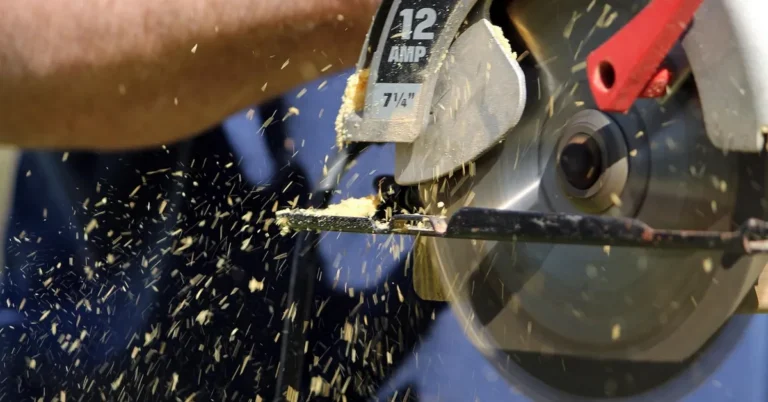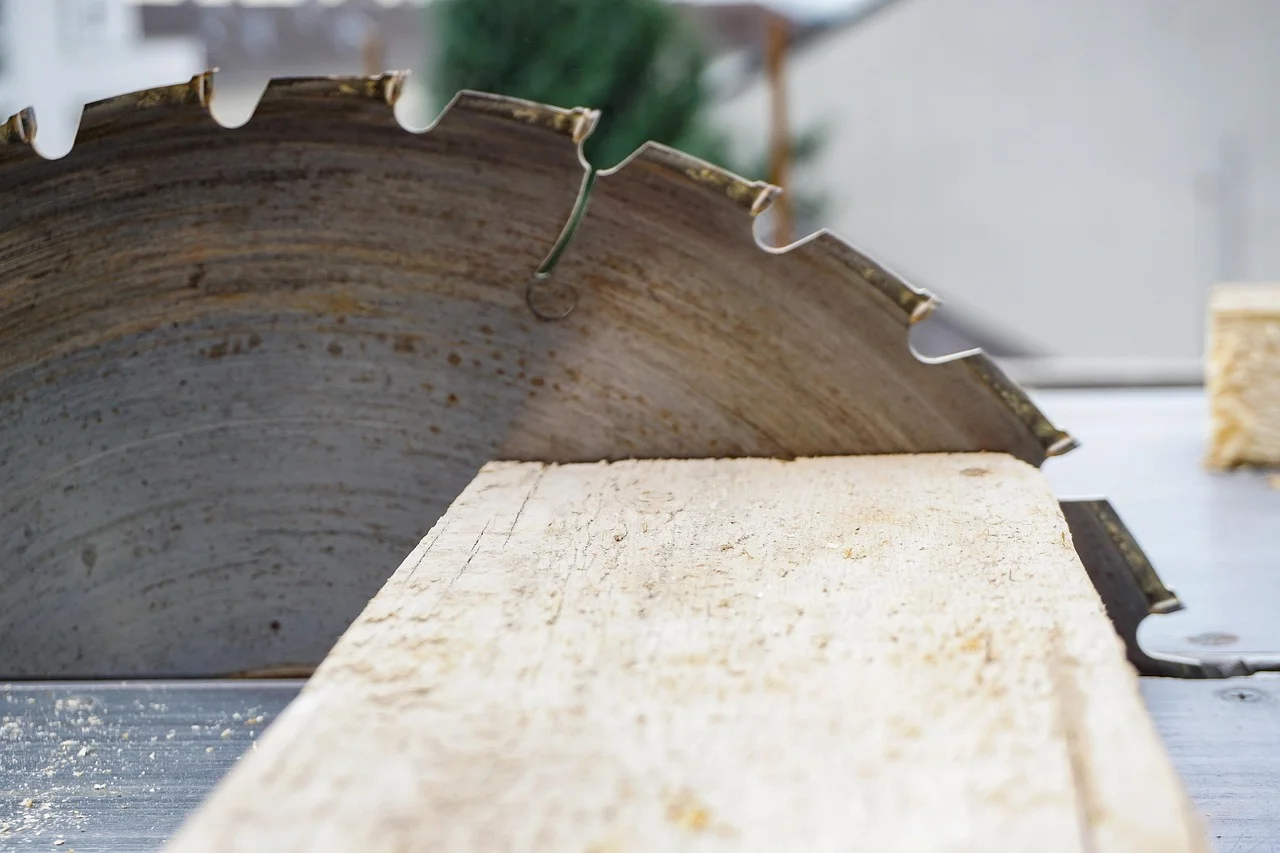
Dewalt 20V Circular Saw 6 1/2 Vs 7 1/4: Key Differences
Choosing the right circular saw can be a game-changer in your DIY or professional projects. If you’re eyeing the Dewalt 20V Circular Saw, you might be wondering which blade size suits your needs best: the 6 1/2 inch or the 7 1/4 inch?
This decision could impact the precision, efficiency, and even the enjoyment of your woodworking tasks. You want to make sure you’re investing in the tool that meets your specific requirements. We’ll break down the differences between these two popular choices, helping you make an informed decision that will boost your confidence and satisfaction in your work.
Stick around to discover which saw is the perfect fit for you and your projects.
Design And Build
Best All-Around Pick
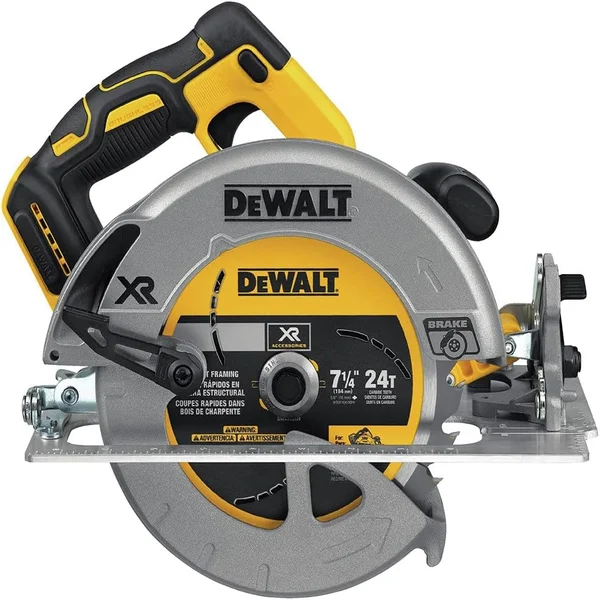 |
DEWALT DCS570B 20V MAX 7-1/4″ Circular Saw – $243.06 The 7-1/4-inch size from this comparison, with a brake and a 57-degree bevel range for deeper cuts and more angle options than the smaller 6-1/2-inch saws.
|
Size is the most immediately obvious difference between these two saws, and it shapes almost everything else about how they handle. The 6-1/2-inch model is noticeably more compact and lighter in the hand, which makes one-handed cuts, overhead work, and a long day of trim or sheet-good cutting less tiring. The 7-1/4-inch saw carries extra bulk and weight, but that mass works in its favor on bigger stock – it settles into a cut with more stability and doesn’t get pushed around as easily by dense hardwood or a stack of engineered lumber.
Build quality is comparable across both: DEWALT uses similar magnesium shoe and gearcase construction and a similar rubber-overmolded grip across its 20V MAX circular saw line, so neither size feels noticeably cheaper than the other in hand. Where they diverge is in what each is built to survive – the 7-1/4-inch saw’s larger baseplate and motor housing are sized for continuous framing and ripping work, while the 6-1/2-inch saw’s lighter frame is optimized for portability on trim, cabinet, and finish carpentry rather than all-day structural cutting.
Blade Specifications
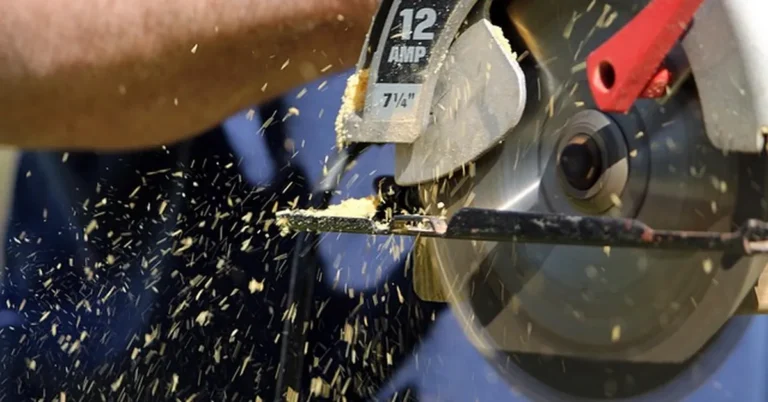
Blade diameter is the whole story behind these two model lines, and it comes down to simple geometry: a bigger blade has more usable radius, so it can cut deeper before the arbor and blade guard run out of clearance. The 7-1/4-inch size is also the more universal blade format – it’s the same diameter used on most corded circular saws, so the blade selection at any hardware store or home center runs deeper: framing blades, thin-kerf ripping blades, fine-tooth crosscut blades, and specialty blades are all easy to find in 7-1/4-inch. The 6-1/2-inch format has a smaller but steadily growing selection now that compact cordless saws in this size are common across major brands.
At a 90-degree cut, that size difference translates directly into cutting depth: a 6-1/2-inch blade tops out at a shallower maximum depth than a 7-1/4-inch blade on the same saw platform, which matters most when you’re cutting full-thickness dimensional lumber, thick engineered beams, or doubled-up material in a single pass. For sheet goods, trim, and anything under about 1-1/2 inches thick, both sizes have plenty of depth to spare.
Power And Performance
Motor output and battery platform matter more than blade size when it comes to raw cutting power, and both saws in this comparison run on DEWALT’s shared 20V MAX battery system – the same packs interchange between them and the rest of the 20V MAX lineup, which is worth factoring in if you’re already invested in that battery platform. Within that shared system, the 7-1/4-inch saw is generally tuned toward higher torque for sustained framing and ripping, while the 6-1/2-inch saw prioritizes lighter weight and quicker handling for finish work.
Runtime comes down to battery amp-hours more than the saw itself – a 5.0Ah pack lasts noticeably longer than a 2.0Ah pack on either saw, so if all-day runtime matters, it’s worth budgeting for a larger battery rather than assuming one saw size sips less power than the other. Both saws support DEWALT’s fast chargers, so downtime between packs is short regardless of which size you choose.
Ease Of Use
Handling differences track directly with weight: the 6-1/2-inch saw’s lighter body is easier to control one-handed and less fatiguing over a long day of repetitive cuts, while the 7-1/4-inch saw’s extra heft gives it more downward stability when you’re leaning into a rip cut through thick material. Both use a rubber-overmolded grip and a similar depth-adjustment lever, so switching between the two doesn’t require relearning the controls.
Bevel adjustment is where the two sizes genuinely diverge, not just in feel but in actual range. The 6 1/2-inch saws top out around a 50-degree bevel, while 7 1/4-inch DEWALT models like the DCS570 go up to 57 degrees with positive stops at 45 and 22.5 degrees. If you regularly cut compound angles – crown molding, angled fascia, anything beyond a standard 45-degree bevel – that extra range on the 7 1/4-inch saw is a real, practical advantage rather than a spec-sheet footnote.
Safety Features
Both sizes share the same core safety mechanism: a spring-loaded lower blade guard that retracts automatically as the shoe contacts the workpiece and snaps back to cover the blade the instant the cut ends or the saw is lifted. That guard, combined with an electric brake that stops blade rotation within roughly a second or two of releasing the trigger – rather than letting the blade coast for several seconds under its own momentum – is the biggest practical safety upgrade over older circular saws without a brake.
Both models also include a lock-off switch that has to be actively disengaged before the trigger will fire, preventing an accidental start if the saw is bumped or set down with a finger near the trigger guard. Neither saw substitutes for basic shop safety practices – safety glasses, hearing protection, and keeping your off-hand well clear of the cut line matter just as much with either size.
Versatility
Match the saw to the material rather than picking by price or size alone. The 6-1/2-inch saw is the better daily driver for trim, cabinetry, plywood, and general remodeling work, where a lighter tool and faster one-handed handling matter more than raw depth. The 7-1/4-inch saw is the better choice for framing, deck joists, and any project involving full-dimension lumber or doubled-up material, where the extra cutting depth and stability actually get used rather than sitting unused.
Plenty of woodworkers who do a mix of both eventually own one of each rather than trying to make a single saw do everything – the difference in weight and depth is real enough that a single all-purpose choice usually means compromising on one type of work or the other.
Price Comparison
Expect to pay a real premium for the 7-1/4-inch model over the 6-1/2-inch circular saw, bare-tool pricing, and that gap widens further if you’re buying a kit with a battery and charger included rather than a bare tool to add to an existing 20V MAX battery collection. The extra cost buys genuinely more capability – deeper cuts, a wider bevel range, and a sturdier build for continuous use – rather than just a bigger price tag for the same saw.
For occasional DIY use, trim work, or projects where the lighter saw’s cutting depth is plenty, the 6-1/2-inch model is the better value; the money saved is real and the saw won’t feel underpowered for that kind of work. For anyone doing regular framing, deck building, or ripping thick stock, the 7-1/4-inch saw’s higher price is easier to justify because the extra depth and stability get used on nearly every cut.
User Reviews
Feedback on saws in this compact circular saw category, DEWALT’s included, tends to follow the same size tradeoff already covered above. Compact 6-1/2-inch saw owners typically point to the low weight and easy one-handed control as the main draw, with the occasional complaint that it runs out of depth on thick engineered lumber or doubled-up framing. Owners of the larger 7-1/4-inch saws tend to value the extra depth and bevel range for framing and deck work, while noting the added weight becomes noticeable during long overhead or one-handed cuts.
Battery runtime complaints on cordless circular saws in general usually trace back to battery amp-hours rather than the saw itself – a compact 2.0Ah pack will drain fast on either saw size compared with a 5.0Ah pack, so it’s worth budgeting for a larger battery if all-day runtime on a single charge matters for your work.
Frequently Asked Questions
What Is The Difference Between 6 1 2 And 7 1 4 Circular Saws?
The main difference is blade size. A 6 1/2-inch saw is smaller and lighter, ideal for portability. A 7 1/4-inch saw provides deeper cuts and is more powerful, suitable for heavier tasks. Choose based on your cutting needs and material thickness.
How Thick Can A 6 1/2 Circular Saw Cut?
A 6 1/2 inch circular saw typically cuts up to 2 1/4 inches deep. This measurement varies slightly based on the specific model and blade type used. Always check the manufacturer’s specifications for precise cutting depths.
Can A 6 1/2 Circular Saw Cut A 2×4?
Yes, a 6 1/2 inch circular saw can cut through a 2×4. Ensure the blade depth is properly adjusted for efficient cutting. Use a sharp blade for clean cuts and maintain safety precautions while operating the saw.
Can I Use A 7 Blade On A 6 1/2 Circular Saw?
Yes, a 7-inch blade can fit on a 6 1/2-inch circular saw if the arbor size matches. Ensure proper clearance and safety before using. Always check manufacturer’s guidelines to avoid damage.
Conclusion
Choosing between Dewalt’s 20V Circular Saw sizes can be tricky. The 6 1/2 inch saw is lightweight and easy to handle. It suits tasks requiring precision and control. The 7 1/4 inch saw offers more power and cutting depth. Ideal for larger, more demanding projects.
Consider the type of work you do. Think about your comfort and specific needs. Both saws have strengths. Make sure to choose the one that fits your projects best. Your decision impacts your efficiency and satisfaction.
Sponsored / affiliate links. As an Amazon Associate I earn from qualifying purchases. I may earn additional commission from eligible campaigns.