Ideal Workbench Height: Achieve Perfect Ergonomics
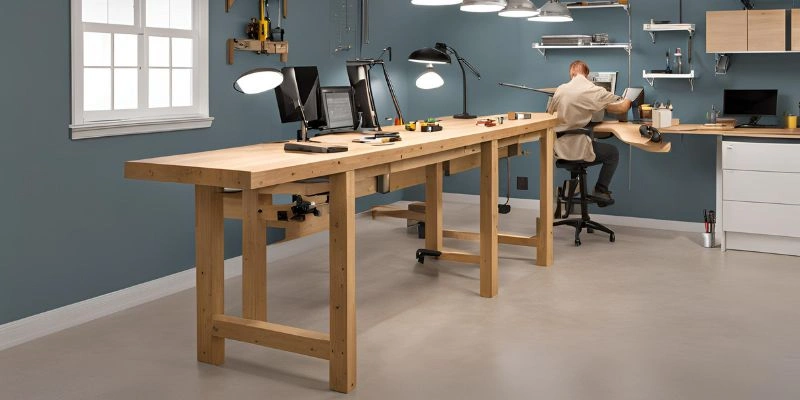
Finding the ideal workbench height is crucial for comfort and efficiency. It impacts your productivity and health.
A well-chosen workbench height can prevent strain and enhance your workspace. Whether you are woodworking, metalworking, or engaged in any hands-on project, the height of your workbench plays a vital role. Too high or too low can lead to discomfort and even injury over time.
A proper height ensures that your posture remains correct, reducing the risk of back pain and other issues. This introduction will guide you through understanding why the right height matters and how to determine the best height for your needs. Stay tuned to make your workbench the perfect fit for you.
Importance Of Workbench Height
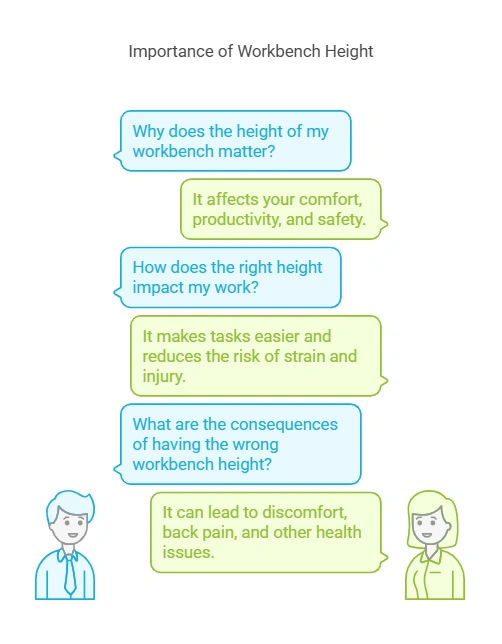
The height of your workbench matters. It affects how well you work and how you feel. The right height can make tasks easier. It can also keep you safe. Let’s explore why workbench height is so important.
Impact On Productivity
A workbench at the right height boosts productivity. You can reach tools easily. You won’t waste time adjusting your position. Tasks get done faster. You feel more comfortable. This leads to better focus. Increased focus leads to better results.
Health And Safety Concerns
Workbench height affects your health. A bench too low or too high can cause pain. Back pain, neck pain, and strain are common. These issues can slow you down. They can also lead to serious injuries. The right height keeps you safe. It helps you maintain good posture. This reduces the risk of injury.
Factors Influencing Workbench Height
Choosing the right workbench height is crucial for comfort and efficiency. Several factors influence this decision. Let’s explore the main considerations to help you find the ideal height.
Type Of Work
The type of work you do affects the ideal height. For detailed tasks, a higher bench is better. This keeps your work at eye level. Heavy-duty tasks need a lower bench. This gives you more leverage and reduces strain.
User’s Height
Your height plays a major role in determining the workbench height. Taller individuals need higher workbenches. Shorter people need lower ones. The goal is to keep your arms in a comfortable position. This prevents fatigue and discomfort over long periods.
Standard Workbench Height Recommendations
Choosing the right workbench height is crucial for comfort and productivity. A well-designed workspace can prevent injuries and improve efficiency. Let’s explore some standard workbench height recommendations.
Industry Standards
Many industries follow specific guidelines for workbench heights. For general tasks, a common height is 34 inches. This works well for most people. For precise work, like electronics, a higher bench around 37 to 39 inches is ideal. This ensures you don’t strain your back.
Ergonomic Guidelines
Ergonomics play a big role in workbench height. The goal is to keep your body in a neutral position. Your elbows should be at a 90-degree angle when you work. This helps reduce strain. For heavy work, like woodworking, a lower bench of 28 to 30 inches is better. It allows you to use more force without bending.
Adjustable Workbenches
When it comes to setting up the perfect workspace, the height of your workbench can make or break your productivity and comfort. That’s where adjustable workbenches come into play. With the ability to change the height of your workbench, you can tailor your workspace to fit your unique needs, ensuring that you work efficiently and comfortably. Let’s dive into the world of adjustable workbenches and explore their benefits and the different types of adjustable mechanisms available.
Benefits Of Adjustability
An adjustable workbench offers several advantages that can enhance your work experience. Here are a few key benefits:
- Ergonomics: Adjusting the height of your workbench allows you to maintain proper posture, reducing the risk of back pain and other ergonomic issues.
- Versatility: With an adjustable workbench, you can easily switch between different tasks, whether you’re standing, sitting, or working on a variety of projects that require different heights.
- Productivity: A comfortable and ergonomic workspace can lead to increased productivity, as you won’t be distracted by discomfort or the need to constantly adjust your position.
Types Of Adjustable Mechanisms
Adjustable workbenches come with different mechanisms to change the height. Understanding these mechanisms can help you choose the one that best suits your needs:
- Manual Adjustment: This type of mechanism requires you to physically adjust the height using a crank or lever. It’s straightforward and doesn’t require electricity, making it a reliable option.
- Electric Adjustment: With the push of a button, you can easily change the height of your workbench. This type of mechanism is convenient and ideal for those who frequently adjust their workbench height.
- Hydraulic Adjustment: Using a hydraulic system, this mechanism allows for smooth and easy height adjustments. It’s a bit more advanced and can be found in high-end workbenches.
Imagine being able to switch from a seated task to a standing one without missing a beat! That’s the power of an adjustable workbench. Whether you’re a DIY enthusiast, a professional carpenter, or just someone who loves a well-organized workspace, an adjustable workbench can make a world of difference.
In conclusion, investing in an adjustable workbench can significantly improve your work comfort and productivity. By understanding the benefits and various types of adjustable mechanisms, you can make an informed decision and find the perfect workbench for your needs. Happy working!
DIY Workbench Height Customization
Have you ever found yourself bending over uncomfortably while working on your projects? Or maybe stretching too far to reach your tools? These are signs that your workbench height might not be ideal. Customizing your workbench height can transform your workspace into a more efficient and comfortable area. In this section, we’ll walk you through a DIY workbench height customization process that ensures your workbench is perfectly suited to your needs.
Tools Needed
- Measuring tape
- Pencil
- Saw
- Screwdriver
- Level
- Adjustable legs (optional)
Step-by-step Guide
- Measure Your Ideal Height: Stand straight and measure the distance from the floor to your elbow. This measurement will be your reference point for the workbench height.
- Mark the Bench: Use a pencil to mark your workbench at the desired height. This helps in making precise cuts or adjustments.
- Adjust the Legs: If you’re using adjustable legs, set them to the marked height. For fixed legs, you might need to cut them to size with a saw.
- Assemble the Bench: Reassemble your workbench with the new height. Use a level to ensure the surface is flat and even.
- Secure the Bench: Tighten all screws and check the stability of your workbench. It should be sturdy and not wobble.
And there you have it! A workbench that perfectly fits your height, making your DIY projects more enjoyable and less straining. Remember, a comfortable workbench height is not just about convenience—it’s about improving your overall productivity and health. So, why not give it a try and see the difference it makes?
Workbench Accessories For Ergonomics
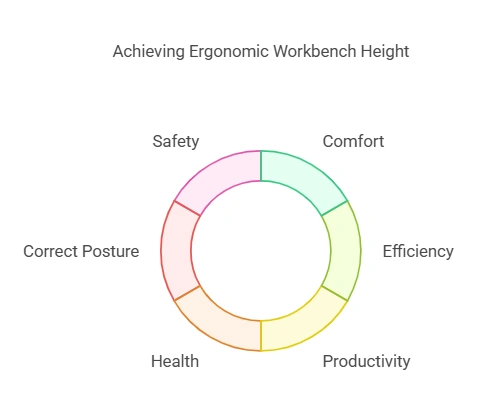
Creating a comfortable and efficient workspace is crucial for productivity and health. The right workbench height is just the beginning. Adding ergonomic accessories can make a world of difference. Let’s explore some essential add-ons that can transform your workbench into an ergonomic haven.
Anti-fatigue Mats
Standing for long periods can be tough on your body. Your feet, legs, and back take a hit. This is where anti-fatigue mats come in. These mats provide cushioning, reducing strain and discomfort.
- Comfort: They make standing more comfortable by providing a soft surface.
- Health Benefits: Anti-fatigue mats can help reduce the risk of circulatory problems and lower back pain.
- Productivity: When you’re comfortable, you can focus better and get more work done.
Personally, I can’t imagine my workshop without one. It’s like standing on a cloud while I work!
Ergonomic Chairs
Not all work is done standing. For tasks that require sitting, an ergonomic chair is a game-changer. A good chair supports your posture and reduces the risk of aches and pains.
- Adjustable Height: Make sure the chair can be adjusted to the right height for your workbench.
- Back Support: Look for chairs with lumbar support to keep your spine in good shape.
- Comfort: Padded seats and backrests can make long sitting sessions much more bearable.
Ever tried sitting on a plain wooden chair for hours? Trust me, it’s no fun. An ergonomic chair can turn your workbench into a throne!
Investing in these accessories can make your workspace more comfortable, efficient, and healthy. Whether you’re standing on a plush anti-fatigue mat or sitting in a supportive chair, your body will thank you.
Case Studies On Workbench Ergonomics
When it comes to creating an efficient and comfortable workspace, understanding the ideal workbench height is crucial. In this section, we will explore real-life examples and lessons learned from various case studies on workbench ergonomics. These insights can help you optimize your own workspace for better productivity and comfort.
Real-world Examples
Let’s dive into some real-world examples to see how different industries and individuals have tackled the issue of workbench height:
- Manufacturing Plants: At a leading car manufacturing plant, employees were experiencing back pain and fatigue. By adjusting the workbench heights to match the average height of their workers, the company saw a 30% reduction in these complaints. This simple change also led to a noticeable increase in productivity.
- Home Workshops: John, a DIY enthusiast, shared his experience on a popular forum. He found that raising his workbench to elbow height made it easier to work on projects without bending over. This adjustment made his weekend woodworking sessions much more enjoyable.
- School Laboratories: In a high school science lab, students were struggling with experiments due to improper bench heights. After a thorough review, the school installed adjustable workbenches. This small but significant change improved students’ focus and participation during lab sessions.
Lessons Learned
From these examples, several key lessons emerge:
- Customization is Key: There’s no one-size-fits-all solution. Adjusting workbench height to suit individual needs can significantly enhance comfort and efficiency.
- Health Benefits: Proper workbench height can reduce physical strain, leading to fewer health issues like back pain and repetitive strain injuries.
- Productivity Gains: When workers are comfortable, they’re more focused and productive. Simple ergonomic adjustments can lead to substantial improvements in output.
- Adjustability Matters: Investing in adjustable workbenches can future-proof your workspace, catering to different tasks and users.
These case studies illustrate the importance of ergonomics in setting up a workbench. Whether you’re a professional in a factory or a hobbyist in a home workshop, paying attention to the height of your workbench can make a world of difference. Remember, comfort and productivity go hand in hand!
Tips For Maintaining Ergonomic Workbench Setup
Maintaining an ergonomic workbench setup isn’t just about setting it up right once and forgetting it. It’s about regular tweaks, listening to your body, and making sure everything remains comfortable and efficient. Here are some practical tips to help you keep your workbench in top shape.
Regular Adjustments
Just like you wouldn’t wear the same pair of shoes forever without adjusting the laces, your workbench needs regular adjustments too. Over time, your tasks, tools, and even your posture can change. Here are a few pointers:
- Height Check: Ensure the workbench height is appropriate for the tasks. For precision work, the bench should be higher; for heavy-duty tasks, a lower height is preferable.
- Tool Placement: Regularly reassess where you keep your tools. Frequently used items should be within easy reach to avoid unnecessary stretching.
- Surface Maintenance: Keep the workbench surface clean and free of clutter. A tidy workspace can prevent accidents and improve efficiency.
Think of these adjustments as small tune-ups that keep your workspace humming like a well-oiled machine.
User Feedback
Your body is a fantastic source of feedback. Pay attention to any discomfort or strain you experience while working. Here are some ways to use this feedback effectively:
- Listen to Discomfort: If you feel pain or strain, it’s a sign that something needs to change. Don’t ignore it; adjust your workbench setup accordingly.
- Trial and Error: Don’t be afraid to experiment. Adjust the height, change the position of tools, or even switch up your chair. Find what works best for you.
- Take Breaks: Regular breaks are crucial. Stand up, stretch, and move around to keep your body flexible and reduce fatigue.
Remember, your workbench should adapt to you, not the other way around. By continuously adjusting and responding to feedback, you can create a more ergonomic and comfortable workspace.
| Adjustment | Purpose | Frequency |
|---|---|---|
| Height Check | Ensures optimal working height | Monthly |
| Tool Placement | Reduces unnecessary stretching | Weekly |
| Surface Maintenance | Keeps workspace clean and safe | Daily |
In conclusion, maintaining an ergonomic workbench setup is an ongoing process. Regular adjustments and listening to user feedback are key to ensuring a comfortable and productive workspace. So, roll up your sleeves, make those tweaks, and enjoy a pain-free working experience!
Frequently Asked Questions
How Tall Should My Workbench Be?
A workbench should generally be 34 to 36 inches tall. This height suits most tasks and provides comfort. Adjust based on personal height and work type.
What Is The Rule Of Thumb For Workbench Height?
The rule of thumb for workbench height is to set it at the user’s wrist height when standing. This ensures comfort and ergonomics.
What Is The Ergonomic Height Of A Bench?
The ergonomic height of a bench is typically between 18 to 22 inches. This range ensures comfort and proper posture.
What Is The Best Work Surface Height?
The best work surface height is typically 28 to 30 inches for seated tasks and 36 to 42 inches for standing tasks.
Conclusion
Finding the perfect workbench height enhances your comfort and productivity. It reduces strain, allowing longer work sessions. Remember to measure and adjust based on your tasks. A good setup supports good posture and efficiency. Customizing your workbench height is key.
Take the time to find what works best for you. Your body will thank you. Happy working!