How Long for Wood to Decompose Underground? 2 to 5,000+ Years
How long it takes wood to decompose underground ranges from about 2 years to more than 5,000, depending on moisture, oxygen, and wood species. Untreated pine posts failed in 2 years in a hot, wet USDA test, while waterlogged timbers in an English bog have lasted about 5,800 years. This guide covers the real test numbers, which woods last, and how to make buried wood last longer.
How Long Does It Take for Wood to Decompose Underground?
Best Buried Wood Protection Pick
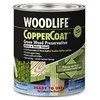 |
Wolman WoodLife CopperCoat Green Wood Preservative, 1 Quart A copper naphthenate wood preservative labeled for above-ground and below-ground use. It is the same type of preservative the USDA Wood Handbook names for brushing onto freshly cut surfaces, which is where buried wood is most exposed.
|
As an Amazon Associate we earn from qualifying purchases.
No honest single number exists, because decay depends on climate, wood species, and whether the wood is sapwood or heartwood. The most useful real data comes from long-running US Forest Service fence-post tests, where researchers set posts in the ground and recorded when each one failed. Here is what those tests, and one famous archaeological site, actually show.
| Situation | Real result | Source |
|---|---|---|
| Untreated southern pine posts, southern Mississippi (hot, wet) | Lasted 2 years | USDA Forest Service post test |
| Untreated Douglas-fir posts, semiarid Colorado | Average 9 years for posts that failed; 44% had failed by year 30 | USDA Forest Service, RMRS-RP-17 |
| Untreated lodgepole pine posts, same Colorado plot | Average 17 years for posts that failed; 60% had failed by year 30 | USDA Forest Service, RMRS-RP-17 |
| Untreated Engelmann spruce posts, same Colorado plot | Average 16 years for posts that failed; 84% had failed by year 30 | USDA Forest Service, RMRS-RP-17 |
| Preservative-treated posts, same Colorado plot | No failures in 30 years | USDA Forest Service, RMRS-RP-17 |
| Preservative-treated posts, southern Mississippi | Best treatments projected to exceed 60 years | USDA Forest Service post test |
| Permanently waterlogged oak, ash, and lime timbers, Sweet Track, England | Preserved for about 5,800 years | Tree-ring dated to 3807/3806 BCE |
Two cautions when reading the table. The Colorado averages count only the posts that had already failed, so the Douglas-fir figure of 9 years does not mean every post was gone by then. And climate clearly matters: untreated posts lasted 2 years in wet Mississippi versus 9 to 17 years in dry Colorado, although the species differed, so treat it as a strong hint rather than a controlled comparison. Details are in the Forest Service Colorado fence-post study and the Mississippi preservative comparison.
Why Wood Rots Fastest at the Soil Line, Not Deep Underground
A common assumption is that the deeper wood is buried, the faster it rots. The data say the opposite. In the 30-year Colorado test, all of the untreated post failures resulted from decay at or near the ground line, not at the buried tip.
The reason is that wood-rotting fungi need four things at once. According to the USDA Wood Handbook, decay requires suitably mild temperatures, moisture, and air (oxygen), plus wood as food. Serious decay occurs only when wood moisture is above the fiber saturation point, which averages about 30 percent. At the soil line, rain wets the wood and the air is right there, so all four conditions overlap.
- Too dry: below about 20 percent moisture, wood will not decay, and decay already present does not progress.
- Too wet: water-soaked wood may not get enough air for typical decay fungi. Foundation piles buried beneath the water table are not subject to decay by typical wood-decay fungi.
- Too cold or too hot: decay is relatively slow below 10 C (50 F) and above 35 C (95 F), and essentially stops near 2 C (35 F) or 38 C (100 F).
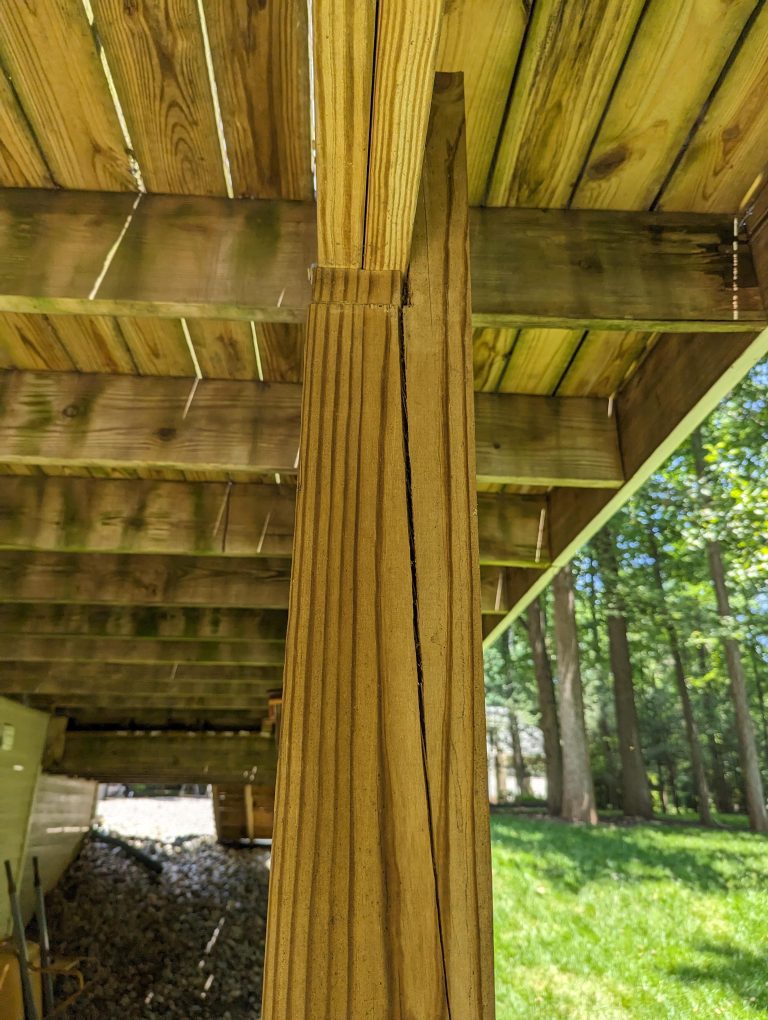
That is why a failed fence post typically snaps right at the grass line while the buried tip and the top of the post are still firm. If you are digging out an old post, expect the worst rot in the few inches on either side of where the soil surface was.
Which Wood Species Last Longest Underground?
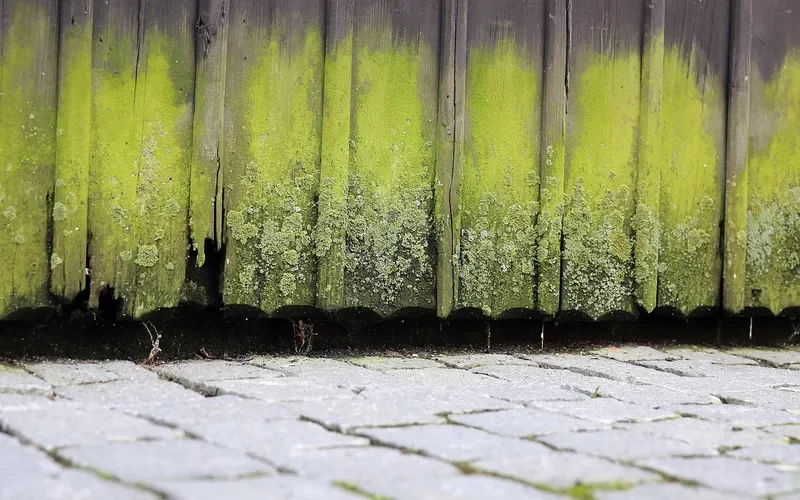
Heartwood, the darker inner wood, resists decay far better than sapwood. The Wood Handbook states that the untreated sapwood of essentially all species has low decay resistance and usually has a short service life under decay-favoring conditions. Its ranking of heartwood is the best published starting point for choosing wood that touches soil.
| Decay resistance of heartwood | Examples from the USDA Wood Handbook |
|---|---|
| Very resistant | Black locust, red mulberry, Osage-orange, Pacific yew |
| Resistant | Old-growth baldcypress, catalpa, cedars (eastern redcedar, western redcedar, northern white), white oak, old-growth redwood, black walnut, junipers, chestnut |
| Moderately resistant | Young-growth baldcypress, Douglas-fir, honey locust, western larch, tamarack, black cherry, young-growth redwood |
| Slightly or nonresistant | Ashes, aspens, beech, birches, elms, hickories, maples, most pines, spruces, true firs, hemlocks, sweetgum, sycamore, yellow-poplar, cottonwood |
The handbook adds a warning that matters for anyone burying wood: decay resistance may be less for members placed in contact with the ground and in warm, humid climates. It says heartwood in the very resistant category generally gives satisfactory performance in ground contact, while species in the other categories usually need some form of preservative treatment. Red oak is not in the resistant group; only the white oak group is, so an oak post is not automatically a rot-proof post.
Real-world results can beat the rankings. In a Forest Service test in central Oregon that tracked 517 lodgepole pine posts for 16 years and 355 cedar posts for 19 years, researchers found little or no difference after more than 15 years between treated lodgepole pine posts and untreated western redcedar posts. For more on cedar specifically, see our guide on whether cedar wood rots and why rot-resistant is not rot-proof.
How Wood Actually Breaks Down in the Soil
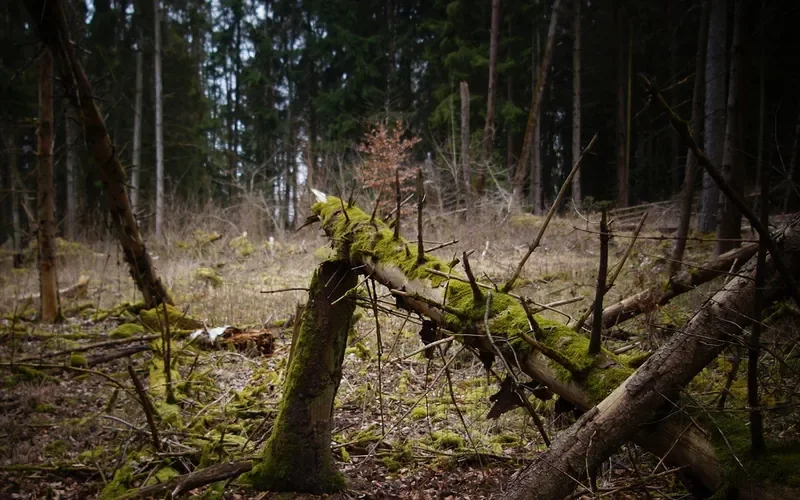
Fungi do most of the work, and they do it in different ways. The Wood Handbook describes three types of decay.
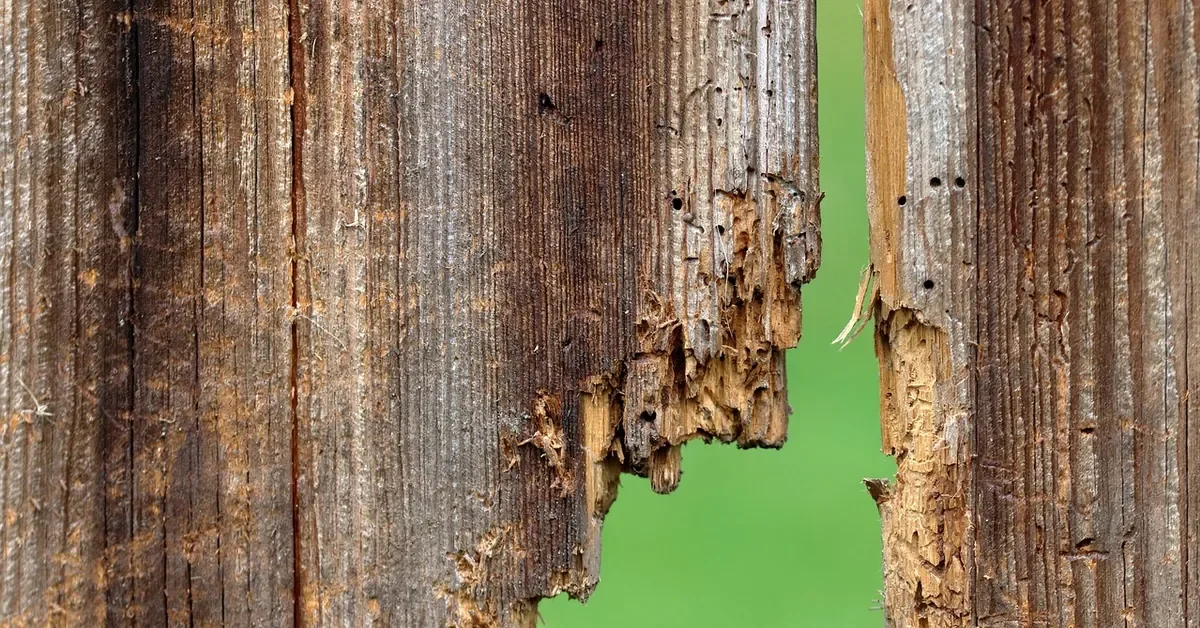
- Brown rot removes mostly cellulose. The wood turns browner, cracks across the grain, shrinks, and can be crushed to powder. It commonly attacks softwoods.
- White rot removes both lignin and cellulose. The wood looks bleached, does not crack across the grain, and often feels spongy. It commonly attacks hardwoods.
- Soft rot is usually shallow, affecting the outer surface, and is favored by wet conditions and by wood that is alternately wet and dry. It is most damaging to thin pieces.
Insects add to the damage, and bacteria contribute slowly. The handbook notes that bacteria in wood are ordinarily of little consequence, though some may cause strength losses over long periods in forest soils. Termites are the major insect enemy of wood, although fungi are the more serious threat on a national scale.
The most useful safety fact here is how early wood fails. Laboratory tests in the handbook found losses in toughness of 6 percent to more than 50 percent by the time only 1 percent of the wood weight had been lost to fungi. By 10 percent weight loss, most strength losses may be expected to exceed 50 percent, and decay at that stage can only be detected under a microscope. In practice, a buried post or timber that looks fine can already be badly weakened, so probe suspect wood with a screwdriver before trusting it to hold weight.
How to Make Buried Wood Last Longer
Since decay needs moisture and air together, the goal is to break that combination or make the wood unappetizing to fungi.
- Buy the right lumber. Use wood pressure-treated and labeled for ground contact, not above-ground lumber. Our explainer on burying pressure-treated wood in dirt covers the ratings, and green vs brown pressure-treated wood explains what the color means.
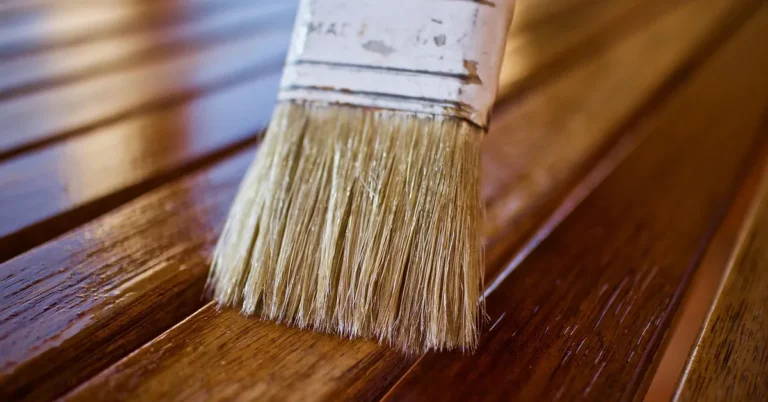
- Treat every cut. Saw cuts and drilled holes expose untreated wood inside treated lumber. The Wood Handbook recommends thoroughly brushing freshly cut surfaces with copper naphthenate.
- Keep the top of the post dry. Cut the top at an angle or cap it so water sheds instead of soaking into the end grain and traveling down.
- Drain the base. Setting posts on a gravel base, a commonly recommended practice, helps keep the buried tip from sitting in standing water.
- Consider charring. Surface charring is an old method some builders use, and we cover the reported lifespans in how long charred wood lasts in the ground.
If you are setting fence posts, correct spacing matters as much as rot protection, so use our fence post spacing calculator before you dig.
How to Speed Up Decomposition of Buried Wood
If the goal is the opposite, for example clearing an old stump or buried lumber, you can apply the same rules in reverse: keep the wood moist, keep air reaching it, and give fungi easy access. Splitting or chipping the wood into smaller pieces exposes more surface, keeping the ground damp helps, and warm weather keeps fungi active. Wood-eating fungi and bacteria also use nitrogen from the surrounding soil, so a nitrogen source near the wood is commonly used to help them along. Expect it to take years for large pieces regardless of what you do, because large heartwood pieces resist decay for a long time.
Frequently Asked Questions
How long does it take for buried wood to decompose?
There is no single number. In USDA post tests, untreated southern pine fence posts lasted about 2 years in hot, wet southern Mississippi, while untreated Douglas-fir, Engelmann spruce, and lodgepole pine posts in semiarid Colorado averaged 9 to 17 years among the posts that failed. Wood kept permanently waterlogged can last thousands of years.
Does wood rot faster above ground or below ground?
Wood rots fastest where it gets moisture and air together, which is at and just below the soil surface. In the 30-year Colorado test, every untreated post failure happened at or near the ground line. Wood buried well below the water table gets too little oxygen for typical decay fungi.
Will pressure-treated wood decompose underground?
Pressure-treated wood decays far more slowly, but it is not immortal. In the Colorado test, no treated post failed in 30 years, and in southern Mississippi the best preservative-treated posts are projected to last more than 60 years. Use lumber rated for ground contact, and seal any cut ends.
Can wood survive underground for thousands of years?
Yes, if it stays waterlogged and starved of oxygen. The Sweet Track, a Neolithic timber walkway in England’s Somerset Levels, was built from trees felled in the winter of 3807 to 3806 BCE and survived because the wet peat kept air out.
Does buried wood attract termites?
It can. The USDA Wood Handbook calls termites the major insect enemy of wood, though fungi are a more serious threat nationally. Untreated wood in soil contact, especially in warm southern states, is the easiest target for subterranean termites.
Sponsored / affiliate links. As an Amazon Associate I earn from qualifying purchases. I may earn additional commission from eligible campaigns.