Is Hardwood Flooring Expensive? Unveiling the Truth
Hardwood flooring can be expensive initially, but it offers long-term value and benefits for your home. Its high-quality materials and durability contribute to the higher cost.
When compared to other flooring options, hardwood flooring has a slightly larger upfront investment. However, it adds significant value to your home over time, making it a worthwhile investment. Moreover, the longevity and aesthetic appeal of hardwood floors make them a popular choice among homeowners.
Despite the initial cost, the long-term benefits of hardwood flooring make it a valuable and worthwhile investment for your home.
The Cost Factor Of Hardwood Flooring
When considering hardwood flooring, the cost factor is a crucial aspect to evaluate. The initial investment and long-term value, as well as the material quality and cost, play significant roles in determining the overall expense of hardwood flooring.
Initial Investment Vs. Long-term Value
Hardwood flooring may have a higher initial cost compared to other flooring options, but it offers significant long-term benefits. Its durability and timeless appeal contribute to the long-term value it adds to a home. This can potentially lead to a higher resale value, making it a worthwhile investment in the long run.
Material Quality And Cost
The cost of hardwood flooring is influenced by the quality of the materials used. High-quality hardwood comes with a higher price tag due to its durability, aesthetic appeal, and longevity. While the initial cost may be higher, the superior quality of the material ensures that the flooring will last for many years, providing excellent value for the investment.
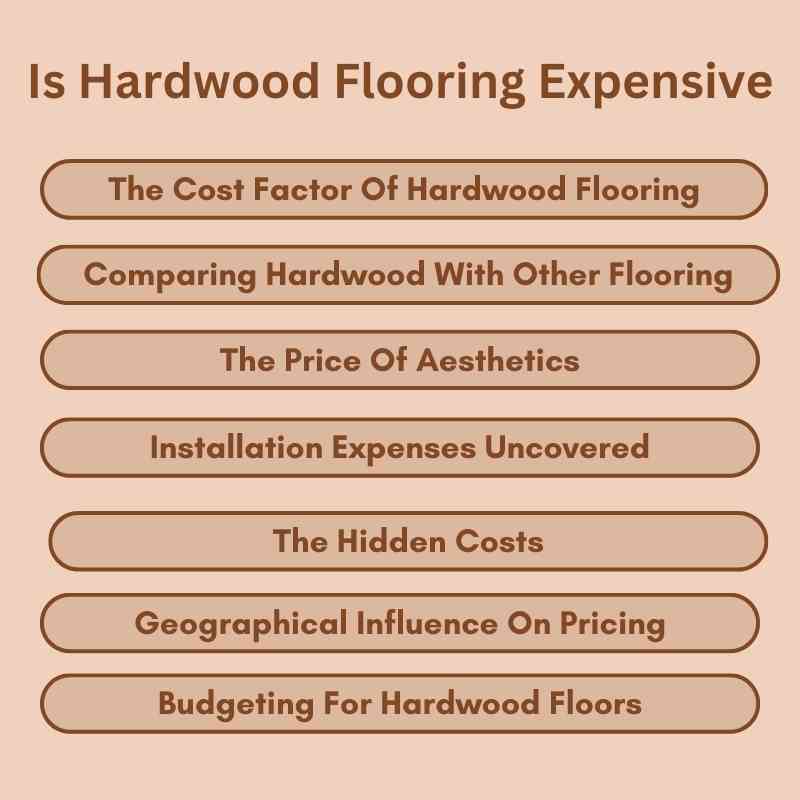
Comparing Hardwood With Other Flooring
Hardwood flooring may have a higher upfront cost compared to other options, but its long-term value boost for your home outweighs the initial investment. The durability and timeless appeal of hardwood floors make them a worthwhile and valuable choice in the long run.
When it comes to flooring options, hardwood is often seen as the gold standard. But is it really worth the investment? Let’s take a closer look at how hardwood flooring stacks up against other popular options.
Hardwod vs. Laminate: A Cost Analysis
Laminate flooring has gained popularity in recent years due to its affordability and durability. However, when it comes to cost, hardwood flooring is still on the higher end. On average, hardwood flooring can cost anywhere from $8 to $14 per square foot, while laminate flooring typically ranges from $2 to $8 per square foot.
But while laminate flooring may be cheaper upfront, it may not have the same long-term value as hardwood flooring. Hardwood flooring is known to last for decades, while laminate flooring may need to be replaced after 10-20 years.
Maintenance Costs: Hardwood vs. Carpet
When it comes to maintenance costs, hardwood flooring may actually be more cost-effective than carpet. Carpet requires regular deep cleaning and replacement every few years, while hardwood flooring can be easily cleaned with a broom and mop.
Additionally, hardwood flooring is less prone to stains and odors, making it a better option for those with pets or allergies.
Why is Hardwood Flooring So Expensive?
While hardwood flooring may have a higher upfront cost, it is important to consider the long-term benefits. Hardwood flooring is known to add value to a home, making it a worthwhile investment for homeowners.
Additionally, the cost of hardwood flooring is often attributed to the high-quality materials used and the longevity of the boards themselves. Installation costs may also add to the overall expense.
In conclusion, while hardwood flooring may be more expensive than other flooring options, it offers long-term value and durability. When considering flooring options, it is important to weigh the upfront cost against the long-term benefits.
The Price Of Aesthetics
Hardwood flooring may have a slightly larger initial investment upfront compared to other options. However, it offers an important benefit – its long-term effect on a home’s value. The cost of high-quality materials and the longevity of the boards themselves make hardwood floors more expensive, but they are worth the investment.
The Visual Impact On Home Value
When it comes to the aesthetics of your home, hardwood flooring has a significant impact on its overall value. The visual appeal and timeless beauty of hardwood floors can elevate the look and feel of any space, making it more desirable to potential buyers. Whether you’re planning to sell your home in the future or simply want to enhance its value, investing in hardwood flooring can be a wise decision.
Hardwood floors have a natural elegance that can instantly transform a room. The rich colors and unique grain patterns of different wood species create a sense of warmth and sophistication. This visual impact not only enhances the overall aesthetics of your home but also adds a touch of luxury and charm.
Furthermore, hardwood flooring has the ability to complement various interior design styles, from traditional to contemporary. Its versatility allows it to blend seamlessly with different color schemes, furniture choices, and decor elements. This adaptability ensures that hardwood floors continue to be in demand, increasing the perceived value of your home.
The Expense Of Elegance
While the initial cost of hardwood flooring may be higher compared to other flooring options, it’s essential to consider the long-term benefits and durability it offers. Hardwood floors are known for their longevity, which means they can last for decades with proper care and maintenance.
Unlike carpet or laminate flooring, which may need replacement after a few years, hardwood floors can withstand heavy foot traffic and retain their beauty over time. This durability translates into cost savings in the long run, as you won’t have to worry about frequent repairs or replacements.
Additionally, hardwood flooring is an investment that can increase the value of your home. When potential buyers see hardwood floors, they perceive it as a high-quality feature that adds elegance and sophistication. This perception often leads to higher selling prices and quicker property sales.
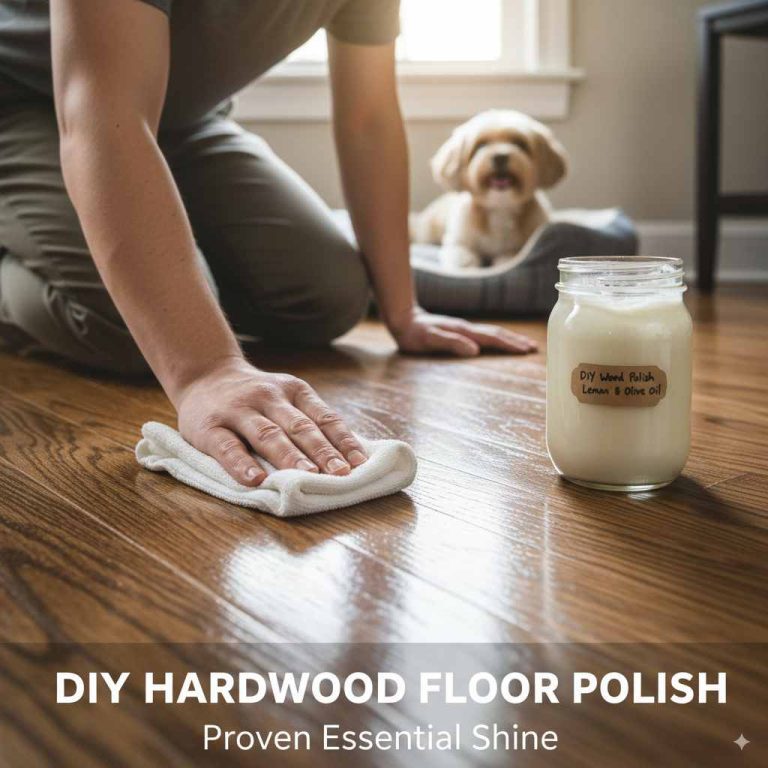
Moreover, hardwood floors are relatively easy to clean and maintain. Regular sweeping and occasional refinishing can keep them looking fresh and beautiful for years to come. With proper care, hardwood floors can be a timeless and cost-effective choice that adds value and elegance to your home.
Installation Expenses Uncovered
Discover the truth about installation expenses when it comes to hardwood flooring. While the initial investment may be higher compared to other flooring options, hardwood floors can significantly increase a home’s value in the long run. Don’t miss out on the durability and timeless appeal of hardwood flooring.
Labor Costs For Hardwood Installation
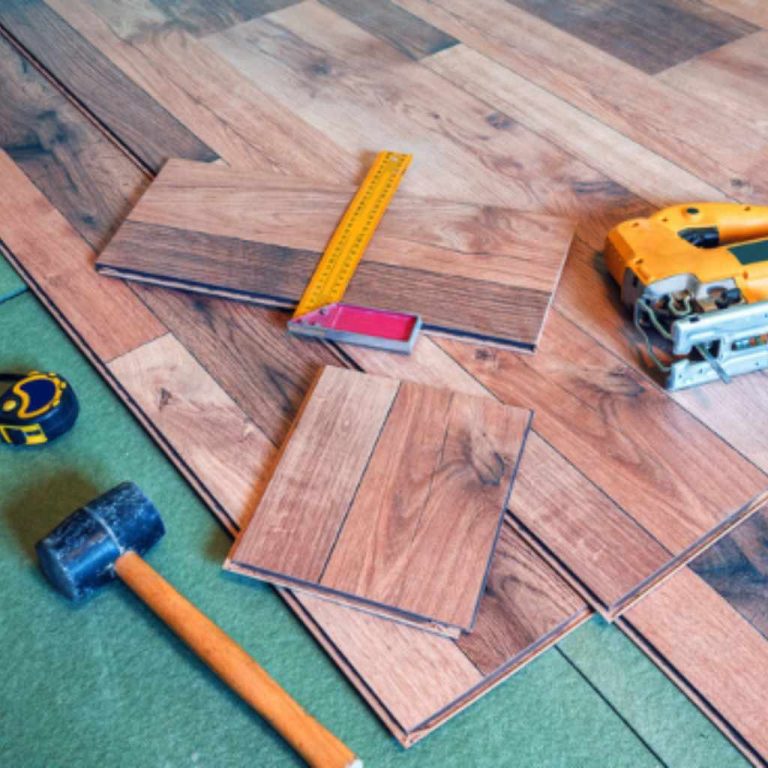
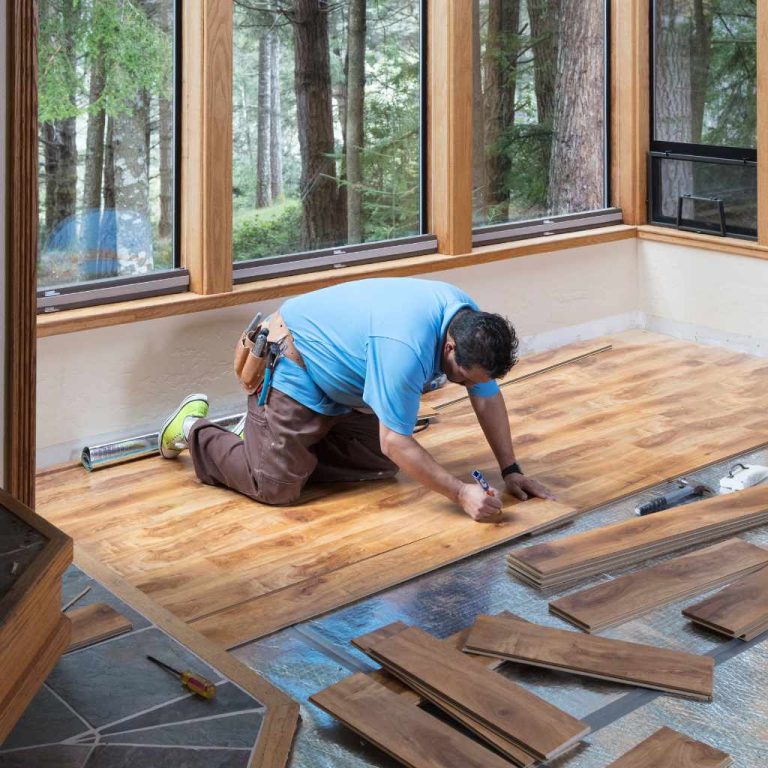
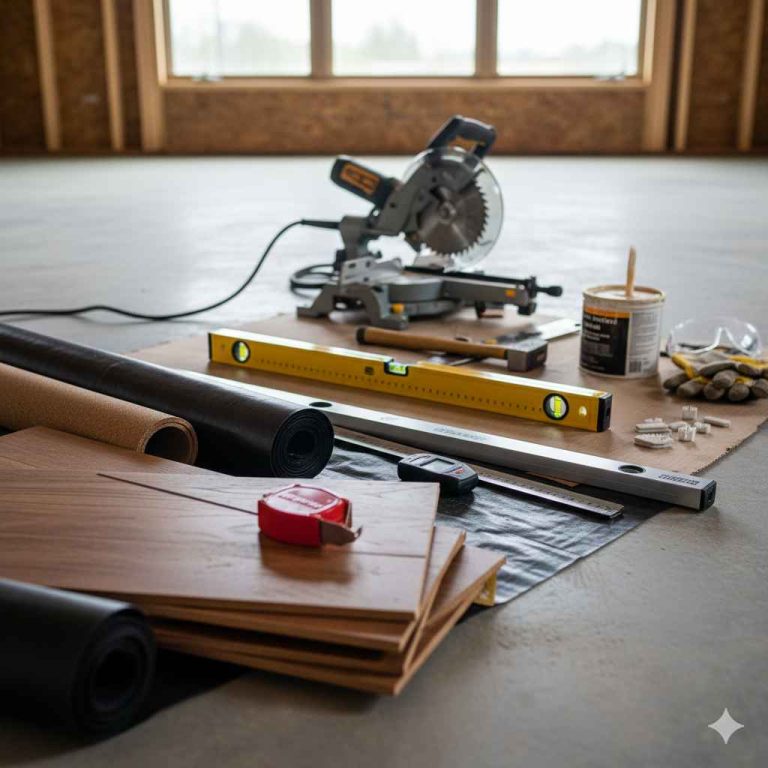
When it comes to the installation of hardwood flooring, labor costs play a significant role in determining the overall expenses. Hiring professionals to install your hardwood floors can be quite expensive, but it ensures that the job is done correctly and efficiently. On the other hand, opting for a DIY installation can save you money, but it requires time, effort, and a certain level of expertise. Let’s take a closer look at the labor costs associated with hardwood installation.
DIY Vs. Professional Installation
If you have the necessary skills and experience, you might consider installing hardwood floors yourself to save some money. However, it’s important to note that hardwood installation can be a complex process that requires precision and attention to detail. Hiring professionals not only ensures a high-quality installation but also provides peace of mind knowing that the job is being done by experts.
Here’s a breakdown of the pros and cons of DIY vs. professional installation:
| DIY Installation | Professional Installation | |
|---|---|---|
| Cost | Can save money on labor costs | Higher upfront cost due to labor expenses |
| Expertise | Requires knowledge and experience | Professionals have specialized skills |
| Quality | Quality depends on individual skills | Guarantees high-quality installation |
| Efficiency | May take longer to complete the installation | Professionals work efficiently and quickly |
| Warranty | No warranty for DIY installations | Professionals provide warranties for their work |
Ultimately, the decision between DIY and professional installation depends on your budget, time, and skill level. While DIY installation may seem like a cost-effective option, it’s important to consider the potential risks and challenges involved. Investing in professional installation ensures a hassle-free experience and a beautiful, long-lasting hardwood floor.
In conclusion, labor costs for hardwood installation can be a significant factor in the overall expense of hardwood flooring. Whether you choose to go the DIY route or hire professionals, it’s essential to weigh the costs and benefits to make an informed decision.
The Hidden Costs
Hardwood flooring may have a higher upfront cost compared to other flooring options, but it offers long-term value for your home. Its durability and timeless appeal can increase the overall value of your property. While hardwood floors can be more expensive due to high-quality materials and installation labor, they are worth the investment in the long run.
Avoid the hidden costs of cheaper alternatives and enjoy the beauty and longevity of hardwood flooring.
Repair And Refinishing Over Time
When considering the cost of hardwood flooring, it’s important to factor in the cost of repairs and refinishing over time. Although hardwood is durable, it is still susceptible to scratches, dents, and other types of damage. These damages can accumulate over time, causing the floor to lose its shine and luster. To restore the floor’s appearance, you may need to hire a professional to repair or refinish it. The cost of these services can add up over the years and should be factored into the overall cost of the flooring.
Longevity And Replacement Costs
One of the major benefits of hardwood flooring is its longevity. With proper care and maintenance, hardwood floors can last for decades. However, eventually, all floors will need to be replaced. When it comes time to replace a hardwood floor, the cost can be significant. The price of the replacement will depend on the type of wood, the size of the area, and the cost of labor. It’s important to consider this cost when deciding whether hardwood flooring is worth the investment.
Overall, while hardwood flooring may have a higher initial cost than other flooring options, its long-term benefits and value make it a worthwhile investment. However, it’s important to factor in the hidden costs of repairs, refinishing, and replacement over time to get an accurate idea of the overall cost.
Geographical Influence On Pricing
When considering the cost of hardwood flooring, geographical location plays a significant role in determining the overall pricing. Factors such as regional variations in labor costs, material availability, and market demand can all impact the expenses associated with hardwood flooring installation.
Hardwood Flooring Costs In Austin, Texas
In Austin, Texas, hardwood flooring costs can vary based on factors such as the type of wood chosen, installation complexity, and local market trends. On average, homeowners in Austin can expect to pay around $8 to $12 per square foot for hardwood flooring installation.
Regional Variations In Labor And Material Costs
Labour and material costs for hardwood flooring can differ significantly from one region to another. For instance, areas with higher demand for skilled labor may have higher installation costs, while regions with abundant access to hardwood materials may offer lower material expenses.
Budgeting For Hardwood Floors
Calculating Total Price
Hardwood floors may have a higher initial cost due to quality materials.
Finding The Balance: Cost And Practicality
Hardwood flooring offers long-term value for your home.
Cost-saving Tips And Alternatives
Hardwood flooring is a popular choice for homeowners due to its timeless appeal and durability. However, it can come with a hefty price tag. Fortunately, there are cost-saving tips and affordable alternatives that can help you achieve the look you want without breaking the bank.
How To Save On Hardwood Flooring
- Shop around to compare prices from different suppliers.
- Consider prefinished hardwood to save on installation costs.
- Opt for engineered hardwood for a more budget-friendly option.
- Look for sales or discounts to get a better deal on your flooring.
- DIY installation can help you save on labor costs.
Affordable Alternatives To Real Hardwood
| Alternative | Benefits |
|---|---|
| Laminate Flooring | Cost-effective and easy to install. |
| Vinyl Plank Flooring | Durable, water-resistant, and budget-friendly. |
| Bamboo Flooring | Eco-friendly option that resembles hardwood. |
| Cork Flooring | Naturally insulating and softer underfoot. |
By exploring these cost-saving tips and alternatives, you can achieve the look of hardwood flooring within your budget.
Frequently Asked Questions
Are Hardwood Floors Worth The Money?
Although hardwood flooring may have a higher initial cost compared to other flooring options, it provides a significant benefit by increasing the value of a home in the long run. Scratches can be an issue, but they can be repaired.
Hardwood floors are more expensive than laminate due to the cost of high-quality materials and installation. Overall, hardwood flooring is worth the investment for its durability, timeless look, and added home value.
What Is The Downside Of Wood Flooring?
Wood flooring can be prone to scratches, especially with semi-gloss or high-gloss finishes. Scratches may be visible and require maintenance to remove.
Which Is More Expensive Hardwood Or Laminate?
Hardwood flooring is generally more expensive than laminate flooring. Despite the higher upfront cost, hardwood flooring adds long-term value to a home. The durability and quality materials used in hardwood floors contribute to their higher price compared to laminate. Additionally, the installation cost of hardwood flooring may require hiring a professional laborer.
Why Is Hardwood Flooring So Expensive?
Hardwood flooring is expensive due to the high-quality materials used and the longevity of the boards. Additionally, labor costs for installation contribute to the overall expense.
Conclusion
Hardwood flooring may have a higher initial cost, but its long-term impact on a home’s value makes it worth the investment. Its durability and timeless appeal outweigh the expense, adding value to the property. Considering the long-term benefits, hardwood flooring proves to be a valuable and worthwhile investment.