What Is a Floating Hardwood Floor? How It Works and Where to Use It
A floating hardwood floor is engineered wood (or laminate/LVP) whose planks interlock with each other and rest on an underlayment pad instead of being nailed, stapled, or glued to the subfloor — the floor’s own weight and connection system hold it in place. Skip a proper expansion gap and it can buckle with humidity swings. This guide covers how it stays down, floating vs. nail-down vs. glue-down, real thickness specs, and where it should and shouldn’t be used.
What Is a Floating Hardwood Floor?
Best Underlayment Pick
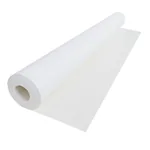 |
Roberts 70-198 Silicone Moisture Barrier Underlayment, 200 sq ft – $27.49 The moisture-barrier layer every floating floor rests on — this is the pad that keeps subfloor moisture from reaching your new engineered planks.
|
As an Amazon Associate we earn from qualifying purchases.
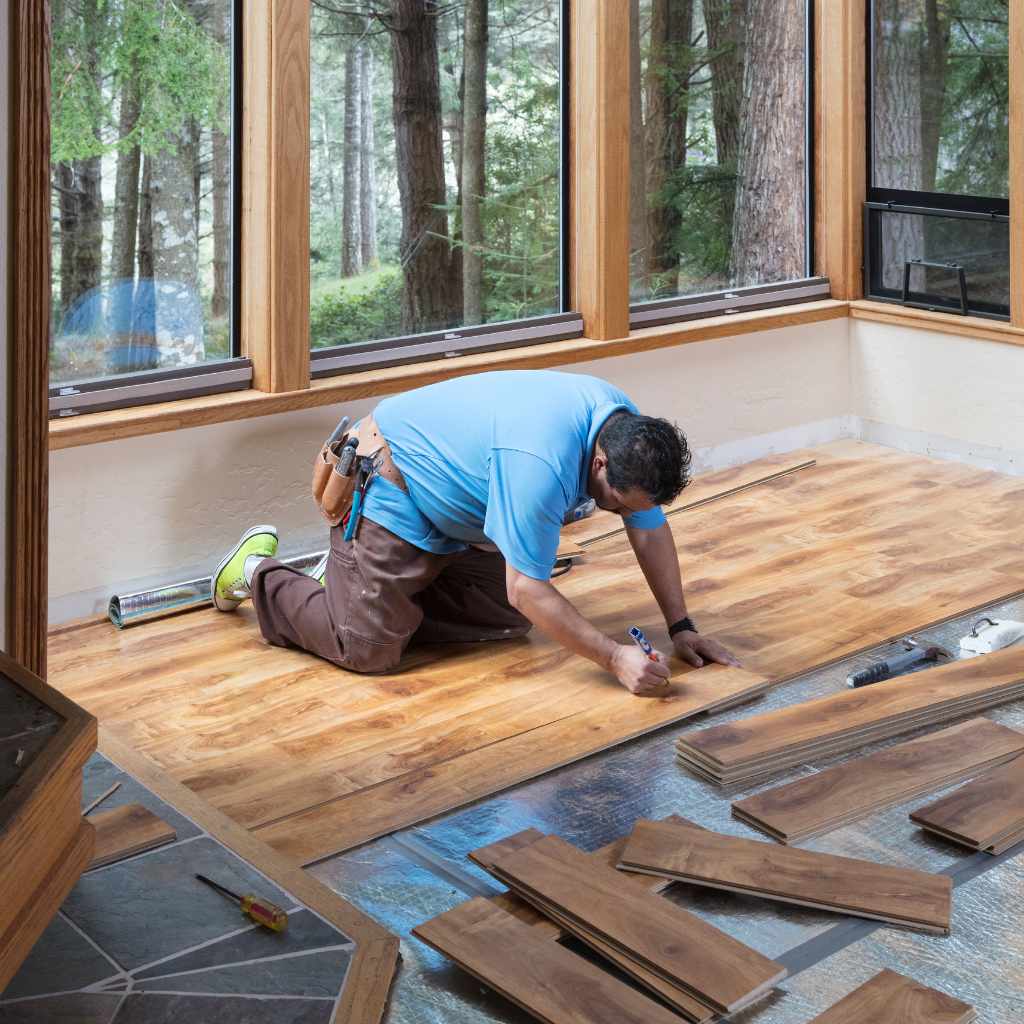
A floating hardwood floor is a flooring installation method where the planks or panels are not directly attached to the subfloor with glue, nails, or staples. Instead, individual boards lock together — usually with a click-lock or tongue-and-groove system — and the entire assembled floor “floats” on top of an underlayment pad. It’s held in place by its own weight, the interlocking connections, and an expansion gap left around the room’s perimeter.
The method is almost always used with engineered hardwood rather than solid wood, because engineered wood’s cross-layered core is dimensionally stable enough to expand and contract evenly without warping. Laminate and some rigid-core vinyl plank flooring use the same floating principle.
How a Floating Floor Stays in Place
Three things keep a floating floor from shifting underfoot: the interlocking system that snaps or grooves each plank into its neighbors, the weight of the fully assembled floor pressing down evenly, and underlayment friction beneath it. None of these require a single nail or drop of glue to the subfloor itself.
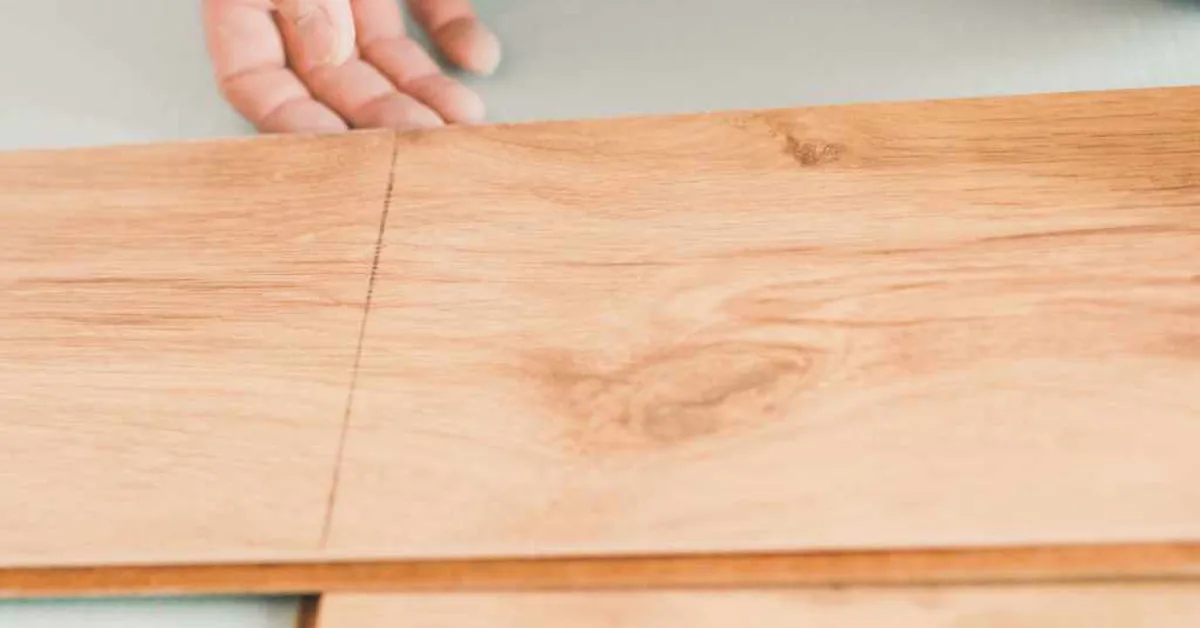
The underlayment pad beneath the planks does three jobs at once: moisture protection between the subfloor and the wood, sound absorption, and underfoot comfort. On concrete or below-grade subfloors, a pad with a built-in vapor barrier (like the moisture-barrier pick above) is not optional — it’s what keeps slab moisture from reaching the engineered wood’s core layers.
Floating vs. Nail-Down vs. Glue-Down Installation
| Method | Attached to Subfloor? | DIY Difficulty | Best For |
|---|---|---|---|
| Floating | No — interlocks and rests on underlayment | Easiest — no nailer or adhesive needed | DIY installs, rentals, over concrete or old flooring |
| Nail-Down | Yes — nailed through the tongue into subfloor | Moderate — requires a flooring nailer and compressor | Solid hardwood, permanent installations |
| Glue-Down | Yes — adhesive bonds board to subfloor | Harder — messy, less forgiving of mistakes | Concrete slabs, some engineered wood over radiant heat |
If you’re removing an old glued-down floor to switch to a floating installation, see our guide on removing glued-down wood flooring for what that teardown actually involves.
Advantages and Disadvantages
Advantages
- Easy installation: most homeowners can do it themselves without a flooring nailer or adhesive.
- Cost-effective: usually cheaper than nail-down installation since it saves on labor and specialty tools.
- Versatile: works over concrete, plywood, and many existing hard-surface floors.
- Easier repair: individual planks can often be lifted and replaced without tearing out the whole floor.
Disadvantages
- Less solid underfoot: can feel or sound slightly hollow compared to a nailed-down floor.
- Occasional squeaking: temperature and humidity swings can cause minor noise at the seams.
- More moisture-sensitive: because it isn’t sealed to the subfloor, water that gets between seams can sit and cause swelling.
- Limited refinishing: laminate floating floors can’t be sanded and refinished like solid wood; even engineered floating floors have a thinner wear layer than solid hardwood.
Typical Thickness and Where to Use It
Floating engineered hardwood typically runs 7mm to 15mm thick, with planks 4 to 7 inches wide and 36 to 48 inches (or longer) per board — exact dimensions vary by manufacturer, so always check the specific product’s spec sheet before ordering underlayment or transition strips.
Good uses: DIY renovations, rental properties (it can be removed without damaging the subfloor), rooms over concrete slabs, and spaces with fluctuating humidity. Poor uses: full bathrooms and other consistently wet areas, where water intrusion at the seams is a real risk — see our guide on DIY hardwood floor installation for the full acclimation and moisture-check process that applies to both floating and nail-down methods, and our broader wood flooring guide for cost and type comparisons.
FAQ: Floating Hardwood Floors
What is a floating hardwood floor?
A floating hardwood floor is a flooring method where the planks are not nailed, stapled, or glued to the subfloor. Instead, the boards interlock with each other (click-lock or tongue-and-groove) and rest — or “float” — on top of an underlayment pad, held down only by their own weight and connection system.
How does a floating floor stay in place without nails or glue?
The interlocking system locks each plank tightly to its neighbors, and the combined weight of the assembled floor keeps the whole surface stable. A perimeter expansion gap, covered later by trim, lets the floor shift slightly with humidity without buckling.
Can floating hardwood floors be installed over old flooring?
Yes, in most cases. Floating floors can go over tile, vinyl, or another hard, flat, stable surface, which saves the time and cost of tearing out the old floor — as long as the existing floor is level and not spongy or damaged.
Are floating hardwood floors easy to install yourself?
Yes. Without nailing or gluing, most homeowners can install a floating floor with basic tools — a tapping block, pull bar, and utility knife — in a weekend for an average-sized room, which is why it’s the most common DIY entry point into hardwood flooring.
Do floating floors work with underfloor heating?
Many engineered floating floors are rated for radiant underfloor heating, but it depends on the specific product — check the manufacturer’s maximum surface temperature and compatibility rating before installing over a heated subfloor.
Can floating floors be used in bathrooms or kitchens?
Not recommended for wet areas like full bathrooms. Because the boards aren’t sealed to the subfloor, water that gets between the seams and underlayment can sit there and cause swelling or mold. Kitchens are more borderline — a floating floor with a strong moisture-barrier underlayment can work if spills are wiped up promptly.
Conclusion
A floating hardwood floor trades a little underfoot solidity for the easiest, cheapest DIY installation method available — no nailer, no adhesive, and it can go over most existing hard flooring. Get a moisture-barrier underlayment down and an expansion gap around the perimeter, and it will hold up well everywhere except consistently wet rooms.
Sponsored / affiliate links. As an Amazon Associate I earn from qualifying purchases. I may earn additional commission from eligible campaigns.