Is Pressure Treated Wood Safe for Vegetable Gardens? Find Out!
Are you planning to build a vegetable garden and considering using pressure treated wood? You might be wondering if it’s safe for your plants—and ultimately, for you and your family.
This is an important question that many home gardeners face. With the rise of DIY gardening projects, understanding the materials you use has never been more crucial. You want to ensure your garden is not only productive but also safe for consumption.
We delve into the facts about pressure treated wood and its impact on your vegetable garden. You’ll discover insights that could change the way you think about garden construction. Don’t make a choice without knowing all the facts—your health and peace of mind depend on it. Keep reading to uncover the truth and make an informed decision for your garden oasis.
Benefits Of Pressure Treated Wood
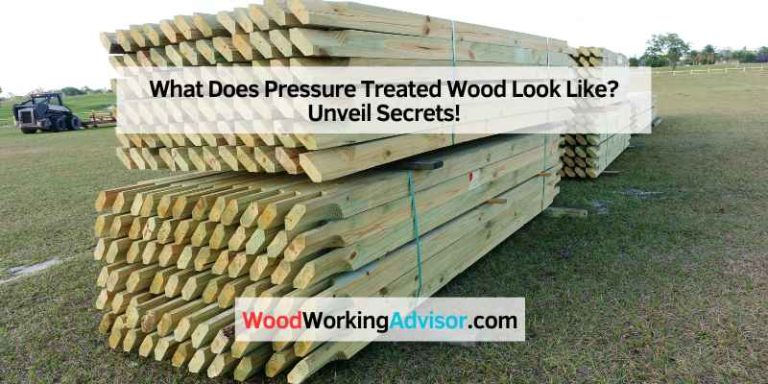
Pressure treated wood is very strong. It lasts longer than regular wood. This wood doesn’t rot easily. Rain and bugs can’t damage it. Garden beds made from this wood can last years. People use it for building fences too. It’s also good for decks and other outdoor projects.
It’s affordable for most people. You save money over time. You won’t need to buy new wood soon. This is great for growing vegetables. Your garden will stay safe and secure. This wood helps protect plants from soil erosion. It keeps soil in the right place.
Chemical Components In Pressure Treated Wood
Pressure treated wood is used for building. It has chemicals for protecting wood. These chemicals prevent rot and insects. Copper is a common chemical in this wood. Arsenic was used before, but not now. Arsenic is harmful for health. Chromium is another chemical found in treated wood. Copper and chromium are safer than arsenic. People worry about these chemicals in vegetable gardens. They think chemicals can go into the soil. Soil can touch the vegetables. This can be a problem for health. Some people use untreated wood instead. Untreated wood does not have chemicals. It is safer for gardens.
Health Concerns For Vegetable Gardens
Pressure treated wood can contain chemicals. These chemicals might be harmful. Arsenic and chromium are common. They help keep wood strong. But they might seep into soil. Vegetables can absorb these chemicals. Eating them might be risky.
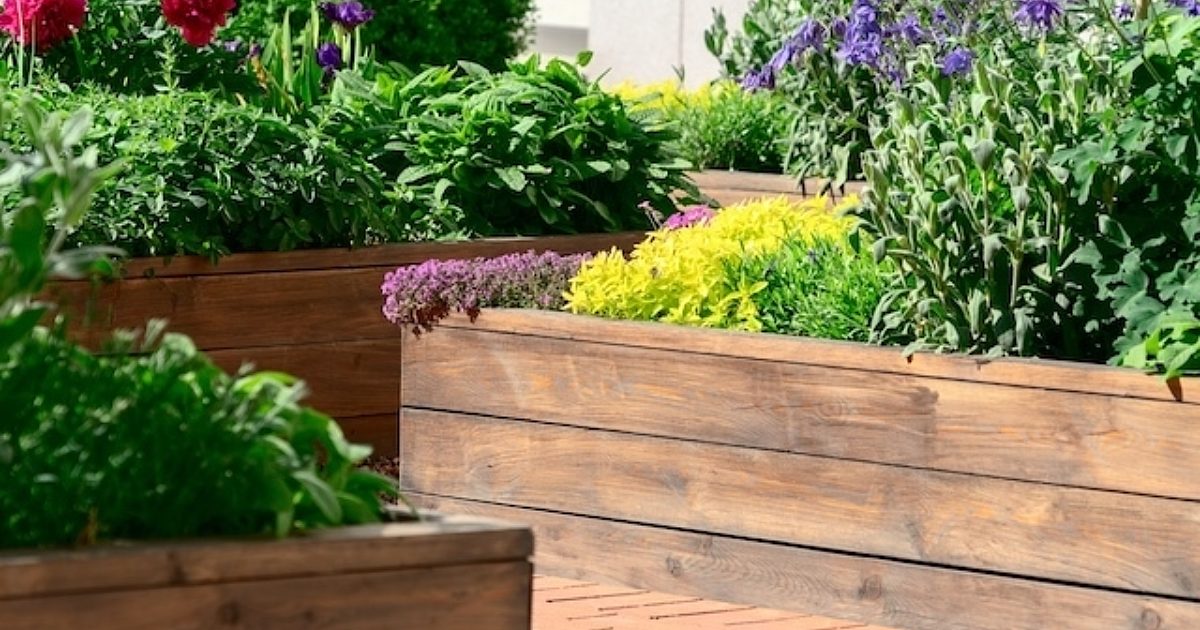
Using untreated wood is safer. It has fewer chemicals. Cedar and redwood are good choices. They are naturally resistant. Raised beds can be made with them. They protect plants better. Your garden stays healthy.
Some people use liners. Liners can block chemicals. Plastic liners are popular. They fit inside the beds. This adds extra safety. Your vegetables stay cleaner.
Alternatives To Pressure Treated Wood
Cedaris a great choice for garden beds. It resists rot and insects. Redwoodis also durable and lasts long. Both wood types look beautiful. They are safe for growing vegetables. Pinetreated with natural oils is another option. It is less expensive than cedar or redwood. Recycled plasticlumber is a smart choice too. It is long-lasting and needs no maintenance. Stoneand metalare other options. They are strong and can be reused. These materials do not rot or decay. They help keep gardens safe for vegetables. Using these alternatives protects your plants and the environment.
Comparing Safety Standards
Pressure treated wood is common in gardens. But is it safe? This wood uses chemicals to prevent rot. These chemicals can be harmful. Copper, arsenic, and chromium are sometimes used. They protect wood but may affect soil. Some experts suggest using alternatives. Cedar and redwood are safer options. These woods are naturally resistant. They do not need chemicals.
Consider using a barrier. A plastic liner can stop chemicals from leaching. Raised beds are also a good choice. They can keep soil safe. Organic gardens might prefer untreated wood. It breaks down faster but is safer for food. Always check local guidelines. They help in choosing the right wood for gardens.
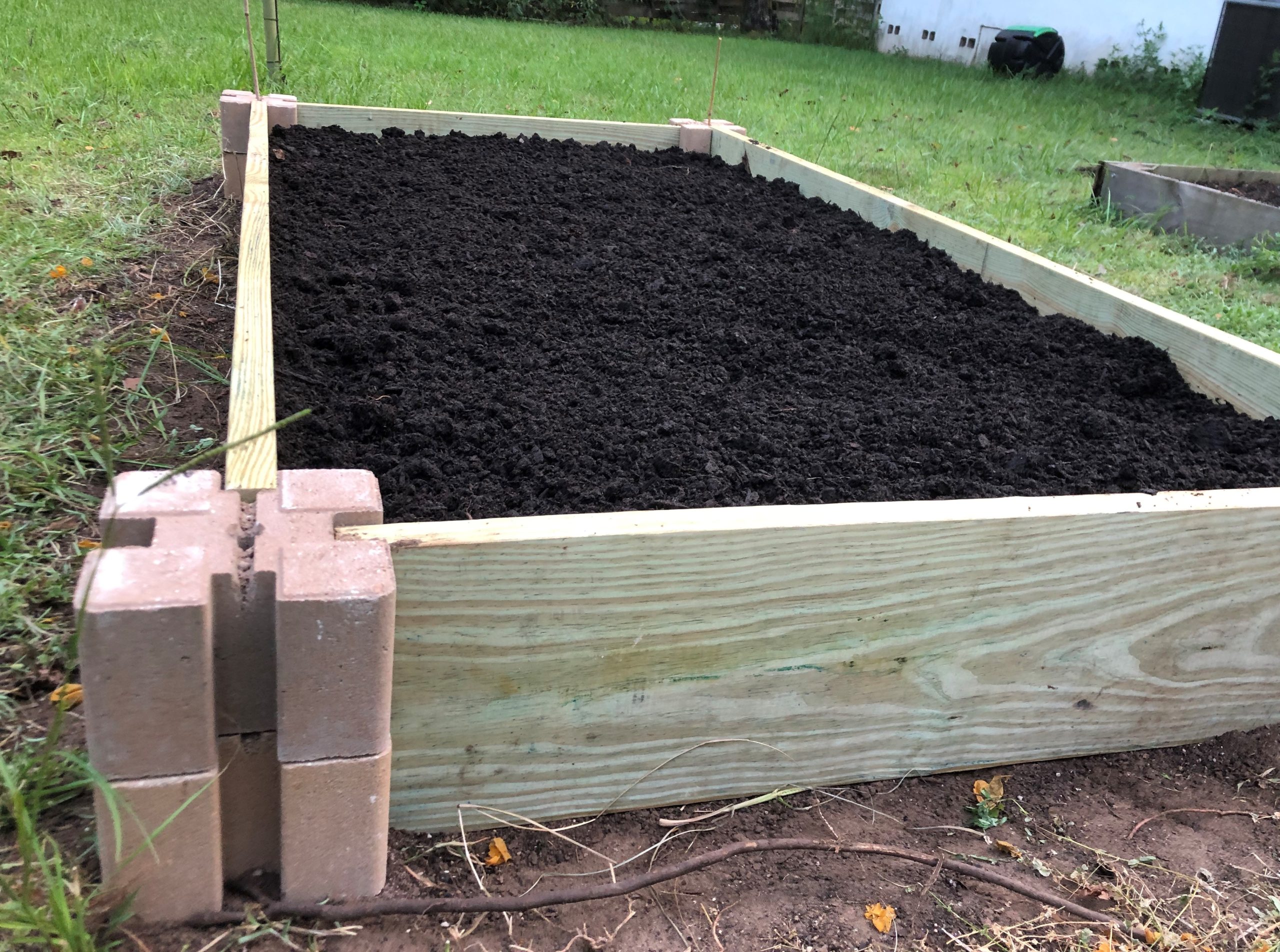
Credit: hgic.clemson.edu
Expert Opinions And Studies
Many experts say pressure treated wood can be safe. They advise using a plastic liner. This keeps chemicals away from the soil. Studies show old wood treatments had harmful chemicals. Newer treatments use safer materials. Some experts suggest cedar or redwood instead. These woods naturally resist rot. They contain no added chemicals. Always check for labels on the wood. Ensure it is safe for gardens. If unsure, ask a local gardening expert. They can give good advice.
Best Practices For Using Pressure Treated Wood
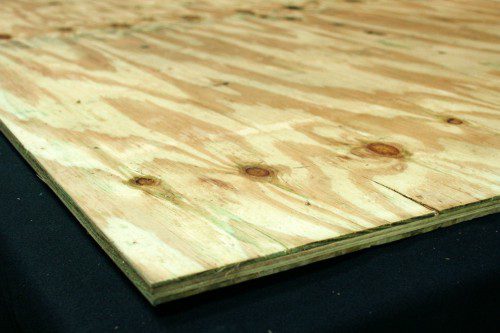
Pressure treated woodis common for gardens. It resists rot and bugs. But, it has chemicals. These chemicals can leach into soil. Choose wood treated with safer options. Look for ACQ or CA treated wood. These are less harmful.
Use a barrier between wood and soil. Plastic liners work well. They stop chemicals from reaching plants. Make sure liners have no holes. Replace liners if they wear out.
Keep wood above ground. This prevents direct contact with soil. Use gravel or concrete under wood. It helps keep the wood dry. Wet wood can leach more chemicals.
Check wood for damage. Replace any damaged pieces. Fix cracks and splits. Apply sealant yearly. Sealant can reduce chemical leaching.
Environmental Impact
Pressure treated wood can affect the environment. Chemicals like arsenicand copperare used in the process. These chemicals can seep into the soil. This affects plants and water nearby. Some insects and animals might get sick. Using this wood can lead to long-term soil pollution. The soil becomes less healthy over time. This impacts plant growth. Healthy soil is crucial for tasty vegetables. There are other materials to consider. Cedar and redwood are natural choices. These woods do not need chemicals. They are safer for the earth.
Tips For Maintaining Vegetable Gardens
Using clean toolshelps keep plants healthy. Wash tools after each use. Remove dirt and soil from them. This stops germs from spreading.
Check plants dailyfor bugs or disease. Look under leaves. Use your hands or a spray to remove pests. Healthy plants grow better and give more vegetables.
Water plants properly. Do not drown them. Make sure the soil is moist, not soggy. This helps roots stay strong.
Mulch the soilto keep it warm. It also helps keep moisture in. Mulch stops weeds from growing. Use straw or wood chips for mulch.
Rotate cropseach year. This keeps the soil fresh. Different plants use different nutrients. Rotation helps soil stay healthy.
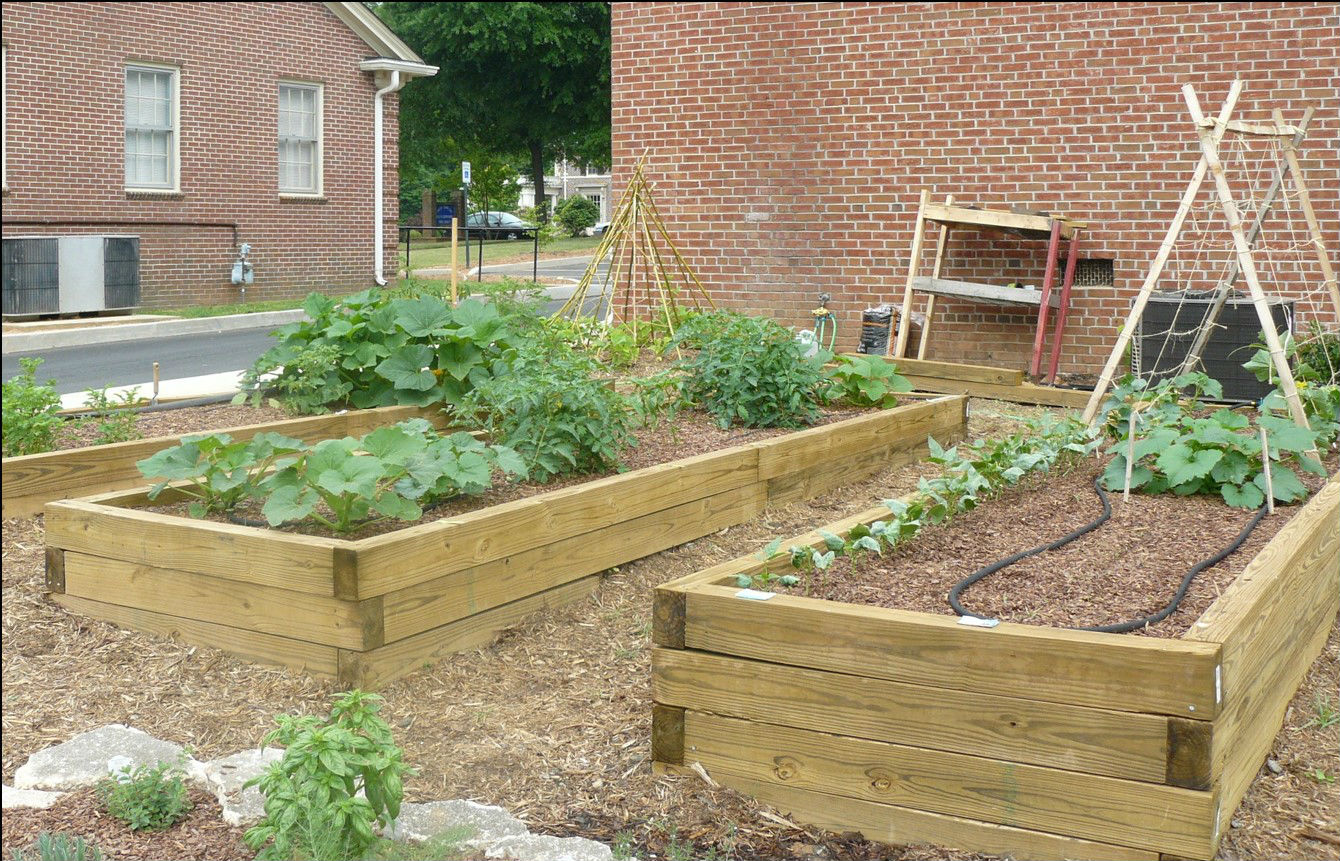
Credit: www.treatedwood.com
Frequently Asked Questions
Is Home Depot Pressure Treated Lumber Safe For Vegetable Gardens?
Home Depot’s pressure-treated lumber is safe for vegetable gardens. It uses copper-based preservatives, avoiding harmful chemicals like arsenic. Ensure proper ventilation and drainage to minimize contact with soil. For added safety, consider using a barrier or lining between the wood and soil.
Always check for specific product details.
Can You Use Pressure-treated Wood For A Raised Vegetable Garden?
Yes, you can use pressure-treated wood for raised vegetable gardens. Modern pressure-treated wood is considered safe. Ensure it’s labeled for ground contact. Always use a liner or barrier to prevent direct soil contact. This helps keep potential chemicals away from your vegetables.
Regularly check for wear and replace as needed.
Is Pressure-treated Wood Toxic To Plants?
Pressure-treated wood can leach chemicals that may harm plants. Use a barrier or opt for untreated wood for safety.
What Wood Should Not Be Used In A Raised Garden Bed?
Avoid using pressure-treated wood for raised garden beds. It contains chemicals that can leach into the soil. Choose naturally rot-resistant woods like cedar or redwood instead. Avoid using pallets or reclaimed wood with unknown treatments. Always ensure the wood is safe for gardening to protect plants and soil.
Conclusion
Deciding on pressure treated wood for gardens requires careful thought. Consider safety and longevity. Some types contain chemicals. These may affect soil and plants. Choose newer, safer options if you decide on treated wood. Look for labels indicating reduced chemical content.
Cedar or other untreated woods are great alternatives. They provide natural durability. Always research and prioritize your garden’s health. Your vegetables deserve the best care. Wood choice plays a big role. Keep learning and make informed decisions. Your garden’s success depends on it.
Happy gardening!