Is Pressure-Treated Wood Paintable? Drying Time Before You Paint
Yes, pressure treated wood can be painted — but only once it’s dry enough. The “wait 3-4 months” advice you’ll see everywhere is a rough average for wet, green lumber straight off the shelf at a typical big-box store, not a fixed rule. The real test is moisture, not the calendar.
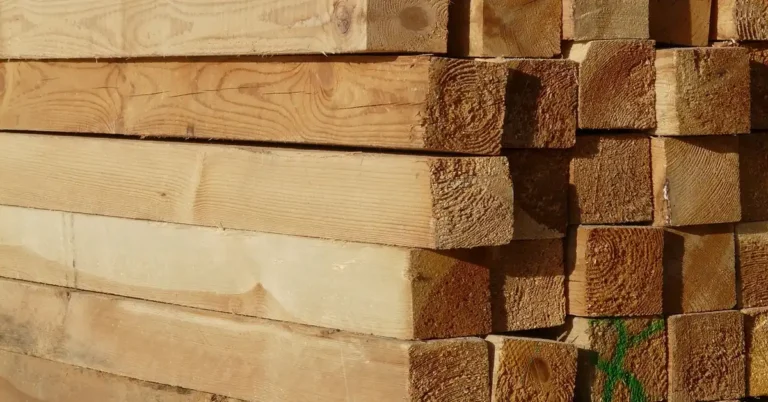
Pressure treatment forces preservative deep into the wood under pressure, and the carrier for that preservative is water. Standard treated lumber leaves the mill still wet from that process, which is why it needs real drying time before paint will stick. Some lumber, though, is labeled KDAT (Kiln-Dried After Treatment) — it’s been dried back down after treatment and is typically ready to paint right away, no waiting required. Check the tag or stamp on the end of the board; if it doesn’t say KDAT, assume it’s wet and plan on the drying wait.
The Water Test: How to Actually Know It’s Ready
Blocks Tannin Bleed-Through From Treated Lumber
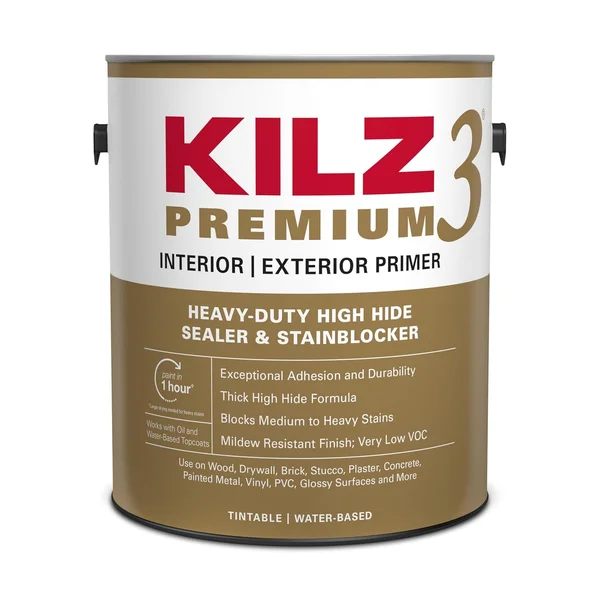 |
KILZ Premium High-Hide Stain Blocking Primer/Sealer Rated for interior and exterior use, this blocks the tannins and treatment chemicals in pressure-treated wood from bleeding through and discoloring your topcoat.
|
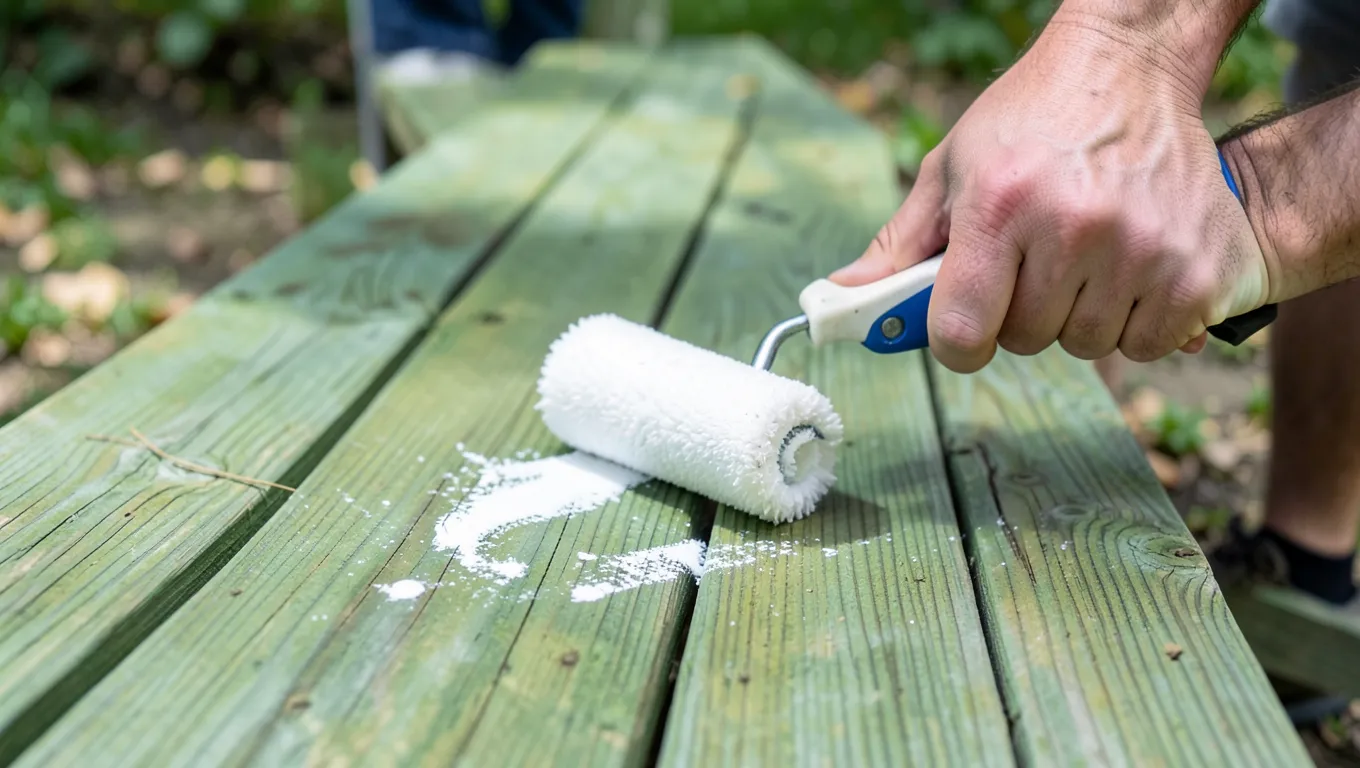
Skip guessing based on how many weeks or months have passed. Sprinkle a few drops of water onto the wood’s surface. If the water beads up and sits there, the wood is still too wet to hold paint — keep waiting. If the water soaks in within a minute or so, the surface is dry enough to paint. Test in a few different spots, since sun-exposed areas dry faster than shaded ones on the same piece of lumber.
For a more precise answer, a moisture meter reading of 15% or lower is generally considered paint-ready. Depending on the lumber’s thickness, your climate, and how much sun and airflow it gets, drying can take anywhere from a few weeks in a hot, dry climate to the full 3-4 months commonly quoted for thicker deck boards in a humid region.
Picking the Right Primer and Paint
Once the wood passes the water test, clean it with a stiff brush and a mild detergent solution to remove dirt, mill glaze, and any surface mildew, then let it dry fully again before priming. Use an exterior-rated, stain-blocking primer — the chemicals in the treatment can bleed through an ordinary primer and discolor the topcoat over time. 100% acrylic latex exterior paint is the standard modern choice over treated lumber: it flexes with the wood’s seasonal movement better than oil-based paint and resists cracking and peeling longer. Apply at least two coats, letting each dry fully per the label before adding the next.
Stain: Usually the Better Call
If the project is a deck, fence, or anything that will flex and move seasonally, a penetrating or semi-transparent stain is generally the more durable choice over paint. Stain soaks into the wood fibers rather than forming a surface film, so it doesn’t chip, peel, or flake the way paint eventually does — it just fades gradually and gets recoated. Paint gives you full color coverage and hides the wood grain and any staining from the treatment process, which is the main reason people choose it anyway. Both still need the same dry-wood prerequisite before application.
What Goes Wrong When You Paint Too Soon
Trapped moisture under a paint film has nowhere to go. As the wood eventually dries out from underneath, the paint blisters, peels, and separates from the surface — sometimes within the first season, sometimes not until the following summer once temperature swings really work the film. Warping and cracking can also show up as the wood continues shrinking after you’ve already painted it, since treated lumber keeps losing residual moisture well past the point where the surface feels dry to the touch. There’s no fix for this short of stripping the failed paint and starting the drying process over; it’s cheaper to just wait the extra weeks up front.
Frequently Asked Questions
How long should you wait before you paint pressure treated wood?
It depends on the lumber, not a fixed calendar: KDAT (kiln-dried after treatment) lumber can often be painted right away, while standard wet treated lumber typically needs anywhere from a few weeks to 3-4 months depending on climate. The water-bead test is more reliable than counting weeks.
Is it better to stain or paint pressure treated wood?
Stain is generally more durable on treated lumber because it penetrates the wood instead of forming a surface film, so it won’t chip or peel the way paint eventually can. Paint gives fuller color coverage if hiding the wood’s natural look is the priority.
What happens if I paint pressure treated wood too soon?
Trapped moisture under the paint film causes blistering, peeling, and separation as the wood continues to dry out underneath. The wood can also warp or crack as it keeps shrinking after the paint is already on.
Can you paint pressure treated wood from a home improvement store?
Yes — standard big-box pressure-treated lumber can be painted once it passes the water-drop test and is properly cleaned and primed. Check for a KDAT stamp first; if it has one, the wood is likely ready to paint much sooner than untreated wet stock.
The Bottom Line
Pressure treated wood is paintable, but moisture — not a calendar — decides when. Check for a KDAT stamp, run the water-drop test before assuming a fixed wait time, use a stain-blocking exterior primer, and consider stain instead of paint if the project needs to flex with the seasons.
Sponsored / affiliate links. As an Amazon Associate I earn from qualifying purchases. I may earn additional commission from eligible campaigns.