Is Thompson Water Seal Oil Based: Uncover the Truth
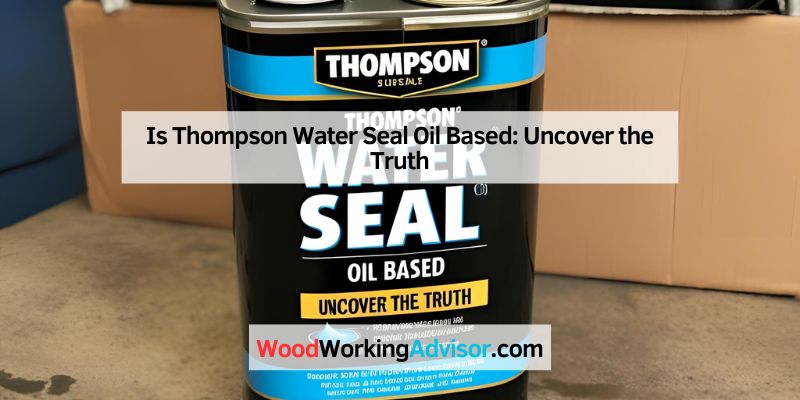
Thompson Water Seal is a popular choice for protecting wood. But is it oil-based?
The answer is yes, Thompson Water Seal can be oil-based. Understanding whether a sealant is oil-based is important for several reasons. Oil-based sealants penetrate deeply into the wood, offering robust protection against water damage. They are known for their durability and effectiveness, especially in outdoor settings.
Knowing the base of your sealant helps you choose the right product for your needs. In this blog post, we will explore the characteristics of Thompson Water Seal, its benefits, and why an oil-based formula might be the best option for your wood surfaces. Stay tuned to learn more about keeping your wood in top condition with Thompson Water Seal.
Introduction To Thompson Water Seal
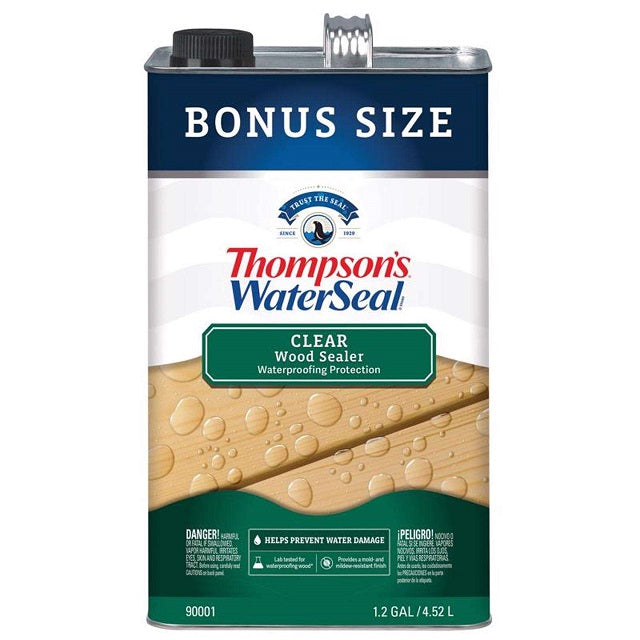
Thompson Water Seal is a wood sealer. It helps protect wood from water damage. It is easy to use. People often use it on decks, fences, and outdoor furniture. It creates a barrier that keeps water out. This prevents wood from rotting or warping. It can also help keep the wood looking new and fresh.
People use Thompson Water Seal for many things. Decks are a common use. It keeps them safe from rain and snow. Fences also need protection. This product helps them last longer. Outdoor furniture can get wet. This sealer helps keep it dry. Concrete surfaces can also benefit. It stops water from soaking in.
Composition Of Thompson Water Seal
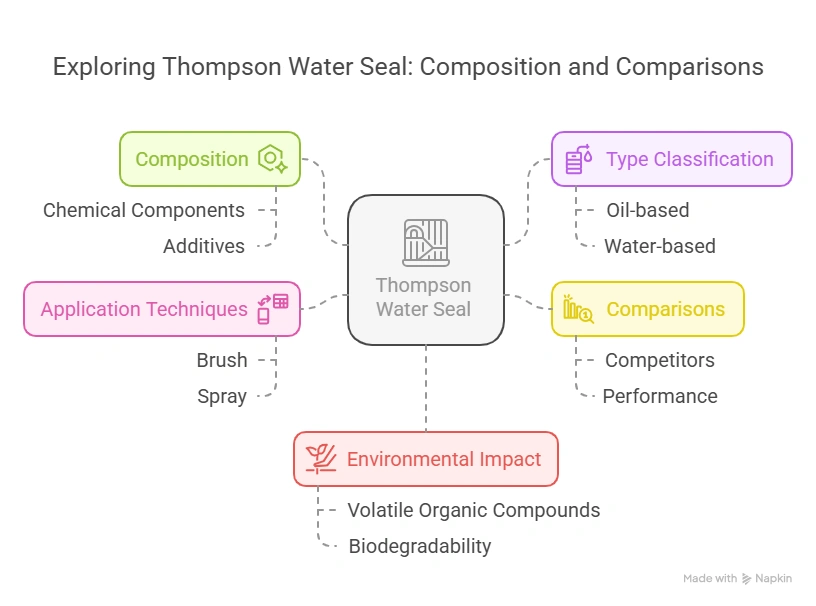
Thompson Water Seal contains active ingredients that repel water. These ingredients protect wood surfaces. They prevent damage from moisture.
Water-based sealers dry quickly. They are easy to clean up with water. Oil-based sealers take longer to dry. They provide deeper penetration. Both types protect wood from water.
Oil-based Sealers: Pros And Cons
Oil-based sealers offer long-lasting protection. They penetrate wood deeply. This helps in preventing water damage. Oil-based sealers are also easy to apply. They dry slowly, which allows for a smoother finish. These sealers enhance the natural look of the wood. They are also durable and can withstand harsh weather conditions.
Oil-based sealers can be hard to clean. They require special cleaners. These sealers also have a strong odor. This can be unpleasant. Oil-based sealers take longer to dry. This can delay projects. They are also more expensive than water-based sealers. They can be harmful to the environment. Oil-based sealers may also cause health issues if inhaled.
Water-based Sealers: Pros And Cons
Water-based sealers are easy to clean. They dry quickly. Less time waiting. These sealers are safe for indoor use. They have low odor. Good for health.
They do not change the color of the surface. They are environmentally friendly. They emit fewer chemicals. Better for the planet.
These sealers may not last as long. Frequent reapplication needed. They can be more expensive. Costs add up over time.
Water-based sealers may not protect as well. Oil-based ones might be stronger. They might not work well on some surfaces. Testing is important.
Thompson Water Seal: Oil-based Or Not?
Thompson Water Seal is known for protecting wood and concrete. Many wonder if it’s oil-based. The truth is, it varies. Some products are oil-based. Others are water-based. It’s best to check the label before using. This helps ensure the correct type for your needs.
The chemical makeup of Thompson Water Seal can differ. Oil-based versions contain petroleum distillates. Water-based versions have acrylics. Both types offer protection. Oil-based seals penetrate deeper. Water-based seals dry faster. Both types are effective. Choose based on your project requirements.
Experts agree on the effectiveness of Thompson Water Seal. They note the importance of choosing the right type. Oil-based seals are preferred for deep protection. Water-based seals are easier to clean. Both have their benefits. Always follow expert advice for best results.

Credit: www.shelllumber.com
Comparing Thompson Water Seal With Competitors
Thompson Water Seal stands out among competitors by being oil-based, providing long-lasting protection for wood surfaces. Its unique formula ensures deep penetration and superior water resistance.
Market Alternatives
There are many alternatives to Thompson Water Seal. Some popular choices include Behr, Olympic, and Rust-Oleum. These brands offer similar products for sealing wood. Each has its own strengths. Behr is known for its durability. Olympic provides good UV protection. Rust-Oleum is often praised for its ease of use. Choose based on your needs.
Performance Comparisons
| Brand | Key Feature | Durability |
|---|---|---|
| Thompson Water Seal | Waterproofing | High |
| Behr | Durability | Very High |
| Olympic | UV Protection | High |
| Rust-Oleum | Ease of Use | Medium |
Application Techniques
Clean the surface first. Remove dirt and old sealant. Use a stiff brush. Rinse the area well. Let it dry. Ensure no wet spots are left. Cover nearby plants with cloth.
Use a brush or roller. Apply thin, even coats. Do not let the sealant pool. Work in small sections. Overlap strokes for good coverage. Let the first coat dry. Apply a second coat if needed.
Credit: ellingtonagway.com
Maintenance And Longevity
Check your sealed surface each year. Look for cracks or peeling. Clean the surface regularly. Remove dirt and debris. Use a soft brush or broom. Avoid using harsh chemicals. They can damage the seal.
Apply a new coat every two years. This helps keep your surface protected. Avoid high pressure washers. They can remove the sealer. Keep heavy furniture off the surface. This prevents wear and tear.
Environmental Impact
Thompson Water Seal can be oil-based or water-based. Water-based options are more eco-friendly. They release fewer harmful chemicals. This makes them safer for the air. They are easier to clean up. Soap and water will do. Oil-based seals need special cleaners. They can harm plants and animals if not used carefully.
Proper disposal is important. Never pour leftover seal down the drain. Take it to a special waste facility. Always read the labels for safety tips. Wear gloves when using the product. Keep it away from children and pets. Store it in a cool, dry place. Follow these steps to stay safe and protect the environment.
Credit: ellingtonagway.com
Frequently Asked Questions
Is Thompson’s Water Seal Water-based Or Oil-based?
Thompson’s Water Seal is available in both water-based and oil-based formulas. Check product labels for specific type.
What Is The Difference Between Oil-based And Water-based Sealer?
Oil-based sealers offer stronger protection and durability. Water-based sealers dry faster, emit fewer fumes, and are eco-friendly.
Which Is Better, Oil-based Or Water-based Deck Sealer?
Water-based deck sealers dry faster and are eco-friendly. Oil-based sealers offer deeper penetration and longer-lasting protection. Choose based on your preference and needs.
What Is The Difference Between Oil-based And Water-based Waterproofing?
Oil-based waterproofing is durable, penetrates deeply, and is suitable for outdoor use. Water-based waterproofing is eco-friendly, dries quickly, and is ideal for indoor use.
Conclusion
Thompson Water Seal is indeed oil-based. This makes it effective for wood protection. It repels water and prevents damage. Use it for long-lasting results. Ensure proper application for the best outcome. Regular maintenance will keep your wood looking great. Choose Thompson Water Seal for reliable protection.
Your wood will thank you.