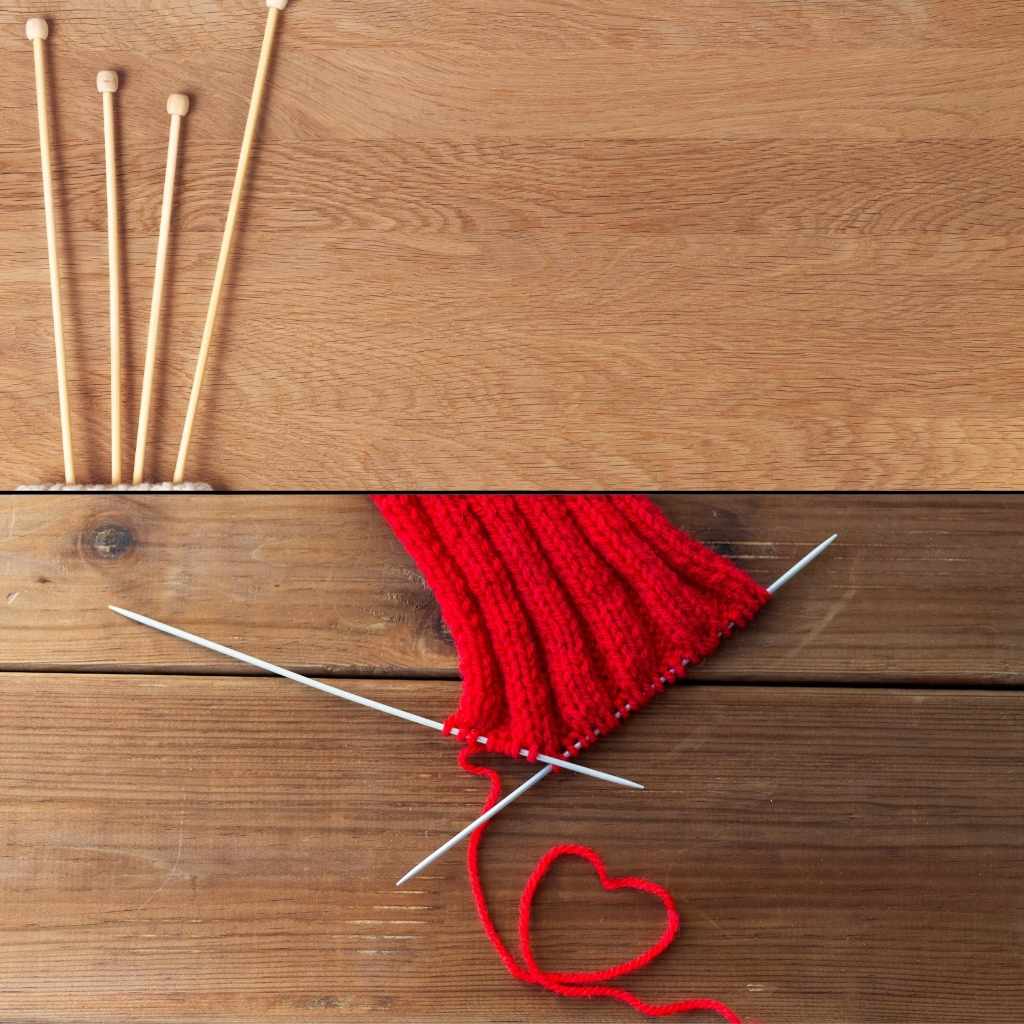
Knitting Needles: Wood vs Metal – Which to Choose.
Picking the right knitting needles can feel a bit tricky when you’re just starting out. The big question often comes down to Knitting Needles: Wood vs Metal – Which to Choose. It’s a common puzzle because both have their own feel and how they work with yarn.
Don’t worry, it’s simpler than it sounds! We’ll walk through the differences so you can find your perfect match for your next project.
Knitting Needles Wood vs Metal Which to Choose
Deciding between wood and metal knitting needles is a common point of thought for many knitters, especially those new to the craft. Both materials offer distinct advantages and can significantly influence your knitting experience, affecting everything from how the yarn glides to how your hands feel after a long session. Understanding these differences helps you make an informed choice that best suits your personal preference and project needs.
Understanding Your Knitting Needle Options
At its heart, knitting involves moving loops of yarn from one needle to another to create fabric. The tools you use for this process, your knitting needles, play a vital role in how smoothly and comfortably you can work. The material of the needle is a primary factor influencing its behavior.
You’ll find needles made from a variety of materials, but wood and metal are two of the most popular choices you’ll encounter.
These two materials represent a fundamental fork in the road for knitters. One offers a more natural, grippy feel, while the other provides a slicker, faster glide. Your choice can impact your speed, your stitch tension, and even your comfort.
Let’s explore each one in detail.
Wood Knitting Needles
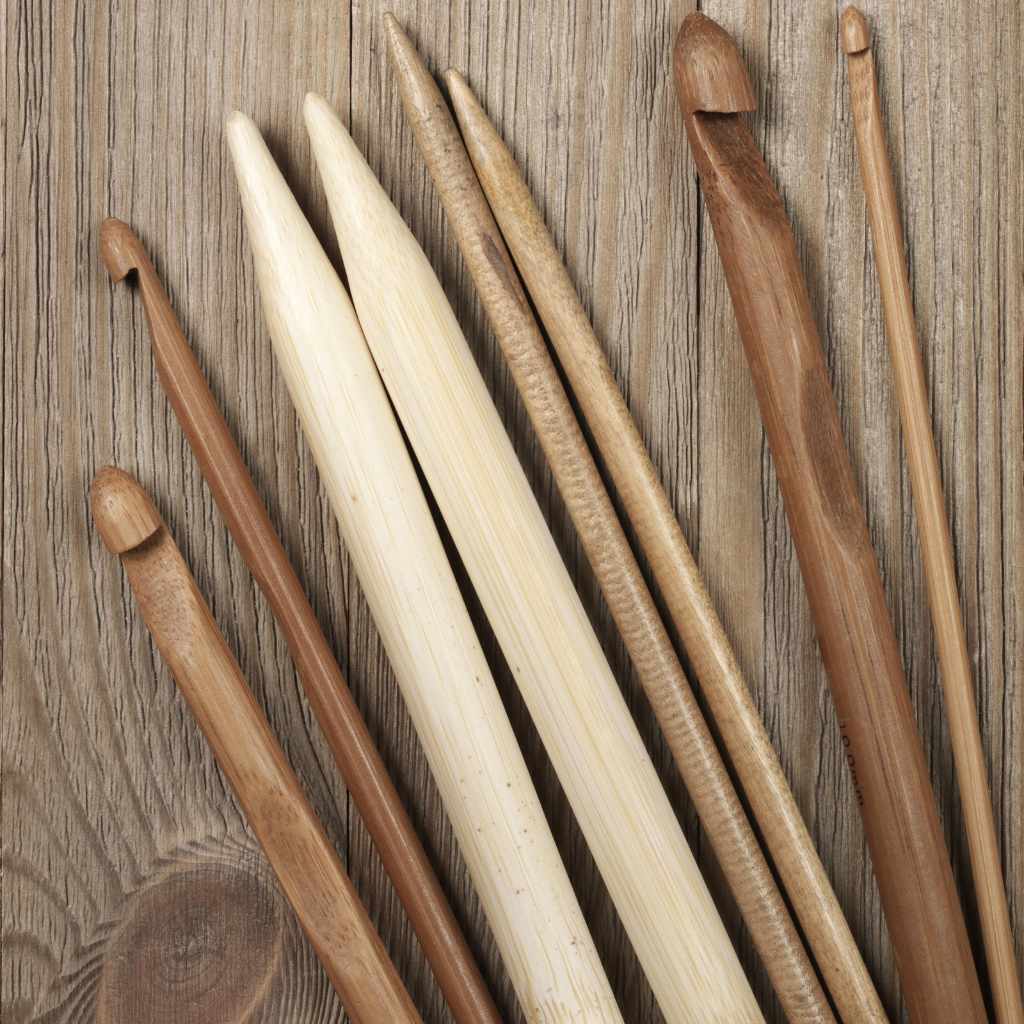
Wood knitting needles are often the first choice for beginners because of their user-friendly nature. They are made from various types of wood, like bamboo, birch, maple, and rosewood. Each type of wood can have slightly different properties, but generally, wooden needles share some core characteristics.
The Advantages of Wood
One of the biggest draws of wood is its natural grip. This friction helps to keep stitches from sliding off the needles too easily. For new knitters, this is a huge benefit.
It means fewer dropped stitches, which can be frustrating when you’re still getting a feel for holding your needles and yarn.
Wood is also lightweight. This makes knitting for extended periods much more comfortable, reducing strain on your hands and wrists. The natural warmth of wood is also appealing; they don’t feel as cold as metal needles can, especially in cooler environments.
The tactile experience of knitting with wood is often described as pleasant and organic. The slight give in the material can feel forgiving. Furthermore, wooden needles come in a wide array of beautiful colors and finishes, adding a touch of aesthetic pleasure to your knitting.
The Downsides of Wood
While excellent for grip, the very friction that helps prevent dropped stitches can also slow down knitters who prefer a faster pace. If you have a tendency to knit tightly, wood might feel a bit sticky, making it harder for the yarn to slide smoothly across the needle surface.
Wood is also more delicate than metal. While they are quite durable for everyday use, they can break if dropped from a height or subjected to significant force. The tips can also wear down over time, especially if you are a vigorous knitter.
This makes them less ideal for very fine yarns where sharp tips are needed to split the plies for precise stitches.
Best For
- Beginners
- Knitters who tend to drop stitches
- Those who prefer a slower, more controlled knitting pace
- Working with slippery yarns like silk or some synthetics
- People with hand fatigue who benefit from lightweight tools
Metal Knitting Needles
Metal knitting needles are typically made from aluminum, brass, nickel, or stainless steel. They are known for their smooth, slick surface and durability. These needles offer a different feel and performance compared to wood.
The Advantages of Metal
The primary advantage of metal needles is speed. Their smooth surface allows yarn to glide effortlessly, making them ideal for experienced knitters who want to knit quickly. This is particularly beneficial for large projects like blankets or sweaters where speed can make a significant difference.
Metal needles are also extremely durable and long-lasting. They are resistant to breaking and can withstand a lot of wear and tear. The tips on metal needles often stay sharper for longer, which is important for intricate stitch patterns or working with fine yarns where precision is key.
Many knitters find the weight of metal needles satisfying. While heavier than wood, some knitters feel this weight provides better balance and control. They also tend to have a very refined finish, offering a professional feel.
The Downsides of Metal
The slickness of metal needles can be a drawback for beginners. Yarn can slide off very easily, leading to more dropped stitches. This requires a higher level of control and dexterity to manage.
Metal needles can feel cold to the touch, which might be uncomfortable for some knitters, especially in colder weather or for those who tend to have cold hands. For knitters prone to hand pain or stiffness, the weight might also become an issue during long knitting sessions.
Some people have sensitivities to certain metals like nickel, which can cause skin irritation. It’s worth noting if you have known metal allergies.
Best For
- Experienced knitters
- Knitters who want to knit quickly
- Working with very soft or fuzzy yarns that might stick to wood
- Projects requiring very precise stitches
- Those who prefer a slicker feel and faster yarn glide
Comparison Table
To help you visualize the differences, here’s a quick comparison of wood and metal knitting needles:
| Feature | Wood Knitting Needles | Metal Knitting Needles |
|---|---|---|
| Grip | Good friction, holds stitches well | Slick, yarn glides easily |
| Speed | Slower, more controlled | Faster, can be very quick |
| Durability | Can break, tips can wear down | Very durable, long-lasting |
| Weight | Lightweight | Can be heavier, balanced |
| Comfort | Warm, pleasant feel | Can feel cold, potential for irritation |
| Best For | Beginners, slippery yarns, control | Experienced knitters, speed, fine yarns |
Other Knitting Needle Materials
While wood and metal are the most common, it’s good to know other materials exist. These can offer unique properties that might appeal to you.
Bamboo
Bamboo is a type of wood, but it’s often highlighted separately because it’s so popular. It’s exceptionally lightweight and has a good grip, similar to other woods. Bamboo needles are also eco-friendly, making them a favorite for many environmentally conscious knitters.
Plastic and Acrylic
These are often the most budget-friendly options. They are lightweight and come in a vast array of colors and patterns. Plastic needles can have varying degrees of slickness and grip depending on the specific manufacturing.
They are generally durable but can sometimes feel less refined than wood or metal.
Carbon Fiber
Carbon fiber needles are a newer option. They are incredibly strong, lightweight, and have a smooth surface that is often described as a good balance between wood and metal. They offer excellent durability and a nice glide without being too slippery.
They can be a great choice for those who want speed and durability but dislike the cold feel of metal.
What About the Yarn?
The type of yarn you use also plays a big part in which needles will work best. Some yarns are very slippery, like silk or certain synthetic blends. These yarns will benefit from the grip of wood or bamboo needles to prevent them from sliding off.
Other yarns are very fuzzy or have a lot of grip themselves, like some wools or boucle. These yarns might feel too sticky on wooden needles. In these cases, metal or slicker plastic needles can help the yarn move more freely, making your knitting smoother.
Choosing Your First Needles
If you’re just starting, the safest bet is to begin with wood or bamboo needles. Their natural grip is a lifesaver when you’re learning to manage tension and stitch placement. You won’t have to worry as much about stitches falling off as you practice holding your needles and yarn.
Consider getting a set of medium-sized straight needles. A common size for beginners is US size 7 (4.5 mm) or US size 8 (5.0 mm). These sizes work well with a wide range of common yarn weights, like worsted or aran, which are great for learning.
Don’t feel pressured to buy a massive set of every material right away. Start with a pair or two that feel comfortable in your hand and seem suitable for the yarn you plan to use for your first few projects. You can always explore other materials later as you gain more experience and discover your personal preferences.
Tips for Making Your Decision
Think about how you like to knit. Do you want to relax and take your time, enjoying the feel of the yarn? Wood might be better.
Do you want to churn out projects quickly, and have you developed good control over your stitches? Metal might be your preference.
Consider the types of projects you’re most excited about. Are you planning on intricate lace work that requires precision? Sharper metal tips might be beneficial.
Or are you aiming for cozy, squishy scarves where a bit of grip will make things easier? Wood is likely a great fit.
Feel them in your hand if you can. Visit a local yarn store and hold different types of needles. See how they feel.
Sometimes, a simple touch can tell you a lot about what will work best for you.
Frequently Asked Questions
Question: Are wood knitting needles better for beginners than metal ones
Answer: Yes, wood knitting needles are generally better for beginners because their natural grip helps prevent stitches from slipping off, making it easier to learn and reduce frustration.
Question: Which needle material is best for slippery yarns
Answer: Wood or bamboo knitting needles are best for slippery yarns as their textured surface provides enough friction to keep the yarn from sliding off.
Question: Can metal knitting needles cause hand pain
Answer: While not always, the weight and coldness of metal knitting needles can sometimes contribute to hand discomfort or pain for some individuals, especially during long knitting sessions.
Question: How do I know what size knitting needle to use
Answer: The yarn label usually recommends a needle size. You can also choose based on your desired fabric density; smaller needles create a tighter fabric, and larger needles create a looser fabric.
Question: Do I need different needles for different yarn weights
Answer: Yes, different yarn weights generally require different needle sizes to achieve the intended fabric gauge and drape. Thicker yarns need larger needles, and thinner yarns need smaller needles.
Final Thoughts
Exploring Knitting Needles: Wood vs Metal – Which to Choose opens up a world of possibilities for your knitting. It’s clear that neither material is universally superior; their value lies in how they align with your personal knitting style, the yarn you’re using, and the project at hand. Wood and bamboo offer a comforting, grippy feel that’s fantastic for controlling stitches and working with slick yarns, making them a wonderful starting point for anyone new to knitting or seeking a more relaxed pace.
On the other hand, metal needles provide that sought-after speed and durability, perfect for experienced knitters who want to create fabric quickly and precisely, especially with yarns that benefit from a slick glide.
Don’t get too caught up in making the “perfect” choice right away. Experimenting is key. Try out a few different types and sizes.
Consider what feels most comfortable in your hands and what seems to work best with the yarn that excites you. The most important thing is to find needles that make your knitting enjoyable and allow your creativity to flow. Happy knitting!