Is Metal Framing Cheaper Than Wood? ($11–$32/Sq Ft Compared)
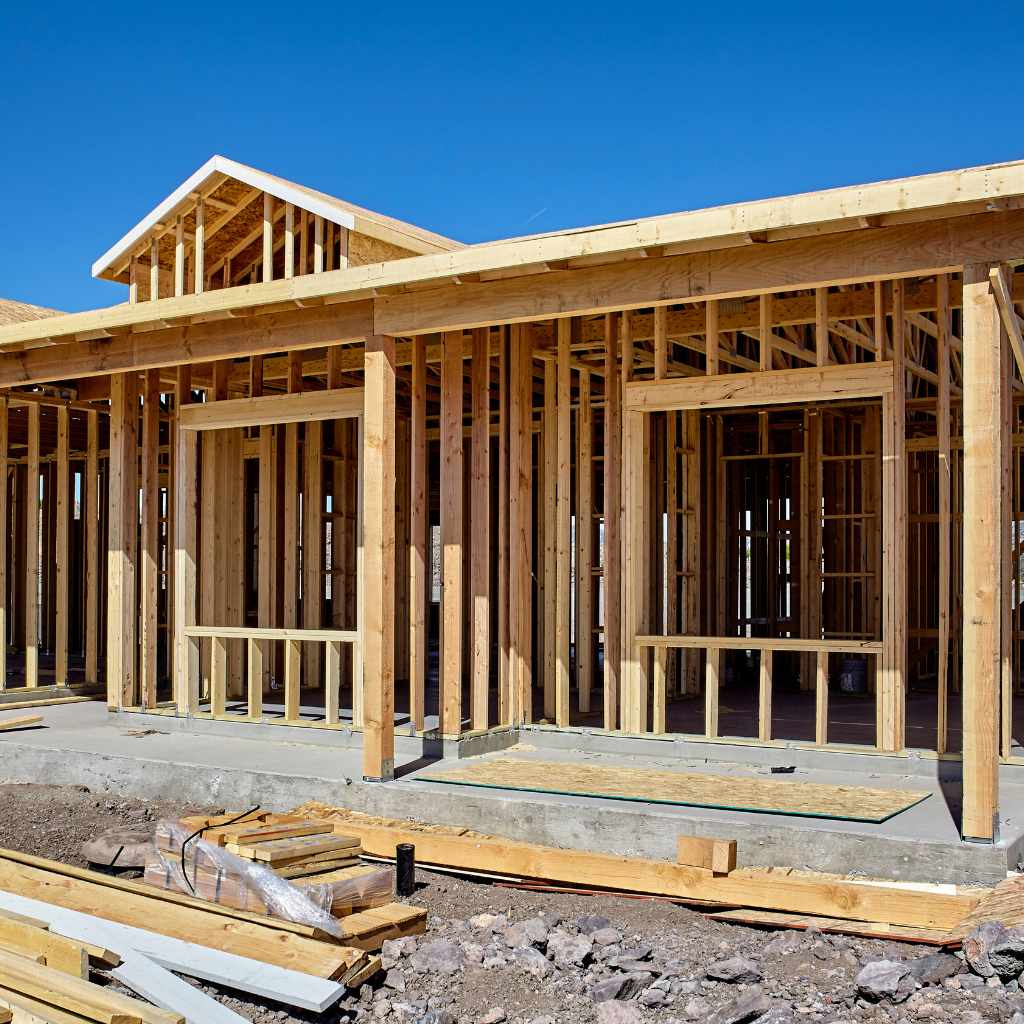
Metal framing costs $17–$32 per square foot installed versus $11–$25 for wood — wood wins on upfront price, but metal’s resistance to rot, fire, and termites can erase that gap over a 20+ year lifespan. Choosing wood where local termite or fire risk is high often means costly repairs later. This guide breaks down material and labor costs, long-term maintenance, and which project types actually save money with each framing type.
| Cost Factor | Wood Framing | Metal Framing |
|---|---|---|
| Materials only | $5–$10 / sq ft | $2–$4 / sq ft |
| Labor only | $8–$12 / sq ft | $9–$14 / sq ft |
| Total installed | $11–$25 / sq ft | $17–$32 / sq ft |
| Best for | Standard homes, budget-driven builds | Fire/termite-prone sites, long hold periods |
📊 Metal framing typically runs 20–30% higher than wood on total installed cost, even though raw steel material is often cheaper than lumber — labor and specialized tooling make up the difference. Source: HomeGuide Metal Stud Framing Cost Data, 2026
Cost Comparison Basics
Best Framing Nailer Pick
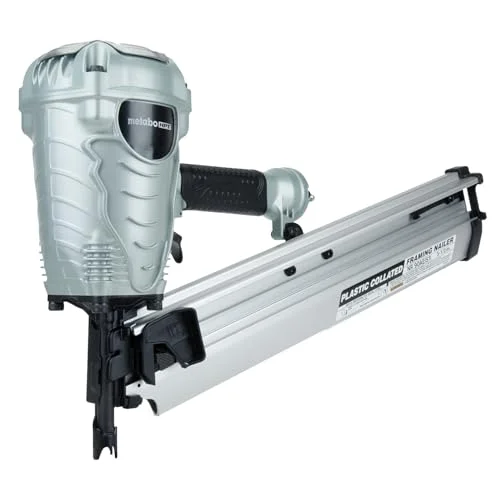 |
Metabo HPT NR90AES1 Framing Nailer – $159.00 Wood framing uses simpler, cheaper tools than metal — as the Equipment Needs section above notes — and a dependable pneumatic framing nailer is the core tool investment for most wood-framing jobs.
|
Understanding the cost basics helps decide between metal and wood framing. Each type has unique expenses that affect the budget. Breaking down these costs shows which option suits your needs best.
Initial Material Costs
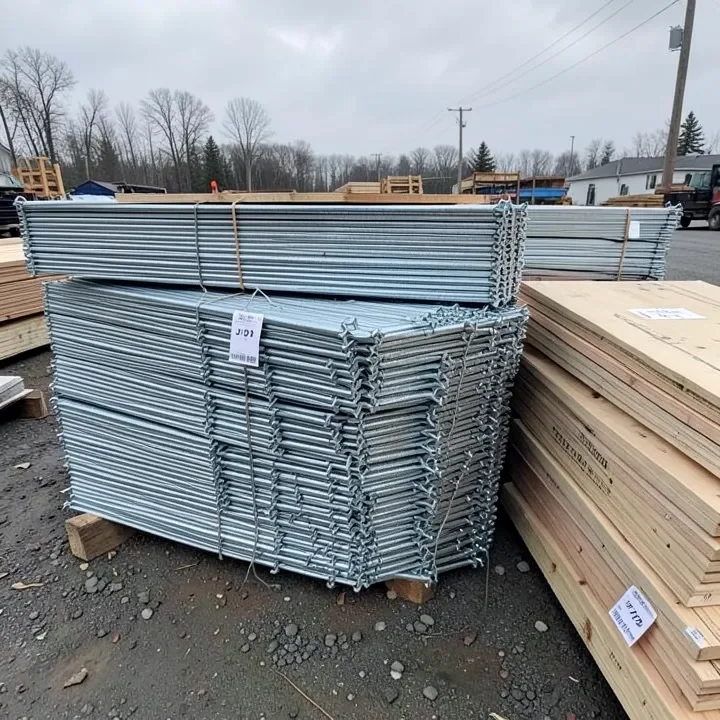
Dimensional lumber for a typical stick-framed wall runs roughly $5–$10 per square foot in materials. Cold-formed steel studs and track run $2–$4 per square foot — steel is often cheaper on raw material alone, but that advantage disappears once labor is added (see the table above). Supply and demand swings affect both prices, so budgeting for materials depends on project size and current market conditions.
Labor Expenses
Wood framing needs less specialized skills for builders, which usually keeps labor around $8–$12 per square foot. Metal framing requires workers trained in cold-formed steel layout and screw-gun assembly, pushing labor to roughly $9–$14 per square foot. Local wage rates and crew availability shift both numbers.
Long-term Maintenance
Wood framing may need regular treatments to avoid rot and pests. These maintenance tasks add ongoing costs. Metal framing resists pests and does not rot easily, so it needs less frequent maintenance over time. Choosing metal can reduce long-term repair expenses, which is what closes the upfront price gap shown in the table above.
Material Price Trends
Material price trends play a big role in deciding between metal and wood framing. Costs change over time, and these changes affect building budgets and project plans. Understanding price trends helps choose the best material for your needs.
Both metal and wood prices rise and fall based on supply, demand, and global events.
Metal Price Fluctuations
Metal prices often change due to global markets. Raw materials like steel and aluminum face supply chain issues, and political events or tariffs can also affect costs. Prices may rise quickly or drop suddenly, so builders should watch metal price trends closely and compare quotes before locking in a bid.
Wood Market Variability
Wood prices depend on forest supply and weather. Storms and pests reduce available timber, which can cause wood prices to spike. Local regulations and transportation costs impact wood prices too — sometimes wood is cheaper than metal, other times it costs more, so tracking wood market trends before ordering helps avoid budget surprises.
Labor And Installation
Labor and installation costs play a big role in deciding if metal framing is cheaper than wood. These costs depend on the skill level needed, how fast the work goes, and the tools required. Understanding these factors helps you see the true cost of each option.
Skill Requirements
Metal framing needs workers with special skills. Cutting and joining metal panels require accuracy. Wood framing uses more common skills that many builders already know, which can lower labor costs for wood projects.
Installation Speed
Metal framing often takes more time to install — the precision needed slows down the process. Wood framing is usually quicker to put up, and faster work means less labor cost overall.
Equipment Needs
Metal framing needs special tools like metal cutters, screw guns, and layout lasers, which can cost more. Wood framing uses simpler, cheaper tools — mainly a circular saw and a pneumatic framing nailer like the one above — giving wood an equipment-cost advantage on most residential jobs.
Durability And Lifespan
Durability and lifespan are key factors when choosing between metal and wood framing. Both materials have strengths and weaknesses that affect how long a structure will last. Understanding these differences helps in making a cost-effective choice.
Resistance To Pests And Fire
Metal framing resists pests like termites and rodents better than wood. Wood can be damaged or eaten by these pests, leading to costly repairs. Metal also does not burn, offering stronger fire resistance — wood is flammable and needs treatment to slow fire spread, making metal safer in fire-prone areas.
Weather Impact
Wood can warp, crack, or rot in wet or humid climates. It absorbs moisture, which weakens its structure over time. Metal framing withstands rain, snow, and humidity without damage, keeping its shape and strength in harsh weather.
Repair Costs
Wood frames may need frequent repairs due to pests and weather damage. Fixing or replacing wood parts can add to overall expenses. Metal frames require less maintenance and rarely need repairs, which lowers long-term repair costs.
Energy Efficiency And Insulation
Energy efficiency and insulation play a big role in choosing between metal and wood framing. They affect how well your home keeps heat in winter and stays cool in summer, which impacts comfort and energy bills.
Thermal Performance
Wood framing naturally resists heat flow and works well as a thermal barrier. Metal conducts heat quickly, which means metal framing can cause heat loss or gain faster than wood unless builders add proper insulation to keep indoor temperatures stable.
Cost Savings Over Time
Wood framing can lower heating and cooling expenses due to its natural insulation. Metal framing may increase energy costs unless well insulated — adding insulation raises upfront costs but can save money over time, so choosing the right insulation type matters for both materials.
Environmental Considerations
Environmental factors play a key role in choosing between metal and wood framing. Both materials impact nature differently, and understanding these effects helps make a smart choice.
Sustainability Of Materials
Wood comes from trees, a natural resource that regrows. Sustainable forestry helps keep forests healthy and abundant, though cutting down trees can harm ecosystems if done poorly.
Metal, often made from steel or aluminum, is mined from the earth. Mining can cause land damage and pollution, though metals last longer and resist pests better than wood.
Choosing recycled or responsibly sourced metal reduces environmental harm. Wood from certified forests supports healthy tree growth. Both options have pros and cons for the planet.
Recycling And Waste
Metal framing has a strong advantage in recycling — metals can be melted and reused many times without losing quality, which lowers waste and reduces the need for new mining.
Wood waste can be harder to recycle fully. Some wood scraps become mulch or biomass fuel, while other pieces end up in landfills, where they decay and release gases.
Regional Cost Variations
Costs for metal framing and wood framing differ widely across regions. Local market conditions shape the price of materials and labor. Understanding these regional cost variations helps you choose the right framing option for your budget.
Availability Of Materials
Metal framing might be cheaper in areas with nearby steel mills — local supply reduces transportation costs and delivery time. Wood is often cheaper in regions with large forests and sawmills. Some locations import materials, adding to the cost, so it pays to check local suppliers before comparing.
Local Labor Rates
Labor costs vary by region and skill level. Metal framing requires workers skilled in welding and metal cutting, who can be costly in some areas. Wood framing needs carpentry skills that are usually more common locally. Always consider both labor and material costs together.
Project Type Impact
The type of project affects whether metal framing is cheaper than wood. Different buildings need different materials, and costs change based on the use and design.
Residential Buildings
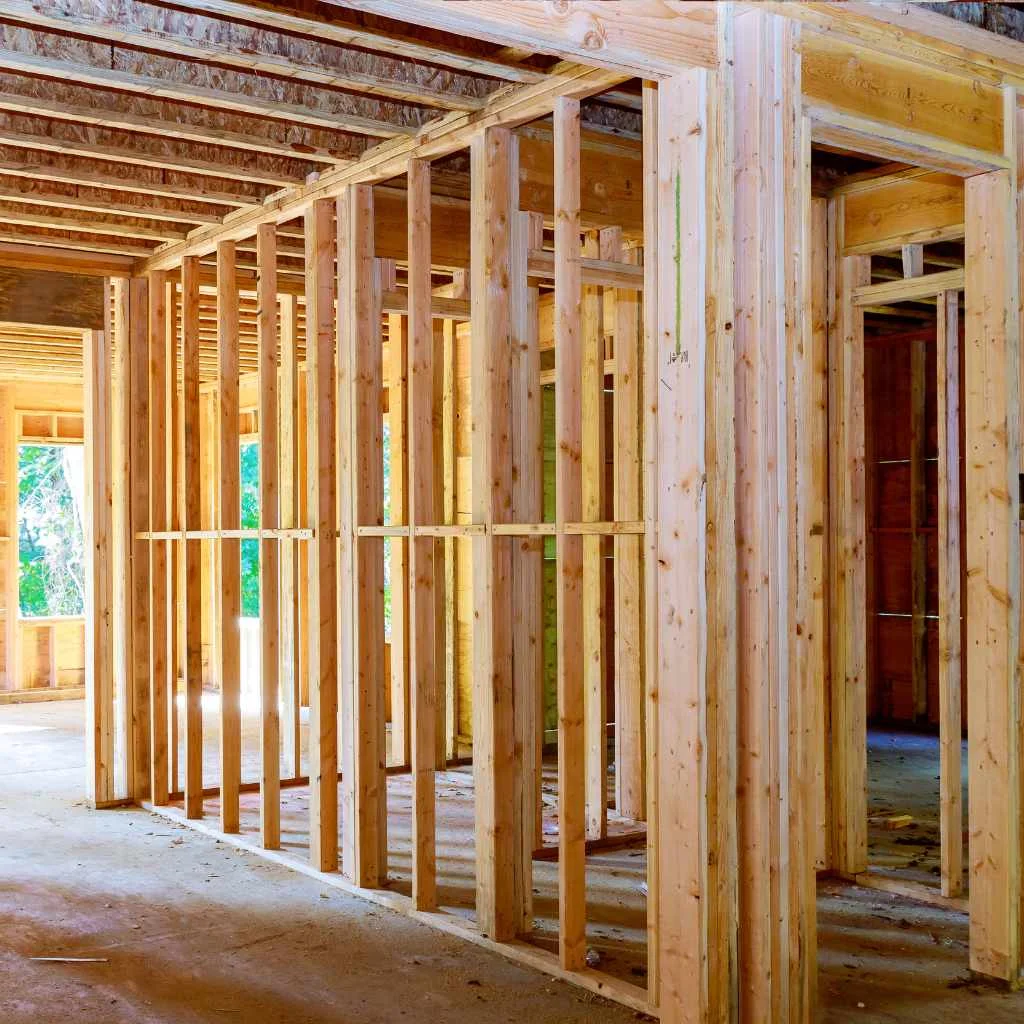
Wood framing is common in homes — it is easy to work with and widely available. Metal framing costs more upfront for houses, but it lasts longer and needs less repair. For simple homes, wood often costs less; for durability, metal can save money over time. Our dedicated metal studs vs. wood studs cost breakdown covers residential wall framing in more depth.
Commercial Structures
Metal framing is popular in commercial buildings — it is strong and supports large spaces well. Metal resists fire and pests better than wood. Wood can be cheaper for small shops or offices, but for big buildings, metal usually lowers maintenance costs.
Custom Designs
Unique designs can change cost differences. Metal bends and shapes easily for special forms, so custom metal framing can be faster to install. Wood may limit complex shapes and need more labor, though it might be cheaper for simple custom projects. For garages, workshops, and standalone structures specifically, see our metal buildings vs. wood buildings cost guide.
Frequently Asked Questions
Is Metal Framing More Cost-effective Than Wood Framing?
Metal framing often costs more upfront but saves money long-term. It resists pests, fire, and warping, reducing maintenance expenses over time compared to wood.
How Does Metal Framing Affect Overall Construction Costs?
Metal framing can speed up construction due to pre-fabrication. This reduces labor costs and project duration, potentially lowering total building expenses despite higher material prices.
Are There Hidden Costs With Metal Framing Versus Wood?
Metal framing may require specialized tools and expertise, increasing initial costs. However, it reduces costs related to repairs, pest control, and insurance compared to wood framing.
Which Framing Material Offers Better Durability, Metal Or Wood?
Metal framing is more durable than wood. It resists rot, insects, and fire, providing a longer-lasting structure with fewer repairs and replacements needed over time.
Conclusion
Metal framing can cost less or more than wood, depending on many factors. Wood is often cheaper upfront ($11–$25/sq ft installed) but may need more maintenance. Metal ($17–$32/sq ft installed) can last longer and resist pests and fire better. Think about your project needs, budget, and local prices.
Choose the material that fits your situation best — both have pros and cons worth considering. The right choice helps save money and build strong structures.
Sponsored / affiliate links. As an Amazon Associate I earn from qualifying purchases. I may earn additional commission from eligible campaigns.