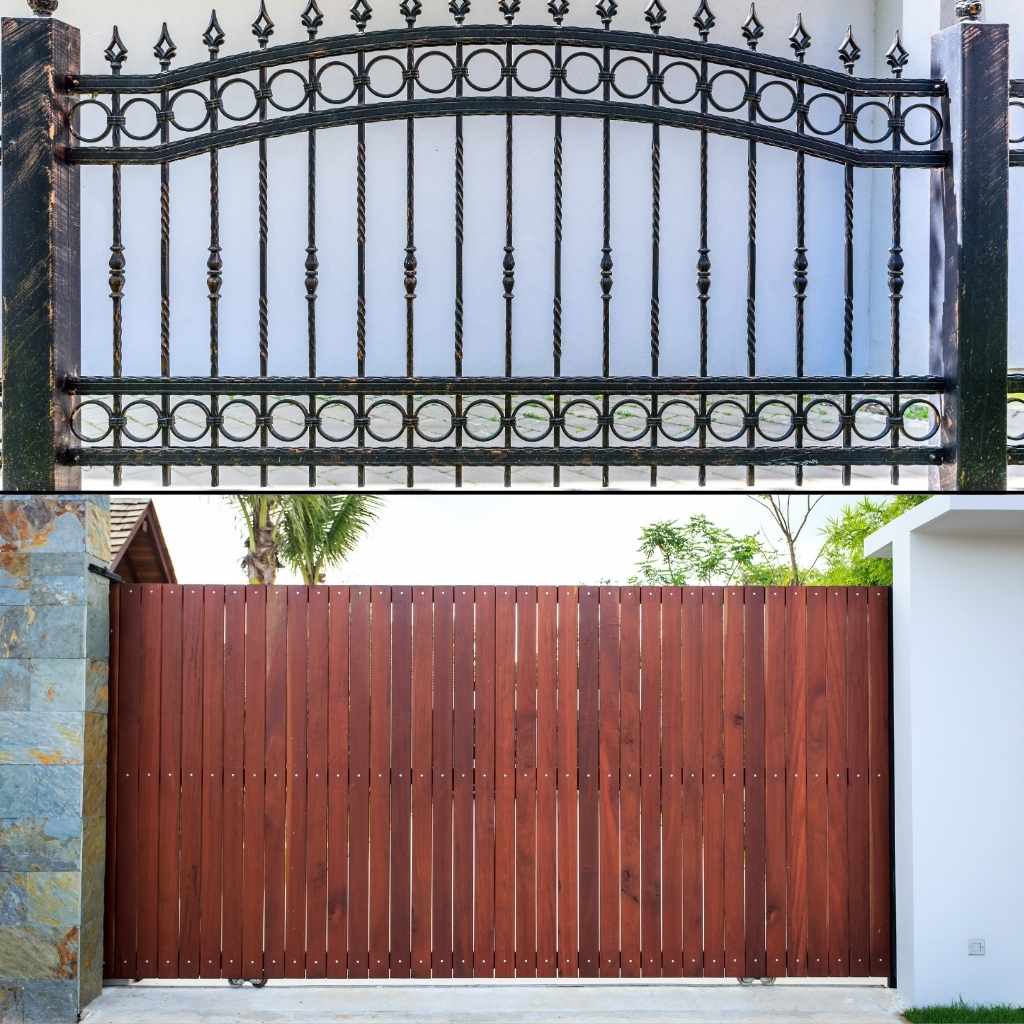
Metal and Wood Gate Ideas For Stylish Outdoors
Looking for the perfect gate to make your outdoor space look amazing? You might be searching for Metal and Wood Gate Ideas for Stylish Outdoors, and it can seem a bit tricky to know where to start. There are so many choices, and you want something that looks great and lasts.
Don’t worry, we’re going to break it down super simply, step by step, so you can create that stylish entryway you’ve been dreaming of. Let’s explore some fantastic options together.
Creating Your Dream Outdoor Entrance
Your gate is more than just an entrance; it’s the first impression of your home. It sets the tone for your entire property and can instantly boost curb appeal. Combining metal and wood offers a fantastic blend of strength, beauty, and versatility.
This pairing allows for a wide range of styles, from rustic charm to modern sleekness, fitting almost any aesthetic. Whether you’re looking to add security, privacy, or simply a touch of elegance, metal and wood gates provide an excellent solution. They are a popular choice because they offer durability from the metal components and warmth and natural beauty from the wood elements.
Why Metal and Wood Work So Well Together
The magic of combining metal and wood lies in their contrasting yet complementary properties. Metal, like wrought iron or steel, provides a strong, enduring framework. It can be shaped into intricate designs or kept simple and geometric.
Wood, on the other hand, brings a natural, organic feel. It softens the industrial look of metal and adds a welcoming warmth. Together, they create a balanced aesthetic that is both visually appealing and highly functional.
Consider the different types of metal and wood you can use:
- Metals: Wrought iron, steel, aluminum, stainless steel. Each offers a different look and level of maintenance. Wrought iron can be ornate, steel is strong and modern, aluminum is lightweight and rust-resistant, and stainless steel offers a high-end, contemporary finish.
- Woods: Cedar, redwood, oak, pine, teak. Cedar and redwood are naturally resistant to rot and insects, making them excellent choices for outdoor use. Oak is strong and beautiful, pine is a more budget-friendly option, and teak is a premium hardwood known for its durability and rich color.
Popular Design Styles
The possibilities for metal and wood gates are nearly endless, allowing you to match your home’s architecture and your personal style. Here are some popular design concepts:
Rustic Charm
For a cozy, country feel, rustic designs are perfect. This style often features rough-hewn wood planks paired with hand-forged or distressed metal accents. Think of weathered wood, dark iron scrollwork, or simple, sturdy metal posts.
These gates often have a slightly imperfect, handmade look that adds to their charm.
- Wood: Reclaimed wood or unfinished cedar planks work well.
- Metal: Black wrought iron, often with simple curves or straight bars.
- Details: Hand-hammered rivets, strap hinges, or even decorative metal cutouts of natural elements like leaves or animals.
Modern Minimalism
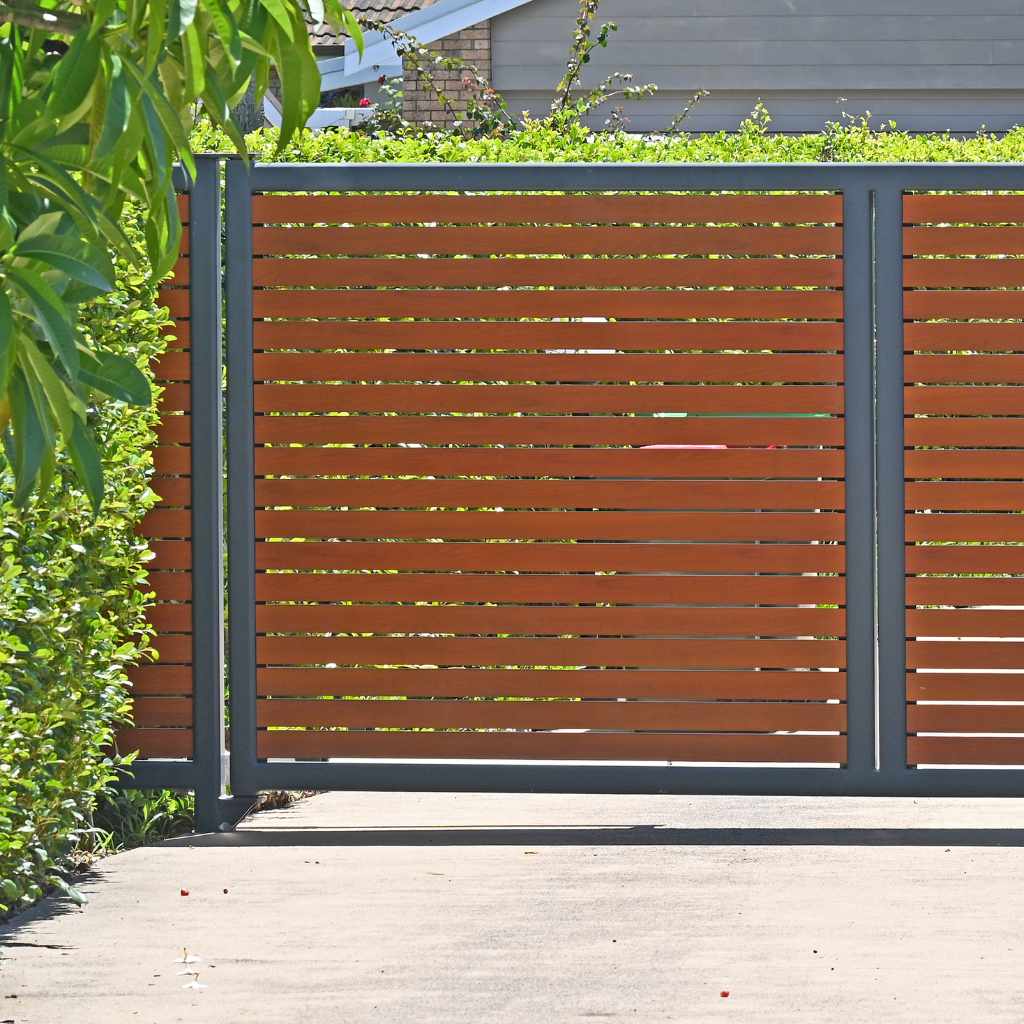
If your home has a contemporary design, a modern minimalist gate will complement it beautifully. This style emphasizes clean lines, geometric shapes, and smooth finishes. You might see sleek horizontal wood slats set within a clean metal frame, or vice versa.
The focus is on simplicity and understated elegance.
- Wood: Smoothly finished cedar, redwood, or even composite wood materials in neutral tones like gray or dark brown.
- Metal: Powder-coated steel or aluminum in black, white, or brushed nickel.
- Details: Minimal hardware, hidden hinges, and precise, straight cuts.
Industrial Chic
This style blends the raw appeal of metal with the warmth of wood. It’s often characterized by exposed metal structures, bold lines, and the natural grain of the wood. Think of a sturdy steel frame with vertical wood inserts, or a mix of wide metal bands and wood panels.
This style is strong, stylish, and makes a statement.
- Wood: Dark-stained oak or treated pine that can withstand the elements.
- Metal: Raw steel, galvanized steel, or dark bronze metal.
- Details: Exposed bolts, chunky hardware, and a focus on the strength of the materials.
Traditional Elegance
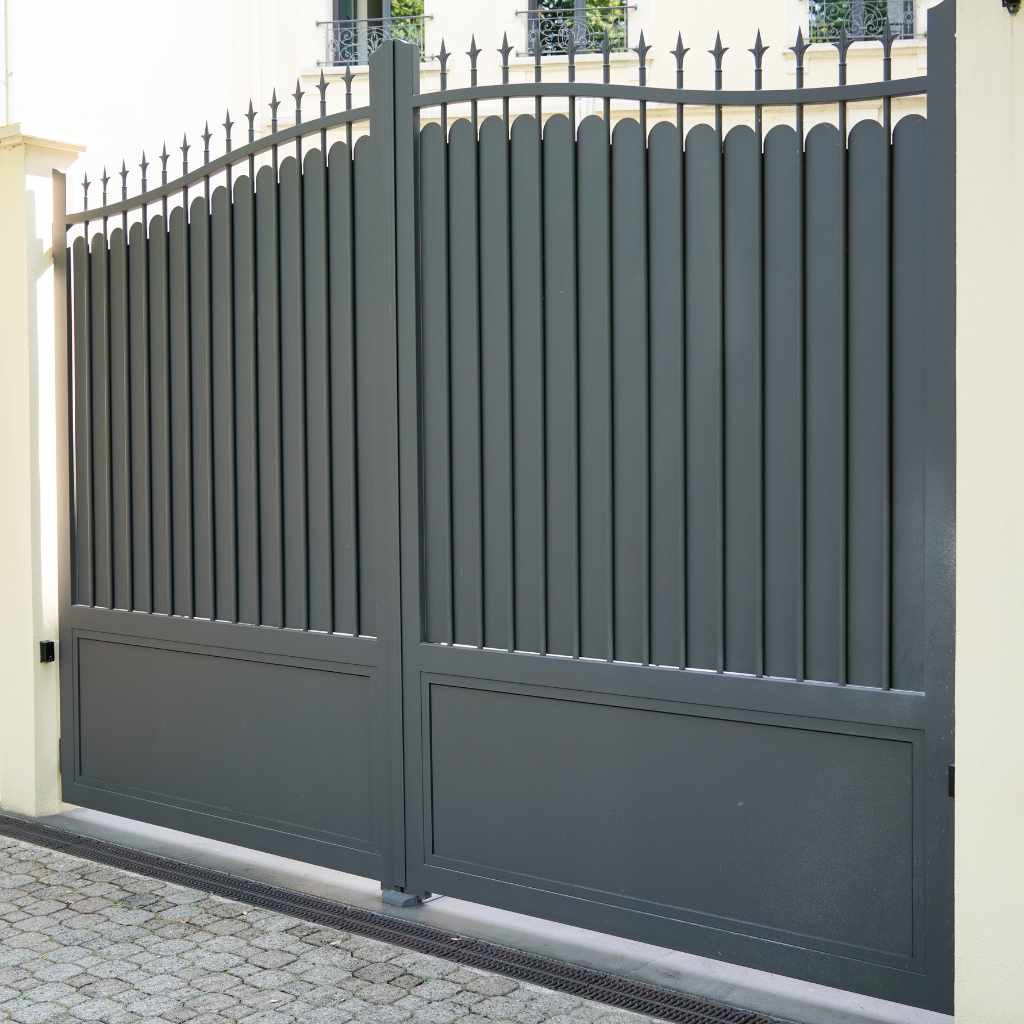
For a classic and timeless look, traditional gates combine intricate metalwork with natural wood. This could mean a wrought iron gate with decorative scrollwork or finials, interspersed with solid wood panels or pickets. It offers a sophisticated and inviting entrance.
- Wood: Smoothly finished hardwoods like oak or mahogany for a refined look.
- Metal: Black or dark bronze wrought iron, often with intricate patterns.
- Details: Decorative finials, elegant curves, and well-crafted joinery.
Choosing Your Gate Type and Configuration
Beyond the style, you also need to consider the type of gate and how it will function in your space. The two main types are swing gates and sliding gates.
Swing Gates
These are the most common type. They open inwards or outwards, much like a door. They can be single or double gates, depending on the width of your opening.
- Single Swing Gate: Best for narrower openings or when you need a more focused entrance.
- Double Swing Gate: Ideal for wider driveways or garden paths, creating a grander entrance.
When planning for swing gates, ensure you have enough clear space for them to open fully without obstruction from plants, walls, or other features.
Sliding Gates
Sliding gates move horizontally along a track. They are an excellent option for sloped driveways or when you have limited space for a swing gate to open. They can also offer a more modern and secure feel.
- Mechanism: Sliding gates require a track along the ground and a sturdy mechanism for movement. They can be automated for convenience.
- Space Saving: Ideal for properties where swing gates would be impractical.
Key Considerations for Longevity and Style
To ensure your metal and wood gate not only looks great but also lasts for years, there are a few important things to keep in mind.
Material Selection
As mentioned earlier, the type of wood and metal you choose significantly impacts the gate’s appearance, durability, and maintenance needs.
- Wood Treatment: Always opt for weather-resistant woods and ensure they are properly sealed or treated for outdoor exposure. Regular reapplication of sealants or stains will protect the wood from sun, rain, and insects.
- Metal Finishes: Powder coating is a popular choice for metal gates as it provides a durable, attractive finish that protects against rust and corrosion. Galvanized steel also offers excellent protection.
Hardware and Fixtures
The hinges, latches, and other hardware play a crucial role in both the function and the look of your gate. Choose hardware that complements your chosen style and is made from durable, rust-resistant materials.
| Hardware Type | Material Options | Style Suitability |
|---|---|---|
| Hinges | Wrought Iron, Stainless Steel, Galvanized Steel | Ornate, Modern, Industrial |
| Latches | Black Iron, Brushed Nickel, Stainless Steel | Rustic, Modern, Traditional |
| Decorative Accents | Wrought Iron, Steel, Aluminum | All Styles |
Size and Proportion
The scale of your gate should be in proportion to your property. A large estate might need a grand, imposing gate, while a smaller home might benefit from a more delicate, proportionate design. Measure your opening accurately to ensure a perfect fit.
Privacy and Security
Consider how much privacy and security you need. Gates with closely spaced vertical wood slats or solid panels will offer more privacy than those with wide gaps or intricate metalwork. The strength of the metal frame will contribute to the overall security of the gate.
Maintenance Tips
Regular maintenance will keep your metal and wood gate looking its best and extend its lifespan.
- Wood: Clean the wood periodically with mild soap and water. Reapply sealant or stain as needed, typically every 1-3 years, depending on your climate and the product used.
- Metal: Wipe down metal components to remove dirt and debris. For any signs of rust on unpainted metal, sand the area and apply a rust-inhibiting primer and paint. For powder-coated surfaces, gentle cleaning is usually sufficient.
- Hardware: Lubricate hinges and latches occasionally to ensure smooth operation.
Where to Find Inspiration and Materials
Getting inspired is often the first step. You can find great ideas from various sources.
- Online Galleries: Websites like Pinterest, Houzz, and even manufacturer catalogs are full of stunning examples.
- Local Garden Centers and Nurseries: They often display gate options or can connect you with local fabricators.
- Architectural Salvage Yards: You might find unique vintage metal pieces or reclaimed wood that can be incorporated into your design.
- Custom Fabricators: For a truly unique gate, consider working with a local metalworker or carpenter who can bring your specific vision to life.
Frequently Asked Questions
Question: How do I choose between a swing gate and a sliding gate?
Answer: Consider the slope of your property and the available space for the gate to open. If you have a level area and enough space for inward or outward swing, a swing gate is a classic choice. If your driveway is sloped or space is tight, a sliding gate is often more practical.
Question: What is the best type of wood for an outdoor gate?
Answer: Naturally rot and insect-resistant woods like cedar, redwood, and teak are excellent choices. If you’re on a budget, treated pine can also be a good option when properly sealed and maintained.
Question: How often should I seal or stain my wooden gate?
Answer: This depends on your climate and the type of sealant used. Generally, you’ll need to reapply sealant or stain every 1-3 years to keep the wood protected from the elements.
Question: Can I mix different types of wood and metal?
Answer: Absolutely. Mixing materials is part of what makes metal and wood gates so versatile and stylish. Just ensure the woods are suited for outdoor use and the metals are treated or finished to prevent rust.
Question: Are metal and wood gates difficult to maintain?
Answer: With the right materials and regular care, they are quite manageable. Basic cleaning and periodic sealing of the wood, along with checking hardware, are the main tasks. The durability of the metal means it requires less frequent attention.
Final Thoughts
Creating an inviting and stylish outdoor entrance with a metal and wood gate is achievable by focusing on the right materials and design that fits your property. Exploring different wood types like cedar or redwood for their natural beauty and durability, alongside metals such as wrought iron or steel for strength, allows for a gate that is both functional and visually appealing. The key is to balance these elements to achieve the look you desire, whether it’s rustic, modern, or traditional.
Pay attention to the details, like the hardware, and consider how the gate’s size and style will complement your home and landscape. Don’t forget that regular maintenance, like sealing the wood and cleaning the metal, will ensure your gate remains a beautiful feature for years to come. Start by gathering inspiration, and then make choices that will result in a gate you’ll be proud of every time you arrive home.