Can Sheet Metal Screws Be Used in Wood? What Changes
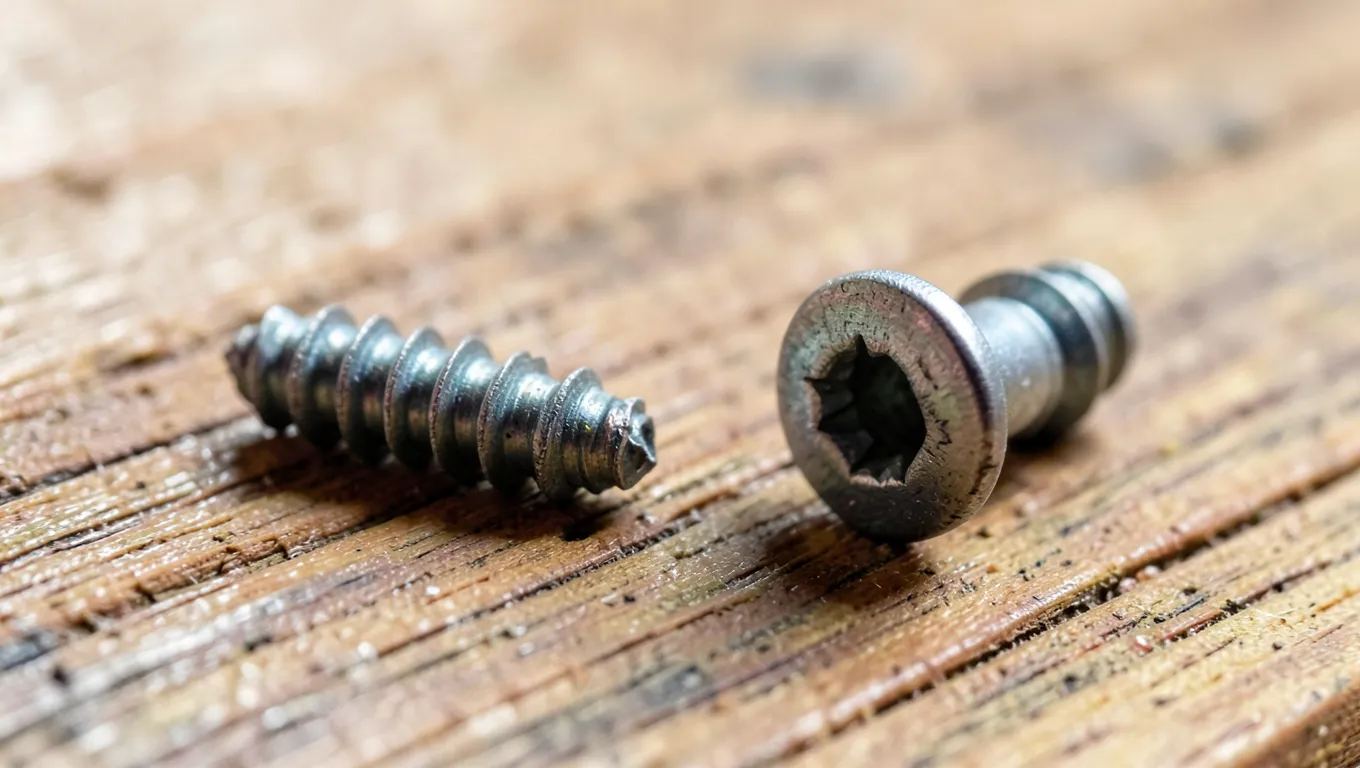
Yes, sheet metal screws can be driven into wood, but they’re a compromise, not a first choice. They lack the smooth shank that lets a wood screw pull two boards tightly together, and their full-length threads are far more likely to split wood – especially hardwood or near an edge – without a pilot hole drilled first.
They’ll hold in a pinch, and for light-duty or temporary work they’re genuinely fine. Here’s exactly what’s different about how they grip wood, when that difference actually matters, and how to use them properly if a sheet metal screw is what you’ve got on hand.
What Actually Makes These Two Screws Different
Better Choice Than a Sheet Metal Screw
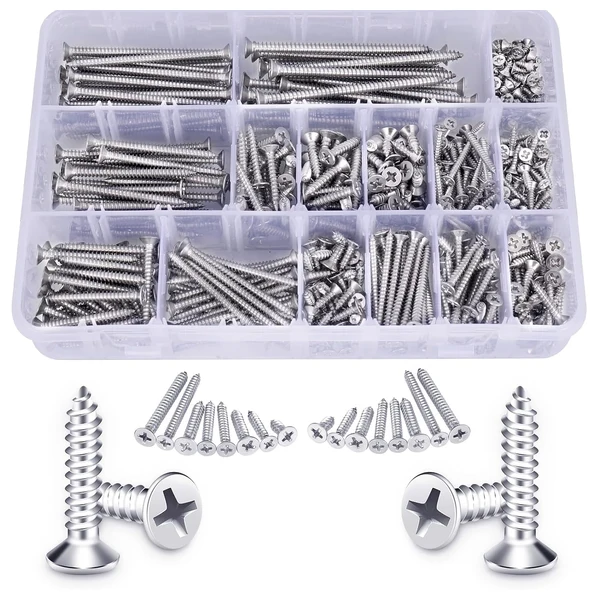 |
Stainless Steel Wood Screw Assortment Kit, 520 pcs – $18.95 Covers the #4-#10 sizes and 1/4″ to 3″ lengths most wood joints need, so you’re not reaching for a sheet metal screw out of convenience.
|
The difference isn’t marketing – it’s in the thread geometry, and it changes how each screw behaves once it’s in wood.
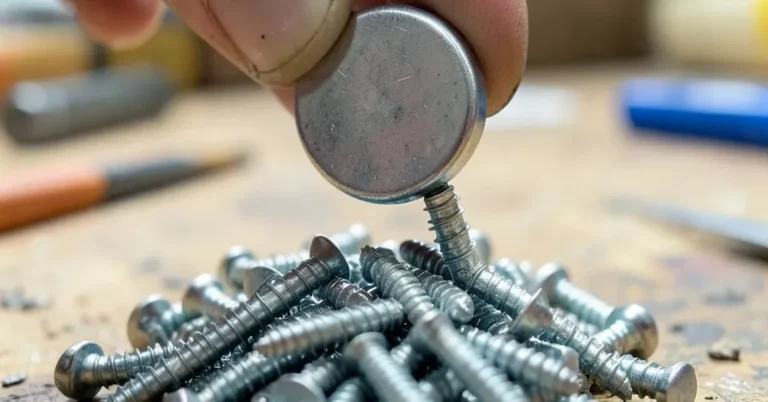
A sheet metal screw has sharp, deep threads that run the full length of the shaft, right up to the head. That’s exactly what you want in thin metal: full thread engagement even in a material that might only be a millimeter or two thick. In wood, though, threads running all the way to the head mean the screw grips the top piece of wood just as hard as the bottom piece – so instead of pulling the two pieces together as it tightens, it just spins in place once it’s seated. There’s also no unthreaded shank to flex slightly and keep tension on the joint.
A wood screw solves both problems on purpose. The threads are coarser and spaced further apart, which grips wood fibers (a much softer, more compressible material than sheet metal) more effectively per thread. And a smooth shank near the head means the top piece of wood isn’t threaded at all – the screw pulls it down tight against the piece underneath as it’s driven, which is the actual mechanism behind a strong wood-to-wood joint.
Self-Tapping vs. Self-Drilling: A Distinction Worth Knowing
Not all sheet metal screws are the same, and the difference matters if you’re deciding whether one will work in wood. Self-tapping sheet metal screws have a sharp point and cut their own mating threads as they’re driven – these are the type most people mean by “sheet metal screw,” and they behave reasonably predictably in wood with a pilot hole. Self-drilling screws go a step further: they have a drill-bit-shaped tip specifically designed to bore through sheet metal without any pre-drilling at all. That drill-point tip is optimized for shearing through thin metal, not for wood fiber, and it tends to chew and tear wood grain rather than piercing it cleanly – avoid self-drilling screws for wood entirely, even with a pilot hole.
When a Sheet Metal Screw Is a Reasonable Choice in Wood
- Attaching metal hardware to wood – brackets, hinges, or metal straps where the screw needs to grip the wood side while its full thread length engages the metal side. This is arguably their best wood-adjacent use.
- Softwoods like pine or fir, where the fibers compress enough that the lack of a shank matters less.
- Thin panels or veneer being fastened to a thicker backing, where you’re not relying on major clamping force.
- You genuinely don’t have a wood screw on hand and the application isn’t structural.
Using Sheet Metal Screws in Wood the Right Way
Pilot Hole Sizes by Screw Gauge
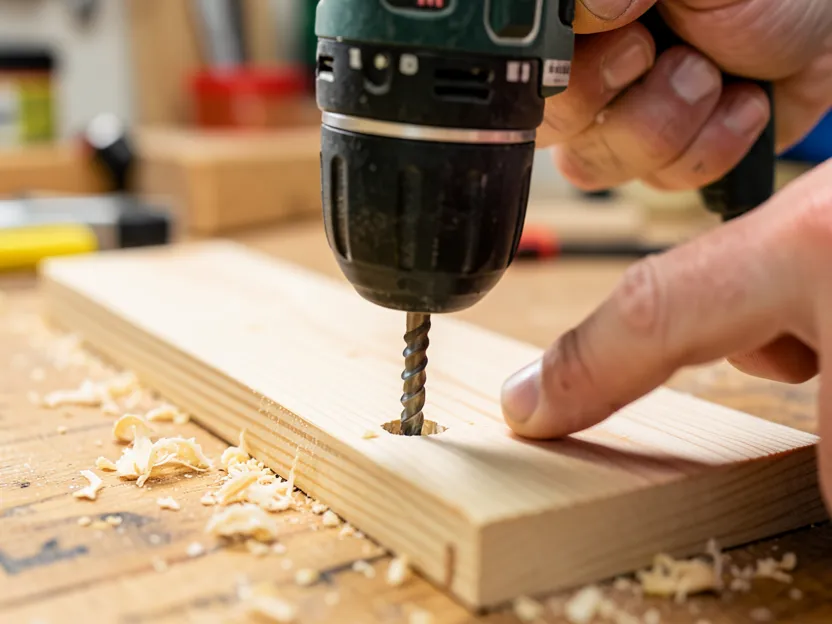
Pilot holes aren’t optional here – skip one and the odds of splitting the wood go up sharply, especially in hardwood or near an edge. Size the bit to the screw’s minor diameter (the diameter at the base of the threads, not across the threads themselves):
| Screw Gauge | Pilot Bit – Softwood | Pilot Bit – Hardwood |
|---|---|---|
| #6 | 3/32″ | 7/64″ |
| #8 | 7/64″ | 1/8″ |
| #10 | 1/8″ | 9/64″ |
| #12 | 9/64″ | 5/32″ |
Drill the pilot hole slightly shallower than the screw’s final penetration depth so the threads still have fresh wood to bite into at the very tip, and countersink separately if you want the head to sit flush.
Driving the Screw
- Match the driver bit exactly to the screw head – the hardened heads on sheet metal screws strip more easily under a loose-fitting bit than a standard wood screw does.
- Start the screw straight and drive slowly at first, letting the threads catch before applying full driver speed.
- Stop as soon as the head seats flush or countersunk and the pieces feel snug – because there’s no shank to keep pulling once the threads are fully engaged, overtightening here strips the hole rather than tightening the joint further.
- If a hole does strip out, back the screw out, fill it with a glued wood plug or toothpicks, let it dry, and re-drive – don’t just size up to a bigger screw in the same stripped hole, since it usually strips again faster.
When to Use Something Else Instead
- Structural work – framing, deck railings, load-bearing shelving. Use screws rated for structural wood applications; a sheet metal screw’s lack of shear-rated engineering here is a real safety gap, not just a durability preference.
- Cabinetry and furniture – cabinet screws have a wide bearing head designed specifically to resist pull-through in particleboard and MDF, which a sheet metal screw’s head shape doesn’t address.
- Anything outdoors – even a stainless sheet metal screw doesn’t match a dedicated deck or exterior wood screw’s coating and thread design for repeated wet/dry cycling.
- Dense hardwood joints under real load – the aggressive full-length thread is more prone to snapping the screw itself in oak or maple than a wood screw’s more moderate thread would be.
One thing sheet metal screws should never be substituted with (or for) is a drywall screw – drywall screws are hardened but brittle, and can snap under the lateral stress of a real wood joint even though they look similar and are just as cheap.
Frequently Asked Questions
Will sheet metal screws make a wood joint weak?
For light-duty work, not meaningfully. For anything structural or under real stress, yes – the lack of a pull-down shank and their thinner shear rating compared to structural or wood-specific screws makes them a genuinely weaker choice for load-bearing joints.
What’s the difference between self-tapping and self-drilling sheet metal screws for wood?
Self-tapping screws have a sharp point and cut their own mating threads, and work reasonably well in wood with a pilot hole. Self-drilling screws have a drill-bit-shaped tip built to bore through metal without pre-drilling, and that tip tears wood grain rather than piercing it cleanly – avoid these in wood even with a pilot hole.
Can sheet metal screws be used outdoors in wood?
Stainless sheet metal screws can survive outdoor exposure, but a dedicated deck or exterior wood screw is still the better choice – its thread and coating are engineered specifically for repeated wet-dry cycling in wood, which a sheet metal screw’s design doesn’t account for.
What size pilot hole do I need for a sheet metal screw in wood?
Match the bit to the screw’s minor diameter (the shaft diameter at the base of the threads), sized slightly smaller for softwood and slightly larger for hardwood. A #8 screw typically needs roughly a 7/64″ bit in softwood or 1/8″ in hardwood.
If you’re deciding between fastener types more broadly for a build, our wood screw weight limit calculator can help confirm a screw is actually rated for the load before you commit to it.
Sponsored / affiliate links. As an Amazon Associate I earn from qualifying purchases. I may earn additional commission from eligible campaigns.