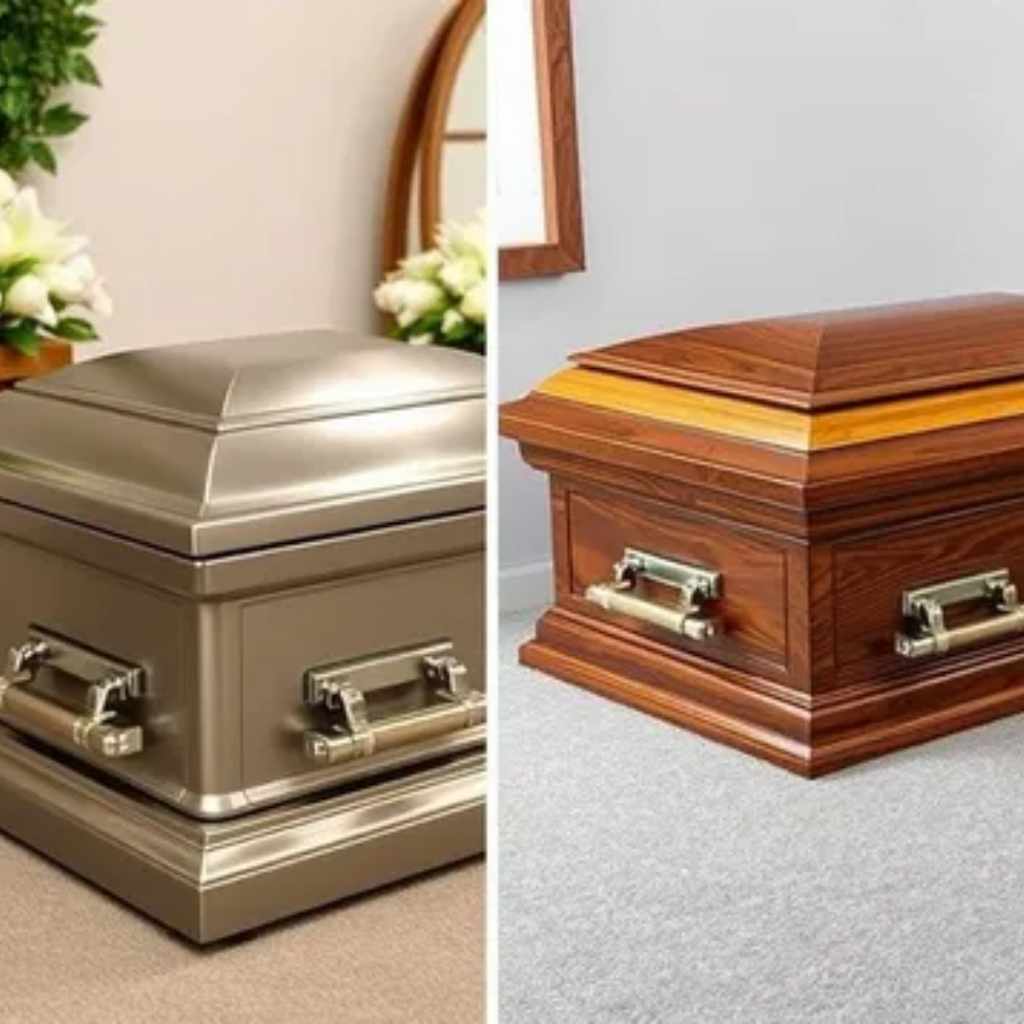
Metal Casket vs Wood Casket: Which Is Better?
Choosing a casket is a difficult decision, and many people wonder about the Metal Casket vs Wood Casket: Which Is Better? question. It can feel like a big choice, and figuring out the differences might seem tricky at first. But don’t worry, we’ll break it all down for you in a way that’s easy to follow.
We’ll help you see the pros and cons so you can feel confident about whatever you decide. Let’s explore what makes each type special and what they mean for you.
When planning for a funeral or making pre-arrangements, the choice of a casket is a significant one. Many families find themselves weighing the options between a metal casket and a wood casket. This is a common point of consideration, and understanding the distinctions can help make the decision process smoother.
This guide aims to provide clear information without unnecessary jargon, focusing on the key aspects that matter most when comparing a metal casket versus a wood casket. We want to ensure you have the facts needed to make a choice that feels right for your circumstances and preferences.
Understanding Casket Materials
Caskets are typically made from one of two main types of materials: metal or wood. Each offers a different look, feel, and set of characteristics. The choice between them often comes down to personal preference, budget, and sometimes, environmental considerations.
Metal Caskets
Metal caskets are a popular choice for several reasons. They are known for their durability and often offer a very polished appearance. The most common metals used are steel, stainless steel, and bronze.
Steel Caskets
Steel is a widely used material for caskets due to its strength and affordability. It comes in various gauges, with lower gauge numbers indicating thicker, stronger metal. Common finishes include painted enamel and brushed metal.
- Durability: Steel offers good protection and longevity.
- Affordability: Generally less expensive than stainless steel or bronze.
- Appearance: Can be finished in a wide range of colors and textures.
When considering steel, the gauge is an important factor. A 20-gauge steel casket is a common choice, offering a good balance of strength and cost. Thicker gauges like 18-gauge or even 16-gauge are available for increased sturdiness, often at a higher price point.
Stainless Steel Caskets
Stainless steel is a premium option. It is highly resistant to rust and corrosion, making it a very durable choice. The appearance is classic and elegant.
- Corrosion Resistance: Excellent protection against rust.
- Longevity: Built to last, maintaining its appearance over time.
- Aesthetic: Often has a sleek, timeless look.
Stainless steel caskets are typically more expensive than steel caskets but offer superior resistance to the elements, which can be a significant factor for some.
Bronze Caskets
Bronze is another high-end material. It is an alloy of copper and tin, known for its rich color and exceptional durability. Bronze is naturally resistant to corrosion and oxidation.
- Superior Durability: Highly resistant to corrosion and degradation.
- Rich Appearance: Distinctive, warm metallic hue.
- Premium Choice: Often considered one of the most luxurious options.
Bronze caskets are among the most expensive due to the cost of the material and its inherent qualities. They represent a very substantial and lasting choice.
Wood Caskets
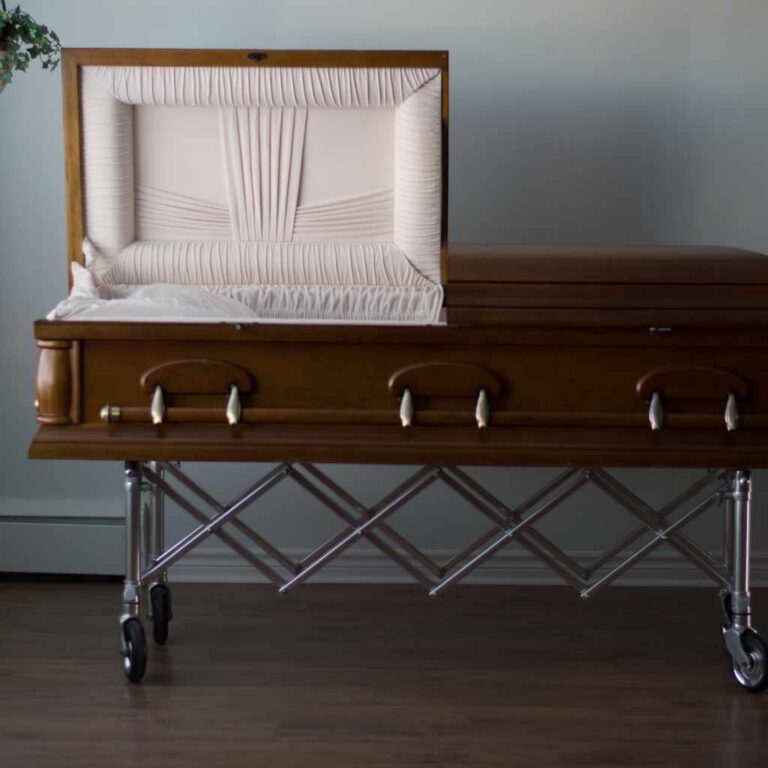
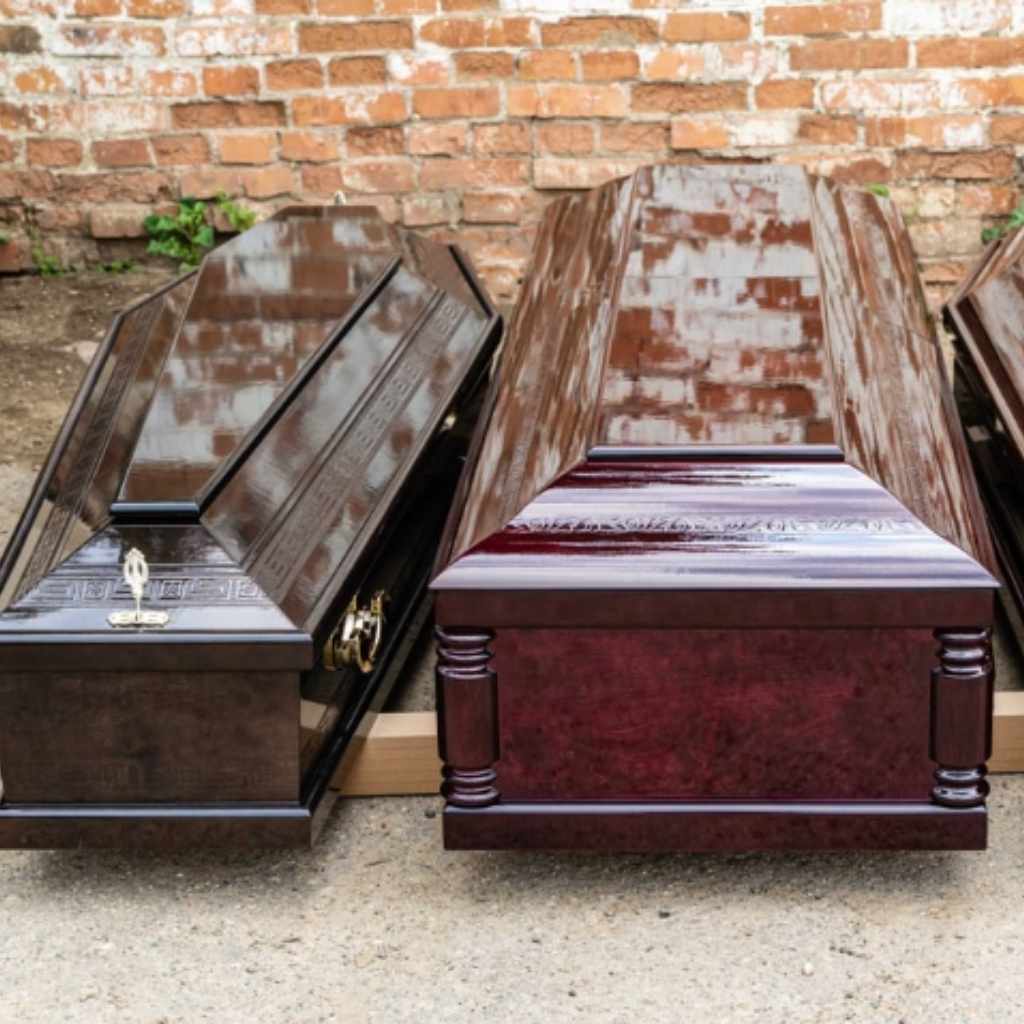
Wood caskets have a traditional and natural appeal. They are crafted from various types of wood, each offering unique grain patterns, colors, and durability characteristics.
Hardwood Caskets
Hardwood caskets are made from dense woods like oak, cherry, mahogany, and walnut. These woods are known for their strength and beautiful natural grains.
Oak Caskets
Oak is a very strong and popular hardwood. It has a distinctive grain and a warm, inviting color. Oak caskets are known for their solid construction and classic look.
- Strength: Oak is a very sturdy wood.
- Aesthetic: Features a prominent, attractive grain.
- Traditional Feel: A long-standing favorite for its classic appearance.
Oak caskets can vary in price depending on the specific cut and finish. They are often seen as a dignified and enduring choice.
Cherry Caskets
Cherry wood has a smooth, fine grain and a rich, reddish-brown color that deepens over time. It offers a warm and elegant look.
- Elegant Appearance: Smooth grain and beautiful natural color.
- Warm Tones: The wood develops a lovely patina.
- Good Durability: Offers solid protection.
Cherry caskets are a mid-to-high range option, appreciated for their natural beauty and refined appeal.
Mahogany Caskets
Mahogany is known for its deep, reddish-brown color, fine straight grain, and natural luster. It is a luxurious and classic wood choice.
- Luxurious Finish: Deep color and fine grain.
- High Durability: Known for its stability and strength.
- Premium Appeal: A very traditional and esteemed material.
Mahogany is a more expensive wood, reflecting its beauty and quality. It’s often chosen for its stately and timeless presence.
Walnut Caskets
Walnut wood is prized for its rich, dark brown color and often features beautiful swirling grain patterns. It is a sophisticated and high-quality wood.
- Rich Color: Deep, luxurious brown tones.
- Distinctive Grain: Often has unique and attractive patterns.
- High Status: A very high-end and respected wood choice.
Walnut caskets are among the most expensive wood options, offering a very refined and distinguished appearance.
Other Wood Options
Beyond the most common hardwoods, other wood types are sometimes used, including pine, poplar, and ash. These woods might be more economical or offer a different aesthetic.
Pine Caskets
Pine is a softer wood, typically less expensive than hardwoods. It has a lighter color and a more rustic look, often featuring knots and a visible grain.
- Cost-Effective: Generally more affordable than hardwoods.
- Natural Look: Offers a simpler, more rustic aesthetic.
- Lighter Color: A good option for those who prefer lighter wood tones.
Pine caskets are a good choice for those on a tighter budget or who prefer a less formal style.
Poplar Caskets
Poplar is a medium-density wood that can be stained to resemble more expensive hardwoods. It offers a balance between cost and appearance.
- Versatile: Can be finished to mimic other woods.
- Mid-Range Price: More affordable than premium hardwoods.
- Smooth Surface: Takes finishes well.
Poplar provides a practical option that can achieve a desired look without the highest cost.
Key Differences and Considerations
When comparing metal caskets and wood caskets, several factors come into play. These include durability, appearance, cost, and environmental impact.
Durability and Protection
Metal caskets, particularly stainless steel and bronze, are often considered more durable and resistant to external factors like moisture and ground shift. Steel offers good strength, while bronze and stainless steel provide superior resistance to corrosion.
Wood caskets are strong, but their durability can be influenced by the type of wood and the sealant used. Hardwoods are generally more robust than softwoods. Over time, wood can be more susceptible to moisture and decomposition compared to high-quality metals.
Appearance and Aesthetics
Metal caskets typically have a sleek, polished, and modern look. They can be finished in a variety of colors and textures. Stainless steel and bronze offer a classic metallic sheen.
Wood caskets offer a natural, warm, and traditional aesthetic. The beauty of the wood grain is a key feature, providing a more organic and sometimes personalized look. The specific wood chosen significantly impacts the visual appeal.
Cost Comparison
The price range for caskets can vary widely. Generally, very basic steel caskets can be among the most affordable options. As you move up to higher gauges of steel, stainless steel, and bronze, the price increases significantly.
Wood caskets also have a broad price range. Pine and poplar are typically less expensive. Hardwoods like oak, cherry, mahogany, and walnut become progressively more costly, with walnut and mahogany often being the most expensive wood choices.
Here is a simple comparison:
| Material | Typical Price Range | Key Features |
|---|---|---|
| Steel (e.g., 20-gauge) | Moderate | Durable, affordable, wide finish options |
| Stainless Steel | High | Corrosion resistant, durable, elegant |
| Bronze | Very High | Extremely durable, premium, rich appearance |
| Pine | Low to Moderate | Affordable, natural, rustic |
| Oak | Moderate to High | Strong, classic grain, traditional |
| Cherry | High | Smooth grain, warm color, elegant |
| Mahogany | Very High | Deep color, fine grain, luxurious |
| Walnut | Very High | Rich dark color, distinctive grain, sophisticated |
Environmental Considerations
When thinking about the environment, both materials have different impacts. Metal caskets are generally not biodegradable. They can be recycled, but their production process requires significant energy.
Wood caskets are biodegradable, which is a plus for those concerned about environmental impact. However, the sourcing of wood and the finishes used can also have environmental implications. Sustainably sourced wood is a consideration here.
Personal Preference and Symbolism
Ultimately, the choice often comes down to what feels most appropriate and meaningful to the individual or family. Some prefer the perceived strength and lasting nature of metal, while others are drawn to the natural beauty and warmth of wood.
A metal casket might symbolize enduring strength and protection. A wood casket can represent natural life, simplicity, or tradition. There is no single “right” answer; it’s about finding what resonates personally.
Factors Influencing Your Choice
Several practical factors can guide your decision in the Metal Casket vs Wood Casket: Which Is Better? comparison.
Budget
Your budget will likely be a primary driver. As seen in the price ranges, there are options at various levels for both metal and wood. Determining how much you are comfortable spending will narrow down the choices considerably.
Personal Style and Taste
Consider the overall style you or your loved one would have preferred. Do you lean towards a more modern, polished look, or a more traditional, natural aesthetic? The visual appeal of the casket is a significant aspect of the funeral service.
Burial vs. Cremation
While both metal and wood caskets can be used for burial, the choice might be slightly different if cremation is planned. Simpler, less expensive wood or metal caskets are often chosen for cremation services, as the casket is not intended for long-term preservation.
Longevity and Maintenance (for Above-Ground Burial/Mausoleum)
If the casket is intended for placement in a mausoleum or above-ground entombment, durability and resistance to moisture are even more critical. In such cases, metal caskets, especially stainless steel and bronze, might be favored for their long-term preservation qualities.
Religious or Cultural Practices
Certain religious or cultural traditions may have preferences or requirements regarding the type of casket used. It’s always good to consider these if they are relevant.
Frequently Asked Questions
Question: Are metal caskets more durable than wood caskets?
Answer: Generally, high-quality metal caskets like stainless steel and bronze are considered more durable and resistant to external elements like moisture and rust over very long periods compared to most wood caskets. However, strong hardwoods can also be very durable.
Question: Which type of casket is more eco-friendly?
Answer: Wood caskets are biodegradable, which is often seen as more eco-friendly. Metal caskets are not biodegradable but can be recycled. The sourcing of materials and finishes for both types can have environmental impacts.
Question: Is there a significant price difference between metal and wood caskets?
Answer: Yes, there can be a significant price difference. Basic steel caskets are often more affordable than many hardwood caskets. However, premium metal caskets like bronze can be more expensive than most wood options, and high-end hardwoods can also be very costly.
Question: Can you personalize a metal casket as much as a wood casket?
Answer: Personalization options vary for both. Metal caskets can often be customized with interior fabrics and exterior finishes. Wood caskets offer personalization through wood type, grain, stain, and custom carvings or engravings, highlighting the natural beauty of the material.
Question: Which casket material is better for showing respect or honor?
Answer: Both metal and wood caskets can be used to show great respect and honor. The choice is highly personal and depends on the individual’s preferences and what feels most fitting for their life and legacy. High-quality materials in either category are often chosen for their distinguished appearance.
Final Thoughts
Making the choice between a metal casket and a wood casket involves looking at what matters most to you or your family. Both options have merits, and the “better” choice is truly personal. Metal caskets often bring a sense of lasting strength and a polished look, with materials like stainless steel and bronze offering excellent resistance to the elements over time.
They provide a clean, enduring appearance that many find appealing. On the other hand, wood caskets bring a natural warmth and traditional beauty, highlighting the unique grains and character of the wood. From the affordability of pine to the rich elegance of mahogany, wood offers a connection to nature and a classic aesthetic that has been cherished for generations.
Consider your budget, the desired appearance, and any personal significance each material might hold. Whether you lean towards the modern resilience of metal or the timeless grace of wood, focusing on what feels most meaningful will guide you to the right decision. Explore the options available, and trust that either choice can serve as a fitting tribute.