Metal Shed vs Wood: Which Is More Durable
Picking the right shed can feel a bit tricky, especially when you’re just starting out. You’ve probably wondered, Metal Shed vs Wood: Which Is More Durable? It’s a common question because both have their good points, and it’s not always obvious which one will last longer or handle different weather best. Don’t worry, we’re going to break it down simply so you can make the best choice for your needs.
We’ll look at what makes each material tough and what you need to think about.
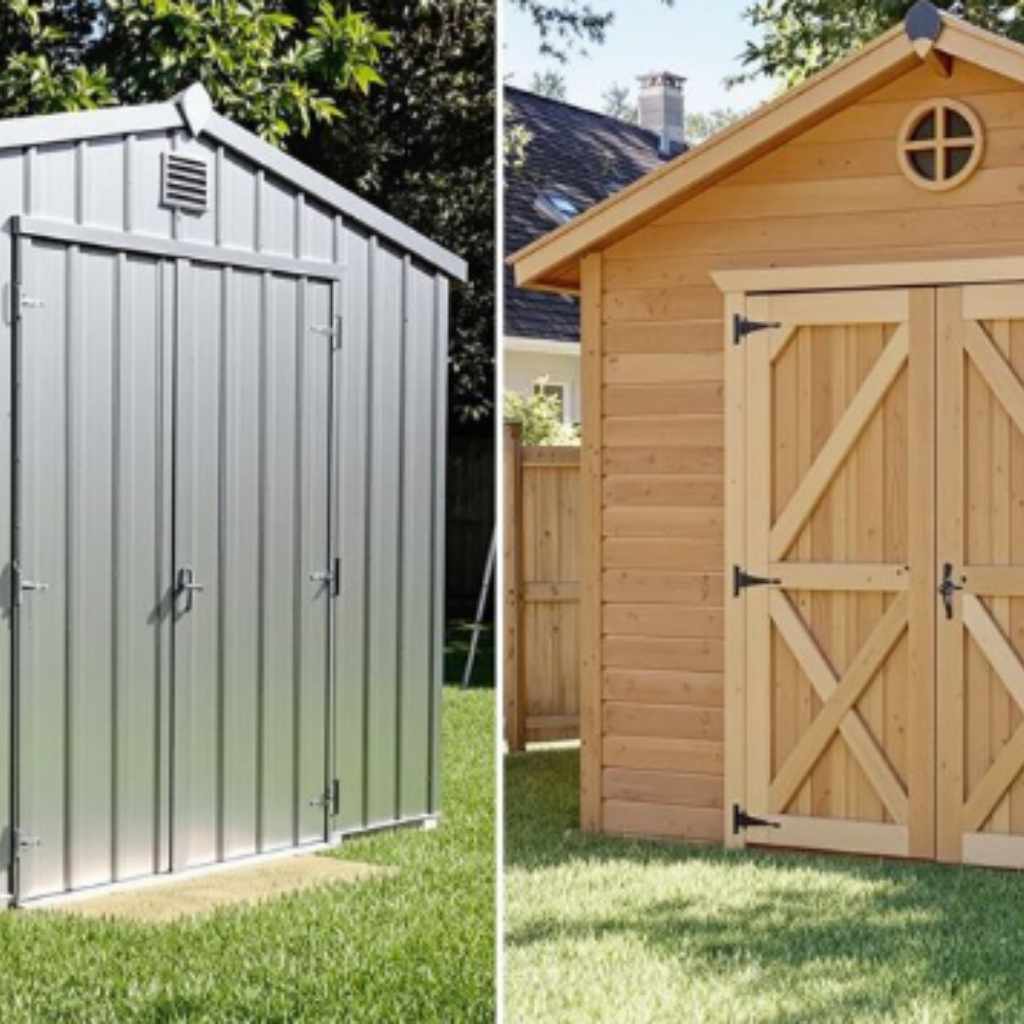
When you’re looking for a place to store your tools, garden supplies, or even just create some extra space, a shed is a great solution. But the big decision often comes down to what material it’s made from. The two main contenders are metal sheds and wooden sheds.
Each has its own set of advantages and disadvantages when it comes to how long they last and how well they stand up to the elements. Thinking about Metal Shed vs Wood: Which Is More Durable? is key to making a smart purchase that you’ll be happy with for years to come.
Metal Shed vs Wood
Durability in a shed isn’t just about how strong the material is initially. It’s about how it holds up over time against things like rain, sun, wind, pests, and general wear and tear. For a metal shed, durability often means resisting rust and dents.
For a wooden shed, it means fighting off rot, insects, and warping. The environment you live in plays a big role too. If you get a lot of rain, you’ll need something that handles moisture well.
If you have strong winds, you’ll need a sturdy structure.
Metal Sheds Durability Explained
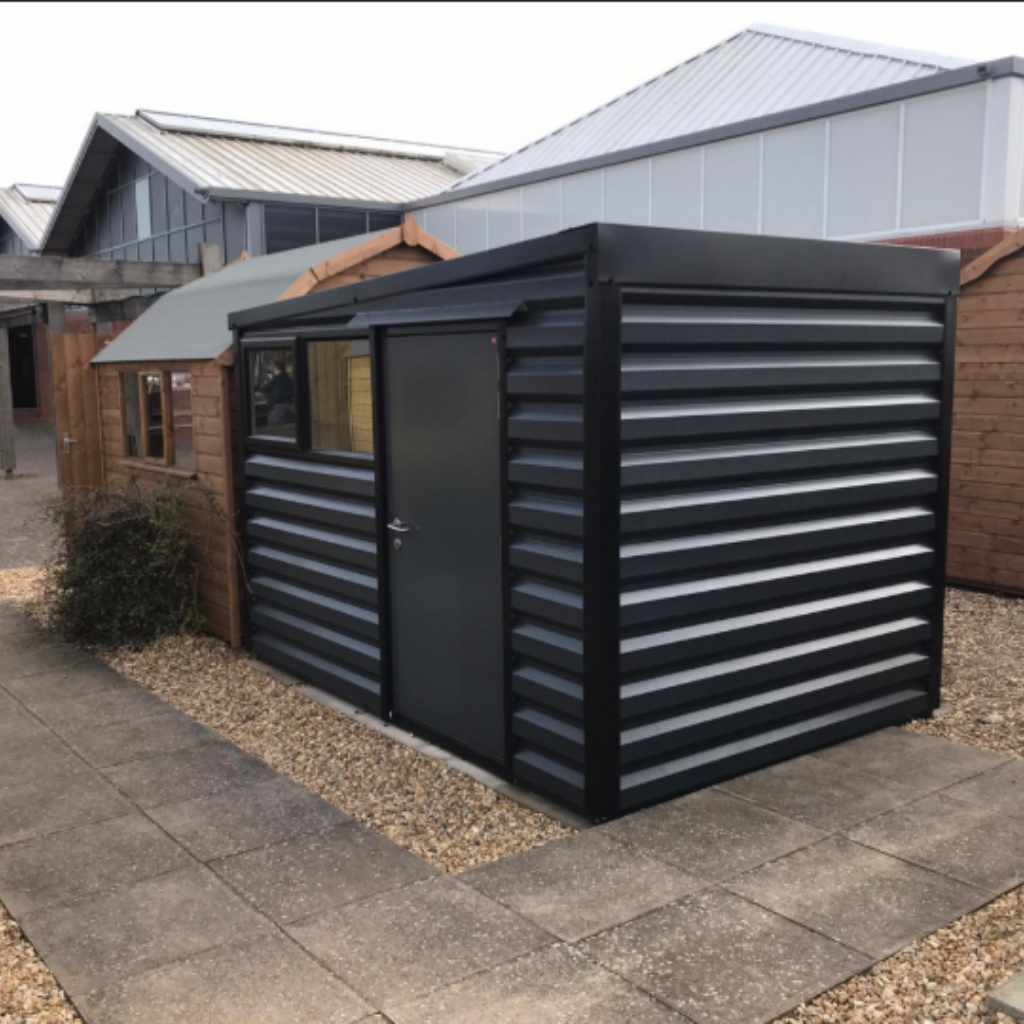
Metal sheds are often made from steel or aluminum. Steel is a very strong material, and when it’s coated or galvanized, it can be quite resistant to rust. Aluminum is naturally rust-resistant but can be more prone to dents.
The durability of a metal shed largely depends on the thickness and quality of the metal used, as well as the protective coating. Good quality metal sheds can last a very long time if they are properly maintained.
Resistance to Elements
Metal sheds generally do a good job of resisting the elements. They don’t rot like wood can, and they are typically unaffected by insects like termites. However, they can be susceptible to rust if the protective coating is scratched or damaged, especially in humid or coastal areas.
Extreme heat can also cause metal to expand and contract, which might lead to minor warping over many years, though this is less common with quality construction.
Maintenance for Longevity
To keep a metal shed durable, regular checks for rust spots are important. If you find any, they should be cleaned and treated promptly to prevent them from spreading. Cleaning the shed occasionally to remove dirt and debris also helps maintain the protective coating.
Many metal sheds come with warranties that cover manufacturing defects, which is a good indicator of expected lifespan.
Potential Downsides
One potential downside to metal sheds is that they can get very hot inside on sunny days. They can also be noisier during rain or hail storms compared to wood. Dents can be a cosmetic issue, and repairing them can sometimes be more challenging than repairing scratches on wood.
Wooden Sheds Durability Explained
Wooden sheds offer a natural look and feel, but their durability is tied to the type of wood used and the ongoing maintenance. Common woods like pine or fir need to be treated to resist moisture and insects. High-quality hardwoods or pressure-treated lumber will naturally last longer.
The way the shed is built, including proper sealing and ventilation, is also critical to its lifespan.
Resistance to Elements
Wood’s primary challenge is moisture. If water seeps into the wood and isn’t allowed to dry, it can lead to rot and decay, weakening the structure. Insects, especially termites and carpenter ants, can also cause significant damage to wooden sheds.
However, with proper sealing, regular painting or staining, and good ventilation, wooden sheds can be very durable and stand up well to various weather conditions. They are also less likely to get excessively hot inside compared to metal sheds.
Maintenance for Longevity
Maintaining a wooden shed is an ongoing task. This typically involves repainting or restaining the exterior every few years to protect the wood from sun and rain. You also need to keep an eye out for any signs of rot, especially around the base of the shed, and treat any insect infestations promptly.
Ensuring good drainage around the shed is also important to prevent water from pooling and soaking into the foundation.
Potential Downsides
The main concerns with wooden sheds are their susceptibility to rot, insect damage, and warping over time if not properly maintained. They can also be more prone to fire than metal sheds. The cost can also be a factor, as good quality treated lumber and proper construction can make wooden sheds more expensive upfront than basic metal options.
Comparing Key Durability Aspects
Let’s put them side-by-side to see how they stack up in different areas.
| Feature | Metal Sheds | Wooden Sheds |
|---|---|---|
| Resistance to Rot | Excellent | Fair to Good (depends on treatment and maintenance) |
| Resistance to Insects | Excellent | Fair to Good (depends on treatment and maintenance) |
| Resistance to Rust (Metal) / Warping (Wood) | Good (can rust if coating damaged) | Fair to Good (can warp if exposed to moisture) |
| Impact Resistance (Dents) | Fair to Good (can dent) | Good (can scratch or dent, but often easier to repair) |
| Fire Resistance | Good | Fair (flammable) |
| Temperature Fluctuations | Can get very hot/cold | More stable temperature |
| Lifespan (with proper care) | 15-30+ years | 10-25+ years (depends heavily on wood quality and maintenance) |
Environmental Considerations
The environment where your shed will be placed is a major factor in determining which material is more durable for you. Hot, humid climates can accelerate rot in wood and rust in metal. Coastal areas with salt spray can be tough on both materials, but metal may suffer more from corrosion.
Areas with high pest populations (like termites) might make wood a riskier choice unless it’s very well-treated.
Sun and Heat Exposure
Metal sheds can become very hot in direct sunlight. This isn’t just uncomfortable if you’re working inside; it can also degrade stored items like paints or chemicals. Wooden sheds are more insulated and will remain cooler, offering a more stable internal environment.
Rain and Moisture
While metal doesn’t absorb water, standing water or poor drainage can lead to rust, especially at seams or where paint is chipped. Wood is porous and will absorb moisture. If it can’t dry out, rot will set in.
Proper ventilation and sloping the ground away from a wooden shed are essential to prevent this.
Wind and Storms
Both types of sheds need to be securely anchored to the ground. A well-built metal shed can be very rigid. A well-constructed wooden shed is also strong, but the individual panels might be more prone to damage from high winds if not properly reinforced or secured.
Cost and Value Over Time
When considering Metal Shed vs Wood: Which Is More Durable?, it’s also wise to look at the long-term cost. While an initial metal shed might seem cheaper, if it rusts quickly and needs replacement sooner, the overall value decreases. Similarly, a cheap wooden shed that rots in a few years is a poor investment.
Investing in a higher quality material and maintaining it will usually provide better value over the shed’s lifespan.
Upfront Costs
Generally, basic metal sheds are often less expensive to buy than wooden sheds of a similar size. This is especially true for do-it-yourself kits. However, high-end metal sheds with thicker gauges and better coatings can be comparable in price to decent wooden sheds.
Long-Term Costs
The long-term costs are where the durability question really matters. A metal shed that rusts might require costly repairs or even
Assembly and Installation
The ease of assembly can also be a factor in how a shed holds up. A poorly assembled shed, regardless of material, is less likely to be durable. Metal sheds often come in pre-fabricated panels that can be relatively quick to put up, though sometimes the thinner metal can be prone to bending during assembly.
Wooden sheds can be built from kits or from scratch. Building from scratch offers more control over the quality of construction, which directly impacts durability.
DIY Kits vs. Professional Installation
Many metal sheds are designed for DIY assembly and are quite straightforward. Wooden shed kits can also be DIY-friendly. If you’re not comfortable with construction, professional installation for either type will ensure it’s put together correctly, which is a big part of its lasting power.
Aesthetic Appeal
While not directly related to durability, the look of your shed might influence how you care for it. Some people prefer the natural look of wood, while others like the clean, modern look of metal. A shed you find visually appealing might inspire you to keep it in better condition, indirectly contributing to its longevity.
Frequently Asked Questions
Question: Which type of shed is generally easier to maintain for long-term durability
Answer: Metal sheds are often considered easier to maintain for long-term durability because they don’t rot or get eaten by insects. However, they do need to be checked for rust and the protective coating maintained. Wooden sheds require more regular upkeep like repainting and sealing to prevent rot and insect damage.
Question: Can metal sheds rust
Answer: Yes, metal sheds can rust, especially if the protective coating is scratched or damaged, or if they are exposed to harsh, humid environments for extended periods without proper care.
Question: What is the main threat to the durability of a wooden shed
Answer: The main threats to the durability of a wooden shed are moisture leading to rot and decay, and insect infestations like termites.
Question: Are metal sheds better in extreme heat
Answer: No, metal sheds can get extremely hot in direct sunlight, which can be uncomfortable and potentially damage stored items. Wooden sheds tend to maintain a more stable, cooler temperature.
Question: Which shed material is better for deterring pests like termites
Answer: Metal sheds are generally much better at deterring pests like termites because they are not a food source for them. Treated wooden sheds can also resist pests, but they are still a potential target.
Final Thoughts
Deciding between a metal shed and a wooden shed comes down to what you value most and the conditions it will face. Metal sheds often win on initial ease of maintenance and resistance to rot and pests, making them a durable choice if you can manage potential rust and extreme temperatures. Wooden sheds offer a natural beauty and better temperature regulation, but they demand consistent attention to protect against moisture and insects.
The key to durability for either material lies in choosing quality construction, proper installation, and committing to regular upkeep that suits the material. Think about your local climate, how much time you have for maintenance, and your budget to make the best choice for a shed that serves you well for years.