Metal vs Wood Bunk Bed Durability Style Guide
Choosing between a metal and wood bunk bed might seem tricky at first. You want something that lasts, looks good, and is safe for your kids. It’s a common question for many families.
This guide makes it simple. We will break down the differences so you can pick the best bunk bed for your home.
When you need to save space, bunk beds are a fantastic solution. They let two or more kids sleep in the same room without taking up too much floor space. But when you start shopping, you’ll notice two main types: metal bunk beds and wood bunk beds.
Each has its own strengths when it comes to how long they last and how they look. Deciding between Metal vs Wood Bunk Bed Durability and Style Guide can really help you make the right choice for your family and your home.
Understanding the Materials
The basic difference between these beds comes down to what they are made of. Metal bunk beds are usually made from steel or iron. These metals are strong and can hold a lot of weight.
Wood bunk beds are made from different types of wood, like pine, oak, or maple. The kind of wood used really affects how strong and how nice the bed looks.
Metal Bunk Beds Durability and Features
Metal bunk beds are known for being super tough. They don’t warp or bend easily, even with a lot of use. This makes them a great choice if you have very active kids who might jump on the bed a lot.
They can also be lighter than some wood beds, which can make them easier to move around if you need to clean or rearrange the room.
One big plus for metal beds is their low maintenance. You don’t have to worry about them getting scratched and showing damage as easily as painted wood. If a scratch does happen, it’s usually not as noticeable.
Metal beds are also less likely to creak or make noise over time, which is good for light sleepers.
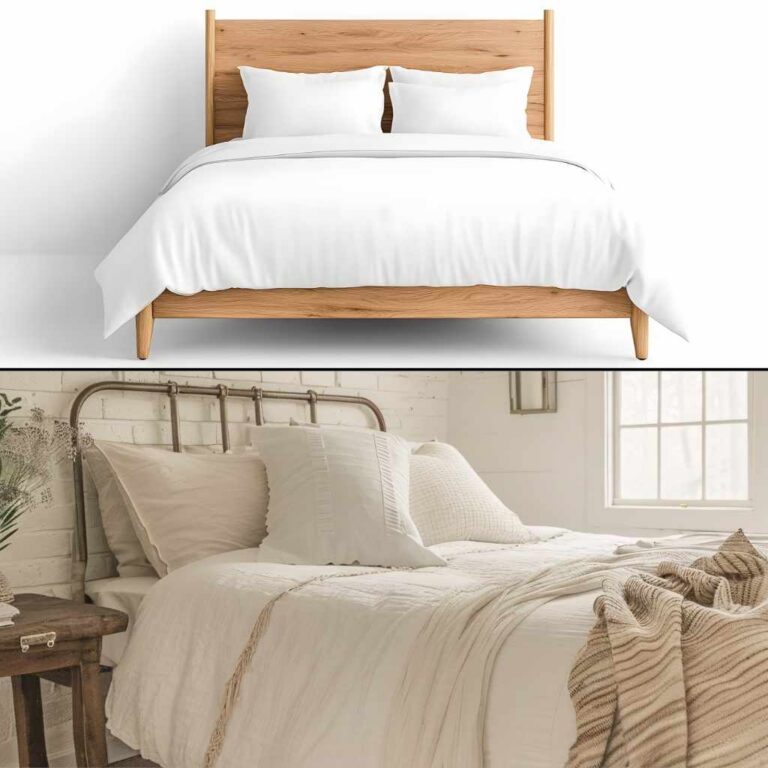
For style, metal bunk beds often have a more modern or industrial look. They come in different finishes like black, white, silver, or even bright colors. This can fit well in a variety of room styles, especially for older kids or teens who prefer a cleaner, less bulky appearance.
Pros of Metal Bunk Beds
- Very strong and durable
- Resistant to warping and damage
- Lightweight and easy to move
- Low maintenance
- Modern or industrial style
- Less prone to squeaking
Cons of Metal Bunk Beds
- Can feel cold to the touch
- May dent if heavy objects are dropped on them
- Some designs can look plain
Wood Bunk Beds Durability and Features
Wood bunk beds offer a warm and classic feel. They are also very durable, especially if they are made from hardwoods like oak or maple. These woods are naturally strong and can last for many years.
Pine is a softer wood and might show dents or scratches more easily, but it’s usually more affordable.
The look of a wood bunk bed can really change the feel of a bedroom. They often bring a cozy, traditional, or rustic vibe. You can find them in various finishes, from natural wood tones to painted colors.
This variety means you can match them to almost any room decor. Wood beds also have a certain weight to them that can make them feel very stable and secure.
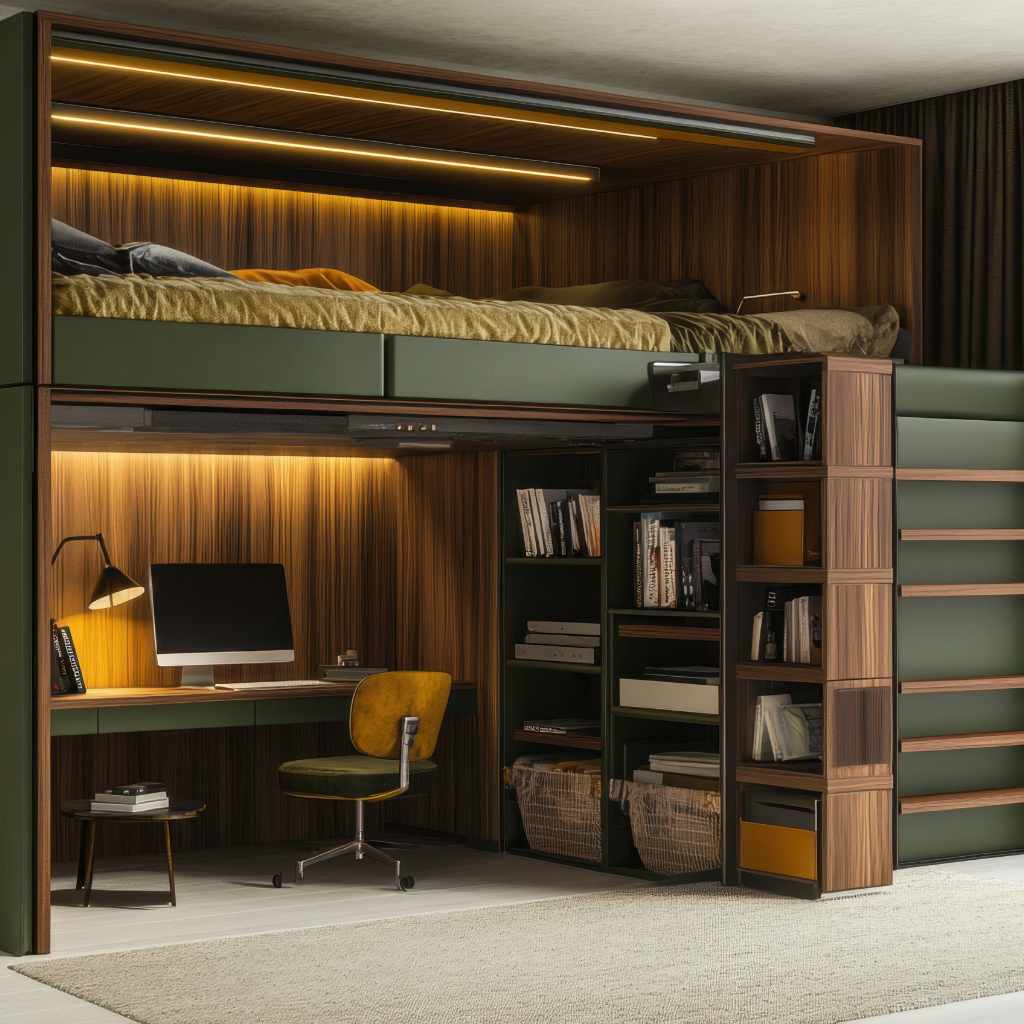
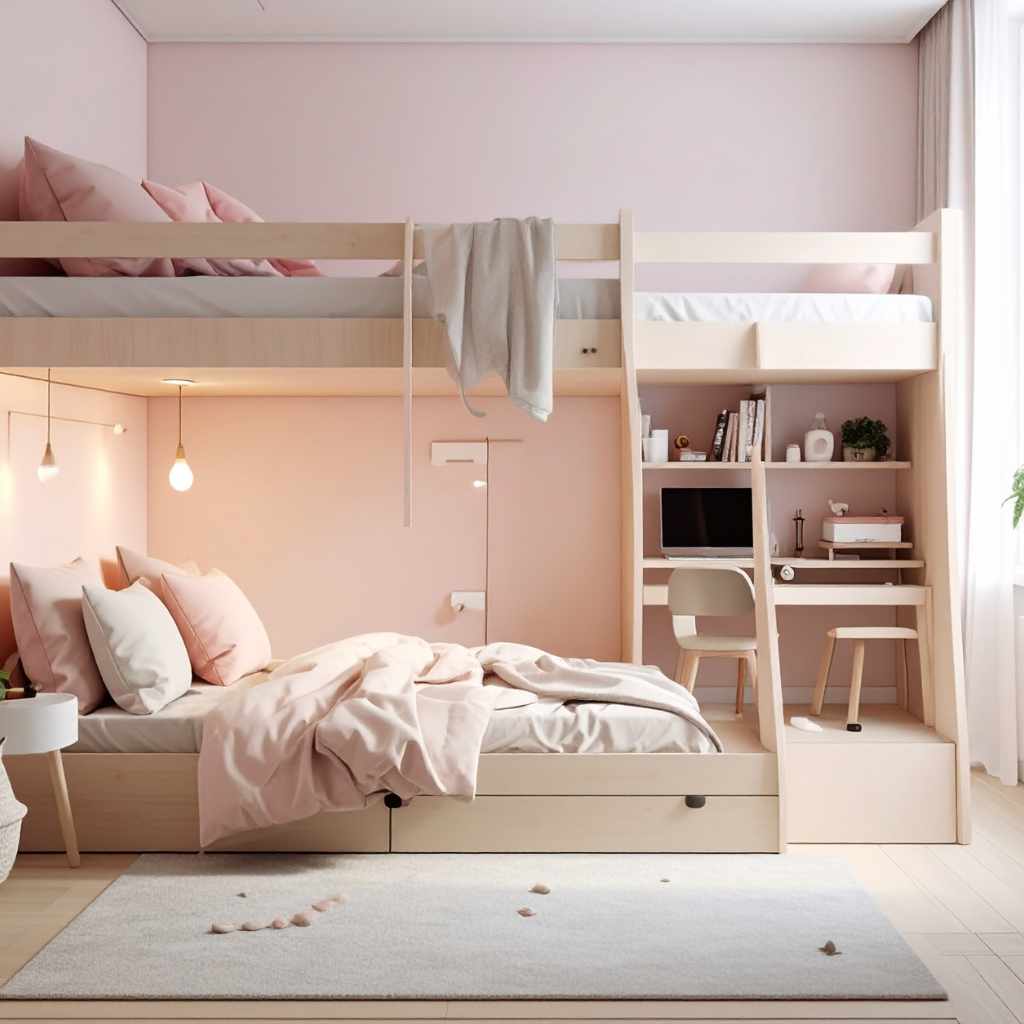
Many wood bunk beds come with extra features like built-in drawers, shelves, or even desks. This can add a lot of storage and functionality to a child’s room. The natural material also feels warmer than metal, which many people prefer.
Pros of Wood Bunk Beds
- Warm and classic appearance
- Can be very sturdy and stable
- Wide range of styles and finishes
- Can integrate extra storage features
- Feels warmer than metal
Cons of Wood Bunk Beds
- Can be heavier and harder to move
- Susceptible to scratches and dents (especially softer woods)
- Can be more expensive than metal
- May develop creaks over time
Comparing Durability: Metal vs Wood
When we talk about how long a bunk bed will last, both metal and wood can be excellent choices. The durability really depends on the quality of the materials and how the bed is built.
Metal bunk beds, particularly those made from thick gauge steel, are incredibly strong. They are resistant to bending, breaking, and wear and tear. They do not warp in humid conditions or get damaged by pests.
This makes them a very long-lasting option, especially for busy households. The finish on metal beds can chip or scratch, but the underlying material remains strong.
Hardwood bunk beds, like those made from oak, maple, or cherry, are also very durable. They can withstand heavy use and last for generations. Softer woods like pine are still durable enough for most family uses, but they might need a bit more care to prevent cosmetic damage.
Wood can be repaired if scratched or dented, often by sanding and refinishing.
Consider the environment where the bunk bed will be used. If it’s in a very humid basement or an area with lots of moisture, metal might be a safer bet to avoid wood warping or damage. If the room is climate-controlled and well-maintained, wood will hold up just as well.
| Feature | Metal Bunk Bed | Wood Bunk Bed |
|---|---|---|
| Overall Strength | Very High | High (especially hardwoods) |
| Resistance to Warping | Excellent | Good (depends on wood type and climate) |
| Resistance to Dents/Scratches | Good (finish can scratch) | Varies (hardwoods more resistant) |
| Longevity | Very Long | Very Long (with proper care) |
| Maintenance | Low | Moderate (cleaning, touch-ups) |
Style Considerations: Adding Personality
The style of your bunk bed can greatly impact the look and feel of a child’s bedroom. Both metal and wood offer distinct aesthetic possibilities.
Modern and Minimalist with Metal
Metal bunk beds often lean towards a modern, industrial, or minimalist aesthetic. Their clean lines and sleek finishes can give a room a contemporary vibe. They are perfect for children who have a modern style or for creating a gender-neutral space.
The metallic sheen can also reflect light, making a room feel brighter and more open.
You can find metal bunk beds in simple frames that are just the essentials, or in more elaborate designs with built-in ladders, guardrails, and even slide attachments. The color options are vast, from classic black and white to vibrant blues and reds. This makes it easy to pick a bed that matches a specific theme or color scheme.
Cozy and Classic with Wood
Wood bunk beds tend to evoke feelings of warmth, coziness, and tradition. They can fit seamlessly into a variety of decor styles, from rustic farmhouses to classic children’s rooms. The natural grain of the wood adds texture and depth that metal cannot replicate.
This makes the room feel more inviting and comfortable.
The versatility of wood is a major advantage. You can choose a bed with a natural wood finish to showcase its beauty, or opt for a painted finish in any color imaginable. Wood beds can also be designed with more decorative elements like carved headboards, shaped posts, or detailed trim, adding a touch of elegance.
When thinking about style, consider the overall theme of the room. If you are going for a modern look, a metal bed might be the best fit. If you prefer a softer, more traditional feel, a wood bunk bed will likely be the preferred choice.
Safety Features to Look For
Regardless of whether you choose metal or wood, safety is the most important factor in any bunk bed. Always look for beds that meet current safety standards set by organizations like the CPSC (Consumer Product Safety Commission) in the US.
Guardrails
Ensure both the top and bottom bunks have sturdy guardrails. The top bunk guardrail should be high enough to prevent someone from rolling out of bed while sleeping. The guardrail should extend the full length of the bed where there is no ladder or opening.
Ladders and Stairs
Ladders should be securely attached and have rungs that are easy to grip. Some beds offer wider stairs with built-in handrails, which can be a safer option for younger children or those who have difficulty with standard ladders. Make sure there are no large gaps in the ladder or stair design that could trap a limb.
Weight Capacity
Check the manufacturer’s stated weight capacity for each bunk. This is especially important for metal beds, as thinner metal frames might have a lower weight limit. Ensure the bed can comfortably support the weight of the occupants and any potential bouncing.
Construction Quality
Examine the joinery and fasteners. For metal beds, ensure welds are clean and strong. For wood beds, check that joints are tight and secured with strong hardware.
Loose bolts or screws can be a safety hazard.
Maintenance and Care
Proper care ensures your bunk bed lasts as long as possible and stays looking good.
Metal Bunk Bed Care
Cleaning metal bunk beds is straightforward. A damp cloth with mild soap is usually all you need for regular cleaning. For rust spots that might appear over time (especially in humid areas or if the finish is scratched), you can use fine-grit sandpaper and then touch up with metal paint.
Regularly check that all bolts and fasteners are tight.
Wood Bunk Bed Care
Wood bunk beds need a bit more attention. Dust regularly with a soft cloth. For spills, wipe them up immediately to prevent water damage.
If the wood gets scratched or dented, you can often repair it by sanding the area smooth and applying a matching wood stain or paint. Avoid placing furniture polish directly on the wood; spray it onto your cloth first. Keep wood furniture away from direct sunlight and extreme temperature changes to prevent drying or cracking.
Choosing the Right Mattress
The mattress is a key part of bunk bed safety and comfort. Bunk beds typically require thinner mattresses to ensure the guardrails remain effective. Check the manufacturer’s recommendations for mattress height.
For a twin-sized bunk bed, a standard twin mattress often works, but you’ll need to verify its thickness.
A mattress that is too thick can reduce the effectiveness of the guardrail, increasing the risk of falling. Foam mattresses are often a good choice as they are generally thinner and lighter. Memory foam or hybrid mattresses can also work if they meet the height requirements.
Making Your Final Decision
When deciding between a metal and wood bunk bed, think about what matters most to you. If absolute toughness, a modern look, and minimal maintenance are your top priorities, a metal bunk bed might be the way to go. They are built to withstand rough use and are easy to clean.
If you value a warmer aesthetic, a classic feel, and the possibility of integrated storage, a wood bunk bed could be a better fit. Hardwood options offer excellent durability, and the natural beauty of wood can enhance any room. Consider your budget, the available space, and the style of your child’s room.
Frequently Asked Questions
Question: Which type of bunk bed is generally more affordable Metal or Wood
Answer: Typically, metal bunk beds tend to be more affordable than wood bunk beds, especially those made from pine. Hardwood bunk beds will generally be the most expensive option.
Question: Can metal bunk beds rust
Answer: Yes, metal bunk beds can rust if they are exposed to moisture for extended periods or if their protective coating is scratched or damaged. Regular cleaning and touching up any exposed metal can help prevent rust.
Question: Is wood furniture bad for children’s rooms
Answer: No, wood furniture is generally not bad for children’s rooms. In fact, wood can be a very safe and durable material for children’s furniture. The finish and paint used should be non-toxic and lead-free.
Question: How often should I check the stability of my bunk bed
Answer: It’s a good idea to check the stability of your bunk bed, including all bolts and screws, at least twice a year, and also anytime you notice any creaking or wobbling. This ensures ongoing safety.
Question: Which bunk bed is better for very young children Metal or Wood
Answer: For very young children, the choice often comes down to specific features. Some wood beds offer easier-to-climb stairs with handrails, which can be safer for toddlers. However, a well-designed metal bed with a secure ladder and high guardrails can also be suitable.
Final Thoughts
Choosing the right bunk bed involves balancing how long it will last and how good it looks. Both metal and wood bunk beds offer great options for saving space and creating a fun sleeping area. Metal beds are champions of durability, standing up to lots of activity with easy care, and often sporting a clean, modern appearance.
They are straightforward and strong. On the other hand, wood beds bring a cozy, classic charm that can make a bedroom feel more inviting. With hardwoods, you get excellent strength and a natural beauty that lasts.
If you want a bed that can handle enthusiastic play and is easy to keep clean, metal is a solid pick. If you prefer a warmer feel and a design that complements traditional decor, wood might be your choice. Whichever material you lean towards, always prioritize safety features like sturdy guardrails and secure ladders.
Look for quality construction and check that the mattress height works with the guardrails. By thinking about these points, you can select a bunk bed that your kids will love and that will serve your family well for many years.