Exploring the Art of Mountain Wood Burning Patterns: A Comprehensive Guide
Hey there! If you’re sitting next to me, I’d probably lean in and tell you how much I love wood burning. There’s something magical about using a heated tool to etch designs into wood, especially when those designs capture the rugged beauty of mountains. Mountain wood burning patterns have a special place in my heart. They’re not just designs; they’re a way to bring the serenity and majesty of nature into your home. I’ve spent countless hours experimenting with these patterns, and I’m excited to share everything I’ve learned with you. Whether you’re a beginner or a seasoned pyrographer, this guide will walk you through creating stunning mountain-inspired wood burning art. Let’s dive in!
What Are Mountain Wood Burning Patterns?
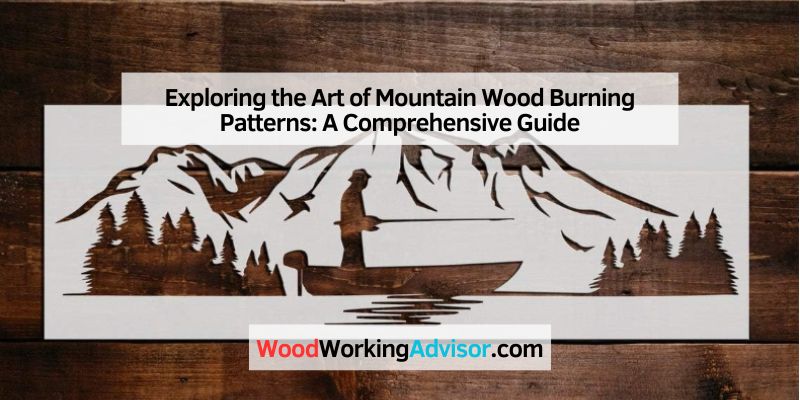
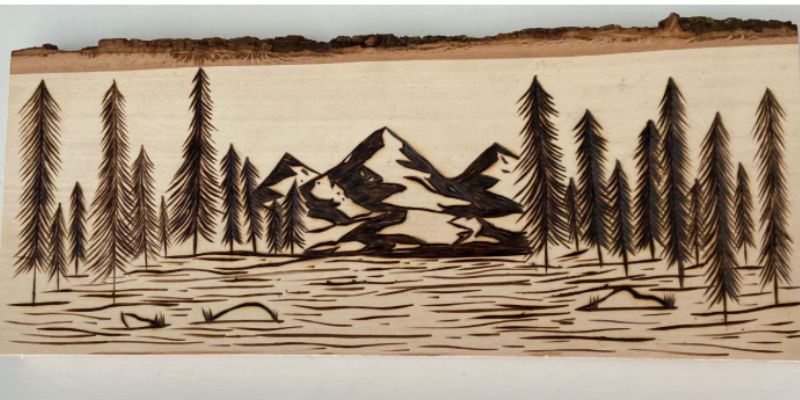
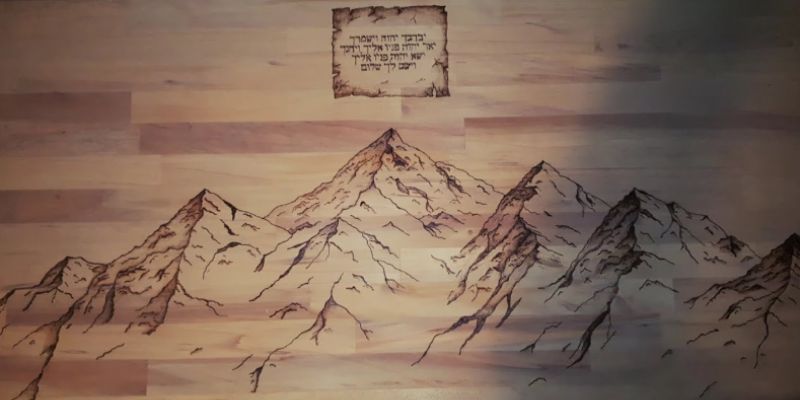
Picture this: a piece of smooth basswood with a jagged mountain range burned into it, maybe with a few pine trees or a glowing sunset. That’s what mountain wood burning patterns are all about. Pyrography, or wood burning, is the art of using a heated pen to create designs on wood. Mountain patterns focus on nature-inspired scenes—think peaks, valleys, trees, and skies. These designs can be simple outlines or intricate, shaded masterpieces.
I remember my first mountain pattern. It was a basic silhouette of a mountain range, and I was nervous about getting it right. But once I started, the process felt like painting with fire. These patterns are popular because they’re versatile. You can burn them onto cutting boards, coasters, or even wall art. They’re perfect for anyone who loves the outdoors or wants to add a rustic touch to their space.
Why Choose Mountain Patterns for Wood Burning?
Why mountains? Well, for me, it’s about capturing something timeless. Mountains symbolize strength and peace, and burning them into wood feels like preserving a piece of nature. These patterns are also forgiving for beginners. A wobbly line can look like a rugged cliff, and a slightly uneven burn can mimic natural texture. Plus, they’re universally appealing—who doesn’t love a mountain vista?
Another reason I lean toward mountain patterns is their flexibility. You can keep it minimal with a single peak or go all out with a detailed landscape. They work on almost any wood surface, from small ornaments to large plaques. And let’s be honest, they make amazing gifts. I once burned a mountain scene onto a wooden box for a friend, and she still talks about how much she loves it.
Tools You’ll Need to Get Started
Before we get to the fun part—burning those mountains—let’s talk tools. When I started, I was overwhelmed by the options, but you don’t need much to begin. Here’s what I use:
- Wood Burning Pen: I prefer a variable-temperature pen because it gives me control over the heat. Brands like Walnut Hollow or Colwood are great for beginners.
- Tips/Nibs: You’ll want a universal tip for outlines, a shading tip for depth, and maybe a writing tip for details like trees or stars.
- Wood: Softwoods like basswood or poplar are my go-to because they burn easily and show contrast well.
- Sandpaper: I use 220-grit to smooth the wood before burning. Trust me, a smooth surface makes a huge difference.
- Transfer Paper or Pencil: For transferring your mountain pattern to the wood.
- Safety Gear: A mask and good ventilation are a must. Burning wood creates fumes, and I learned the hard way that a stuffy room isn’t fun.
Here’s a quick table to summarize:
| Tool | Purpose | Recommendation |
|---|---|---|
| Wood Burning Pen | Burns designs into wood | Variable-temperature model |
| Universal Tip | Outlines and straight lines | Comes with most kits |
| Shading Tip | Adds depth and texture | Colwood Spoon Shader or similar |
| Basswood/Poplar | Smooth, light-colored surface for burning | Available at craft stores |
| Sandpaper (220-grit) | Smooths wood for clean burns | Any brand, fine grit |
| Transfer Paper | Transfers patterns to wood | Graphite or carbon paper |
Having the right tools makes the process smoother and more enjoyable. Don’t skimp on quality—it’s worth investing in a good pen.
Choosing the Right Wood for Mountain Patterns
I can’t stress enough how important wood choice is. When I started, I grabbed a random piece of pine from the garage, and let me tell you, it was a mess. Pine has uneven grain, and my burns looked blotchy. After some trial and error, I found that soft, light-colored woods work best for mountain patterns.
- Basswood: My favorite. It’s soft, has minimal grain, and burns evenly. The light color makes your mountains pop.
- Poplar: Another great option. It’s slightly harder but still easy to burn and widely available.
- Birch Plywood: Good for beginners because it’s affordable and smooth. Just avoid burning too deeply, as the glue layers can be tricky.
- Avoid Pine: The hard and soft grain patches make it tough to get consistent burns. Save pine for other projects.
Before burning, I always sand the wood until it’s silky smooth. Then, I wipe it with a damp cloth to remove dust. Once, I skipped this step, and my pen kept catching on rough spots. Lesson learned: prep your wood!
Finding and Creating Mountain Patterns
Where do you get mountain patterns? When I started, I wasn’t confident drawing freehand, so I relied on pre-made designs. You can find free patterns online—sites like Burn Savvy or Pyrography Made Easy offer great ones. I also love browsing Pinterest for black-and-white mountain illustrations. Just search “mountain line art” or “mountain silhouette,” and you’ll have plenty to choose from.
If you’re feeling creative, you can draw your own. I like to sketch lightly with a pencil directly on the wood. Don’t press too hard—pencil marks can be tough to erase. For more complex designs, I use transfer paper. Here’s how I do it:
- Print or draw your mountain pattern on regular paper.
- Place graphite paper between the pattern and the wood, carbon side down.
- Trace the design with a pencil, pressing firmly but not too hard.
- Check the wood to make sure the lines are clear.
One time, I tried transferring a pattern without securing it with tape, and it shifted halfway through. The result? A wonky mountain that looked more like a molehill. Tape is your friend!
Techniques for Burning Mountain Patterns
Now, let’s get to the fun part—burning! Mountain patterns use a few key techniques, and I’ve learned these through plenty of practice. Here’s what works for me:
Outlining the Mountains
I start with a universal or writing tip to outline the mountains. Hold the pen like a pencil and move slowly, letting the heat do the work. I keep my hand light to avoid digging into the wood. For jagged peaks, I use short, quick strokes to mimic rocky edges. For smoother ridges, I glide the pen in longer, flowing lines. If I mess up, I sand the area lightly and try again. It’s forgiving, so don’t stress.
Shading for Depth
Shading brings mountains to life. I switch to a shading tip, like a spoon shader, and lower the heat a bit. I use circular motions or zigzag strokes to fill in areas like slopes or valleys. The key is to vary the pressure and heat. Light pressure gives a soft, golden tone, while heavier pressure creates darker shadows. I once overdid the shading and ended up with a muddy-looking mountain, so go slow and build up gradually.
Adding Details Like Trees and Skies
Trees, clouds, and stars make mountain patterns pop. For pine trees, I use a writing tip to burn small, triangular shapes. I angle the pen to create thin branches. For skies, I might add a gradient with the shading tip, starting light at the horizon and getting darker higher up. One of my favorite projects was a night scene with tiny burned stars—each dot made with a quick tap of the pen. It’s these little details that make your work unique.
Texturing for Realism
Texture adds realism to mountains. I use a stippling technique—tapping the pen to create dots—for rocky surfaces. For grassy hills, I pull the pen in short, curved strokes to mimic blades of grass. Experimenting with textures is fun, but I learned to practice on scrap wood first. One time, I tried stippling directly on a project, and the dots were uneven. A quick test run would’ve saved me some frustration.
Step-by-Step Guide to Burning a Mountain Pattern
Let me walk you through how I burn a mountain pattern. This is the process I used for a recent project—a basswood plaque with a mountain range and pine trees.
- Prep the Wood: I sand the basswood with 220-grit sandpaper until it’s smooth. Then, I wipe it with a damp cloth and let it dry.
- Transfer the Pattern: I print a mountain design and use graphite paper to trace it onto the wood. I secure it with tape to avoid slipping.
- Outline the Design: Using a universal tip on medium heat, I trace the mountain outlines. I move slowly, following the grain when possible.
- Shade the Mountains: I switch to a shading tip and add depth to the slopes. I use light, circular motions for a soft gradient.
- Add Details: With a writing tip, I burn small pine trees in the foreground. I also stipple some rocky texture on the peaks.
- Enhance the Sky: I use the shading tip to create a sunset effect, starting with light burns at the horizon and darkening upward.
- Finish the Piece: I lightly sand any rough spots and apply a clear sealant to protect the design.
This project took me about three hours, and the result was a gorgeous piece that now hangs in my living room. The key is patience—don’t rush the burns.
Adding Color to Your Mountain Patterns
While I love the classic look of burned wood, adding color can take your mountain patterns to the next level. I’ve experimented with a few mediums, and here’s what I found:
- Watercolor Pencils: These are my favorite for subtle color. I use them to add a soft blue sky or green trees, then blend with a damp brush.
- Acrylic Paint: Great for bold pops of color, like a vibrant sunset. I thin it with water to let the wood grain show through.
- Wood Stain: For a natural look, I apply a light stain to enhance the wood’s tone without overpowering the burns.
One time, I went overboard with acrylic paint and hid my burns. Now, I apply color sparingly and always test on scrap wood first. After coloring, I seal the piece with a clear polyurethane to protect it.
Safety Tips for Wood Burning
Safety is huge when you’re working with a hot tool. I’ve had a few close calls, so let me share what keeps me safe:
- Work in a Ventilated Area: Fumes from burning wood can irritate your lungs. I open a window or use a fan.
- Wear a Mask: A simple dust mask works wonders. I forgot it once and ended up with a headache from the fumes.
- Use a Stand: Always rest your pen on a heat-safe stand when not in use. I once left it on my table, and, well, let’s just say I have a “unique” burn mark now.
- Handle Hot Tips Carefully: I use pliers to change tips, as they stay hot for a while. Electrical tape on the pliers adds extra safety.
Taking these precautions lets me focus on creating without worrying about accidents.
Common Mistakes and How to Avoid Them
I’ve made plenty of mistakes, and I want to help you avoid them. Here are some common pitfalls:
- Burning Too Hot: High heat can create blotchy burns. I start with medium heat and adjust as needed.
- Pressing Too Hard: This can dig grooves into the wood. I let the pen glide lightly for smoother lines.
- Skipping Prep: Unsanded wood leads to uneven burns. Always sand and clean your wood first.
- Complex Patterns Too Soon: As a beginner, I tried a super detailed mountain scene and got frustrated. Start simple and build your skills.
If you mess up, don’t panic. Light sanding can fix minor errors, and sometimes, a mistake can become part of the design’s charm.
Inspiration for Your Mountain Patterns
Need ideas? Here are a few mountain patterns I’ve tried that might spark your creativity:
- Minimalist Mountain Range: A simple silhouette of peaks with a single pine tree. Perfect for beginners.
- Sunset Scene: Mountains with a gradient sky in warm colors. I used watercolor pencils for the sky.
- Wildlife Addition: Add a bear or eagle silhouette to your mountains. It adds a story to the piece.
- Night Sky: Burn stars and a moon above the mountains. Stippling works great for stars.
I also love flipping through hiking magazines or scrolling through Instagram for inspiration. Nature photos are a goldmine for mountain designs.
Where to Find Mountain Wood Burning Patterns
If you’re not ready to draw your own, there are tons of resources. I’ve found great patterns on:
- Etsy: Search for “pyrography mountain patterns” for affordable digital downloads.
- Pinterest: Look for “wood burning mountain designs” to find free or paid templates.
- Craft Blogs: Sites like Pyrography Made Easy and Burn Savvy have free patterns and tutorials.
- Books: I own “Pyrography Patterns” by Sue Walters, which has some awesome mountain designs.
When I started, I printed free patterns to practice. Now, I mix pre-made designs with my own sketches for a personal touch.
Scaling Up Your Skills
Once you’re comfortable with basic mountain patterns, it’s time to level up. Here’s how I pushed my skills:
- Experiment with Tips: Try different nibs, like a skew tip for sharp lines or a ball tip for stippling.
- Play with Textures: Combine stippling, crosshatching, and zigzag strokes for more dynamic mountains.
- Add Lettering: Burn a quote, like “The mountains are calling,” alongside your design. I use a writing tip for clean letters.
- Try Larger Projects: Move from coasters to wall art. My first big project was a 12×18-inch mountain scene, and it felt so rewarding.
The more you practice, the more confident you’ll get. I still keep a scrap board nearby to test new techniques.
Displaying and Selling Your Mountain Art
Once you’ve created your mountain masterpiece, you’ll want to show it off. I display mine on shelves or hang them with picture hooks. For gifts, I’ve burned mountain patterns onto wooden spoons and cutting boards—they’re always a hit.
Thinking about selling? I started small at local craft fairs. Etsy is another great platform. Price your work based on time and materials—I charge $20-$50 for small pieces and $100+ for larger ones. Make sure to photograph your work in good lighting to attract buyers. I once sold a mountain plaque because the buyer saw it on my Instagram. Social media is powerful!
Conclusion
As I sit here, thinking about all the mountain patterns I’ve burned over the years, I’m reminded why I love this craft. There’s something so satisfying about turning a plain piece of wood into a rugged, beautiful scene. Mountain wood burning patterns let you capture the wild, untamed spirit of nature, whether you’re a beginner or a pro. From choosing the right wood to mastering shading and textures, every step is a chance to learn and create something unique. I hope this guide inspires you to pick up a wood burning pen and start your own mountain adventure. Trust me, once you start burning, you’ll be hooked. So grab your tools, find a pattern, and let’s create something amazing together!
FAQs
What is the best wood for mountain wood burning patterns?
Basswood is my top choice. It’s soft, light-colored, and burns evenly. Poplar and birch plywood are also great. Avoid pine—it’s too grainy and burns unevenly.
How do I transfer a mountain pattern to wood?
Use graphite or carbon paper. Place it between your printed pattern and the wood, then trace with a pencil. Secure with tape to prevent slipping. You can also draw freehand with a soft pencil.
What tools do I need for wood burning mountain designs?
You need a wood burning pen, universal and shading tips, sandpaper, and soft wood like basswood. Transfer paper and a mask for safety are also helpful.
Can beginners create mountain wood burning patterns?
Absolutely! Mountain patterns are beginner-friendly because wobbly lines can look like natural ridges. Start with simple designs and practice on scrap wood.
How do I add color to my mountain patterns?
Try watercolor pencils for subtle hues or thinned acrylic paint for bold colors. Apply lightly to let the burns show through, then seal with polyurethane.
Is wood burning safe?
Yes, if you take precautions. Work in a ventilated area, wear a mask, and use a heat-safe stand for your pen. Always handle hot tips with pliers.
Where can I find free mountain wood burning patterns?
Check sites like Burn Savvy or Pyrography Made Easy for free patterns. Pinterest and Etsy also have tons of mountain designs, some free and some paid.