Oak Vs Maple Leaf: Discover the Unique Charm of Oak Leaves
Oak leaves and maple leaves are iconic symbols of nature. Both hold distinct beauty and characteristics.
Oak leaves are strong and sturdy, often associated with resilience. Their lobed shape and deep green color make them unique. They have a leathery texture, which helps them withstand harsh weather. Oak trees can grow very tall, providing shelter and habitat for many creatures.
The leaves turn golden-brown in the fall, adding a warm hue to landscapes. Maple leaves, on the other hand, are known for their vibrant colors. They are softer and have a classic shape, resembling a hand with fingers spread. Maple trees are celebrated for their stunning red, orange, and yellow leaves in autumn. They produce sap, which is used to make maple syrup. Both leaves offer distinct seasonal beauty and ecological importance.
The Oak Leaves

The Oak Leaves is the perfect choice for avid readers and literature enthusiasts who appreciate well-crafted narratives and meaningful storytelling. It’s especially suited for those who enjoy historical fiction and exploring complex characters and their journeys through time.
Pros:
- High-quality printing by 591 Press ensures durability.
- Compact dimensions make it easy to carry and read anywhere.
- Rich, engaging content with 376 pages for an immersive experience.
- Updated publication provides contemporary storytelling.
Cons:
- Weight may be slightly heavy for some readers seeking lighter travel reads.
- Length could be daunting for those preferring shorter books.
The Oak Leaves boasts impressive features that cater to readers who seek depth and intricacy in their books. The manufacturer, 591 Press, is renowned for producing durable books that withstand frequent use, ensuring that your investment remains intact over time. Additionally, its compact dimensions are perfect for those who enjoy reading during commutes or while traveling, fitting easily into bags without compromising space.
With a publication date of 2018, The Oak Leaves offers a modern take on historical fiction, bringing fresh perspectives and storytelling styles to readers. Its 376 pages promise an engaging journey, filled with complex characters and rich narrative arcs that captivate the reader from start to finish. Despite its weight, the book’s substantial content is bound to satisfy those who cherish long, immersive reads and are willing to delve into its detailed storytelling.
To buy this product, click here.
Frequently Asked Questions
What Are The Characteristics Of Oak Leaves?
Oak leaves are typically lobed and vary in shape depending on the oak species. They have a strong, sturdy structure, making them resistant to weather damage. Their color ranges from vibrant green in spring and summer to rich browns and reds in autumn.
Oak leaves play a crucial role in identifying the tree species.
How Do Oak Leaves Change In Autumn?
In autumn, oak leaves transition from green to a spectrum of reds, oranges, and browns. This color change occurs due to the breakdown of chlorophyll as daylight decreases. The vibrant hues make oak trees a popular choice for fall foliage enthusiasts, enhancing landscapes with their vivid displays.
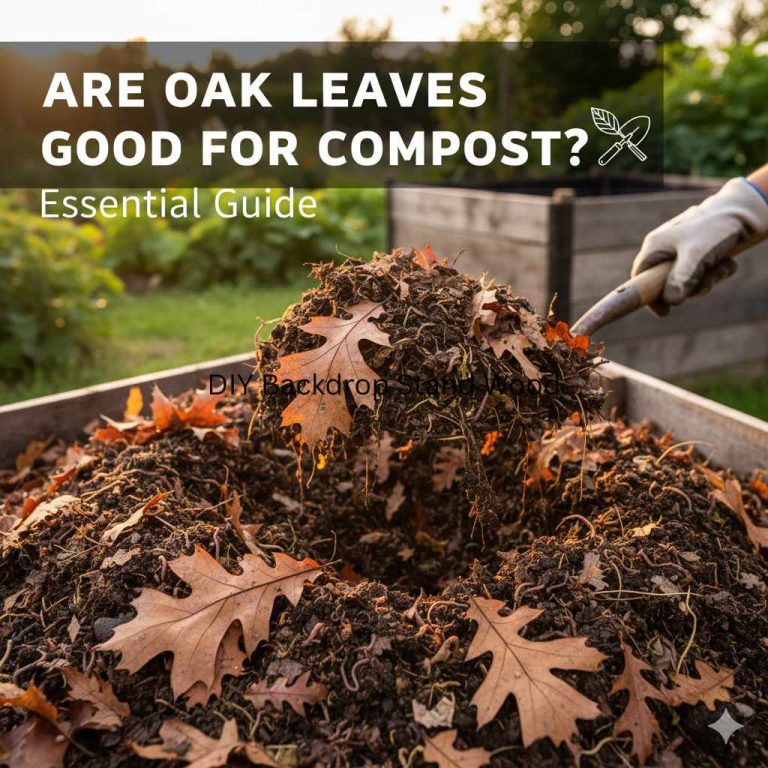
Are Oak Leaves Good For Composting?
Yes, oak leaves are excellent for composting. They are rich in carbon, which helps balance nitrogen-rich materials in compost. To speed up decomposition, shred the leaves before adding them to the compost pile. Oak leaves contribute to creating nutrient-rich compost, which is beneficial for soil health and plant growth.
How Do Oak Leaves Benefit Wildlife?
Oak leaves provide essential habitat and food for various wildlife species. Insects, such as caterpillars, feed on oak leaves, supporting bird populations. The leaf litter also offers shelter for small mammals and insects. Oak ecosystems are biodiversity hotspots, supporting numerous species across different trophic levels.
Why Do Oak Leaves Remain On Trees In Winter?
Some oak species retain their leaves through winter, a phenomenon known as marcescence. This may protect buds from harsh winter conditions and provide winter habitat for animals. The retained leaves eventually fall in spring, contributing to the nutrient cycle by decomposing and enriching the soil.
Conclusion
Oak leaves have a unique charm with their bold and jagged edges. They stand strong and proud. These leaves are often associated with strength and durability. Their dark green color in summer turns to a deep red or russet in fall.
Oak trees provide excellent shade and shelter for wildlife. Their leaves take longer to decompose, adding to the soil’s richness over time. Maple leaves, on the other hand, are known for their vibrant colors. They transform into stunning shades of orange, yellow, and red during autumn.
Their simple shape is easy to recognize. Maple trees are often used in landscaping for their beauty. The leaves decompose quickly, enriching the soil faster. Both oak and maple leaves offer unique benefits. Choosing between them depends on your preference for durability or color vibrancy.
Understanding their differences helps in making informed decisions for gardening or landscaping.