Planed Ash Timber: Unlocking the Secrets of Durability
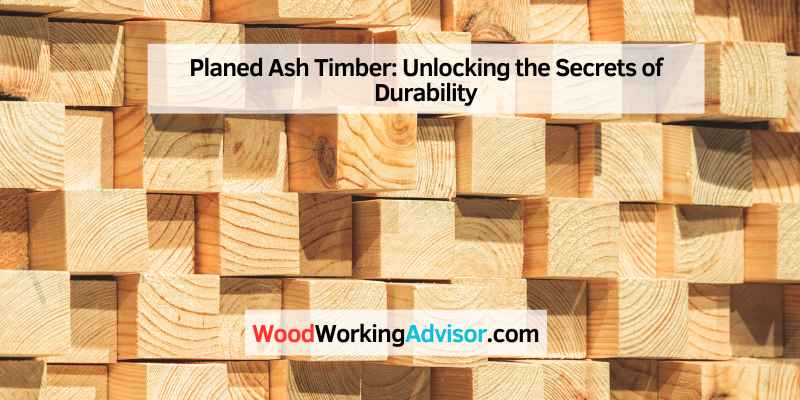
Planed ash timber is a smooth, finished wood used in furniture and construction. It’s known for its durability and attractive grain.
Ash timber is a popular choice for woodworking projects due to its strength and aesthetic appeal. Woodworkers appreciate its straight grain and smooth finish, making it ideal for furniture, flooring, and cabinetry. Its light color and ability to be stained or polished enhance its versatility in various designs.
The wood is also resistant to wear, ensuring longevity in high-traffic areas. Sustainable sourcing practices ensure that using ash timber supports responsible forest management. For those seeking high-quality, durable, and visually appealing wood, planed ash timber is an excellent option.
The Essence Of Planed Ash Timber
Planed Ash Timber has a rich history. People have used it for centuries. Its durability made it popular in ancient times. It was used in shipbuilding and furniture making. Ash timber was also favored in tool handles. Its flexibility and strength made it ideal. Many ancient artifacts show the use of ash timber. This wood has stood the test of time.
Today, planed ash timber is still in demand. It is used in modern furniture for its elegant grain. Builders use it in flooring and paneling. Its smooth finish makes it ideal for interiors. Ash timber is also popular in sports equipment. Bats and oars often use this wood. Its resilience adds to its appeal. Many choose ash timber for its versatility.
Botanical Profile Of Ash Trees
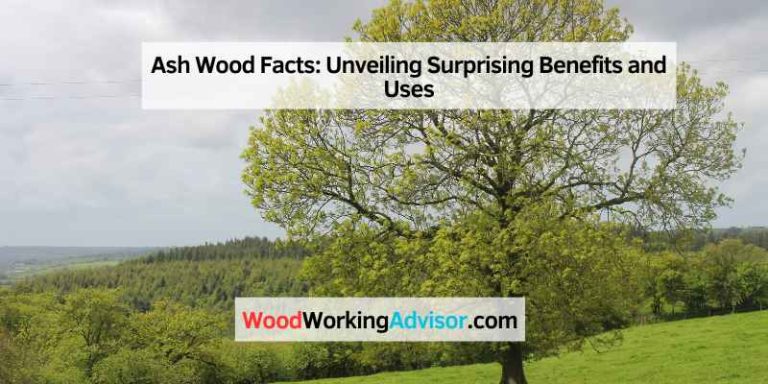
Ash trees belong to the genus Fraxinus. There are about 65 species of ash trees. Some common species include White Ash, Green Ash, and European Ash. Each species has unique characteristics and wood properties. White Ash is known for its strength and flexibility. Green Ash is hardy and grows well in urban areas. European Ash is famous for its beautiful grain patterns.
Ash trees grow best in moist, well-drained soil. They prefer a sunny location but can tolerate some shade. Ash trees are adaptable and can grow in different climates. They are often found in forests, parks, and backyards. Good growth conditions lead to high-quality timber. Adequate water and nutrients are crucial for their health. Healthy trees produce the best timber for various uses.
Harvesting Techniques For Ash Timber
Sustainable harvesting ensures the forest remains healthy. Only mature trees are cut. This helps young trees grow. Careful planning prevents soil erosion. Selective cutting is a key method. This avoids clear-cutting large areas. Workers use manual tools to reduce damage. This includes axes and hand saws. Logging roads are minimized to protect wildlife. Fallen trees are used to create habitats. This supports forest biodiversity.
Harvesting ash timber in winter is best. The ground is frozen. This causes less soil damage. Trees have no leaves. This makes them easier to cut. Dry weather is also important. Wet ground can be slippery and dangerous. Workers can transport logs easily in dry conditions. Healthy forests are monitored before cutting. This ensures trees are disease-free. Healthy trees produce strong timber.
Transforming Raw Ash Into Planed Timber
Raw ash logs are first stripped of their bark. This makes them ready for the sawing stage. The logs are then cut into rough planks. Sawing is done using a band saw or circular saw. The next step is drying the planks. Drying can take several weeks. This helps to remove excess moisture. Once dry, the planks are planed to make them smooth. This involves passing the planks through a planer machine. The final product is smooth and ready for use.
Quality control is very important in timber processing. The first step is inspecting the raw logs. Inspectors check for defects and insect damage. During sawing, workers ensure precise cuts. This helps to avoid waste. After drying, the moisture level is checked. It should be at the optimal level. Planed planks are then inspected for smoothness. Any rough spots are sanded down. Finally, the planks are graded. They are sorted based on quality and appearance.
Characteristics Of Planed Ash
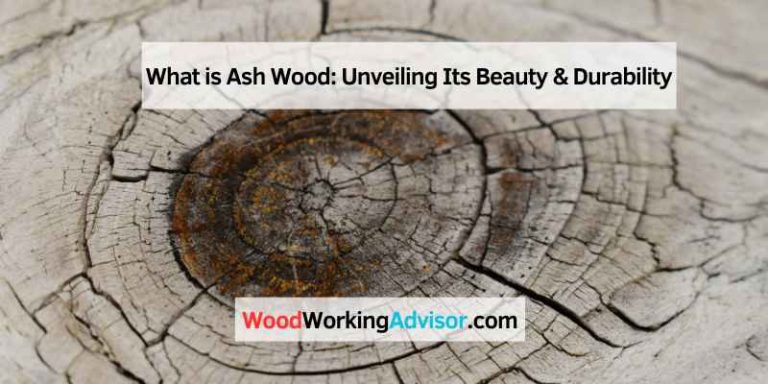
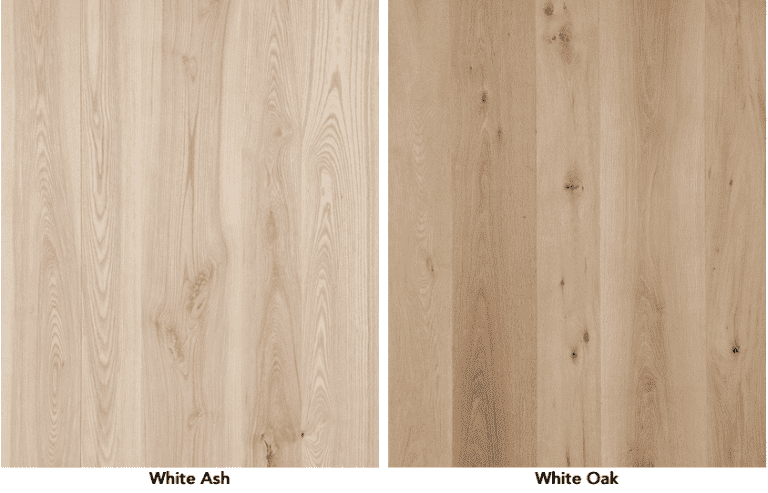
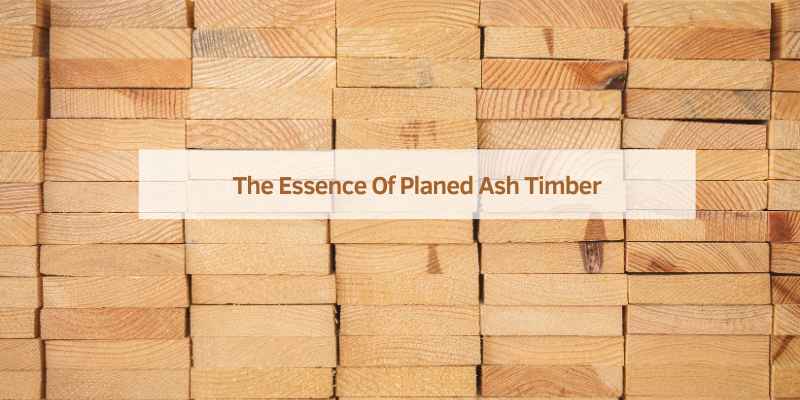
Planed Ash timber has beautiful grain patterns. These patterns are often straight. Sometimes, they can be curly or wavy. This makes the wood unique and attractive. The grains add a natural charm. Many people love the look of this wood. The unique grains make each piece special.
The color of Planed Ash timber is usually light. It can range from creamy white to light brown. The texture is smooth. This smooth texture makes it easy to work with. It also feels nice to touch. The light color brightens up any space. The smooth surface is perfect for furniture. People use it for many projects.
Durability Factors Of Ash Timber
Ash timber has a natural resistance to decay. This means it lasts longer. Many people use it for outdoor projects. It is also great for furniture. This wood does not rot easily. It can handle wet conditions well. This makes it a popular choice.
Ash timber is very strong. It can hold a lot of weight. This makes it ideal for building. It is also very flexible. This wood can bend without breaking. People use it for making tools and sports equipment. It is also easy to work with. This makes it a favorite for many carpenters.
Protective Treatments For Ash Wood
Sealants help keep ash wood safe from moisture. They form a protective layer on the wood’s surface. Coatings add a shiny finish and extra protection. Polyurethane coatings are popular. They make ash wood last longer. Oil-based sealants soak into the wood. They give a natural look to the ash wood. Water-based sealants dry faster. They are also easy to clean.
Ash wood can get damaged by pests. Termites and wood borers are common threats. Insecticides can help protect the wood. Anti-fungal treatments keep the wood safe from diseases. Borate treatments are useful. They stop pests and fungi from attacking. Regular inspection is important. It helps spot problems early.
Craftsmanship With Planed Ash
Planed Ash timber is perfect for joinery and carpentry. It is strong and durable. Many carpenters love working with Ash. The wood is easy to cut and shape. It holds screws and nails well. The grain is straight and smooth, making it easy to sand. Ash is also flexible. This makes it great for bending and shaping.
Ash timber has a beautiful light color. It can be stained to match any decor. The wood has a smooth finish. This makes it perfect for furniture and flooring. Ash wood also has a lovely grain pattern. This adds character to any project. Many people prefer Ash for its natural look. The finished product is always stunning.
Maintenance And Longevity Of Ash Installations
Dust the ash timber regularly with a soft cloth. Use a damp cloth for sticky spots. Avoid harsh chemicals as they can damage the wood. Use a mild soap if needed, but rinse well. Dry the timber with a soft, dry cloth.
Inspect the ash timber for scratches and dents. Use wood filler to repair small scratches. Sand the area lightly and apply a matching stain. For deep dents, consider professional help. Regularly oil or wax the timber to maintain its shine.
Environmental Impact And Sustainability
Forestry management is key to sustainable timber. Sustainable practices help maintain forests. Selective logging ensures young trees grow. Replanting replaces harvested trees. Biodiversity is protected through careful planning.
Ash dieback is a serious disease. It affects ash trees badly. Conservation efforts are crucial to combat it. Resistant tree species are being planted. Scientists study how to fight the disease.
Future Outlook For Ash Timber
Timber technology is evolving quickly. New treatments make ash timber more durable. Engineered wood products are gaining popularity. These products use less timber but are stronger. Sustainable practices are now common in the industry. These practices reduce waste and increase efficiency. Digital tools help in designing better timber structures. Robotics are used in timber processing.
Demand for ash timber is rising. Eco-friendly materials are in high demand. Consumers are looking for sustainable options. Ash timber fits well in this trend. Construction and furniture industries are major users. Prices for ash timber are stable. Global trade is also increasing. New markets are opening up in Asia and Africa.
Frequently Asked Questions
Is Ash A Cheap Wood?
Ash is moderately priced compared to other hardwoods. It’s affordable but not the cheapest wood option.
What Are The Disadvantages Of Ash Wood?
Ash wood can be prone to insect infestation. It can warp or crack if not properly dried. It is less durable outdoors.
How Much Is Ash Wood Worth?
Ash wood prices range from $5 to $15 per board foot. Factors include quality, grade, and market demand.
What Is Ash Timber Good For?
Ash timber is ideal for furniture, flooring, and cabinetry. Its strength makes it perfect for tool handles. Its flexibility suits sports equipment like baseball bats.
Conclusion
Planed ash timber offers durability, beauty, and versatility for various projects. Its smooth finish makes it an ideal choice. Whether for furniture or flooring, it enhances any space. Choose planed ash timber for a timeless, elegant look. Incorporate this material into your designs to enjoy lasting quality and aesthetic appeal.