Where is Ash Wood Found: A Global Exploration
Imagine you’re about to embark on a DIY project or looking to upgrade your home with some new furniture. You want something durable, beautiful, and versatile.
You’ve heard of ash wood, but where exactly is it found? This question might seem simple, but the answer unlocks a world of possibilities for you. Understanding the origins of ash wood can enhance your appreciation for this material and help you make informed choices.
Dive deeper into the story of ash wood and discover how its unique characteristics can transform your projects and spaces. You might just find the missing piece you’ve been searching for. Don’t you want to know where it all begins?
Ash Wood Characteristics
Best Wood ID Reference Pick
 |
Identifying Wood: Accurate Results with Simple ToolsThe Taunton Press | Our pick | $26.11
Price as of 20 Oct 2026
|
View |
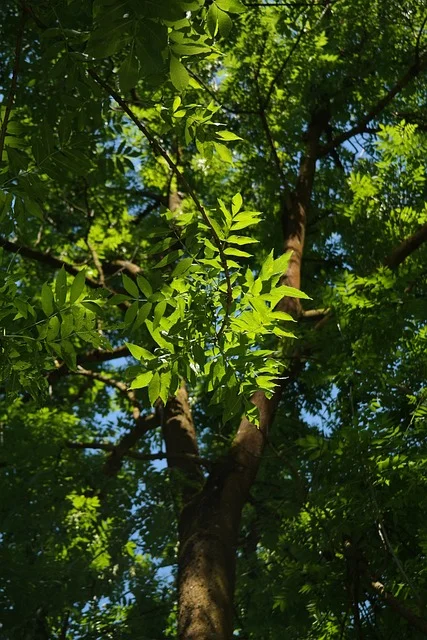
Ash belongs to the genus Fraxinus, and its light, pale-cream to yellowish sapwood with a bold, open, straight grain is what identifies it on a lumberyard shelf even before you check the tag. What makes it stand out from other pale hardwoods, though, is its unusual ratio of stiffness to shock resistance – ash absorbs a sudden impact and flexes back to shape instead of splintering, which is precisely why it was the standard material for baseball bats, axe handles, and hockey sticks for most of the 20th century before aluminum and composites took over parts of that market. That same open, ring-porous grain structure also makes it take stain and glue predictably, which is a big part of why it’s easy to machine compared to denser, harder-to-plane species like hard maple.
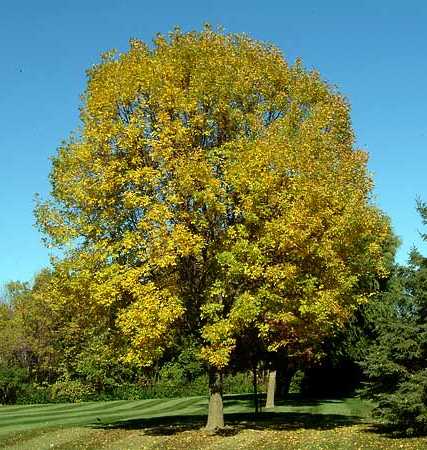
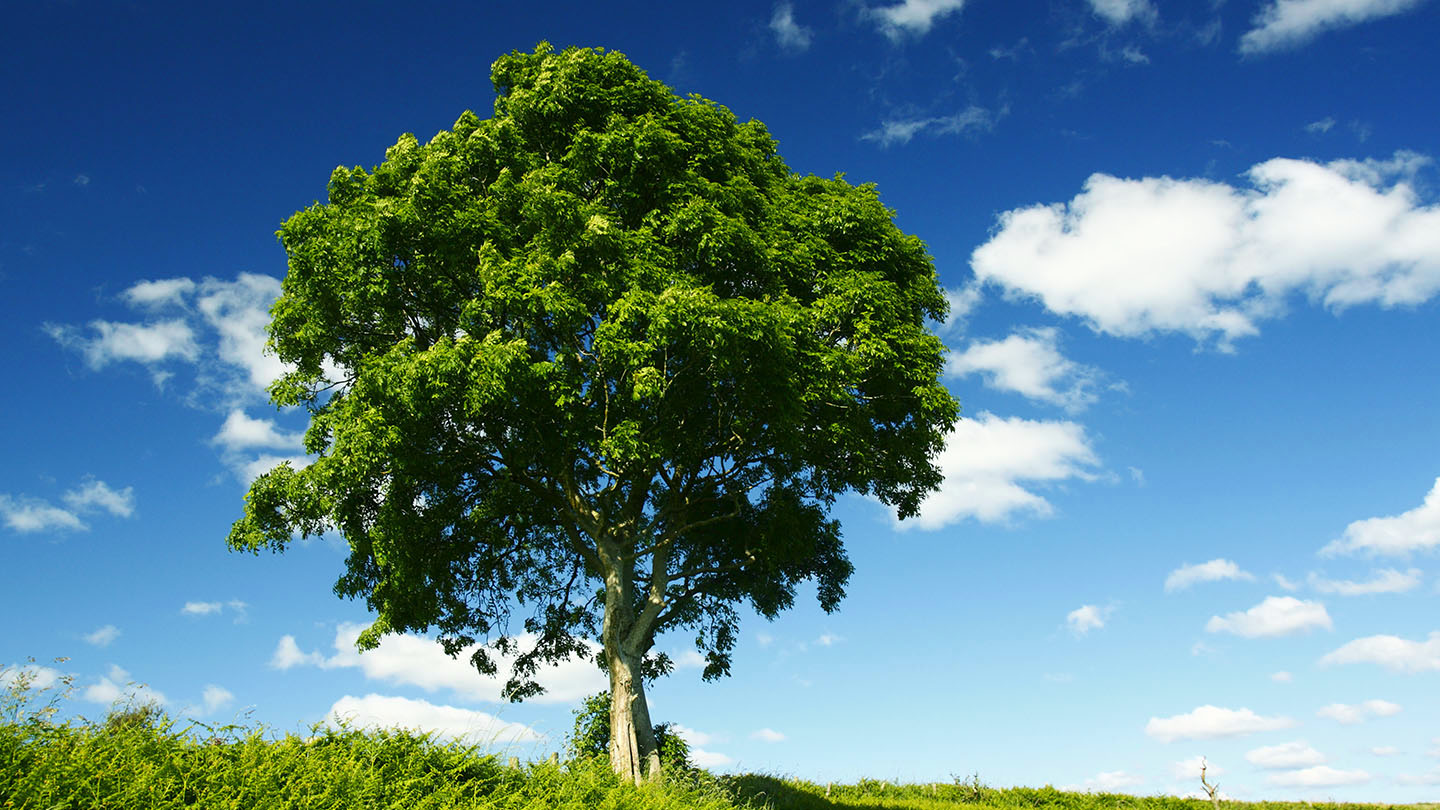
Ash typically runs $4 to $8 per board foot in North America, roughly on par with red oak and noticeably cheaper than walnut or cherry, mostly because it grows fast (a mature harvestable tree in 60 to 80 years, versus well over a century for oak) and, until the emerald ash borer outbreak, was abundant across the eastern half of the continent. It grows both in natural forest stands and along streets and in parks as a shade tree, since its fast growth and tolerance for a range of soils made it a favorite for urban planting for decades.
Credit: www.woodlandtrust.org.uk
Global Distribution Of Ash Trees
Roughly 45 to 65 species make up the Fraxinus genus (botanists disagree on the exact count as classifications get revised), and nearly all of them are native to the temperate Northern Hemisphere – North America, Europe, and East Asia specifically, with essentially none native south of the equator. White ash (Fraxinus americana) is the dominant commercial species in North America, prized for lumber; European ash (Fraxinus excelsior) fills the same role across the continent and grows tall enough – sometimes past 130 feet in old-growth stands – to be a dominant canopy tree in mixed hardwood forests. Manchurian ash (Fraxinus mandshurica) is the main East Asian species, found through China, Japan, Korea, and the Russian Far East.
Across all three regions, ash favors the same conditions: deep, moist, well-drained soil and full sun, which is why it’s so common along riverbanks and in bottomland forests rather than dry uplands. It’s also one of the faster-growing hardwoods, adding usable trunk diameter in half the time of oak, which is a big part of why it became such a heavily used commercial and shade-tree species on three continents.
North American Ash Wood Sources
The historic center of US ash lumber production runs through the Great Lakes and Ohio Valley states – Pennsylvania, Ohio, Michigan, and Indiana specifically – where white ash grew as a major component of the eastern hardwood forest. On the Janka hardness scale white ash measures around 1,320 lbf, harder than American black walnut and close to red oak, but at a noticeably lower weight, which is exactly why it was the wood of choice for baseball bats (Louisville Slugger used white ash almost exclusively until the early 2000s) and why it still shows up in flooring and furniture where strength-to-weight matters. Unfortunately, this same region has been the epicenter of the emerald ash borer infestation since 2002, which has killed hundreds of millions of ash trees and pushed a lot of current US ash lumber supply toward salvage harvesting of standing dead timber rather than live-tree cutting.
Canada’s ash resource is concentrated in southern Ontario and Quebec, where the climate and soil match the tree’s preference for moist, well-drained bottomland. Canadian mills historically supplied ash for the same furniture, flooring, and tool-handle markets as their US counterparts, though Canada has faced the same emerald ash borer pressure moving north from the Great Lakes region since the mid-2000s, which has significantly reduced the standing ash timber available for harvest in the hardest-hit counties.
European Ash Wood Regions
European ash grows across most of the continent, but France, Germany, and the UK have historically been the largest producers for commercial lumber, thanks to a mild, wet climate that matches the species’ preference for moist bottomland soil. European ash lumber has traditionally sold at a slight premium over American white ash in some markets because of its slightly tighter grain and long-standing reputation in tool-handle and sporting-goods manufacturing – hurleys for Ireland’s national sport of hurling, for instance, are still made almost exclusively from European ash for its shock resistance.
Poland, Ukraine, and parts of western Russia hold some of Europe’s largest remaining ash forest stands, aided by a continental climate with cold winters and warm, humid summers that suits the species well. Since 2012, though, European ash across the entire continent has been hit hard by ash dieback (Hymenoscyphus fraxineus), a fungal disease that’s killed a large share of ash trees in the UK and Scandinavia and continues spreading east – a bigger long-term threat to European ash supply right now than harvesting pressure.
Asian Ash Tree Habitats
Ash’s real Asian range is East Asia, not the tropics: Manchurian ash grows across northeastern China, Japan, the Korean peninsula, and Russia’s Far East, generally in cooler, temperate mixed forests rather than mountain steppe or monsoon climates. Japan uses it commercially under the name “tamo,” valued in furniture and cabinetry for a grain figure that’s often more pronounced and wavy than American white ash, which makes it popular for veneer work specifically.
Ash is essentially absent from the native forests of Southeast Asia – the genus doesn’t tolerate the humid tropical lowland climate found in countries like Thailand and Vietnam, which is dominated instead by species like teak, rosewood, and various dipterocarps. Any ash lumber used in that region is almost always imported, typically from North America or China, for furniture makers targeting a lighter-colored wood than what’s locally available.
Ash Wood In Africa
Fraxinus has no significant native range in Africa – the continent’s climate outside a handful of high-elevation pockets doesn’t match what the genus needs to thrive, so African cabinetmakers and builders have historically relied on regionally abundant species like mahogany, teak, and various indigenous hardwoods instead. Where ash does show up in African markets, it’s almost always imported lumber rather than a locally grown tree, brought in specifically for furniture and flooring projects where a lighter, straight-grained wood is called for and the local hardwood options run darker or more figured than the design calls for.
Ash Wood In Oceania
True Fraxinus species have no native presence in Australia or New Zealand – local timber markets there are built around species like jarrah, blackbutt, and rimu, which fill many of the same structural and furniture roles ash does elsewhere. What’s sold as “ash” in Oceania is sometimes actually a local look-alike species marketed under a common name for its pale color, rather than true Fraxinus hardwood, so it’s worth confirming with a supplier which one you’re actually getting. Genuine imported white ash is available through specialty timber importers in Australia and New Zealand for furniture makers who specifically want that combination of low weight and shock resistance, but it carries an import premium on top of what local species cost.
Sporting-goods manufacturers in the region who need ash’s shock-absorbing properties for bats or stick handles source it the same way – imported, usually from North American mills, since no regional substitute matches ash’s specific combination of flex and impact resistance.
Environmental Impact Of Ash Wood Harvesting
Ironically, the biggest current threat to ash forests isn’t harvesting – it’s the emerald ash borer in North America and ash dieback disease in Europe, both of which have killed far more standing timber than commercial logging ever did. Responsible harvesting under a forest management plan, by contrast, is generally sustainable for ash specifically because of its fast growth rate: a well-managed stand can be selectively cut on a rotation without the multi-generation recovery time oak or walnut forests need. The real environmental concern in most ash-producing regions right now is salvage logging of borer-killed or diseased trees, which happens on a compressed timeline and doesn’t always follow the same replanting and soil-protection practices as planned harvests.
Certification programs like FSC apply to ash the same way they do to other commercial hardwoods, and buying certified ash lumber is a straightforward way to support operations that replant and manage watershed and soil impact rather than clear-cutting. Given how much wild ash has already been lost to disease and pests over the past two decades, certified and salvage-sourced lumber both play a role in keeping the wood available without adding pressure to what remains of healthy stands.
Economic Importance Of Ash Wood
Ash’s combination of strength, low weight, and shock resistance is what earns it a place across several unrelated industries at once: furniture and flooring (where its 1,320 lbf Janka rating and open grain make it durable and easy to finish), sporting goods (baseball bats and, historically, hockey sticks, though composite materials have taken over a large share of that market), and hand-tool handles, where the wood’s ability to absorb repeated shock without splitting made it the standard choice for axes, hammers, and shovels for most of the last century.
The emerald ash borer outbreak has actually reshaped the economics of the ash industry in North America – large volumes of borer-killed standing timber have been salvage-harvested over the past two decades, which kept supply relatively available even as the live tree population collapsed in the hardest-hit states. Long-term, though, industries that depend on ash (tool-handle manufacturers especially) have been shifting toward hickory and fiberglass composites as the wild ash supply shrinks, which is worth knowing if you’re sourcing ash for a long-term project rather than a one-off build.
Frequently Asked Questions
Where Can Ash Wood Be Found?
Ash wood is commonly found in North America, Europe, and Asia. It’s harvested from ash trees in forests and plantations. These trees thrive in temperate climates and are abundant in regions with rich, moist soil. Ash wood is popular for furniture and sports equipment due to its durability and flexibility.
Is Ash Wood Good For Anything?
Ash wood is excellent for furniture, flooring, and sports equipment. It’s durable, flexible, and shock-resistant. Its attractive grain makes it a favorite for interior design. Ash wood is also commonly used for tool handles and musical instruments. Its versatility and strength make it a popular choice in various industries.
Where Is Ash Commonly Found?
Ash wood itself grows in temperate forests across North America, Europe, and parts of Asia — not to be confused with wood ash, the burnt residue left after burning wood, which is a completely different substance.
Are There Ash Trees In The Us?
Yes, ash trees are found in the US. They are common in forests, parks, and urban areas. Ash trees belong to the Fraxinus genus and are valued for their strong wood and shade. However, they face threats from the emerald ash borer, a destructive beetle.
Conclusion
Ash’s real range is the temperate Northern Hemisphere specifically – North America, Europe, and East Asia (China, Japan, Korea, the Russian Far East), with essentially no native presence south of the equator or in the tropics. That combination of a wide range, fast growth, low cost, and an unusual shock-resistance-to-weight ratio is what built its reputation for furniture, flooring, tool handles, and sporting goods.
The one thing worth checking before you buy, wherever you’re located, is supply health – emerald ash borer in North America and ash dieback disease in Europe have both hit wild ash populations hard since the early 2000s, so a lot of current lumber is coming from salvage harvests of dead or dying trees rather than live-tree cutting. That doesn’t make the lumber lower quality, but it’s worth asking your supplier about sourcing if long-term ash availability matters to your project planning.
Sponsored / affiliate links. As an Amazon Associate I earn from qualifying purchases. I may earn additional commission from eligible campaigns.